
Vertical Mill for Kaolin Grinding: Efficient Industrial Milling Solutions
We provide a wide range of mills — including Raymond mill, trapezoidal mill, vertical mill, ultrafine mill, and ball mill, obtained ISO9001 international quality certification, EU CE certification, and Customs Union CU-TR certification. Suitable for processing minerals such as limestone, phosphate, quicklime, kaolin, talc, barite, bentonite, calcium carbonate, dolomite, coal, gypsum, clay, carbon black, slag, cement raw materials, cement clinker, and more.
The discharge range of these mills can be adjusted to meet specific processing needs, typically from 80-400 mesh, 600-3250 mesh, and can achieve the finest particle size of up to 6000 mesh(D50).
If you are looking for a reliable grinding solution to turn stone or minerals into fine powder, please feel free to contact our online customer service.
Vertical Mill for Kaolin Grinding: Efficient Industrial Milling Solutions
In the world of industrial minerals processing, kaolin stands out as a critical material with applications spanning from paper and ceramics to paints, plastics, and pharmaceuticals. Its value is intrinsically linked to its purity, whiteness, and particle size distribution. Achieving the precise, ultra-fine powder specifications required by high-end markets demands grinding technology that is not only powerful but also intelligent, energy-efficient, and environmentally conscious. This is where modern vertical grinding mills have revolutionized the process, offering a superior alternative to traditional ball or Raymond mills.
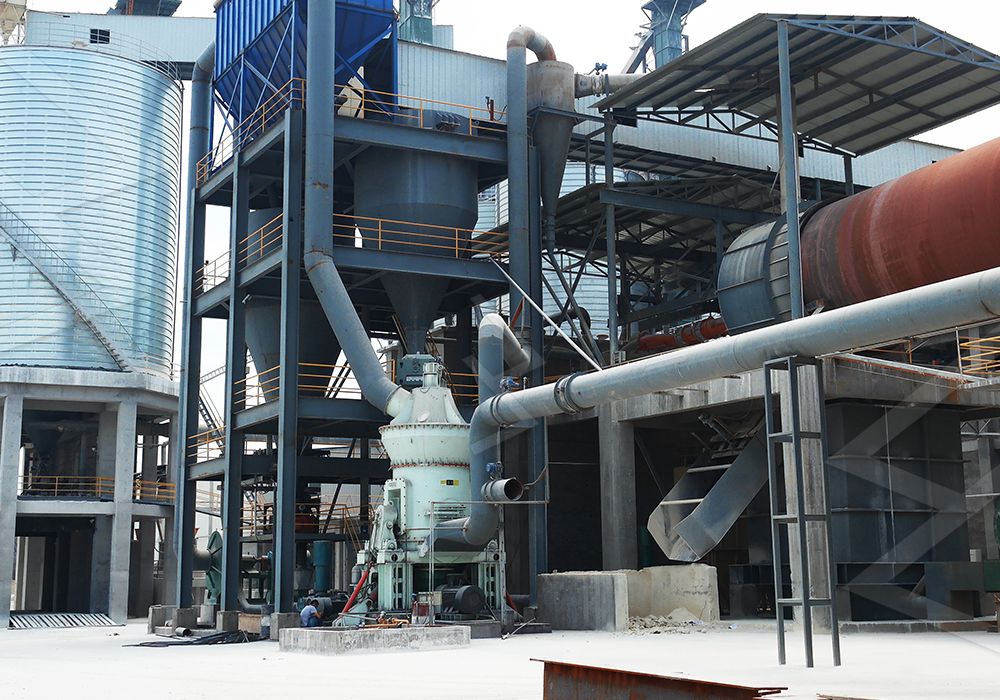
The core challenge in kaolin processing lies in its physical properties. It is a soft, plate-like clay mineral that can be abrasive. Traditional milling methods often lead to inefficient energy use, excessive heat generation (which can affect brightness), iron contamination from mechanical wear, and inconsistent particle size. Vertical roller mills (VRMs) are engineered to overcome these exact hurdles. By integrating drying, grinding, classification, and conveying into a single, compact unit, they provide a controlled, efficient, and clean milling environment perfectly suited for kaolin.
The Vertical Mill Advantage for Kaolin
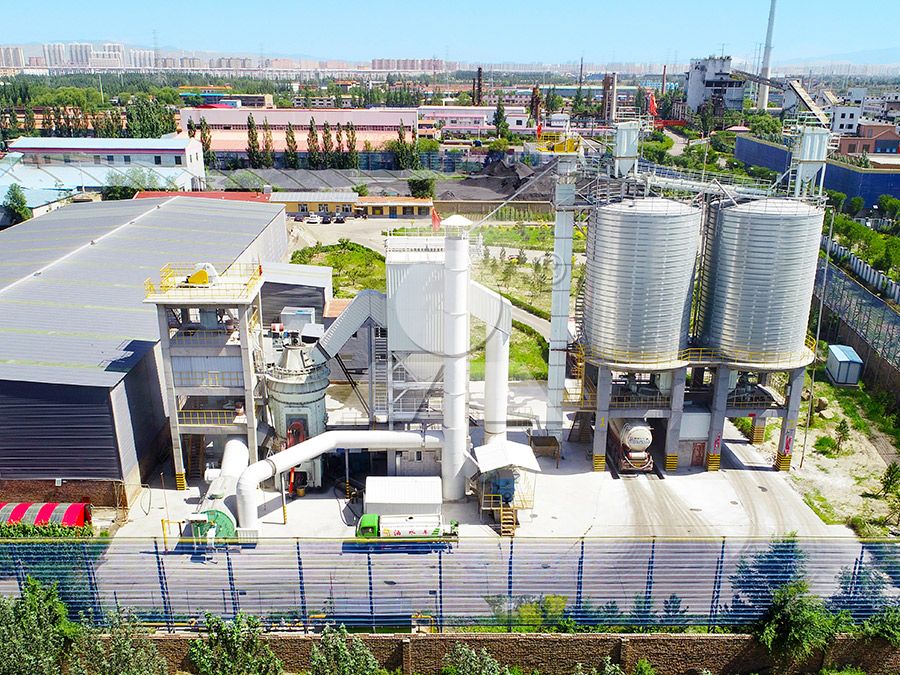
Why has the vertical mill become the technology of choice? The answer lies in its operational philosophy. Material is fed onto a rotating grinding table and is ground under pressure by conical or cylindrical rollers. The ground material is then pneumatically conveyed to an integrated high-efficiency classifier. This closed-loop system offers distinct benefits:
- Superior Energy Efficiency: VRMs consume 30-50% less energy than ball mills. The grinding principle involves compression and inter-particle comminution, which is far more efficient than the impact and attrition of tumbling balls.
- Exceptional Product Quality: The short material residence time within the mill minimizes over-grinding and reduces the risk of heat-induced discoloration. Advanced separator technology ensures a sharp, consistent particle cut (d97) and high whiteness retention by minimizing iron contamination from mechanical parts.
- Integrated Drying: Hot gas can be introduced directly into the grinding chamber, allowing simultaneous drying and grinding of moist filter cakes, eliminating the need for a separate, energy-intensive dryer.
- Compact Footprint & Automation: The vertical design occupies significantly less space than a ball mill circuit. Furthermore, modern VRMs are equipped with sophisticated PLC control systems, enabling stable, automated operation with remote monitoring capabilities.
- Environmental Compliance: The entire system operates under negative pressure, preventing dust emission. Combined with high-efficiency pulse jet bag filters, it ensures a clean, environmentally friendly operation.
Tailored Solutions for Ultra-Fine Kaolin Production
For producers targeting the most demanding applications—such as high-grade coatings, specialty plastics, or advanced ceramics—standard grinding may not suffice. The requirement for powders in the range of 325 to 2500 meshes (d97 ≤ 5µm) calls for specialized ultrafine grinding technology. This is not merely about finer grinding; it’s about achieving that fineness with high throughput, low energy consumption, and impeccable product integrity.
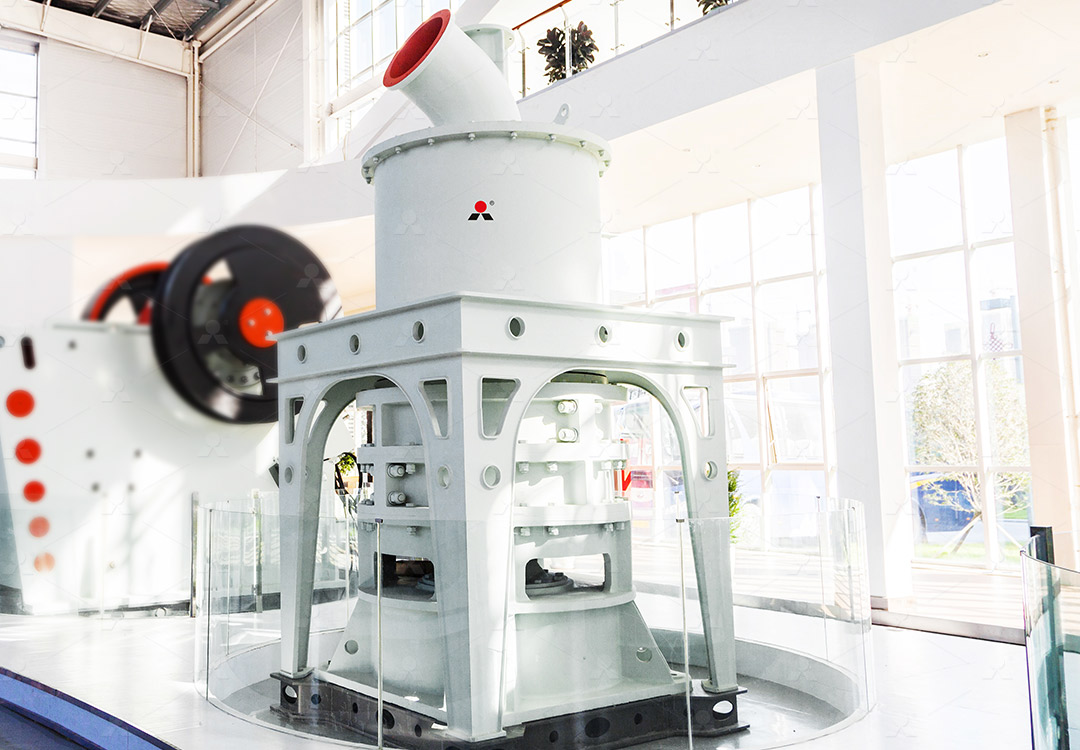
In this high-stakes segment, the MW Ultrafine Grinding Mill emerges as a standout solution. Engineered for customers who need to make ultra-fine powder, this mill is a paradigm of efficiency and reliability. It features a newly designed grinding curve for its roller and ring assembly, enhancing grinding efficiency to deliver a production capacity up to 40% higher than jet or stirred mills at the same power and fineness. Its cage-type powder selector, incorporating German technology, allows precise adjustment of fineness between 325-2500 meshes with a high screening rate. A key design innovation is the absence of rolling bearings and screws in the grinding chamber, eliminating common failure points and enabling worry-free, continuous 24/7 operation. Coupled with an efficient pulse dust collector and muffler, the MW Series ensures production that meets stringent national environmental protection standards.
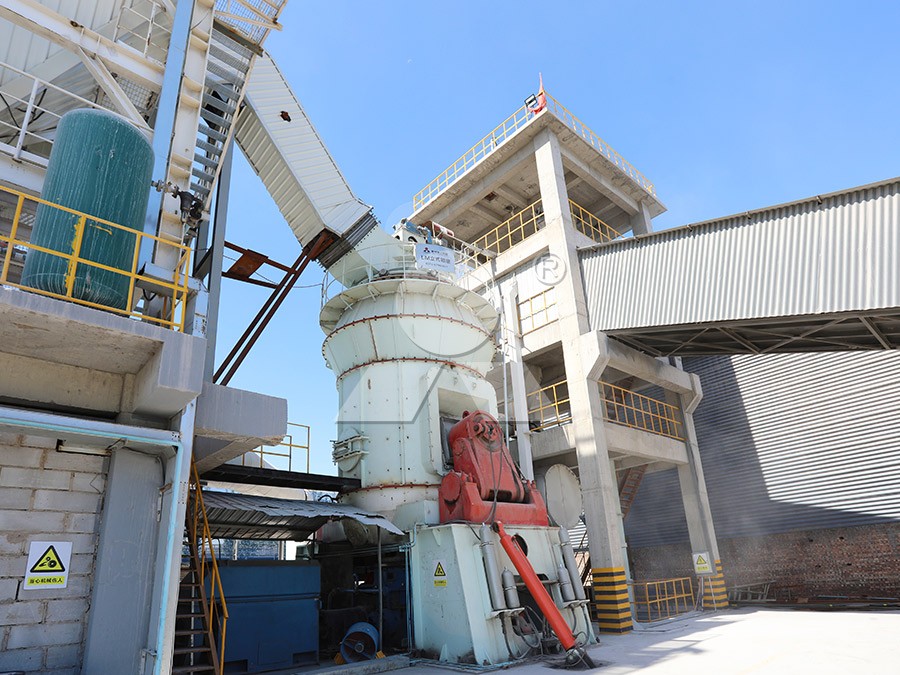
For operations seeking the latest in vertical grinding innovation with a focus on large-scale, high-quality output, the LUM Ultrafine Vertical Grinding Mill represents the cutting edge. Independently designed by LIMING, it integrates the latest grinding roller technology and German powder separating technology. Its unique roller shell and lining plate grinding curve promote stable material layer formation, enabling a high rate of finished product from a single pass. This design greatly enhances efficiency while improving the whiteness and cleanliness of the final kaolin powder. The mill also features a double position-limiting technology that safeguards against destructive vibration, ensuring remarkable operational stability. Furthermore, its reversible structure with a hydraulic system allows grinding rollers to be easily swung out for maintenance, drastically reducing downtime and associated losses.
Conclusion: Investing in the Future of Kaolin Processing
The evolution from traditional milling to advanced vertical roller technology marks a significant leap forward for the kaolin industry. It is an investment that pays dividends not only in reduced operational costs (energy and maintenance) but also in enhanced product quality and market competitiveness. By choosing a mill designed for the specific challenges of kaolin—such as the MW or LUM series—producers secure a reliable, efficient, and future-proof backbone for their operations. In an industry where precision and purity define value, the right grinding solution is not just equipment; it is a strategic asset.
Frequently Asked Questions (FAQs)
- What is the main advantage of a vertical mill over a ball mill for kaolin grinding?
The primary advantages are significantly higher energy efficiency (30-50% less power consumption), a more compact footprint, integrated drying capability, superior product quality with less iron contamination, and easier maintenance and automation. - Can vertical mills handle moist kaolin filter cake?
Yes, one of the key features of modern vertical mills like the LUM and LM series is their ability to simultaneously dry and grind. Hot air is introduced into the grinding chamber, making them ideal for processing filter cakes with residual moisture, eliminating a separate drying stage. - How fine can a vertical mill grind kaolin?
Specialized ultrafine vertical mills, such as the MW Series, are capable of producing kaolin powder with a fineness adjustable between 325 to 2500 meshes, achieving a particle size as fine as d97 ≤ 5μm, which is suitable for the most demanding premium applications. - How does the vertical mill prevent iron contamination in the kaolin product?
Advanced designs utilize wear-resistant alloys for grinding components and feature non-contact grinding principles where the roller and table do not directly touch. Any incidental iron from wear is often separated by gravity or magnetic systems within the mill, ensuring high product whiteness and purity. - Is the operation of a vertical mill environmentally friendly?
Absolutely. Vertical mills operate under negative pressure with closed-circuit systems. They are equipped with high-efficiency pulse jet dust collectors (like those on the MW Mill) and silencers, resulting in near-zero dust emissions and low noise levels, fully complying with international environmental standards. - What about maintenance and spare parts availability?
Leading manufacturers like LIMING design mills with maintainability in mind. Features like the reversible roller structure in the LUM Mill allow easy access to wear parts. Furthermore, as a full-cycle provider covering production and sales, LIMING guarantees the supply of original spare parts and technical support to ensure worry-free, long-term operation.