
Kaolin Grinding Mill Solutions for Plastic Filling Applications
We provide a wide range of mills — including Raymond mill, trapezoidal mill, vertical mill, ultrafine mill, and ball mill, obtained ISO9001 international quality certification, EU CE certification, and Customs Union CU-TR certification. Suitable for processing minerals such as limestone, phosphate, quicklime, kaolin, talc, barite, bentonite, calcium carbonate, dolomite, coal, gypsum, clay, carbon black, slag, cement raw materials, cement clinker, and more.
The discharge range of these mills can be adjusted to meet specific processing needs, typically from 80-400 mesh, 600-3250 mesh, and can achieve the finest particle size of up to 6000 mesh(D50).
If you are looking for a reliable grinding solution to turn stone or minerals into fine powder, please feel free to contact our online customer service.
Kaolin Grinding Mill Solutions for Plastic Filling Applications
The plastics industry constantly seeks high-performance, cost-effective fillers to enhance product properties and reduce manufacturing costs. Among these, kaolin (china clay) stands out as a premier mineral filler, prized for its ability to improve stiffness, dimensional stability, surface finish, and electrical insulation in polymers. However, the true value of kaolin is unlocked only when it is processed to the correct particle size, distribution, and purity. This is where advanced grinding technology becomes critical. Selecting the right grinding mill is not merely a matter of reducing particle size; it’s about engineering a powder that seamlessly integrates into the polymer matrix, optimizing both performance and production economics.
The Critical Role of Particle Size in Plastic Composites
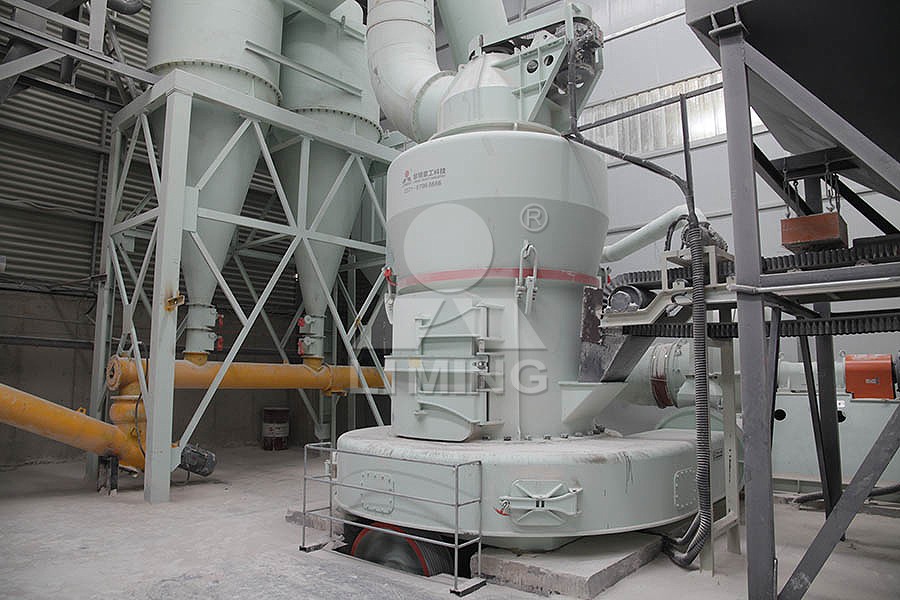
For plastic filling applications, the fineness and particle size distribution of kaolin are paramount. Ultra-fine particles with a narrow size distribution offer several advantages. They provide a higher surface area for better polymer-filler interaction, leading to improved mechanical properties like tensile strength and impact resistance. Finer particles also minimize stress concentration points, reduce wear on processing equipment like extruder screws and dies, and result in a smoother, more aesthetically pleasing surface finish on the final plastic product. Achieving this optimal powder profile—typically in the range of 325 to 2500 meshes—requires precision grinding equipment capable of high-efficiency classification and consistent output.
Beyond Fineness: Operational and Environmental Imperatives
Modern plastic compounders face pressures beyond product quality. Operational efficiency, energy consumption, and environmental compliance are equally vital. A grinding solution must deliver high yield with low specific energy consumption to keep costs in check. Furthermore, the entire milling process must be clean and contained. Dust generation is a significant concern, both for product loss and worker safety, while noise pollution must be managed within facility limits. An ideal kaolin grinding system, therefore, integrates superior grinding mechanics with robust dust collection and noise suppression technologies, ensuring a footprint that aligns with sustainable and responsible manufacturing practices.
Engineered Solutions for Superior Performance
Addressing these multifaceted demands requires engineered solutions rather than generic milling equipment. For producers targeting the high-end plastics market, where ultra-fine, high-purity kaolin fillers are essential, the MW Ultrafine Grinding Mill presents a compelling solution. This mill is specifically designed for customers who need to make ultra-fine powder. It features a German-technology cage-type powder selector that allows precise adjustment of fineness between 325-2500 meshes, achieving a high screening rate of d97≤5μm in a single pass. Its design eliminates rolling bearings and screws in the grinding chamber, virtually eliminating concerns about bearing failures or loose hardware causing downtime. Crucially for plant operations, it is equipped with an efficient pulse dust collector and muffler, ensuring the production process is dust-free and meets stringent environmental standards.
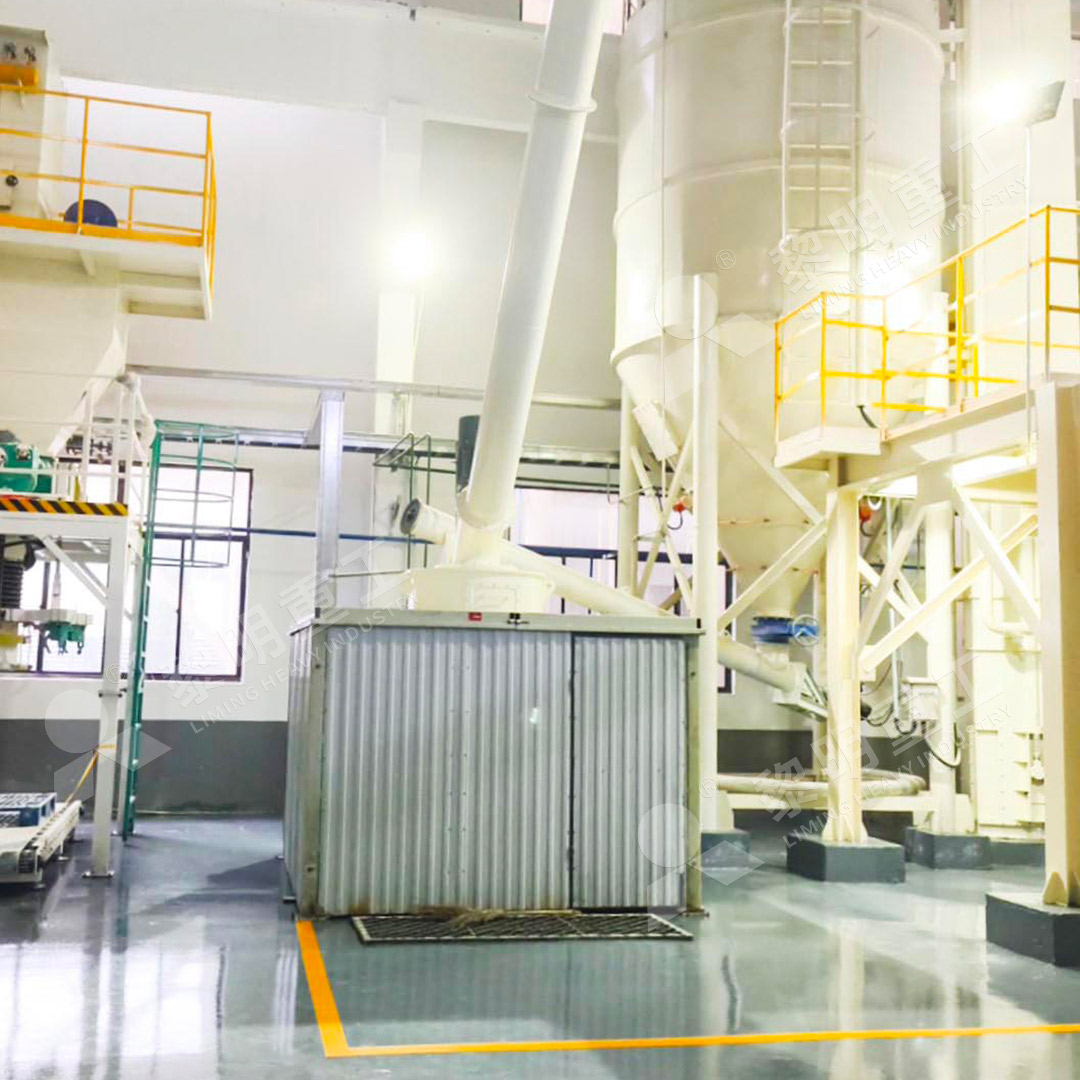
For operations requiring large-scale production of finely ground kaolin with exceptional stability, the LUM Ultrafine Vertical Grinding Mill is another technologically advanced option. Integrating the latest grinding roller and powder separating technology, it excels in energy efficiency, reducing consumption by 30%-50% compared to conventional mills. Its double position-limiting technology protects the mill from destructive vibration, guaranteeing stable, continuous operation vital for consistent filler quality. Furthermore, its reversible structure allows grinding rollers to be easily moved out for maintenance, drastically reducing service time and associated production losses.
Conclusion: A Strategic Investment in Quality
Choosing the appropriate kaolin grinding mill is a strategic decision that directly impacts the quality of plastic composites, operational efficiency, and environmental stewardship. By investing in advanced, purpose-built grinding technology like the MW or LUM series mills, kaolin processors and plastic compounders can produce filler materials that deliver superior performance in the final polymer product. This commitment to precision grinding translates into competitive advantage—enabling the creation of stronger, lighter, more durable, and more cost-effective plastics for a global market.
Frequently Asked Questions (FAQ)
Q1: Why is kaolin a preferred filler in plastics manufacturing?
A1: Kaolin improves key properties like stiffness, dimensional stability, surface finish, and electrical insulation. It is also cost-effective, chemically inert, and widely available, making it an excellent functional filler and extender for various polymers.
Q2: What particle size range is typically required for kaolin in plastic applications?
A2: For most high-performance plastic filling applications, kaolin is ground to a fineness between 325 mesh (45 microns) and 2500 mesh (5 microns). Ultra-fine grades (e.g., d97 ≤ 5μm) are used for superior surface finish and mechanical reinforcement.
Q3: How does the MW Ultrafine Grinding Mill ensure consistent powder quality?
A3: The MW Mill utilizes a precision cage-type powder selector, allowing accurate control over the cut point. This, combined with its optimized grinding curve, ensures a narrow particle size distribution and consistent fineness batch after batch, which is critical for uniform plastic composite properties.
Q4: Are these grinding systems suitable for continuous, 24/7 operation?
A4: Yes, mills like the MW and LUM are designed for industrial durability. Features such as external lubrication systems (MW) and stable mechanical limiting technology (LUM) minimize unplanned shutdowns, supporting reliable around-the-clock production schedules.
Q5: How is dust control managed during the kaolin grinding process?
A5: Integrated environmental controls are standard. For instance, the MW Ultrafine Grinding Mill comes equipped with an efficient pulse dust collector, ensuring the milling system operates under negative pressure with no dust pollution, protecting both the workforce and the plant environment.
Q6: What are the main advantages of vertical grinding mills like the LUM for kaolin processing?
A6: Vertical mills like the LUM offer a compact footprint, higher energy efficiency (30-50% savings), and integrated drying-grinding-classifying functions. They provide stable product quality with low iron contamination and easier maintenance access, ideal for large-volume production.
Q7: Can the fineness of the final product be easily adjusted for different customer requirements?
A7: Absolutely. Advanced mills feature adjustable parameters. The MW Mill’s powder selector and the LUM Mill’s PLC-controlled separator allow operators to accurately and quickly switch between different fineness targets without major mechanical changes.