
GRM33.4S Vertical Roller Mill: Key Features and Applications
We provide a wide range of mills — including Raymond mill, trapezoidal mill, vertical mill, ultrafine mill, and ball mill, obtained ISO9001 international quality certification, EU CE certification, and Customs Union CU-TR certification. Suitable for processing minerals such as limestone, phosphate, quicklime, kaolin, talc, barite, bentonite, calcium carbonate, dolomite, coal, gypsum, clay, carbon black, slag, cement raw materials, cement clinker, and more.
The discharge range of these mills can be adjusted to meet specific processing needs, typically from 80-400 mesh, 600-3250 mesh, and can achieve the finest particle size of up to 6000 mesh(D50).
If you are looking for a reliable grinding solution to turn stone or minerals into fine powder, please feel free to contact our online customer service.
GRM33.4S Vertical Roller Mill: Key Features and Applications
In the demanding world of industrial mineral processing and powder production, efficiency, reliability, and precision are non-negotiable. The GRM33.4S Vertical Roller Mill stands as a testament to advanced engineering, designed to meet these rigorous demands across a spectrum of industries. This article delves into the core attributes that make the GRM33.4S a preferred choice and explores its diverse application landscape.
Engineered for Superior Performance
The GRM33.4S is built upon a foundation of innovative design principles aimed at maximizing output while minimizing operational costs. Its vertical structure is inherently space-saving, integrating crushing, grinding, drying, classification, and conveying into a single, compact unit. This not only reduces the plant’s footprint by up to 50% compared to traditional ball mill systems but also simplifies the entire process flow.
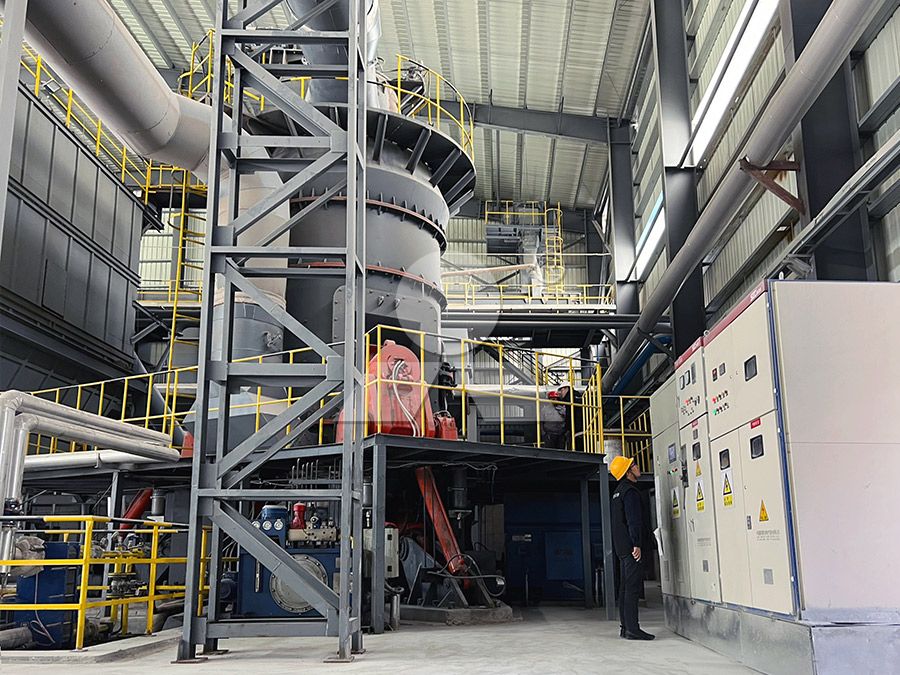
A standout feature is its exceptional grinding efficiency. The mill utilizes a unique grinding curve design for the roller and grinding table. This optimizes the material bed formation, ensuring particles are ground through inter-particle comminution rather than direct metal-to-metal contact. The result is a significant reduction in specific energy consumption—often 30% to 40% lower than conventional systems—and a dramatic decrease in wear on grinding components, leading to lower maintenance frequency and cost.
Uncompromising Product Quality and Flexibility
Product consistency is paramount. The GRM33.4S incorporates a highly efficient, multi-head cage-type powder separator with advanced PLC control. This system allows for precise and instantaneous adjustment of product fineness, typically ranging from 325 to 2500 meshes. The cutting sharpness of the separator ensures a narrow particle size distribution, achieving a high screening rate where 97% of the product (d97) can be ≤5μm in a single pass. This level of control is crucial for applications requiring ultra-fine powders with strict specifications.
Furthermore, the mill’s design minimizes iron contamination. With no direct contact between the grinding roller and table during operation and the use of high-performance wear-resistant materials, the iron content in the final product is exceptionally low. This preserves the whiteness and purity of processed materials like calcium carbonate, talc, and barite, making the output ideal for high-value industries such as paints, plastics, and cosmetics.
Robust and Eco-Friendly Operation
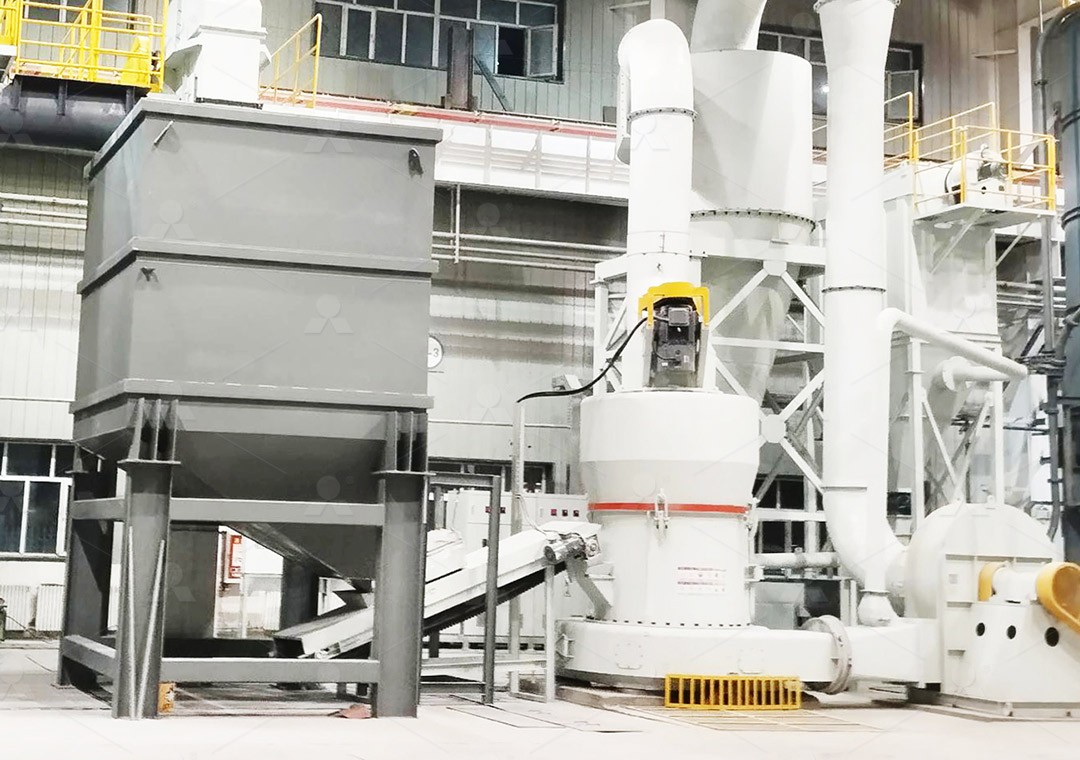
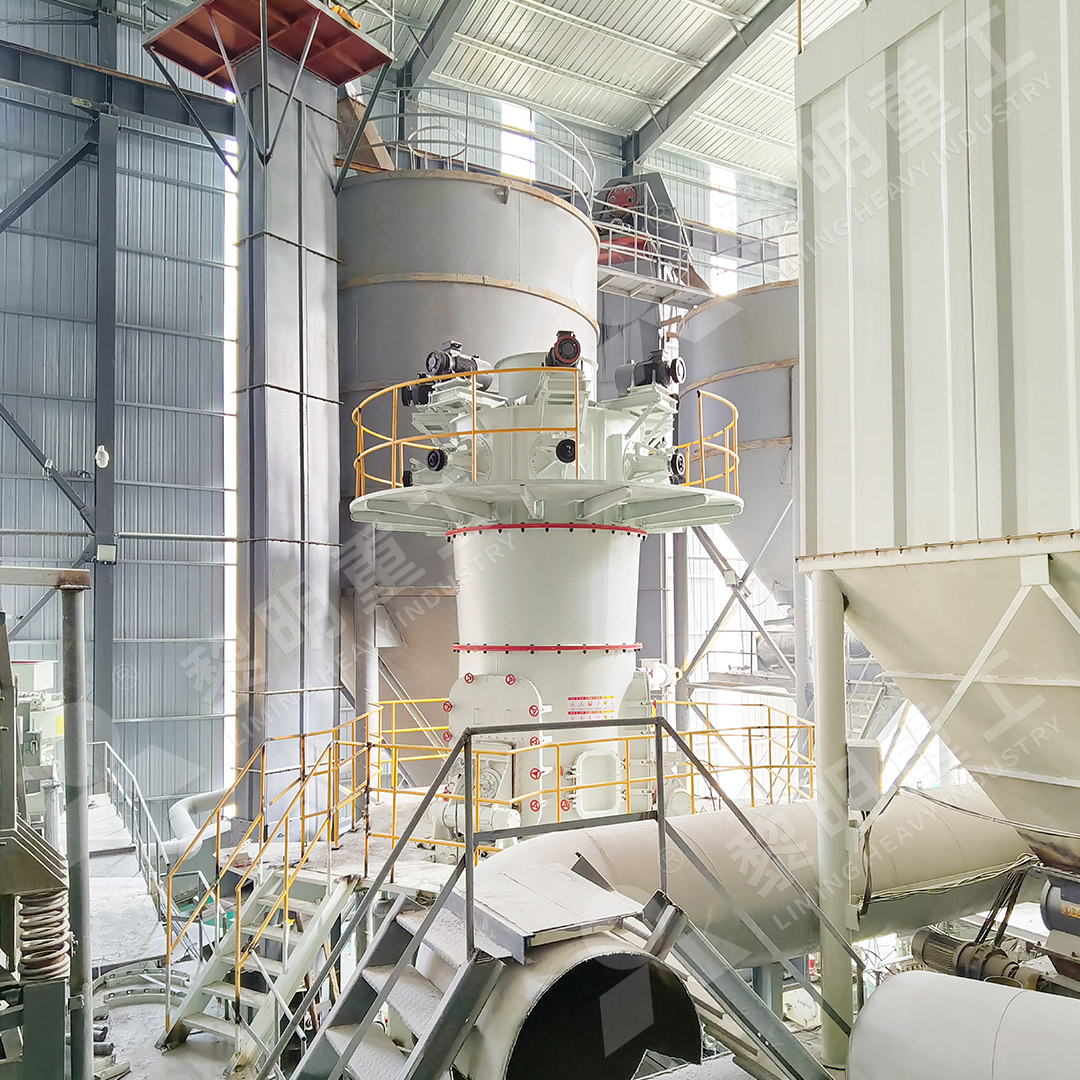
Reliability is engineered into every component. The GRM33.4S features a double limiting technology that prevents destructive contact between the roller and millstone during unexpected vibration, ensuring operational stability. Its maintenance-friendly design, including a reversible structure for easy roller servicing, minimizes downtime. The mill operates under negative pressure and is equipped with a high-efficiency pulse dust collector and silencer system. This configuration guarantees a dust-free workshop and keeps noise emissions well within environmental standards, aligning with modern green manufacturing practices.
Broad Spectrum of Applications
The versatility of the GRM33.4S is one of its greatest strengths. It is expertly suited for grinding a wide variety of non-metallic minerals with Mohs hardness below 7 and moisture content below 10%. Key application areas include:
- Industrial Minerals: Efficiently processes limestone, calcite, dolomite, kaolin, gypsum, barite, marble, and feldspar into fine and ultra-fine powders.
- Energy Sector: Used for pulverizing coal for fuel injection in kilns and boilers, as well as for grinding desulfurization limestone powder in power plants.
- Advanced Materials: Produces high-purity powders for the chemical industry, rubber, plastics, paints, coatings, and pharmaceuticals.
Complementary Solutions for Specific Needs
While the GRM33.4S excels in general fine grinding, specific projects may demand specialized equipment. For operations requiring even finer particle sizes or processing of softer minerals, we highly recommend considering our MW Ultrafine Grinding Mill. This machine is engineered for customers dedicated to producing ultra-fine powder. It boasts a unique design with no rolling bearings or screws in the grinding chamber, eliminating related failure points. With an adjustable fineness range of 325-2500 meshes and a system energy consumption reported to be only 30% of some jet mills, the MW series is a powerhouse for high-value, ultra-fine powder production in industries like cosmetics, advanced ceramics, and electronics.
For projects involving slag or coal grinding where drying is a concurrent requirement, our LM Vertical Coal Mill and LM Vertical Slag Mill series offer integrated drying and grinding capabilities. These mills are renowned for their simple operation, high grinding efficiency, and stable product quality, making them ideal for large-scale power plants and cement/steel plants focused on industrial byproduct utilization.
In conclusion, the GRM33.4S Vertical Roller Mill represents a holistic solution for modern powder processing needs. Its blend of energy efficiency, product quality control, operational reliability, and environmental compliance makes it a smart, long-term investment for producers aiming to enhance their competitiveness in a global market.
Frequently Asked Questions (FAQs)
- What is the typical feed size for the GRM33.4S Vertical Roller Mill?
The mill can typically handle feed materials with a maximum size of up to 5-10% of the grinding roller diameter, often in the range of 0-50mm, depending on material hardness and abrasiveness. - How does the energy consumption compare to a traditional ball mill?
The GRM33.4S is significantly more energy-efficient, generally consuming 30% to 40% less power than a ball mill system producing the same quantity and fineness of product, thanks to its efficient grinding principle and integrated design. - Can the mill handle moist materials?
Yes, the mill integrates a drying function. Hot gas from a dedicated hot air generator or other heat source can be introduced into the grinding chamber to dry materials with moisture content typically up to 10-15% during the grinding process. - What is the maintenance interval for the grinding rollers and table?
Due to the wear-resistant alloy used and the low-wear grinding principle, the service life of these components is extensive. Maintenance intervals vary based on material abrasiveness but are considerably longer than in high-impact milling systems. The reversible roller design also allows for partial wear compensation and easier servicing. - How is the product fineness controlled and adjusted?
Fineness is primarily controlled by the speed of the dynamic powder separator located at the top of the mill. Adjusting the rotor speed via the PLC system changes the centrifugal force, allowing for quick and precise fineness adjustment without stopping production. - Is the system environmentally friendly?
Absolutely. The entire milling circuit operates under negative pressure, preventing dust escape. It is equipped with a high-efficiency bag filter or pulse dust collector, ensuring emissions are far below national and international standards. Noise levels are also managed through sound insulation measures.