
Feldspathic Sandstone Grinding Mill: A Comprehensive Guide to Universal Milling Solutions
We provide a wide range of mills — including Raymond mill, trapezoidal mill, vertical mill, ultrafine mill, and ball mill, obtained ISO9001 international quality certification, EU CE certification, and Customs Union CU-TR certification. Suitable for processing minerals such as limestone, phosphate, quicklime, kaolin, talc, barite, bentonite, calcium carbonate, dolomite, coal, gypsum, clay, carbon black, slag, cement raw materials, cement clinker, and more.
The discharge range of these mills can be adjusted to meet specific processing needs, typically from 80-400 mesh, 600-3250 mesh, and can achieve the finest particle size of up to 6000 mesh(D50).
If you are looking for a reliable grinding solution to turn stone or minerals into fine powder, please feel free to contact our online customer service.
Feldspathic Sandstone Grinding Mill: A Comprehensive Guide to Universal Milling Solutions
In the demanding world of mineral processing, selecting the right grinding equipment is paramount to operational success, profitability, and environmental stewardship. Feldspathic sandstone, a crucial raw material for ceramics, glass, and fillers, presents unique challenges due to its variable hardness and the stringent fineness requirements of its end-use applications. This guide explores the critical considerations for milling this material and highlights advanced technological solutions that set new industry standards.
The Unique Challenges of Feldspathic Sandstone Milling
Feldspathic sandstone is an aggregate of quartz and feldspar grains, often cemented by silica or calcium carbonate. Its abrasive nature demands wear-resistant mill components, while the need for ultra-fine powders in high-value applications (often ranging from 325 to 2500 meshes) requires exceptional classification precision. Traditional grinding methods, such as ball mills, often struggle with efficiency, producing excessive heat, high iron contamination from mechanical wear, and uncontrolled particle size distribution. Furthermore, the industry’s shift towards greener operations necessitates solutions that minimize dust, noise, and energy consumption—a tall order for older milling technologies.
Evolution of Milling Technology: From Crushing to Precision Powder Production
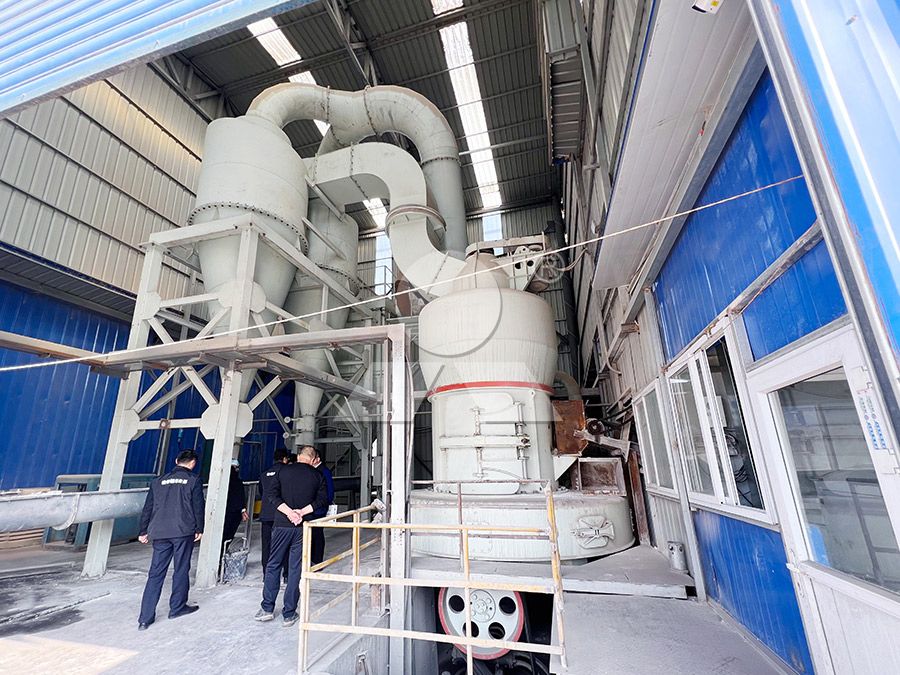
The journey from raw rock to consistent, high-purity powder has been revolutionized by vertical roller mill and advanced trapezium mill designs. The core advancement lies in moving away from simple impact and attrition towards a combination of compression, shear, and highly efficient air classification. Modern mills integrate drying (if needed), grinding, classifying, and conveying into a single, compact system. This integration not only saves floor space but also reduces thermal loss and improves overall system efficiency. Key innovations include:
- Precision Grinding Curves: Computer-optimized profiles for grinding rollers and rings maximize contact efficiency and material bed formation, leading to higher yield with lower specific energy consumption.
- Advanced Classifier Technology: Multi-head cage-type or rotor-type separators allow for real-time, precise control over final product fineness, enabling a single mill to produce a wide range of powder grades.
- Intelligent Lubrication & Maintenance Designs: External lubrication systems and reversible roller assemblies drastically reduce downtime for maintenance and component replacement.
Introducing the MW Ultrafine Grinding Mill: A Paradigm for Ultra-Fine Production
For operations targeting the finest powder specifications with uncompromising purity, the MW Ultrafine Grinding Mill represents a leap forward. Engineered for materials like high-purity feldspathic sandstone, this mill is designed to produce powders between 325 and 2500 meshes with exceptional efficiency.
Its defining feature is a grinding chamber deliberately engineered without rolling bearings or screws. This brilliant design eliminates the primary failure points and sources of contamination common in other mills. Operators are freed from worries about bearing seal failures or loose screws causing catastrophic damage. Complementing this is an externally mounted lubricating device that allows for maintenance without shutdown, supporting continuous 24/7 production cycles—a critical factor for high-volume processing plants.
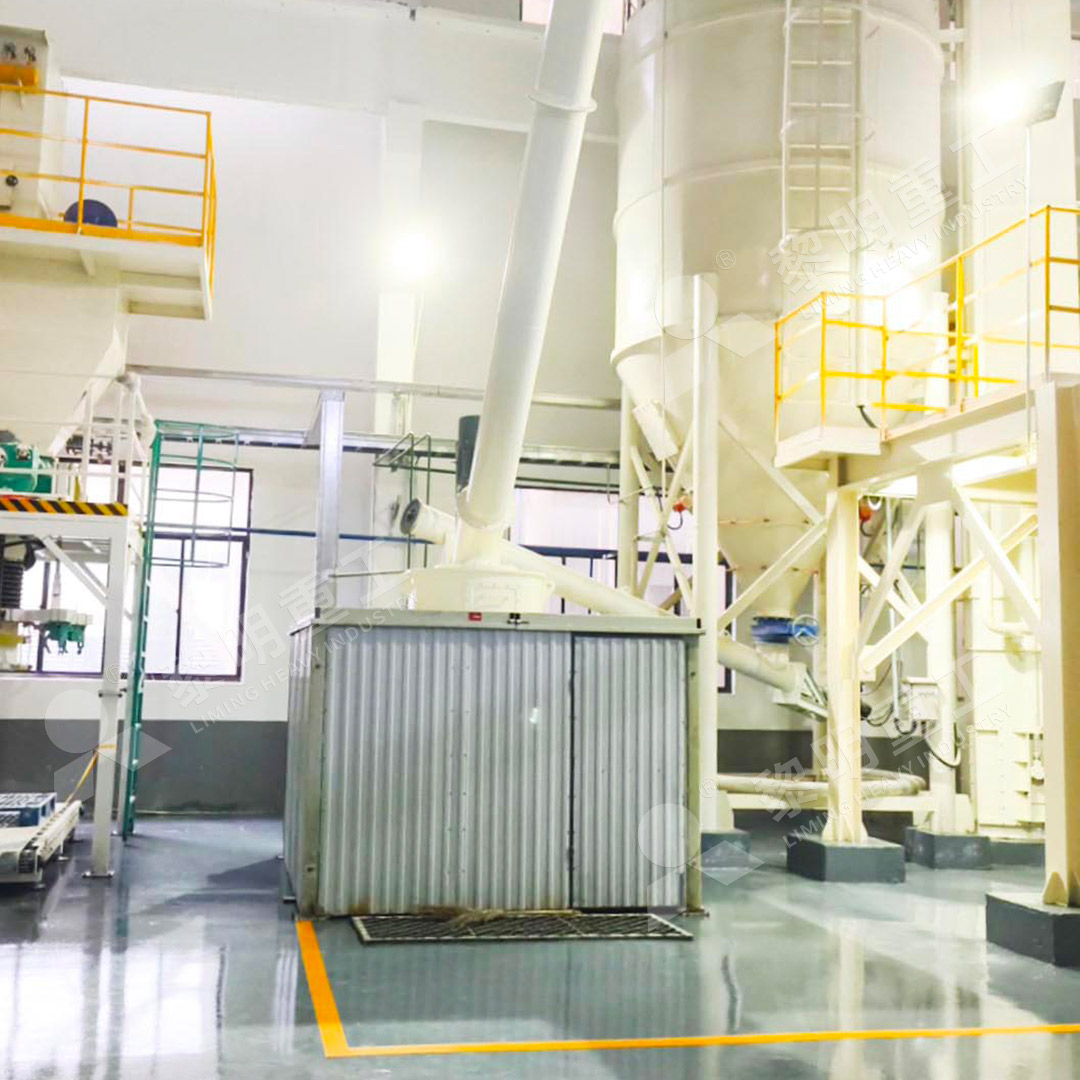
The MW Mill’s performance metrics are compelling. It achieves a production capacity 40% higher than jet or stirred mills at the same power and fineness, and doubles the output of a traditional ball mill, while reducing system energy consumption by up to 70%. For feldspathic sandstone processing, this translates directly to lower operational costs and a smaller carbon footprint. The integrated high-efficiency pulse dust collector and silencer system ensure the entire process meets stringent environmental standards, containing dust and mitigating noise pollution.
The Versatility of the MTW-Z European Trapezium Mill for Robust Performance
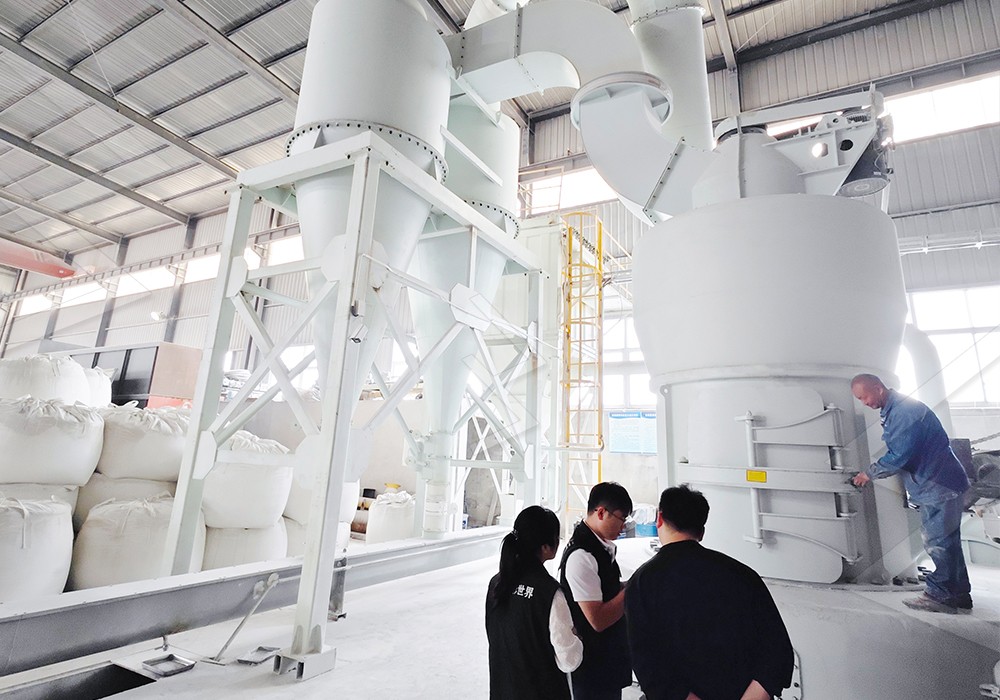
When the application requires robust, high-capacity grinding of feldspathic sandstone for construction materials or coarser filler applications, the MTW-Z European Trapezium Mill stands out. This mill is built for stability and lower long-term operating costs. Its patented elastic volute damping structure absorbs vibrational energy, protecting the mill’s structural integrity and ensuring smooth, consistent operation even with variable feed materials.
A key innovation is its dilute oil lubrication system for the grinding rollers. This technology, a step above traditional grease lubrication, provides more efficient cooling and lubrication, is virtually maintenance-free, and significantly extends the service life of these critical wear parts. Combined with a large-diameter grinding roller design that increases the grinding area and a low-resistance cage-type powder concentrator, the MTW-Z delivers higher grinding efficiency and lower energy consumption per ton of processed material.
Making the Strategic Choice: Factors Beyond the Machine
Selecting the ideal mill extends beyond technical specifications. Successful implementation hinges on a supplier’s commitment to digital manufacturing precision, ensuring every component—especially core parts like grinding rollers and rings—is machined to exacting tolerances for optimal fit and longevity. Perhaps most critical is after-sales support. A comprehensive supply of genuine spare parts and expert technical service is what transforms a high-performance machine into a worry-free, long-term asset. This holistic approach to grinding solutions ensures maximum uptime and protects your investment for years to come.
In conclusion, modernizing your feldspathic sandstone grinding circuit with advanced milling technology is no longer a luxury but a necessity for staying competitive. By focusing on energy efficiency, product purity, operational stability, and environmental compliance, mills like the MW Ultrafine and the MTW-Z European Trapezium provide a clear path to superior productivity and sustainable profit.
Frequently Asked Questions (FAQ)
1. What is the typical input size and capacity for grinding feldspathic sandstone in the MW Ultrafine Grinding Mill?
The MW Ultrafine Grinding Mill is designed to handle feed sizes from 0-20 mm. Its production capacity is highly flexible, ranging from 0.5 to 25 tons per hour, depending on the desired final fineness and the specific characteristics of the sandstone.
2. How does the MW Mill prevent iron contamination in the final powder, which is critical for ceramics?
The MW Mill features a unique chamber design with no rolling bearings or internal screws. This eliminates the most common mechanical sources of iron wear debris. Additionally, the use of wear-resistant alloys for grinding components and the non-contact design of the classification system ensure minimal iron introduction, preserving the whiteness and purity of the feldspathic sandstone powder.
3. Can these mills handle the abrasive nature of feldspathic sandstone without excessive wear?
Yes. Both the MW and MTW-Z mills are constructed with wear-resistant technologies. They utilize specially developed, high-performance alloys for grinding rollers and rings, and designs that promote material-bed grinding rather than direct metal-to-abrasive contact, significantly extending service life and reducing maintenance frequency compared to traditional mills.
4. How is environmental control managed during the grinding process?
Modern mills like the MW series are equipped as standard with efficient pulse-jet dust collectors that capture over 99.9% of process dust, ensuring clean emission. Integrated mufflers and sound-dampening enclosures control noise. The entire system operates under negative pressure, preventing any dust spillage into the plant environment.
5. What level of automation and control can be expected?
These mills support advanced automation. The fineness can be precisely adjusted in real-time via the PLC-controlled classifier speed. Grinding pressure and feed rates can also be automated and monitored remotely, allowing for consistent product quality, operational safety, and easy integration into plant-wide control systems.