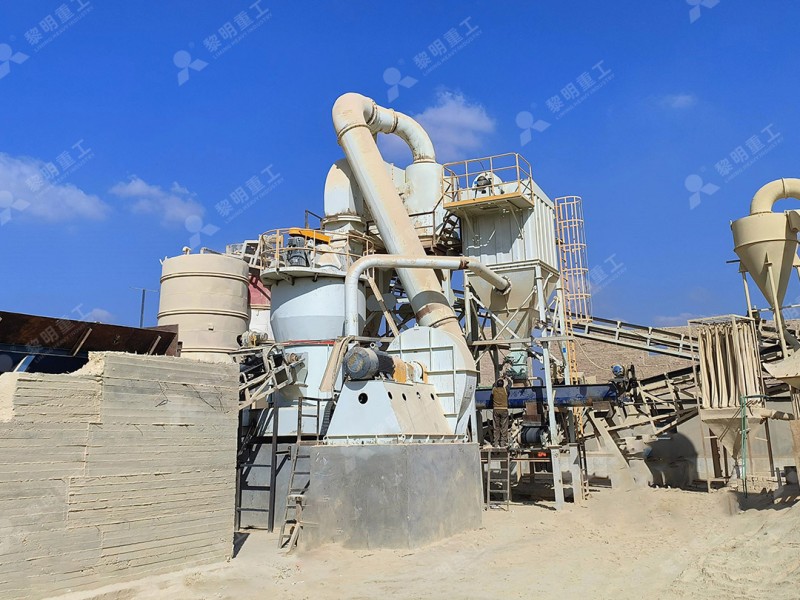
Limestone Grinding Mills: Producing 200-325 Mesh Powder for Industrial Applications
We provide a wide range of mills — including Raymond mill, trapezoidal mill, vertical mill, ultrafine mill, and ball mill, obtained ISO9001 international quality certification, EU CE certification, and Customs Union CU-TR certification. Suitable for processing minerals such as limestone, phosphate, quicklime, kaolin, talc, barite, bentonite, calcium carbonate, dolomite, coal, gypsum, clay, carbon black, slag, cement raw materials, cement clinker, and more.
The discharge range of these mills can be adjusted to meet specific processing needs, typically from 80-400 mesh, 600-3250 mesh, and can achieve the finest particle size of up to 6000 mesh(D50).
If you are looking for a reliable grinding solution to turn stone or minerals into fine powder, please feel free to contact our online customer service.
Limestone Grinding Mills: Producing 200-325 Mesh Powder for Industrial Applications
In the world of industrial minerals, the ability to produce consistent, high-quality fine powders is paramount. Limestone, a versatile and widely used material, finds applications ranging from construction and agriculture to plastics, paints, and pharmaceuticals. A critical step in its processing is grinding it to a specific fineness, most commonly between 200 and 325 mesh. This grade offers an ideal balance of surface area and particle size for numerous chemical reactions and filler applications. Selecting the right grinding equipment is the key to achieving this efficiently and profitably.
The Challenge of Fine Grinding
Traditional grinding solutions like ball mills or early-generation Raymond mills often struggle with the efficiency demands of modern production. They can be energy-intensive, have limited adjustment capabilities, and may introduce contaminants from mechanical wear. For operations targeting the precise 200-325 mesh range, factors like energy consumption per ton, ease of maintenance, and environmental controls become major deciding factors. The goal is a system that delivers high yield with low operational costs and minimal downtime.
Advanced Technology for Superior Results
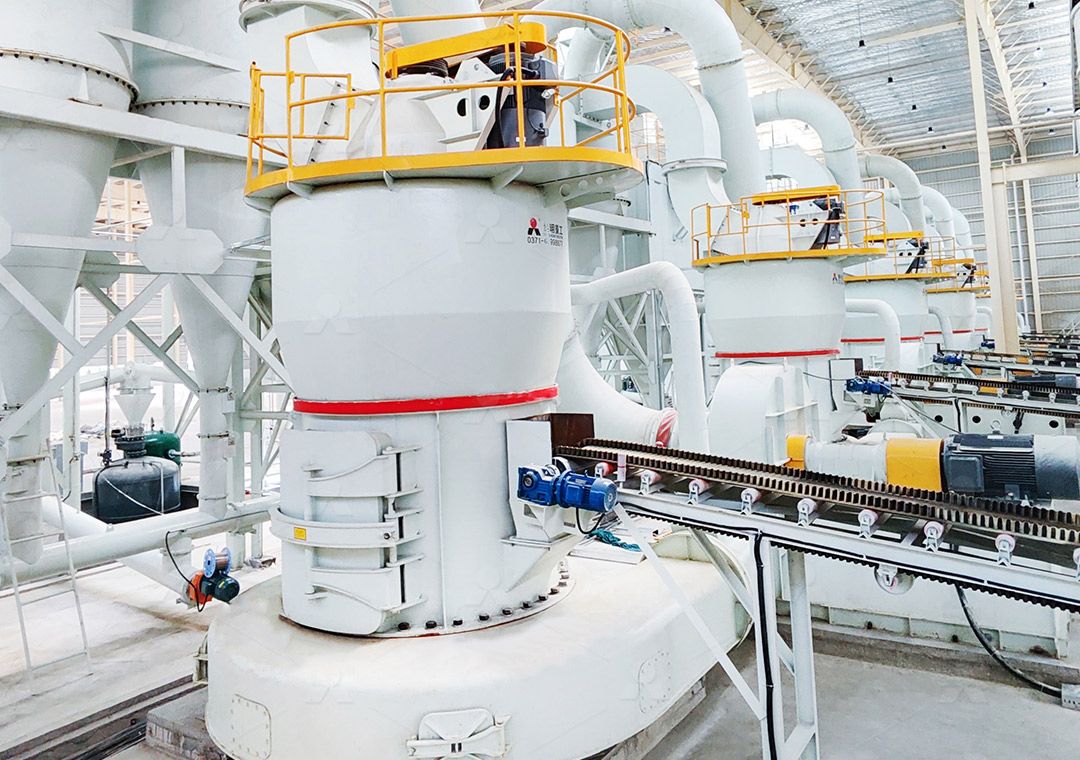
This is where advanced grinding mill technology truly shines. Modern mills are engineered to tackle these exact challenges. For operations focused on producing 200-325 mesh limestone powder, two standout performers in our lineup are the MW Ultrafine Grinding Mill and the LUM Ultrafine Vertical Grinding Mill.
The MW Ultrafine Grinding Mill is a beast designed for making ultra-fine powder. It handles input sizes up to 20mm with a capacity ranging from 0.5 to 25 tons per hour. Its genius lies in its German-designed cage-type powder selector, which allows for precise fineness adjustment between 325 and an incredible 2500 meshes. For your 200-325 mesh needs, this means exceptional control and consistency. A major advantage is its design—there are no rolling bearings or screws in the grinding chamber. This eliminates a whole class of potential failures and maintenance headaches. Furthermore, its efficient pulse dust collector and muffler make the entire production process cleaner and quieter, meeting strict environmental standards without a hitch.
Vertical Integration for Maximum Efficiency
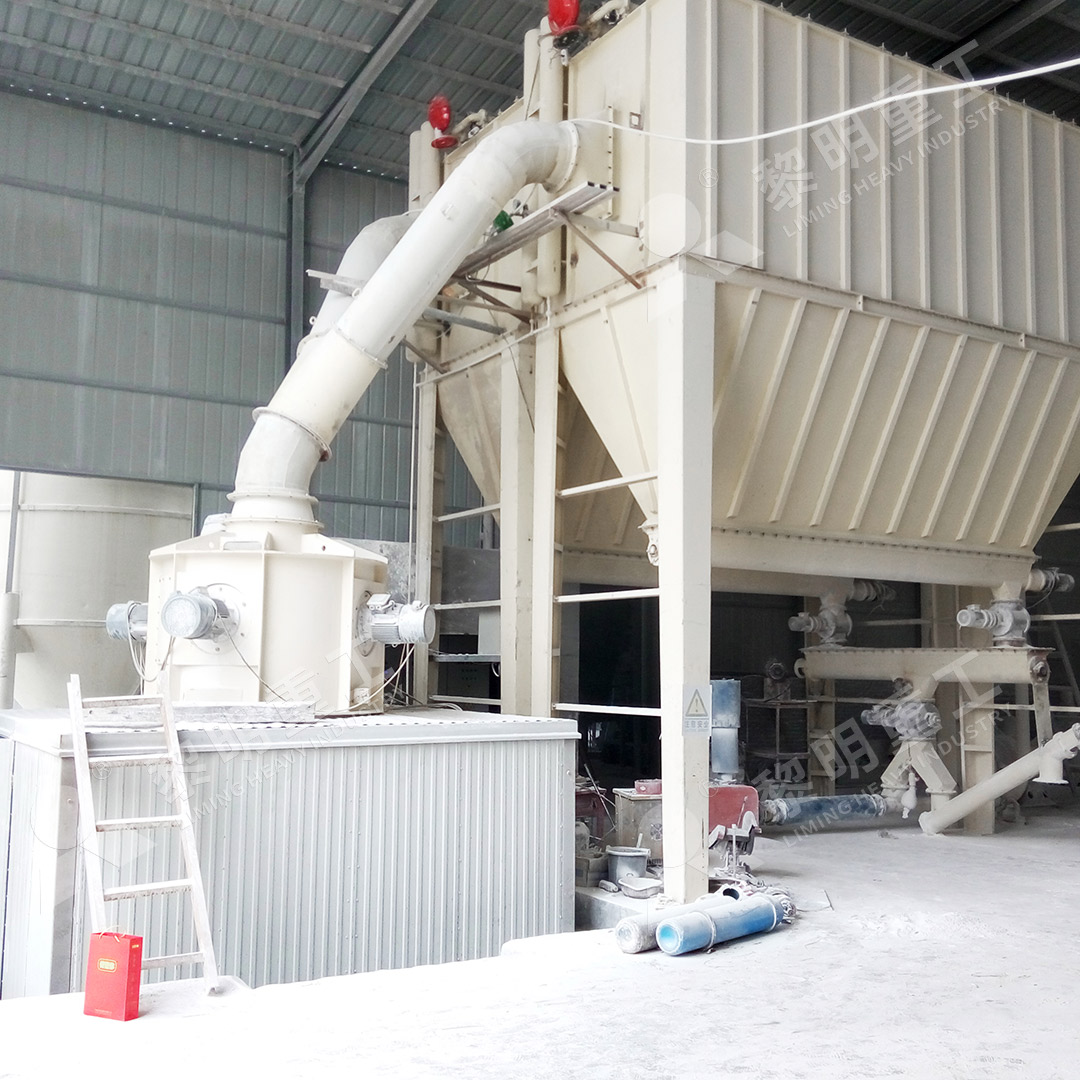
For another robust option, consider the LUM Ultrafine Vertical Grinding Mill. With an input size of 0-10mm and a capacity of 5-18 tph, it integrates grinding, grading, and transporting into one highly efficient package. It utilizes the latest grinding roller and powder separating technology to deliver a higher yielding rate and better product quality. Its unique roller shell and lining plate grinding curve are easier to generate a material layer, enabling a high rate of finished product in a single pass. This efficiency translates directly to lower energy consumption—30% to 50% less than common grinding mills. Its double position-limiting technology also ensures incredibly stable operation, protecting the mill from disruptive vibrations.
Both mills exemplify our commitment to digitalized processing for higher precision and are backed by our sufficient supply of original spare parts for worry-free, continuous operation.
Conclusion
Choosing the right mill for producing 200-325 mesh limestone powder is a strategic decision that impacts your bottom line, product quality, and environmental footprint. Moving beyond outdated technology to advanced solutions like the MW or LUM Ultrafine Mills offers a clear path to higher yields, significantly lower energy costs, and a more automated, cleaner operation. It’s an investment in precision, reliability, and sustainable production.