
Overhaul Residue Raymond Mill: Optimized Grinding Solution for Secondary Aluminum Processing
We provide a wide range of mills — including Raymond mill, trapezoidal mill, vertical mill, ultrafine mill, and ball mill, obtained ISO9001 international quality certification, EU CE certification, and Customs Union CU-TR certification. Suitable for processing minerals such as limestone, phosphate, quicklime, kaolin, talc, barite, bentonite, calcium carbonate, dolomite, coal, gypsum, clay, carbon black, slag, cement raw materials, cement clinker, and more.
The discharge range of these mills can be adjusted to meet specific processing needs, typically from 80-400 mesh, 600-3250 mesh, and can achieve the finest particle size of up to 6000 mesh(D50).
If you are looking for a reliable grinding solution to turn stone or minerals into fine powder, please feel free to contact our online customer service.
Introduction: The Challenge of Overhaul Residue in Aluminum Recycling
The secondary aluminum industry faces a persistent challenge: what to do with the residue left over from smelting and refining processes. This material, often called overhaul residue or aluminum dross, contains a mix of metallic aluminum, oxides, salts, and other non-metallic compounds. For years, many operators viewed this byproduct as waste, sending it to landfills or paying for costly disposal. But that mindset is shifting. With rising raw material costs and stricter environmental regulations, recovering value from overhaul residue has become both an economic necessity and an environmental imperative.
Grinding this material into a fine, usable powder unlocks its potential. The recovered aluminum can go back into the smelting process, while the non-metallic fraction finds applications in construction materials, refractories, or as a filler. The key lies in having the right milling equipment. Standard crushers and ball mills often fall short when dealing with the abrasive, sticky, and heterogeneous nature of overhaul residue. That is where the need for an optimized, purpose-built grinding solution becomes clear.
Why Raymond Mill Technology Fits the Task
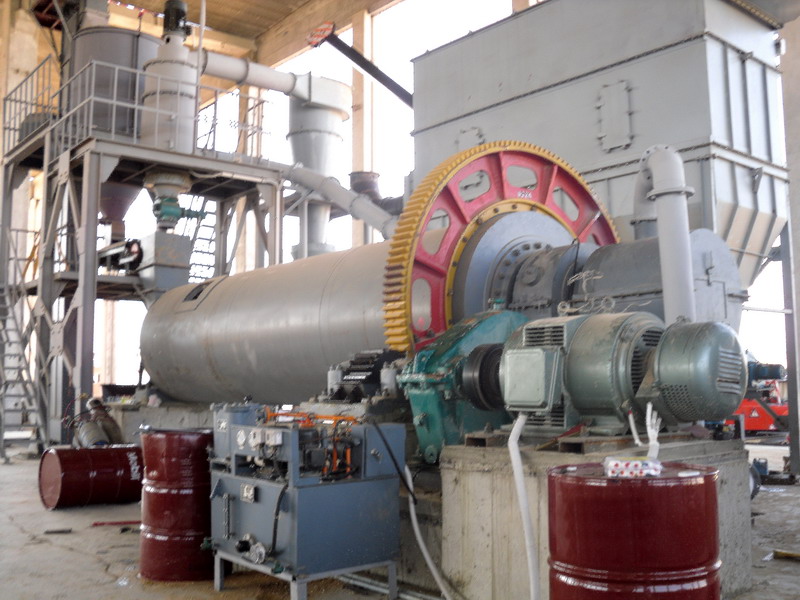
The Raymond mill, a workhorse in the minerals processing industry for over a century, has proven remarkably adaptable to the demands of secondary aluminum processing. Its robust design handles the abrasive nature of overhaul residue. The core principle is straightforward: material feeds into the grinding chamber, where oscillating rollers press against a stationary grinding ring. The centrifugal force generated by the rotating spindle drives the rollers outward, crushing the material between them.
What makes a modern Raymond mill suitable for overhaul residue is not just the basic mechanism, but the refinements. Traditional Raymond mills suffered from high wear rates and frequent maintenance shutdowns. Today’s optimized versions, like the MTW European Trapezium Grinding Mill from LIMING, address these pain points directly. For instance, the MTW mill uses split-type cambered shovel blades that enlarge the working area, improving production efficiency when grinding tough materials. Its pneumatic sealing device also eliminates coarse powder spilling, ensuring consistent quality in the final product. With an input size capability of up to 50 mm and a capacity range of 3-55 tph, this mill can handle the throughput demands of medium to large recycling operations.
Key Optimizations for Overhaul Residue Grinding
Overhaul residue is not a forgiving material. It contains metallic aluminum, which can smear and clog equipment, along with abrasive oxides and salt fluxes that accelerate wear. An optimized grinding solution must address these issues head-on.
1. Wear-Resistant Components and Longer Service Life
Standard grinding rollers and rings wear down quickly when processing overhaul residue. LIMING has addressed this by developing wear-resistant alloy components in collaboration with scientific institutes. The grinding rollers and rings used in the MTW European Trapezium Grinding Mill last 1.7 to 2.5 times longer than traditional high-manganese steel parts. The split structure design of vulnerable spare parts also reduces replacement costs. For operations running 24/7, this translates directly into less downtime and lower maintenance budgets.
Further, the MTW mill uses dilute oil lubrication for the grinding roller system. This technology is maintenance-free in daily operation. Unlike grease lubrication, which requires frequent reapplication, oil bath lubrication keeps the bearings cool and clean, reducing the risk of overheating and failure during long grinding sessions.
2. Energy Efficiency and Reduced Operating Costs
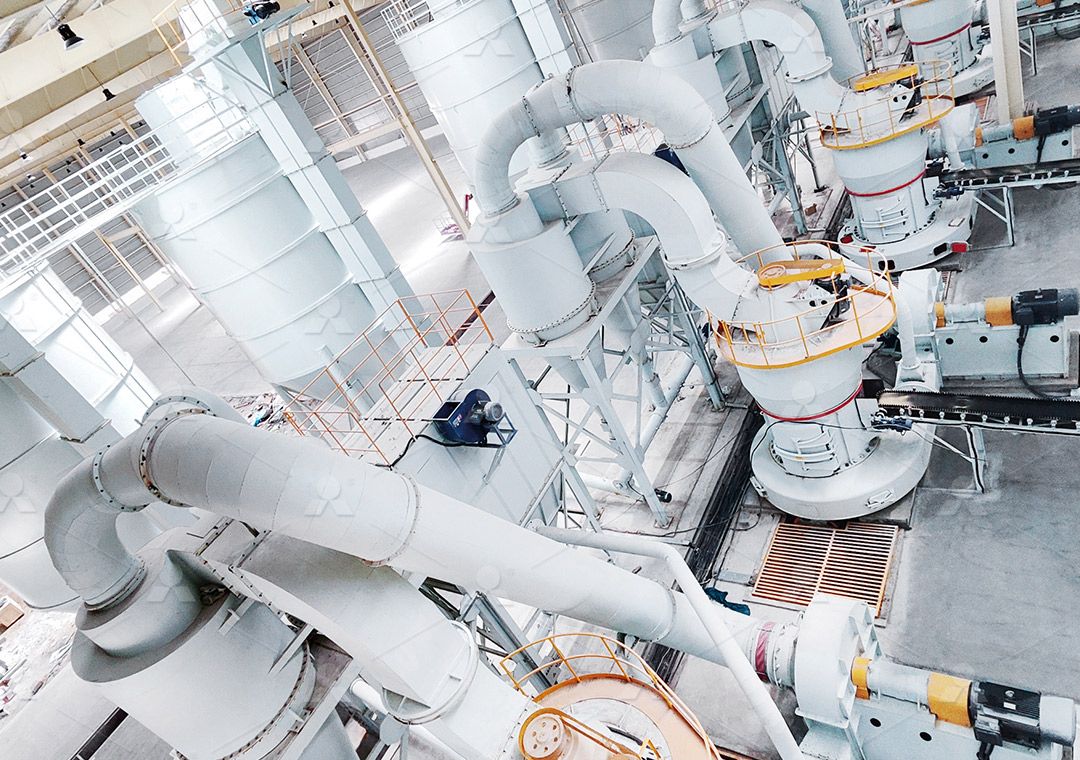
Grinding overhaul residue is energy-intensive. Every kilowatt-hour saved improves the bottom line. The MTW European Trapezium Mill employs a cambered air duct design with low resistance. Air enters the grinding chamber tangentially, creating a smooth flow that disperses material effectively without piling. This simple design change reduces system energy consumption compared to traditional straight duct mills.
Additionally, the cage-type powder concentrator used in this mill delivers high separation efficiency with lower electricity demand. When processing the same feed material to the same fineness, this concentrator draws less power than blade-type alternatives. For an aluminum recycler processing thousands of tons annually, these energy savings add up quickly.
Addressing Environmental and Operational Concerns
Environmental compliance is a major driver in the secondary aluminum industry. Dust emissions, noise, and waste disposal all fall under regulatory scrutiny. An optimized grinding solution must operate cleanly.
3. Dust Control and Noise Reduction
The MTW European Trapezium Grinding Mill is equipped with a professional dust remover that achieves a low concentration of dust emission. The entire system operates under negative pressure, meaning no dust spills into the work environment. This is critical when grinding overhaul residue, which can contain fine metallic and salt particles that pose inhalation risks.
Noise levels are also a concern. The mill’s compact bevel gear transmission reduces mechanical noise, and the overall system design keeps vibration low. For facilities located near residential areas or subject to strict noise ordinances, this feature is invaluable.
4. Reduced Floor Space and Simplified Layout
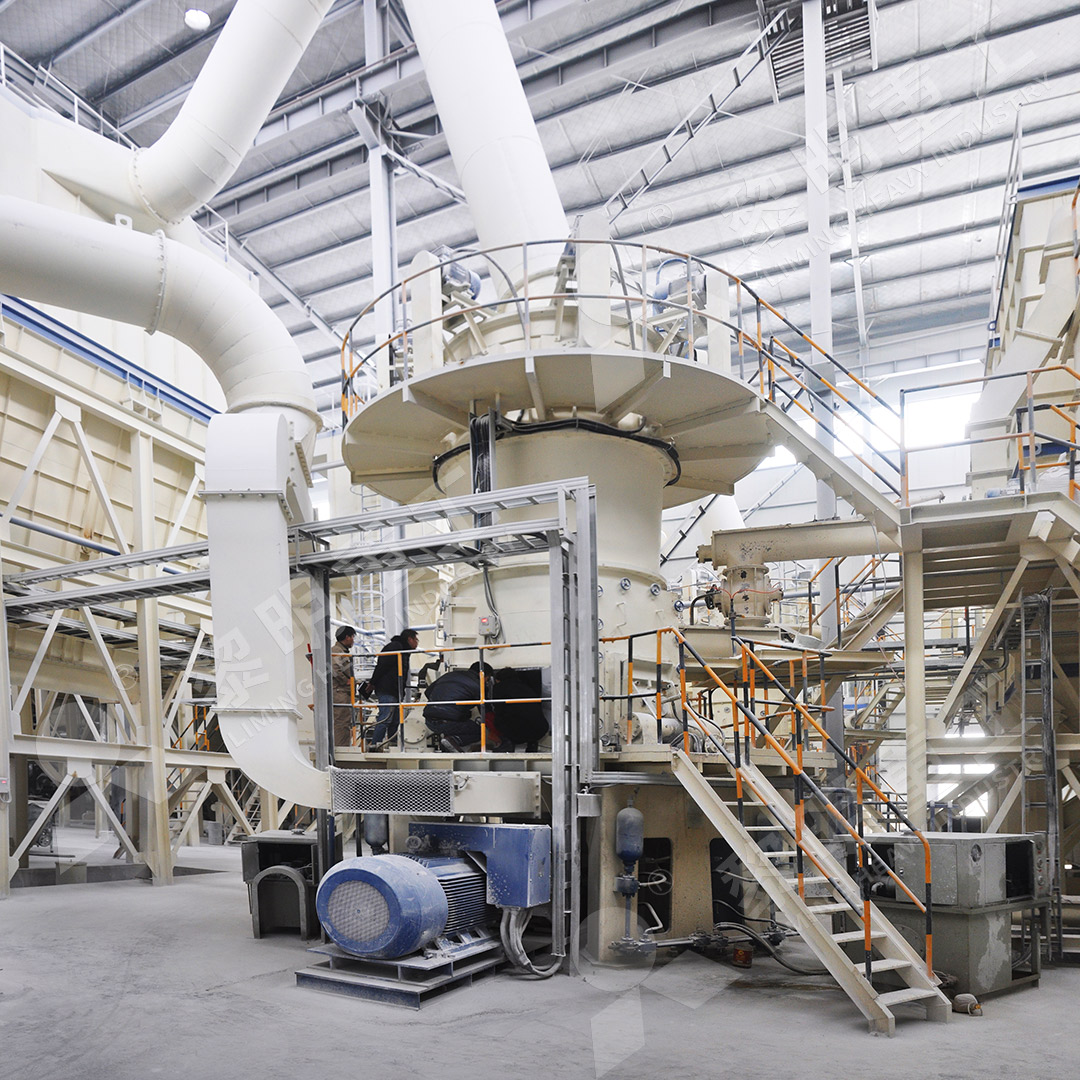
Space is often at a premium in recycling plants. The MTW mill uses whole transmission by bevel gear, which results in a more compact structure. It occupies less floor area than equivalent ball milling systems. This compact design also simplifies installation and allows the mill to be integrated into existing production lines without major civil works.
Practical Steps for Implementing an Overhaul Residue Grinding Line
Moving from concept to production requires careful planning. Here is a typical workflow for setting up a grinding line using an optimized Raymond mill.
- Feed Preparation: Overhaul residue often arrives in large chunks. A jaw crusher reduces the material to under 50 mm, which is the maximum feed size for the MTW mill. An electromagnetic vibrating feeder then meters the material evenly into the grinding chamber.
- Grinding and Classification: Inside the mill, the rollers and ring crush the material. The airflow carries the ground particles to the separator. Coarse particles drop back for regrinding, while fine powder passes through to the cyclone collector. The fineness can be adjusted by changing the separator rotor speed.
- Product Collection: Finished powder exits through a discharge valve. The airflow, still carrying a small amount of dust, passes through a bag filter or pulse dust collector before being exhausted. The entire system is closed-loop, minimizing material loss and environmental impact.
- Maintenance Planning: With the MTW mill’s extended wear life and accessible components, schedule routine checks on roller shells and ring liners. The split structure of vulnerable parts allows for quick replacements, often during planned downtime rather than emergency shutdowns.
A More Advanced Alternative: LUM Ultrafine Vertical Grinding Mill
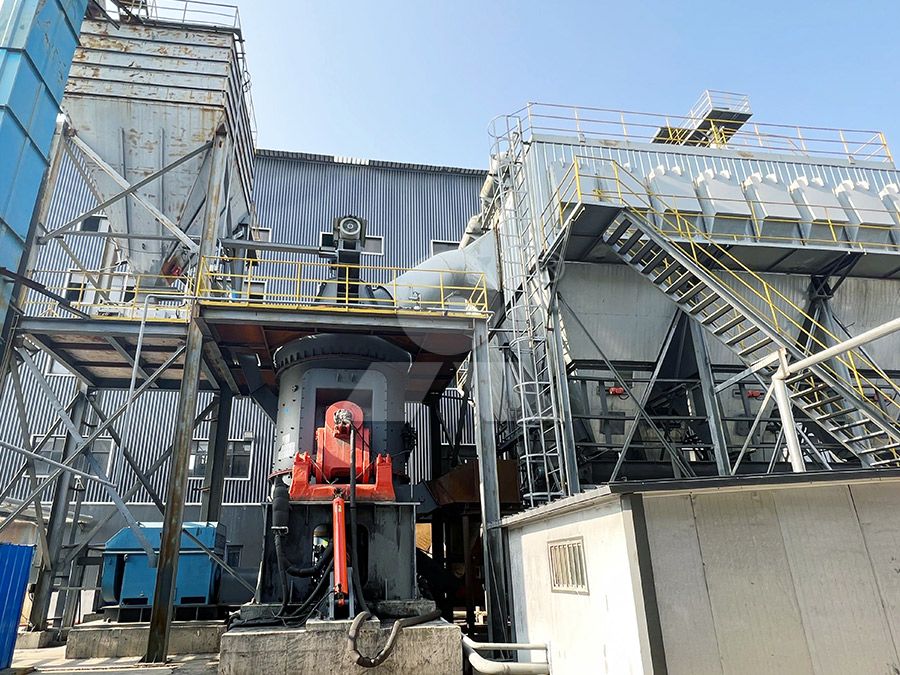
For operations that require an even finer product, or where the overhaul residue contains a high proportion of metallic fines, the LUM Ultrafine Vertical Grinding Mill offers distinct advantages. This mill integrates ultrafine grinding, grading, and conveying into one unit. Its vertical design uses a grinding table and rollers, creating a material bed that crushes particles through intergranular friction. The product fineness can reach d97≤5μm.
The LUM mill adopts Taiwan grinding roller technology and German powder separating technology. It uses PLC control and multi-head powder separating to accurately control grind pressure and speed. For secondary aluminum processors who need to produce high-value ultrafine powders for applications like coatings or chemical additives, the LUM mill reduces energy consumption by 30-50% compared to common grinding mills. Its reversible structure also simplifies maintenance by allowing the heavy grinding rollers to be moved out of the body easily for shell and liner replacement.
Conclusion: Turning Residue into Resource
Overhaul residue from secondary aluminum processing is not a waste problem; it is a resource opportunity. With the right grinding technology, recyclers can recover metallic values, produce saleable byproducts, and reduce landfill obligations. The optimized Raymond mill design, exemplified by the MTW European Trapezium Grinding Mill, delivers the wear resistance, energy efficiency, and reliability needed for this demanding application. For those targeting ultrafine products, the LUM Ultrafine Vertical Grinding Mill takes performance a step further. Both solutions are backed by LIMING’s commitment to digital precision manufacturing and a full supply of spare parts, ensuring worry-free operation month after month.
The industry is moving toward zero-waste processing. Your grinding line is the gateway to that future. Make sure it is built for the job.
FAQ: Overhaul Residue Grinding with Raymond Mill Technology
1. What is overhaul residue, and why is it difficult to grind?
Overhaul residue is a byproduct from secondary aluminum smelting. It contains metallic aluminum, aluminum oxides, salt fluxes, and other non-metallic contaminants. It is difficult to grind because the metallic components can smear and clog equipment, while the abrasive oxides accelerate wear on grinding parts. The heterogeneous nature of the material also makes achieving consistent fineness a challenge without proper classification.
2. Can a standard Raymond mill handle overhaul residue, or do I need an optimized version?
A standard Raymond mill can process overhaul residue, but it will likely suffer from high wear rates, frequent maintenance, and lower efficiency. An optimized version, like the MTW European Trapezium Grinding Mill, is specifically designed with wear-resistant alloys, improved lubrication systems, and better air flow management. These features make it far more suited to the demands of this application, reducing overall operating costs.
3. What is the typical capacity range for grinding overhaul residue with the MTW mill?
The MTW European Trapezium Grinding Mill has a capacity range of 3 to 55 tons per hour, depending on the feed size, material hardness, and desired fineness. For most overhaul residue operations, a mid-range setup processing 10-30 tph is common, but the mill can be scaled up or down to meet specific production targets.
4. How does the LUM Ultrafine Vertical Mill differ from the MTW mill for aluminum residue processing?
The LUM Ultrafine Vertical Grinding Mill is designed for finer products, achieving d97≤5μm. It uses a vertical grinding table and roller arrangement with intergranular crushing. It is more energy-efficient for ultrafine grinding, reducing power consumption by 30-50% compared to traditional mills. The MTW mill is better suited for general grinding applications where a product fineness of 80-400 mesh is acceptable. Choose LUM if you need ultra-fine powders for high-value applications; choose MTW for cost-effective bulk grinding.
5. What maintenance is required for the MTW mill when processing abrasive materials like overhaul residue?
Routine maintenance includes inspecting the grinding rollers and rings for wear, checking the split-type shovel blades, and verifying the condition of the pneumatic sealing device. The dilute oil lubrication system minimizes daily maintenance, but you should schedule regular oil changes and bearing checks. The split structure of vulnerable parts allows for quick replacement, typically during planned downtime. Most operators find that with proper maintenance, the mill operates reliably for years with minimal unscheduled interruptions.
6. Is the MTW mill environmentally friendly for use in an aluminum recycling plant?
Yes. The MTW European Trapezium Grinding Mill is equipped with a professional dust remover that keeps emissions low. The entire system operates under negative pressure, preventing dust from escaping into the work environment. The mill also produces lower noise levels due to its bevel gear transmission and compact design. These features help the mill comply with strict environmental regulations common in the secondary aluminum industry.
7. Can I integrate the MTW mill into an existing aluminum processing line?
Absolutely. The compact footprint of the MTW mill makes it easy to integrate into existing production lines. You will need a jaw crusher for feed preparation, an elevator or conveyor for material transfer, and a dust collection system. The mill’s design allows for outdoor installation, reducing building costs. LIMING can provide a customized layout plan to fit your specific site conditions.
8. What is the typical return on investment for upgrading to an optimized Raymond mill for overhaul residue?
Return on investment varies based on local energy costs, labor rates, and the value of recovered materials. However, operators typically see significant savings from reduced energy consumption (30-50% less than ball mills for similar tasks), lower maintenance costs due to extended wear life, and increased production uptime. Many facilities report a payback period of 12 to 18 months, with ongoing cost savings thereafter. The ability to produce saleable byproducts from previously discarded residue also adds a new revenue stream.