
Sandstone Vertical Mill Equipment for Efficient Powder Processing
We provide a wide range of mills — including Raymond mill, trapezoidal mill, vertical mill, ultrafine mill, and ball mill, obtained ISO9001 international quality certification, EU CE certification, and Customs Union CU-TR certification. Suitable for processing minerals such as limestone, phosphate, quicklime, kaolin, talc, barite, bentonite, calcium carbonate, dolomite, coal, gypsum, clay, carbon black, slag, cement raw materials, cement clinker, and more.
The discharge range of these mills can be adjusted to meet specific processing needs, typically from 80-400 mesh, 600-3250 mesh, and can achieve the finest particle size of up to 6000 mesh(D50).
If you are looking for a reliable grinding solution to turn stone or minerals into fine powder, please feel free to contact our online customer service.
Introduction to Sandstone Powder Processing
Sandstone, a sedimentary rock composed primarily of quartz and feldspar, is a versatile raw material used in construction, glass manufacturing, ceramics, and even in the production of high-grade industrial fillers. The demand for finely processed sandstone powder has surged in recent years, driven by its applications in paint, rubber, plastics, and adhesives. However, achieving consistent, ultra-fine powder with high efficiency and low energy consumption requires specialized equipment. Traditional ball mills or jet mills often fall short in terms of throughput, energy efficiency, or final product quality. This is where vertical mill technology, particularly the LUM Ultrafine Vertical Grinding Mill and the MW Ultrafine Grinding Mill, steps in to redefine the standards of sandstone processing.
Why Vertical Mill Equipment for Sandstone?
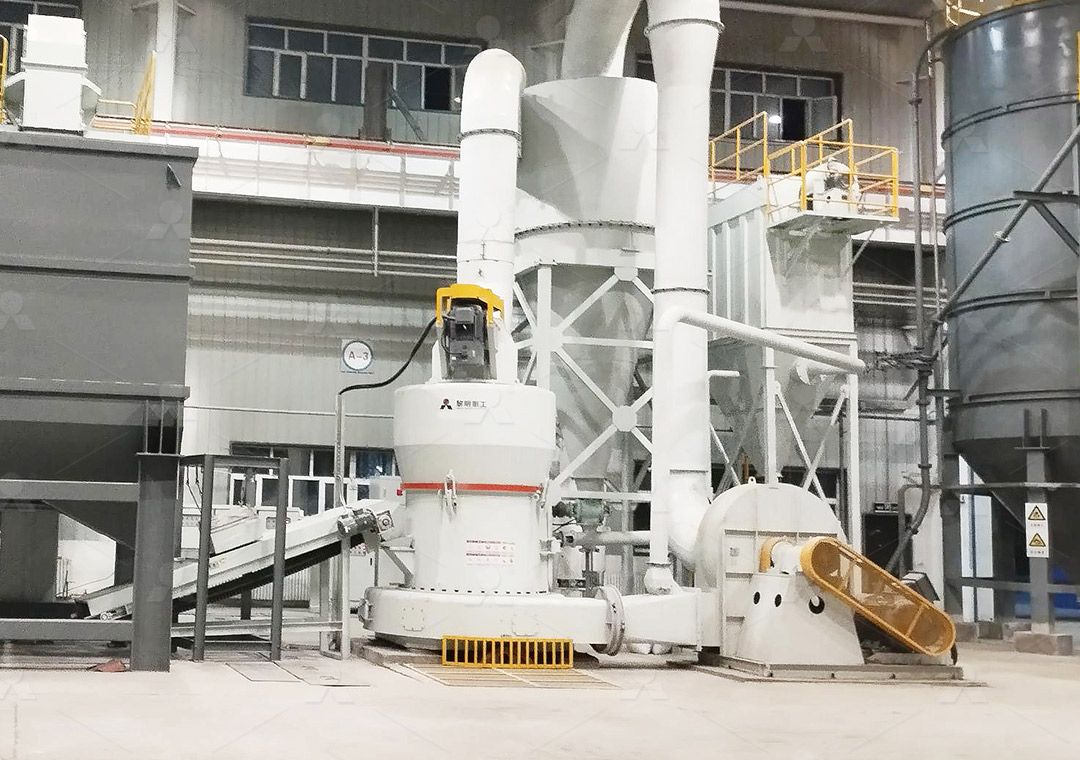
Vertical roller mills have revolutionized the grinding industry by offering a compact footprint, lower energy consumption, and superior powder quality compared to traditional ball mills. When processing sandstone, the key challenges include reducing the material from boulders or gravel (0-20 mm input size) to a fine powder between 325 and 2500 mesh (d97 ≤ 5 μm) while minimizing iron contamination and maintaining high whiteness. The LUM Ultrafine Vertical Grinding Mill addresses these challenges head-on. It integrates grinding, drying, classifying, and conveying into a single unit, reducing the overall investment cost by up to 50% compared to ball mill systems. Its unique roller shell and lining plate design promotes the formation of a stable material bed, which is crucial for efficient inter-particle grinding. This design also prevents the grinding roller from directly contacting the millstone under normal conditions, thereby reducing wear and extending the lifespan of wear parts.
For operations that require even higher capacity and coarser input sizes (up to 70 mm), the LM Vertical Grinding Mill offers a compelling alternative. It can handle sandstone feed up to 70 mm and achieve capacities ranging from 3 to 340 tph, making it ideal for large-scale industrial mineral processing plants. Its integrated drying capability is a boon when processing moist sandstone, as hot gases can be introduced directly into the mill to evaporate moisture during the grinding process. This eliminates the need for a separate drying step, streamlining the entire production line.
Key Technical Features for Efficient Sandstone Grinding
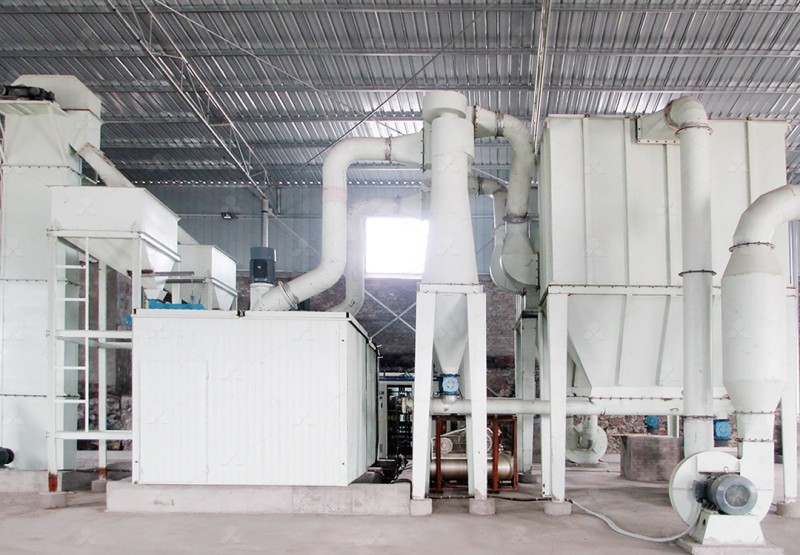
When selecting a vertical mill for sandstone, several technical features determine its overall efficiency and suitability for your application. First, consider the powder classifier. The LUM Ultrafine Vertical Grinding Mill employs a multi-head cage-type powder separator based on German technology. This allows for precise adjustment of the final product fineness, ranging from 325 mesh to 2500 mesh, with a screening rate of d97 ≤ 5 μm achievable in a single pass. This level of precision is critical for industries like cosmetics or high-grade paint where particle size distribution directly impacts product performance. The MW Ultrafine Grinding Mill also offers an adjustable fineness range from 325 to 2500 meshes, but it features a unique grinding chamber design that eliminates rolling bearings and screws. This means no downtime due to bearing seal failure or loose screws, and its external lubrication system allows for 24-hour continuous operation without shutdowns.
Second, the grinding roller and ring geometry plays a vital role. The LUM mill features a specially designed grinding curve that is easier to generate a material layer, ensuring consistent grinding pressure and higher yield rates. With the same power consumption, the LUM mill can achieve production rates 40% higher than jet mills and stirred mills. For larger throughput requirements, the LM Vertical Grinding Mill utilizes two pairs of grinding rollers, each pair composed of two narrow rollers mounted on the same axis. This design allows for the rollers to swing independently, maintaining a consistent grinding gap even as the liner and roller sleeve wear, which ensures that the grinding efficiency remains stable over time.
Environmental and Operational Benefits
Modern powder processing plants must comply with increasingly stringent environmental regulations. Both the LUM and MW series mills are equipped with efficient pulse dust collectors and silencers, ensuring that the entire milling system operates with zero dust pollution and minimal noise. The MW Ultrafine Grinding Mill, in particular, is designed with environmental protection as a core requirement, fully meeting national environmental protection standards. The negative-pressure operation in these vertical mills prevents dust from escaping into the workplace, creating a safer, cleaner environment for operators. Additionally, the use of numerical control machine tools for manufacturing ensures that every core component, from the grinding roller to the main shaft, is machined with high precision. This digitalized processing results in a more reliable machine with consistent performance and lower maintenance requirements over its lifespan.
We strongly recommend the LUM Ultrafine Vertical Grinding Mill for operations producing high-value, ultra-fine sandstone powder (d97 ≤ 5 μm) due to its superior classification efficiency and stable operation. For high-capacity industrial applications requiring a broader range of fineness and input sizes, the LM Vertical Grinding Mill is the optimal choice. Both machines are backed by LIMING’s comprehensive after-sales service and a robust supply of original spare parts, ensuring worry-free operation for years to come.
Working Principle of Vertical Sandstone Mills
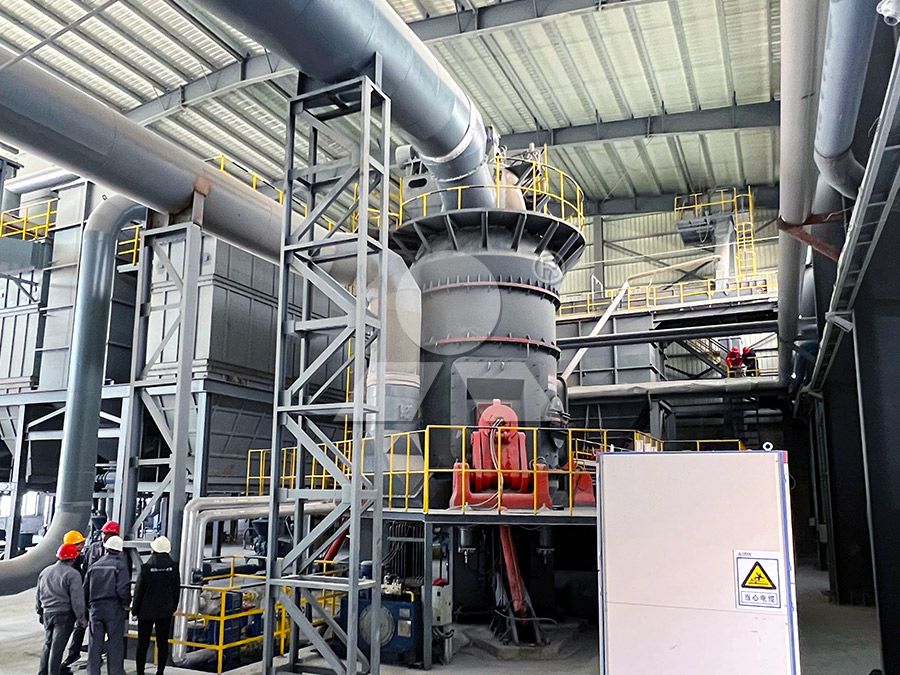
In the LUM Ultrafine Vertical Grinding Mill, the main motor drives the millstone to rotate through a reduction gearbox. Raw sandstone (0-10 mm) is fed via a screw feeder onto the center of the rotating millstone. Centrifugal force moves the material outward across the grinding zone, where it is crushed between the rollers and the millstone. The material forms a grinding bed, enabling inter-particle crushing. Fine particles are carried by the air stream upward to the classifier, where the rotating rotor vanes separate coarse particles, which fall back for regrinding, from the fine powder, which exits the mill with the airflow and is collected by a bag filter or cyclone collector. The MW Ultrafine Grinding Mill follows a similar multi-stage process but uses a three-turnplate system to progressively crush the material, with a blower conveying the fine powder to a cyclone collector after classification.
Conclusion
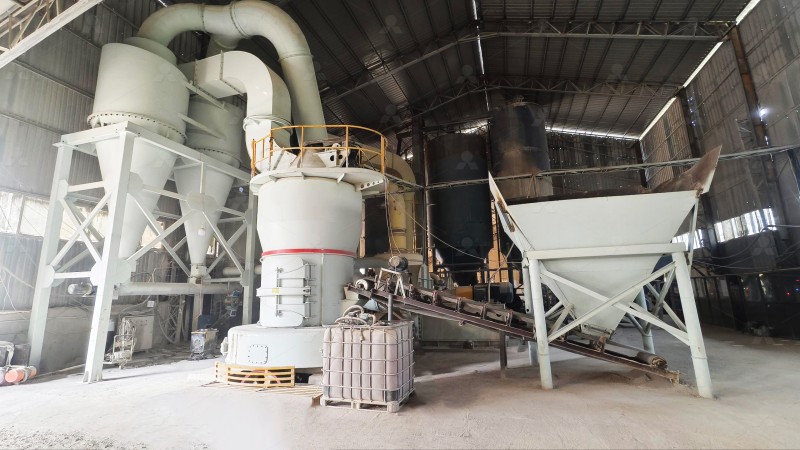
Sandstone vertical mill equipment from LIMING represents a significant advancement in powder processing technology. Whether you choose the high-precision LUM Ultrafine Vertical Grinding Mill for ultra-fine powder production or the high-capacity LM Vertical Grinding Mill for bulk processing, you gain a reliable, energy-efficient, and environmentally-friendly solution. The integration of advanced digital manufacturing, innovative grinding designs, and comprehensive spare parts support ensures that your investment delivers maximum return through high yields, consistent quality, and low operating costs. If you are looking to upgrade your sandstone grinding process, these vertical mills are the key to unlocking higher productivity and product excellence.
Frequently Asked Questions (FAQ)
1. What is the typical feed size for a sandstone vertical mill?
The LUM Ultrafine Vertical Grinding Mill accepts a maximum input size of 0-10 mm, while the LM Vertical Grinding Mill can handle larger feed sizes up to 0-70 mm. Pre-crushing with a jaw crusher or hammer crusher is typically required to achieve these feed sizes.
2. How does a vertical mill compare to a ball mill for sandstone grinding?
A vertical mill typically consumes 30-50% less energy than a ball mill for the same throughput. It also occupies about 50% less floor space, produces a more uniform particle size distribution, and generates less noise. Additionally, vertical mills have shorter residence times, reducing iron contamination and improving the whiteness of the final product.
3. Can sandstone with high moisture content be ground in a vertical mill?
Yes. Both the LUM and LM series mills are designed with integrated drying capabilities. Hot air or gas can be introduced into the mill during grinding to evaporate moisture. The LM mill, especially, is well-suited for drying high-moisture feeds as it can handle hot gases efficiently.
4. What is the maximum fineness achievable with the MW Ultrafine Grinding Mill?
The MW Ultrafine Grinding Mill can adjust the product fineness between 325 and 2500 mesh. It is capable of achieving a screening rate of d97 ≤ 5 μm in a single pass, which is ideal for applications requiring ultra-fine powders.
5. How often do the grinding rollers need to be replaced?
The lifespan of the grinding rollers depends on the abrasiveness of the sandstone and the total operating hours. However, the rollers and rings in LIMING’s vertical mills are made from high-chrome wear-resistant alloys, offering a service life 1.7 to 2.5 times longer than traditional high-manganese steel parts. Regular inspections every 1,000-2,000 hours are recommended, with replacement typically needed after 4,000-8,000 hours of operation.
6. Is it necessary to have a separate dust collector for the mill system?
Both the LUM and MW Ultrafine Grinding Mills come standard with an efficient pulse dust collector integrated into the system. This ensures no dust pollution is generated during operation, and the system meets strict environmental standards. For the LM mill, a separate dust collector is part of the system configuration.
7. Can the same mill be used to grind different types of sandstone or other ores?
Yes. Vertical mills are versatile. By adjusting the classifier rotor speed, grinding pressure, and feed rate, you can switch between processing different materials such as sandstone, limestone, calcite, or barite. The LUM mill is particularly flexible for fine-tuning output fineness.
8. What kind of maintenance is required for the LUM Ultrafine Vertical Grinding Mill?
Maintenance mainly involves periodic checking of the grinding roller wear, replacing the roller shell and lining plate when worn, and inspecting the hydraulic system and classifier rotor. The reverse rotation structure allows for easy removal of the grinding roller for maintenance, minimizing downtime.
9. Does LIMING provide spare parts and technical support?
Absolutely. LIMING takes responsibility for every machine produced and guarantees a sufficient supply of original spare parts. We also offer technical services, including on-site installation guidance, operator training, and troubleshooting support, ensuring worry-free operation.
10. What is the capacity range for sandstone grinding with these vertical mills?
The MW Ultrafine Grinding Mill offers capacities from 0.5 to 25 tph. The LUM Ultrafine Vertical Grinding Mill covers capacities from 5 to 18 tph. For higher throughput, the LM Vertical Grinding Mill can handle capacities from 3 to 340 tph, making it suitable for large-scale operations.