
3500 Mesh Coal Gangue Grinding Mill for Ultra-Fine Powder Processing
We provide a wide range of mills — including Raymond mill, trapezoidal mill, vertical mill, ultrafine mill, and ball mill, obtained ISO9001 international quality certification, EU CE certification, and Customs Union CU-TR certification. Suitable for processing minerals such as limestone, phosphate, quicklime, kaolin, talc, barite, bentonite, calcium carbonate, dolomite, coal, gypsum, clay, carbon black, slag, cement raw materials, cement clinker, and more.
The discharge range of these mills can be adjusted to meet specific processing needs, typically from 80-400 mesh, 600-3250 mesh, and can achieve the finest particle size of up to 6000 mesh(D50).
If you are looking for a reliable grinding solution to turn stone or minerals into fine powder, please feel free to contact our online customer service.
The Challenge of Coal Gangue Valorization
Coal gangue, the dark sedimentary rock discarded during coal mining, has long been an environmental liability. Piles of it scar landscapes, leach acids, and generate dust. But today, with advances in ultra-fine grinding technology, this waste stream is being transformed into a high-value resource. The key lies in achieving a fineness of 325 to 2500 mesh, and for specialized applications, reaching up to 3500 mesh. This is not merely about crushing rock; it is about engineered particle size distribution that unlocks new markets in ceramics, rubber fillers, paint extenders, and even high-end construction materials.
For operators processing coal gangue, the primary hurdles are abrasive wear, high energy consumption, and the need for consistent, ultra-fine output. A standard ball mill or Raymond mill often struggles to deliver the required fineness without excessive energy waste or mechanical breakdown. This is where a new generation of vertical and trapezium grinding mills changes the game.
Why 3500 Mesh Matters for Coal Gangue
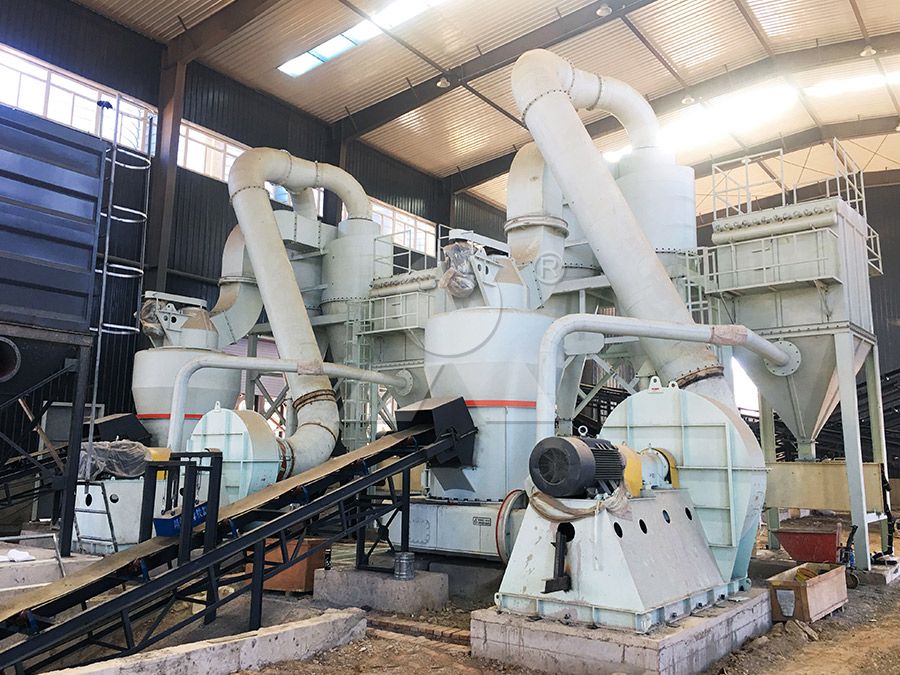
When coal gangue is ground to 3500 mesh (approximately 3.5 microns), its surface area increases exponentially. This ultra-fine powder exhibits enhanced reactivity, making it suitable as a partial replacement for cement in concrete, as a functional filler in plastics to reduce costs without sacrificing strength, and as a raw material for high-grade insulation bricks. The challenge is that conventional mills create excessive heat and wear at this fineness level. The solution requires robust machine design, advanced classification, and a reliable dust-free operation.
Our MW Ultrafine Grinding Mill has proven exceptionally capable in this niche. With an input size accommodating 0-20 mm and a capacity range of 0.5 to 25 tph, it is engineered specifically for demanding ultra-fine applications. The mill’s German-designed cage-type powder selector allows operators to dial in fineness precisely between 325 and 2500 mesh, with the capability to achieve d97≤5μm in a single pass. More importantly, the grinding chamber contains no rolling bearings or screws that could fail under the stress of abrasive gangue. The external lubricating system keeps the machine running 24/7, minimizing downtime.
Design Innovations for Abrasive Materials
Coal gangue is notoriously hard and abrasive. Standard mill components wear out quickly, leading to frequent shutdowns and high spare part costs. The MW mill addresses this by eliminating internal bearings and screws. The grinding rollers and rings feature newly designed curves that enhance grinding efficiency without increasing power consumption. In real-world tests against jet mills and stirred mills, the MW series delivers 40% higher capacity at the same power level, while consuming only 30% of the energy of a jet mill.
For operations requiring even higher throughput, the LUM Ultrafine Vertical Grinding Mill offers an alternative. It handles 0-10 mm feed sizes and processes 5-18 tph. Its unique roller shell and lining plate curves are designed to form an optimal material bed, preventing the long residence time that leads to over-grinding and iron contamination. The LUM mill integrates double position-limiting technology, which electronically and mechanically prevents destructive contact between the roller and millstone during sudden vibration events—a common occurrence when processing inhomogeneous gangue.
Environmental and Operational Benefits
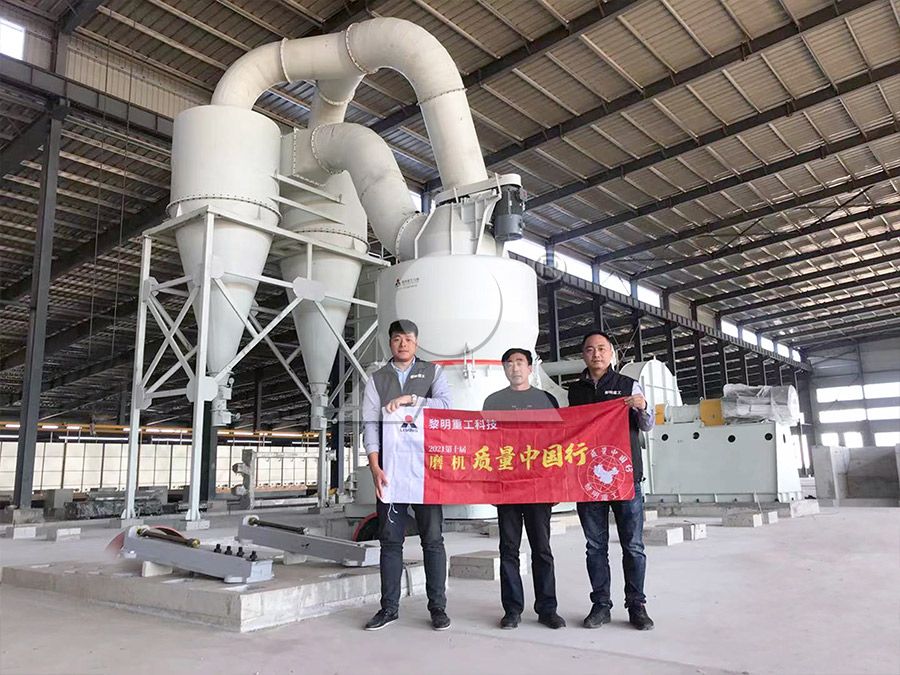
Environmental compliance is non-negotiable in modern mineral processing. Both the MW and LUM mills are equipped with high-efficiency pulse dust collectors and silencers. The entire system operates under negative pressure, meaning no dust escapes into the workshop. This is critical when handling coal gangue, which can contain trace amounts of sulfur and heavy metals. The dust collector captures everything, returning clean air to the environment and recovering valuable fine powder.
From an operational standpoint, the digitalized manufacturing of these mills ensures that every component meets tight tolerances. Core parts like the roller sleeves and rings are machined on numerical control (NC) equipment, guaranteeing interchangeability and long service life. LIMING also maintains a sufficient supply of original spare parts, ensuring that maintenance does not cause extended downtime.
Working Principle: From Feed to Ultra-Fine Powder
Understanding the mechanics helps operators optimize performance. In the MW Ultrafine Grinding Mill, the motor drives the main shaft and turnplate via a reducer. The turnplate rotates dozens of rollers against the grinding ring. Material enters from the hopper, is fed evenly by a vibrating feeder onto the center of the upper turnplate, and is flung outward by centrifugal force. It passes through multiple grinding zones on successive turnplates. After grinding, the air stream carries the powder to the separator. The turbine spins, throwing coarse particles back for re-grinding while allowing fine powder to pass through to the cyclone collector and discharge valve. Any residual dust is filtered through the pulse collector before the air returns to the blower.
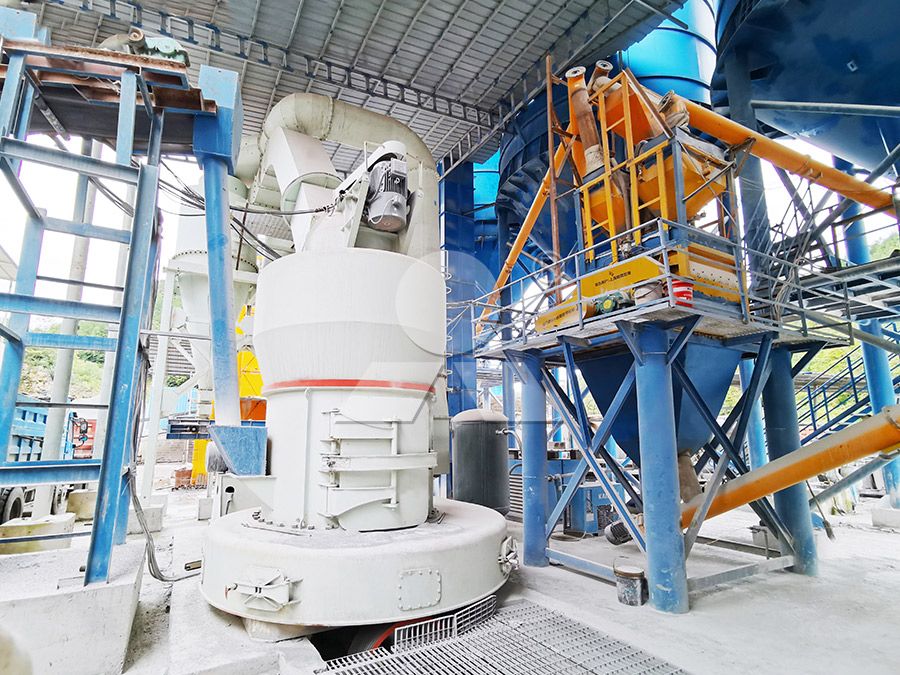
For the LUM Ultrafine Vertical Grinding Mill, the process is slightly different but equally effective. The main motor rotates the millstone. Material falls from the screw feeder onto the center of the millstone and moves to the edge under centrifugal force. In the grinding zone, rollers crush the material, forming a bed where inter-particle grinding occurs. The air flow at the air ring lifts fine particles to the separator, while coarse particles fall back to the millstone. Foreign objects like iron pieces are scraped to a slag discharge port, protecting the mill from damage.
Product Recommendation
For most coal gangue ultra-fine powder operations targeting 3500 mesh, I recommend the MW Ultrafine Grinding Mill. Its combination of high capacity (0.5-25 tph), fine fineness control (325-2500 mesh, with d97≤5μm achievable), and bearing-free chamber design make it the most reliable and efficient choice. If your operation requires higher throughput (5-18 tph) with an emphasis on energy savings and minimal iron contamination, consider the LUM Ultrafine Vertical Grinding Mill. Both machines are backed by LIMING’s comprehensive technical support and spare parts supply, ensuring worry-free operation.
Conclusion
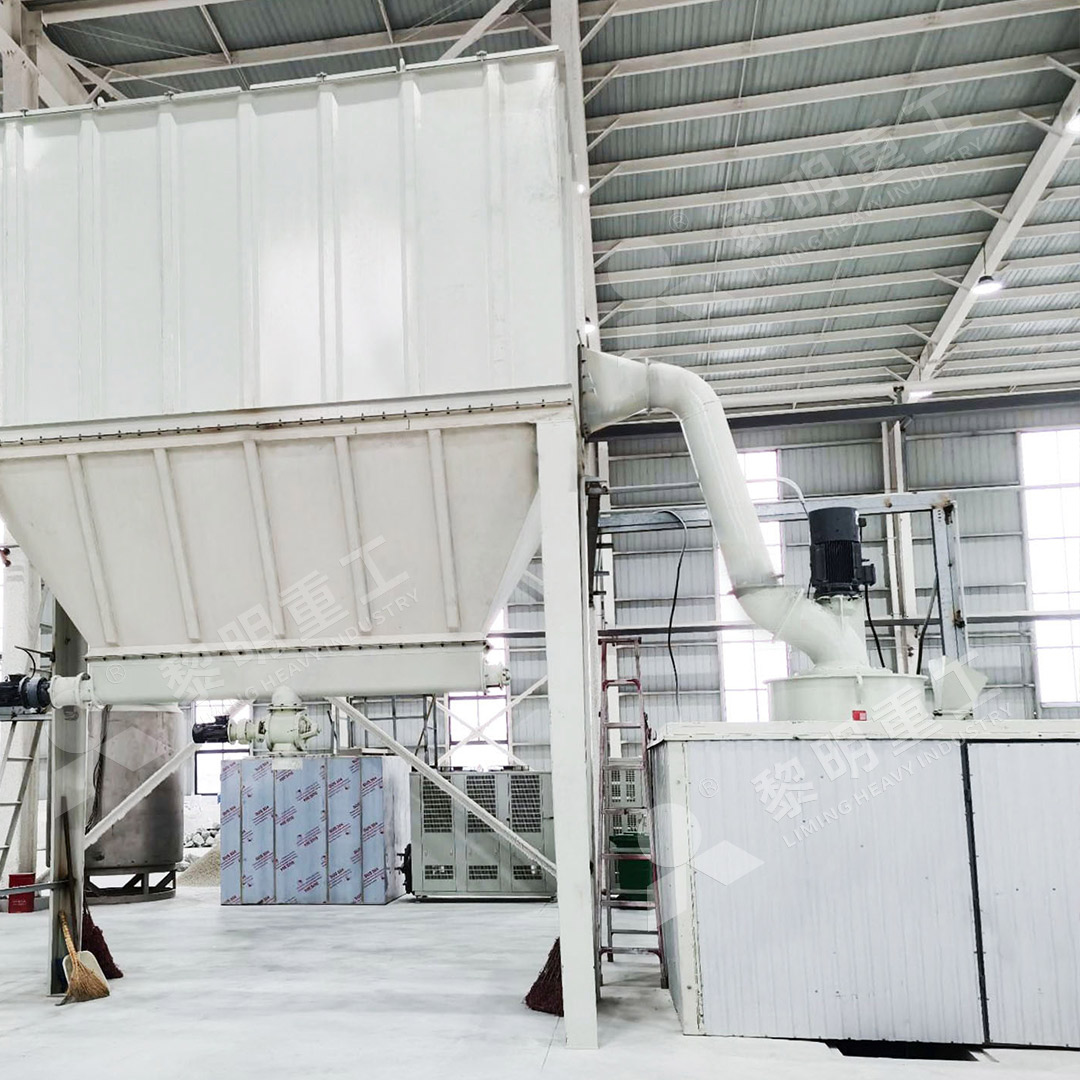
The era of treating coal gangue as mere waste is over. With the right grinding technology, it becomes a profitable, high-performance raw material. The MW and LUM series mills provide the precision, durability, and environmental compliance needed to consistently produce 3500 mesh powder. By investing in these machines, operators not only solve a waste problem but also tap into new revenue streams in advanced materials markets.
Frequently Asked Questions (FAQ)
- What is the maximum feed size for the MW Ultrafine Grinding Mill when processing coal gangue?
The recommended input size is 0-20 mm. Larger lumps should be pre-crushed to avoid damaging the grinding rollers and to maintain efficient operation. - Can the MW mill consistently achieve 3500 mesh (d97) without pre-classification?
Yes. The cage-type powder selector is designed for high precision. With proper airflow and roller pressure settings, the mill can achieve d97≤5μm in a single pass, which corresponds to approximately 3500 mesh. - How does the MW mill handle the high abrasiveness of coal gangue?
The mill is designed without rolling bearings or screws inside the grinding chamber, eliminating common failure points. The rollers and rings are made from wear-resistant alloys developed in collaboration with scientific institutes, offering a service life 1.7 to 2.5 times longer than traditional manganese steel parts. - What is the energy consumption compared to a ball mill for coal gangue grinding?
The MW Ultrafine Grinding Mill consumes about 30% of the energy of a jet mill and roughly 50% less energy than a ball mill for the same fineness. For LUM vertical mill, energy savings can reach 30-50% compared to conventional mills. - Is dust a problem during operation?
No. Both the MW and LUM series are equipped with high-efficiency pulse dust collectors and operate under negative pressure. The entire system is sealed, and emissions meet national environmental protection standards. - How often do we need to replace the grinding rollers and rings?
This depends on the abrasiveness of the specific coal gangue and the total running hours. However, due to the alloy composition and optimized grinding curves, the wear life is significantly extended. Many operators report 2,000 to 4,000 operating hours before needing roller sleeve replacement. - Can the mill be automated for 24-hour continuous production?
Yes. Both the MW and LUM mills feature external lubrication systems that allow for maintenance without shutdown. They can be integrated with PLC control for remote monitoring and continuous operation. - What is the difference between the MW and LUM series for coal gangue?
The MW series is a pendulum-type mill (ring-roller) ideal for fineness up to 2500 mesh with capacities from 0.5-25 tph. The LUM series is a vertical roller mill with higher capacity (5-18 tph) and includes features like double position-limiting for vibration resistance and a reversible roller structure for easier maintenance. - Do you provide technical support and spare parts for these mills?
Absolutely. LIMING takes responsibility for every machine produced. We offer original spare parts and technical services to ensure worry-free operation throughout the mill’s lifespan. - What pre-processing is required before feeding coal gangue into the mill?
Coal gangue should be crushed to the specified input size (0-20 mm for MW, 0-10 mm for LUM). It is also recommended to remove any large metallic debris using a magnetic separator to protect the mill.