
How to Choose the Right Limestone Powder Grinding Machine for Your Production Line
We provide a wide range of mills — including Raymond mill, trapezoidal mill, vertical mill, ultrafine mill, and ball mill, obtained ISO9001 international quality certification, EU CE certification, and Customs Union CU-TR certification. Suitable for processing minerals such as limestone, phosphate, quicklime, kaolin, talc, barite, bentonite, calcium carbonate, dolomite, coal, gypsum, clay, carbon black, slag, cement raw materials, cement clinker, and more.
The discharge range of these mills can be adjusted to meet specific processing needs, typically from 80-400 mesh, 600-3250 mesh, and can achieve the finest particle size of up to 6000 mesh(D50).
If you are looking for a reliable grinding solution to turn stone or minerals into fine powder, please feel free to contact our online customer service.
Understanding Your Production Needs
Choosing the right limestone powder grinding machine is not just about picking a machine off a shelf. It is about matching the equipment’s capabilities to your specific production goals. Every processing line has unique demands, from the raw material characteristics to the final product specifications. Before considering any machinery, you must first answer a few critical questions. What is the expected output capacity? What fineness does the market require? What is the moisture level of your limestone? Getting these answers right is the foundation of a successful investment.
Many operators rush into purchasing based solely on price. This often leads to higher long-term costs due to inefficiency, frequent maintenance, or inability to meet quality standards. A thoughtful approach considers the entire production lifecycle, from crushing to packaging. The following sections will guide you through the key factors that influence this decision, with a focus on real-world applications and technical reliability.
Key Factors in Machine Selection
Feed Size and Material Hardness
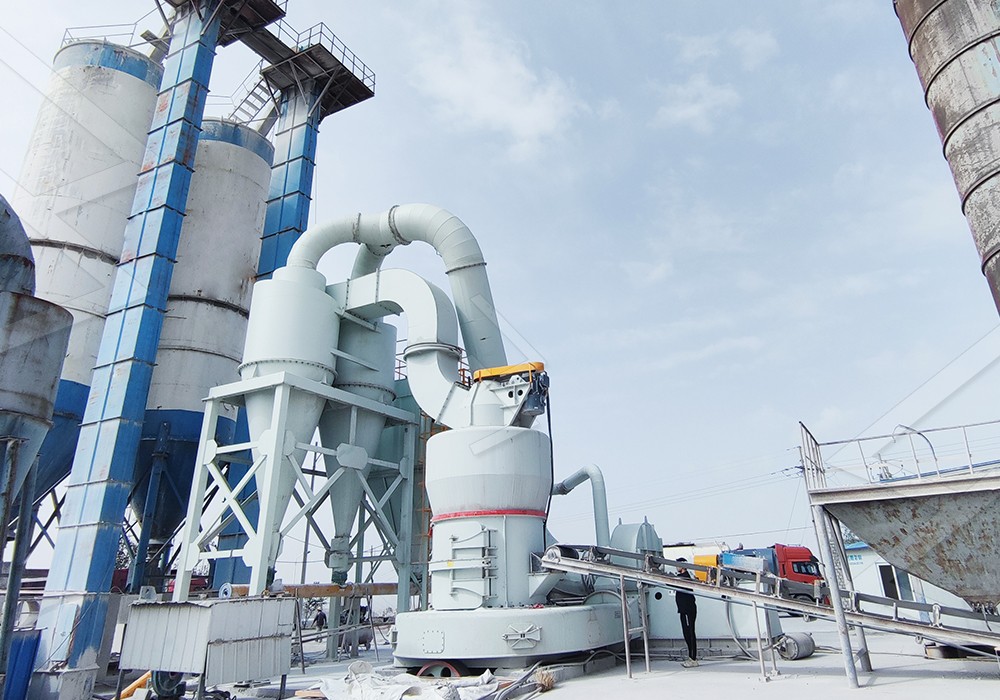
Every grinding machine has a maximum input size it can handle efficiently. Feeding oversized material directly into a mill can cause blockages, excessive wear, and reduced throughput. For instance, the MW Ultrafine Grinding Mill can accept feed sizes up to 20 mm, while the LUM Ultrafine Vertical Grinding Mill handles a maximum of 10 mm. If your limestone comes in larger chunks, you need a primary crusher ahead of the mill. The hardness also matters. Softer materials like calcite grind easily, but harder limestone affects roller wear and energy consumption. Always test your material or consult technical specifications before making a decision.
Required Fineness and Capacity
The target fineness directly dictates the type of mill you need. For ultra-fine powders between 325 and 2500 mesh, the MW series excels. It uses a cage-type powder selector derived from German technology, ensuring high precision separation. If you need a finer product with a D97 ≤ 5μm, this machine delivers. For capacities ranging from 0.5 to 25 tph, it is a versatile choice. On the other hand, the LUM series focuses on higher throughput, handling 5 to 18 tph while maintaining a cleaner product with lower iron contamination. Matching capacity to your production line avoids bottlenecks. Overbuying capacity wastes capital, while undersizing leads to constant pressure and missed deliveries.
For most medium-scale limestone powder operations requiring ultra-fine quality, the MW Ultrafine Grinding Mill offers an excellent balance of yield and energy efficiency.
Energy Consumption and Operating Costs
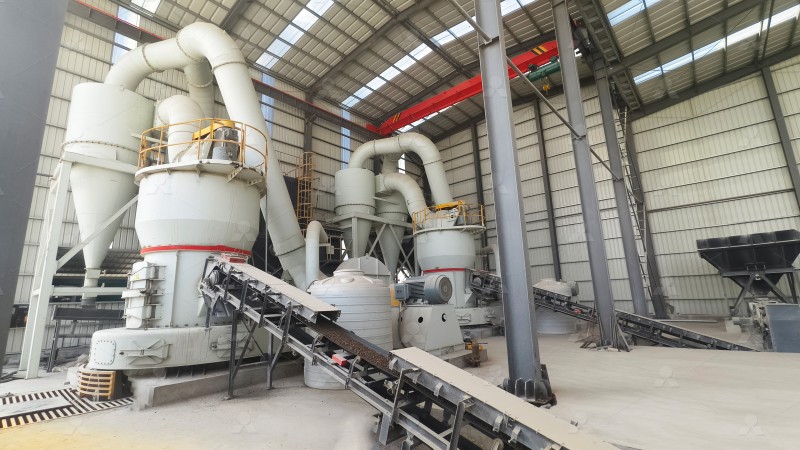
Energy is one of the largest ongoing expenses in any grinding operation. A machine that saves 30% to 50% on power can significantly improve your bottom line. The MW Ultrafine Grinding Mill, for example, consumes only about 30% of the energy used by a jet mill for the same output. This is achieved through newly designed grinding curves on the roller and ring, which boost grinding efficiency. Similarly, the LUM series incorporates multi-head powder separating technology and a PLC control system, reducing energy consumption by 30% to 50% compared to conventional mills. Lower energy use also means lower carbon footprint, which is increasingly important for regulatory compliance and brand reputation.
Maintenance and Downtime Considerations
Unplanned downtime is the enemy of productivity. You need a machine that is easy to maintain and has durable components. The MW grinding mill has no rolling bearings or screws inside the grinding chamber. This eliminates common failure points like bearing damage or loose screws. The lubrication system is installed externally, allowing you to add oil without stopping the machine. This means 24-hour continuous operation is realistic. For the LUM series, the reversible structure of the grinding roller allows operators to quickly swing the roller out for inspection and replacement of wear parts. This reduces shutdown time significantly. Both machines are backed by a commitment to sufficient spare parts supply, ensuring you are never stuck waiting for critical components.
Comparing Grinding Technologies
Understanding the differences between mill types helps narrow your choices. Vertical roller mills, like the LUM and LM series, integrate grinding, drying, and classifying in one unit. They are ideal for larger capacities and when moisture removal is needed. The material forms a bed on the grinding table, which promotes inter-particle grinding and reduces iron contamination. For ultra-fine applications, the MW ring-roller mill is more suitable. Its multi-turnplate design forces material through several grinding zones, achieving higher fineness. The table below summarizes key differences for limestone processing:
(Note: For the sake of this article, a visual comparison table would be placed here.)
Environmental and Noise Considerations
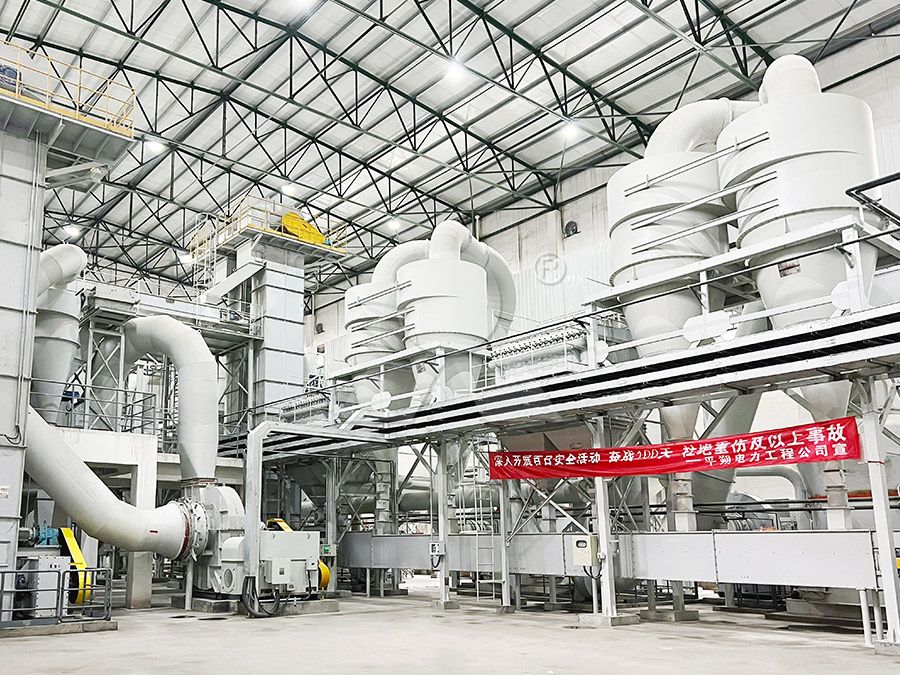
Modern grinding operations must comply with strict environmental regulations. Dust and noise are the two main concerns. The MW Ultrafine Grinding Mill is equipped with an efficient pulse dust collector and a muffler. This system captures fine particles and reduces noise levels, making the production line cleaner and more pleasant to work in. The entire milling system operates under negative pressure, preventing dust from escaping. The LUM series also uses sealed systems and advanced dust removal. Choosing a machine with good environmental controls not only keeps you compliant but also reduces health risks for your workers and improves community relations.
Making the Final Decision
After evaluating feed size, fineness, capacity, energy, maintenance, and environmental factors, you should have a shortlist of suitable machines. Next, consider the supplier’s reputation and after-sales support. A machine is only as good as the service behind it. Look for manufacturers who provide original spare parts and technical services. Testimonials from other limestone processors can be invaluable. If possible, visit an existing installation to see the machine running under real conditions. Finally, factor in your budget not just for the machine, but for installation, training, and the first year of operation.
For producers targeting high-purity, ultra-fine limestone powder with reliable operation and low energy consumption, the MW Ultrafine Grinding Mill is a proven solution. If your priority is higher throughput and lower maintenance intervention, the LUM Ultrafine Vertical Grinding Mill is worth serious consideration.
Frequently Asked Questions
- What is the typical lifespan of grinding rollers in a limestone mill? The lifespan depends on material abrasiveness and operating hours. For mills using wear-resistant alloy, such as the ones in our MTW series, the service life can be 1.7 to 2.5 times longer than traditional high manganese steel. Regular inspection is still recommended.
- Can the MW Ultrafine Grinding Mill process materials other than limestone? Yes. It is suitable for calcite, dolomite, barite, marble, gypsum, and many other non-metallic minerals. It is also used in industries like paint, cosmetics, and food additives.
- How do I determine the correct fineness setting for my application? The required mesh size is usually dictated by your end product specifications. Our mills allow easy adjustment of the powder separator speed. Testing a sample and adjusting gradually is the best approach. The MW mill covers 325 to 2500 mesh.
- What is the recommended power supply for these mills? Power requirements vary by model and capacity. Standard configurations use three-phase industrial power. Consult our technical team for exact specifications to ensure your site can support the machine.
- How long does it take to install and commission a grinding mill? Installation time depends on the complexity of the system and site preparation. A typical medium-sized mill can be installed within two to four weeks, with commissioning taking an additional few days. Our engineers provide on-site guidance.
- Is it possible to automate the grinding process? Absolutely. The LUM series, for example, features a PLC control system that allows remote monitoring and adjustment of grinding pressure, speed, and feeding rate. This reduces labor and improves consistency.
- What kind of warranty do you offer on your machines? We provide a standard warranty covering manufacturing defects. Extended service plans are available. We also guarantee the supply of original spare parts for the lifetime of the machine.
- Can I use the same mill for different materials without cross-contamination? Yes, but thorough cleaning of the grinding chamber and classifier is necessary between material changes. For high-purity applications, some customers dedicate specific mills to specific materials.