
250 Mesh Slag Grinding Mill for Major Overhaul Applications: A Strategic Guide to Modernization
We provide a wide range of mills — including Raymond mill, trapezoidal mill, vertical mill, ultrafine mill, and ball mill, obtained ISO9001 international quality certification, EU CE certification, and Customs Union CU-TR certification. Suitable for processing minerals such as limestone, phosphate, quicklime, kaolin, talc, barite, bentonite, calcium carbonate, dolomite, coal, gypsum, clay, carbon black, slag, cement raw materials, cement clinker, and more.
The discharge range of these mills can be adjusted to meet specific processing needs, typically from 80-400 mesh, 600-3250 mesh, and can achieve the finest particle size of up to 6000 mesh(D50).
If you are looking for a reliable grinding solution to turn stone or minerals into fine powder, please feel free to contact our online customer service.
250 Mesh Slag Grinding Mill for Major Overhaul Applications: A Strategic Guide to Modernization
In the demanding world of industrial mineral processing, a major overhaul of a slag grinding circuit is not merely maintenance—it’s a strategic opportunity. For operations targeting a consistent 250-mesh (approximately 60 μm) product from granulated blast furnace slag (GBFS) or steel slag, this pivotal moment demands more than just part replacements. It calls for a holistic re-evaluation of efficiency, reliability, and environmental footprint. The choice of grinding technology becomes the cornerstone of your plant’s performance for the next decade.
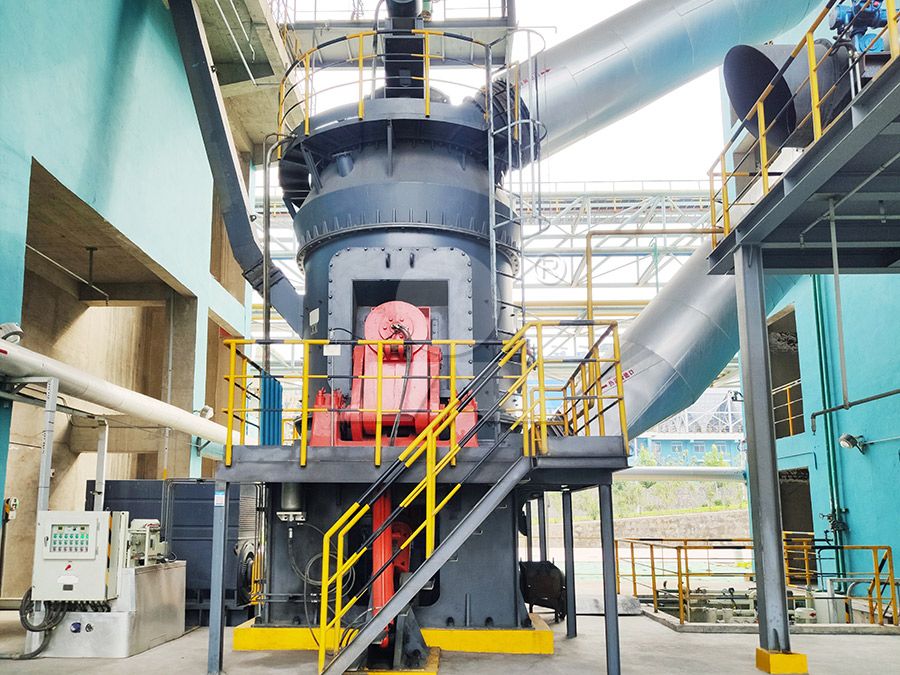
The Overhaul Imperative: Beyond Patchwork Repairs
Traditional ball mills, once the workhorse of slag grinding, often reveal their limitations during a major overhaul. Operators face escalating energy costs, excessive wear part consumption, and challenges in achieving a stable, narrow particle distribution at 250 mesh. The overhaul period is the ideal time to transition from a high-operating-cost system to a modern, integrated solution. The goal shifts from simply restoring function to fundamentally enhancing it—increasing throughput, lowering kWh/ton, and ensuring product quality that commands a premium in the cement and concrete additive markets.
Key Considerations for a 250-Mesh Slag Grinding System
Selecting the right mill for your overhaul requires a focus on several critical parameters specific to slag:
- Grinding Efficiency & Energy Consumption: Slag is abrasive. The mill must combine high reduction ratios with low specific energy consumption. Vertical roller mill technology has proven superior here, utilizing a bed-compression grinding principle that is far more efficient than the impact/attrition of a ball mill.
- Drying Capacity: Slag often contains residual moisture. An effective system must integrate grinding and drying in a single step to avoid pre-drying costs and complexities.
- Wear Part Longevity & Maintenance Access: Downtime is the enemy of profitability. The design must facilitate easy inspection and replacement of grinding elements without requiring a full disassembly of the mill structure.
- Product Quality Control: Achieving a consistent 250-mesh product with high Blaine surface area is crucial for slag’s pozzolanic activity. The mill must have a precise, adjustable internal classifier to ensure oversize material is efficiently rejected and returned for regrinding.
- System Footprint & Integration: Overhauls often face space constraints. A compact, vertically oriented mill that integrates crushing, grinding, drying, classifying, and conveying minimizes civil work and layout changes.
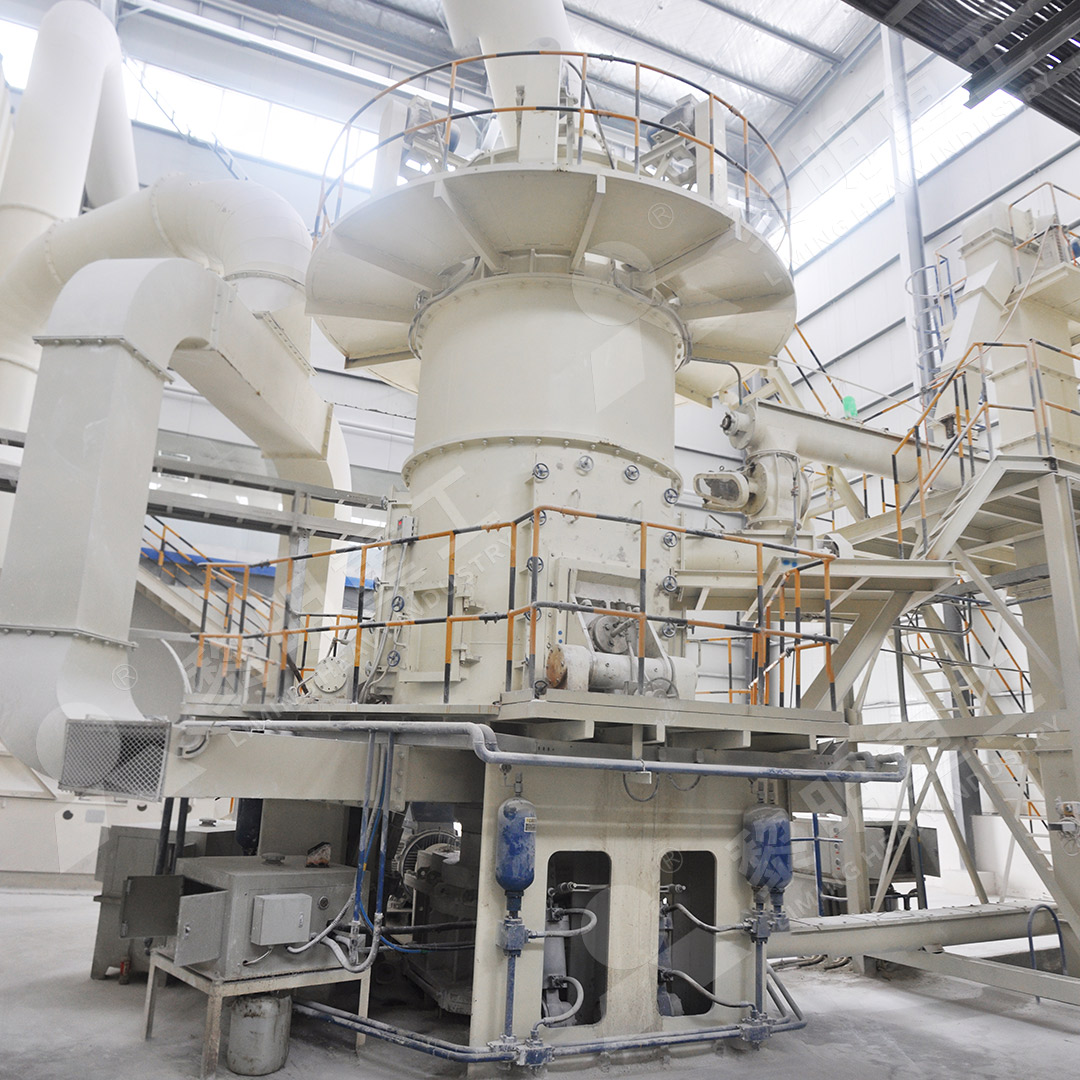
Modern Mill Solutions: Engineered for Slag
For a major overhaul targeting 250-mesh slag production, purpose-built vertical mills represent the current industry standard. They are designed to tackle the specific challenges of slag, transforming a waste product into a high-value commodity.
For such critical applications, we strongly recommend evaluating our LM Vertical Slag Mill. This mill is not an adaptation of a coal or raw meal mill; it is specifically engineered for industrial waste like slag. With an input size of 38-65mm and a capacity range of 7-100 T/H, it is built for scale. Its core advantage lies in its integration: drying, grinding, powder selection, and conveying are consolidated into one compact unit, reducing the occupied area by approximately 50% compared to a ball mill system. More importantly, its energy consumption is typically 30% to 40% lower. The unique grinding device integrates the grinding and powder selection process, ensuring high efficiency and a uniform, high-screening-rate final product perfect for concrete applications.
For operations requiring ultra-fine tuning or producing specialty slag powders, our LUM Ultrafine Vertical Grinding Mill presents an advanced alternative. While handling a slightly smaller input size (0-10mm), its capacity of 5-18 TPH is ideal for high-value niche production. It incorporates the latest grinding roller and German powder separating technology. A standout feature for overhaul planning is its reversible structure. This design, coupled with a hydraulic adjustment system, allows operators to easily swing the grinding roller out of the mill body for inspection, lining plate replacement, or maintenance. This drastically reduces downtime for routine wear part service—a critical factor in total cost of ownership. Its multi-head powder separating technology also allows for exceptional control over fineness, easily meeting and stabilizing the 250-mesh target.
Planning for Success: The Overhaul Checklist
A successful transition during a major overhaul involves meticulous planning:
- Baseline Audit: Document all performance parameters of your existing system—energy use, output, product fineness, wear rates.
- Feed Characterization: Analyze your slag’s moisture, grindability, and chemical composition.
- Space & Infrastructure Review: Verify foundation requirements, auxiliary equipment (like dust collectors), and material handling interfaces for the new mill.
- Lifecycle Cost Analysis: Move beyond initial capital cost. Model the operational savings (energy, wear parts, downtime) over a 5-10 year period.
- Partner with Experts: Work with a supplier who offers comprehensive support from design and installation to commissioning and long-term spare parts supply.
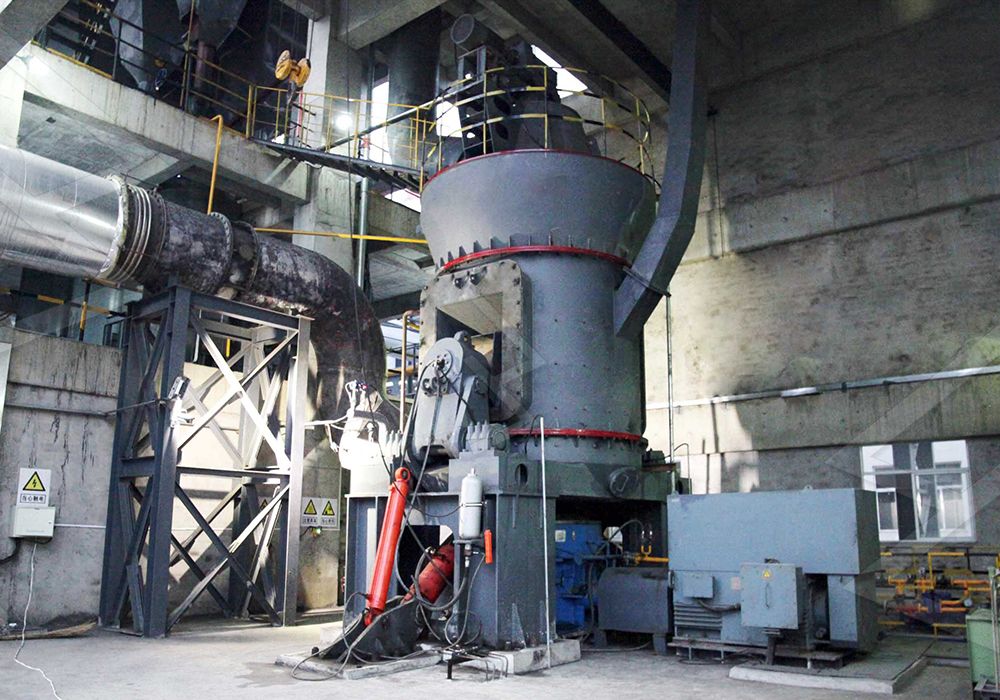
In conclusion, a major overhaul is the strategic inflection point to leave behind the limitations of outdated grinding technology. By adopting a purpose-designed vertical slag mill, you can transform your slag processing circuit into a model of efficiency, reliability, and profitability. The investment transcends mere equipment replacement; it is an investment in the future competitiveness and sustainability of your entire operation.
Frequently Asked Questions (FAQ)
1. Why is a vertical mill preferred over a traditional ball mill for 250-mesh slag grinding?
Vertical mills operate on a bed-compression grinding principle, which is significantly more energy-efficient than the tumbling action of a ball mill. They also integrate drying and classification, have a much smaller footprint, and offer easier maintenance access to key wear parts, leading to lower operating costs and higher overall availability.
2. Can your LM Vertical Slag Mill handle the abrasive nature of slag without excessive wear?
Yes. The LM Vertical Slag Mill is specifically built for abrasive materials. Critical wear parts, like the grinding roller and table liners, are made from high-performance, proprietary wear-resistant alloys. Their design and material composition are optimized to extend service life far beyond conventional materials, ensuring stable operation and predictable maintenance intervals.
3. How is the final product fineness controlled and ensured to be a consistent 250 mesh?
Fineness is precisely controlled by an internal dynamic classifier (or powder separator). In our LUM and LM mills, this is often a multi-head cage-type or rotor-type separator. By adjusting the speed of the classifier rotor, we can accurately cut the particle size. Oversize particles are rejected and returned to the grinding bed, while only in-spec material passes, ensuring a consistent 250-mesh (or any other target) product with a narrow size distribution.
4. What kind of drying capacity is available if our slag has moisture?
Both the LM Slag Mill and LUM Mill are designed as air-swept grinding systems. Hot gas (from a dedicated hot air generator or waste heat source) is introduced at the base. As the material is ground, it is simultaneously lifted and dried by this upward gas stream. This integrated drying eliminates the need for a separate, energy-intensive dryer.
5. How complicated is the maintenance, and what is your spare parts policy?
Maintenance is simplified by design features like the reversible roller system in the LUM mill. We provide complete technical documentation and support. Furthermore, as a manufacturer responsible for both production and sales, we guarantee a sufficient supply of original spare parts. Our policy is to ensure worry-free operation by providing timely technical services and genuine parts to minimize your downtime risks.
6. What is the typical lead time for a major mill supply for an overhaul project?
Lead times vary based on the specific model and project scope. We recommend initiating technical discussions at least 6-8 months before your planned overhaul window. This allows for proper engineering, manufacturing, and logistics planning to ensure the equipment arrives aligned with your project schedule.