
4R Raymond Mill for 100 Mesh Powder Production: A Time-Tested Workhorse and Modern Alternatives
We provide a wide range of mills — including Raymond mill, trapezoidal mill, vertical mill, ultrafine mill, and ball mill, obtained ISO9001 international quality certification, EU CE certification, and Customs Union CU-TR certification. Suitable for processing minerals such as limestone, phosphate, quicklime, kaolin, talc, barite, bentonite, calcium carbonate, dolomite, coal, gypsum, clay, carbon black, slag, cement raw materials, cement clinker, and more.
The discharge range of these mills can be adjusted to meet specific processing needs, typically from 80-400 mesh, 600-3250 mesh, and can achieve the finest particle size of up to 6000 mesh(D50).
If you are looking for a reliable grinding solution to turn stone or minerals into fine powder, please feel free to contact our online customer service.
4R Raymond Mill for 100 Mesh Powder Production: A Time-Tested Workhorse and Modern Alternatives
For decades, the 4R Raymond Mill has been a cornerstone in powder processing plants targeting medium-fineness ranges, particularly around the 100 mesh (approximately 150 microns) specification. Its enduring popularity stems from a straightforward, robust design that delivers reliable performance for a wide array of non-metallic minerals. This article explores the role of the 4R Raymond Mill in modern production, its operational principles, and when it might be advantageous to consider more advanced grinding technologies for enhanced efficiency and product quality.
The Enduring Legacy of the 4R Raymond Mill
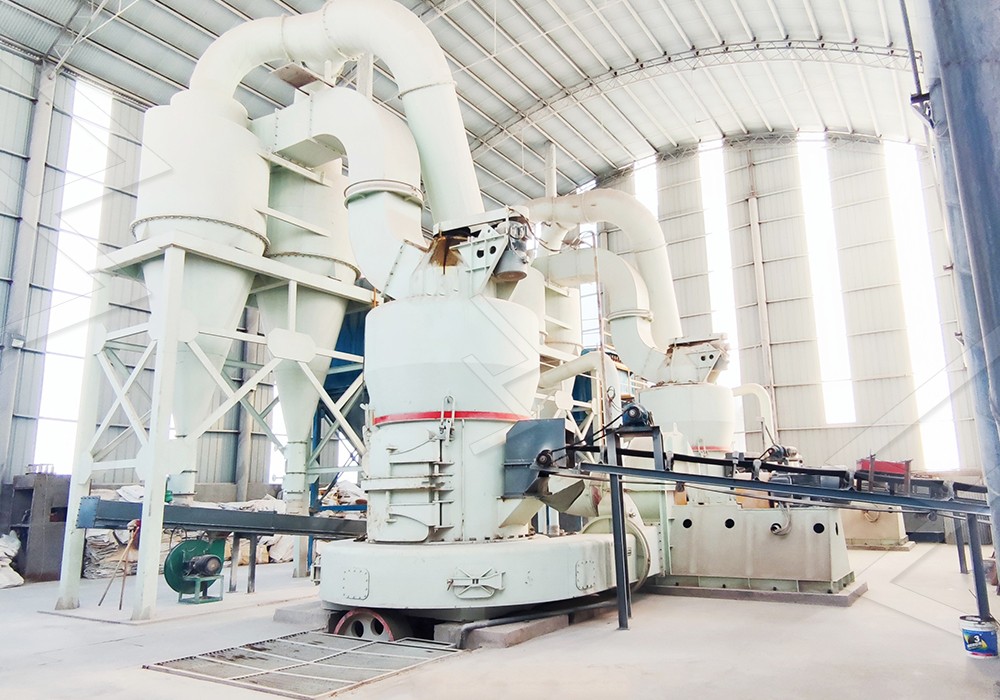
The “4R” designation refers to the four grinding rollers that characterize this mill model. Operating on the pendulum principle, these rollers swing outward due to centrifugal force and roll against a stationary grinding ring. Material is fed into the grinding chamber and is shoveled by a plow between the rollers and the ring, where it is crushed and ground. A built-in classifier ensures that only particles meeting the fineness requirement escape the grinding cycle; oversize material falls back for regrinding.
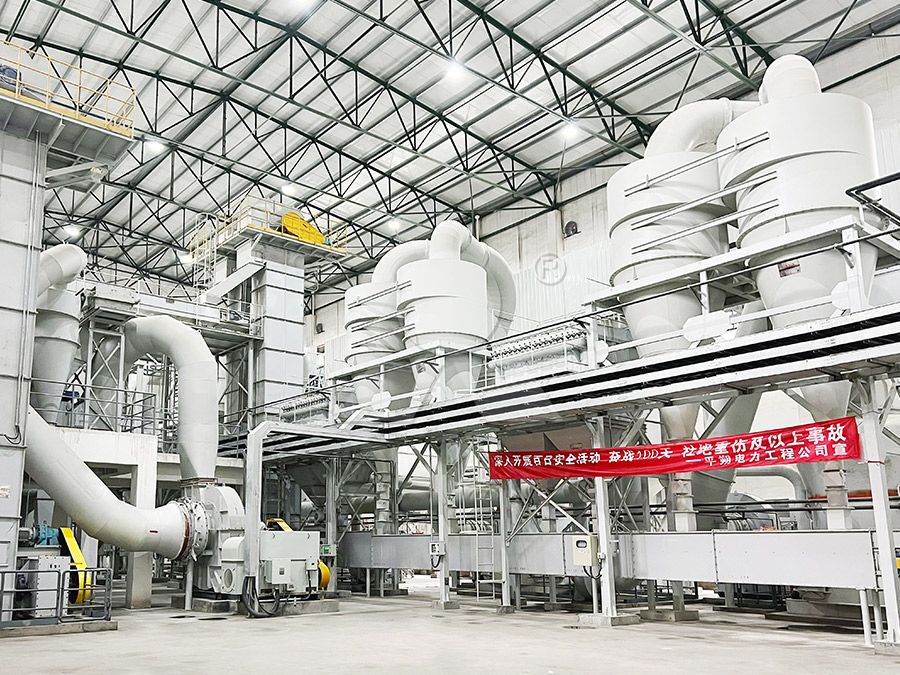
For consistent 100-mesh production of materials like limestone, calcite, barite, and gypsum, the 4R Raymond Mill offers distinct advantages. Its structure is relatively simple, leading to easier operation and maintenance for trained personnel. The system is a closed-circuit, negative-pressure operation, which inherently controls dust emissions compared to open milling systems. With an input size typically under 25mm and a capacity ranging from 0.6 to 5 tons per hour, it fits well in small to medium-scale production lines.
Key Considerations for 100 Mesh Production
When evaluating a mill for 100-mesh output, several factors come into play beyond just the ability to achieve the fineness. Energy consumption per ton of product is a major operational cost. Wear part longevity—particularly of the grinding rollers and ring—directly impacts maintenance downtime and spare parts inventory. Furthermore, the stability of the fineness curve and the system’s environmental footprint (noise and dust) are increasingly important in today’s regulated and cost-conscious industrial landscape.
While the traditional 4R Raymond Mill is capable, newer generations of grinding technology have made significant strides in these areas. For operations looking to future-proof their investment or those with demands for higher capacity, lower energy use, or the potential to produce even finer powders, exploring these alternatives is prudent.
Advancing Beyond Tradition: The Case for Modern Grinding Solutions
Innovation in grinding mechanics, powder classification, and system integration has led to mills that offer superior performance metrics. For instance, vertical roller mills integrate drying, grinding, classification, and conveying in a single, compact unit, often resulting in 30-50% lower energy consumption compared to traditional ball or Raymond mill systems for similar output.
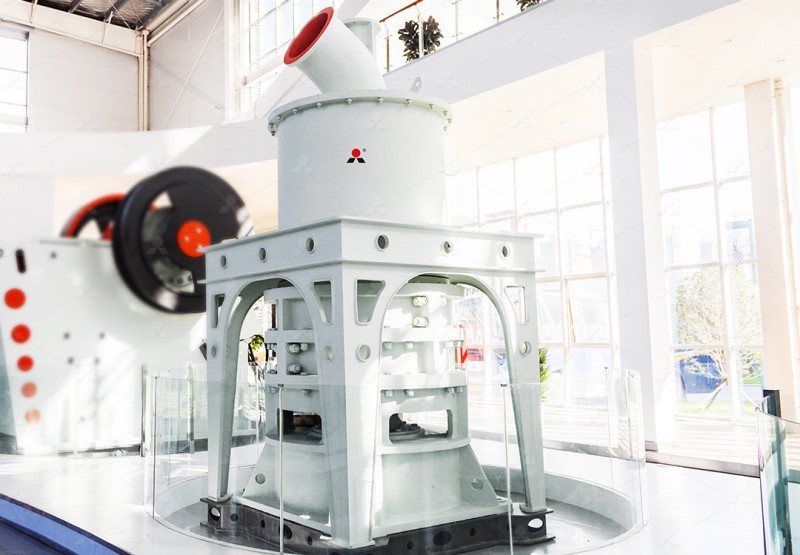
One standout technology for operations that may eventually demand higher fineness or simply seek greater efficiency at 100 mesh is our MW Ultrafine Grinding Mill. This mill is engineered for customers requiring ultra-fine powder but is exceptionally efficient in the medium-fineness range as well. Its newly designed grinding curves for the roller and ring enhance grinding efficiency significantly. When producing 100-mesh powder, its capacity can be up to 40% higher than that of jet mills or stirred mills with the same power consumption. A key feature is its cage-type powder selector, which allows precise adjustment of fineness from 325 to 2500 meshes, giving you unparalleled control and the flexibility to produce finer products without changing equipment. Furthermore, its design eliminates rolling bearings and screws inside the grinding chamber, virtually eliminating failures related to these components and enabling worry-free, continuous 24-hour operation.
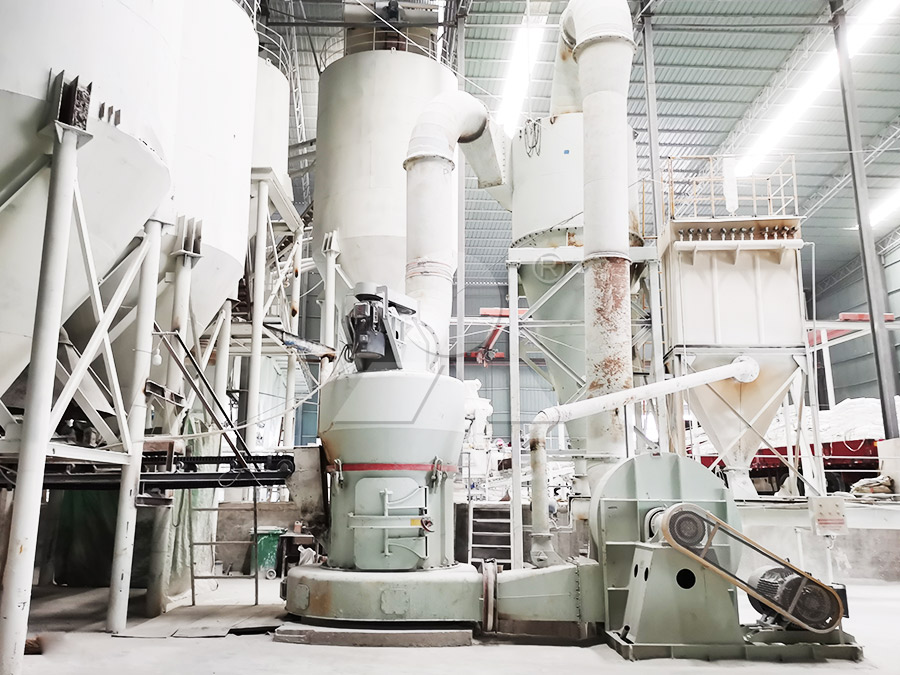
For high-volume production of 100-mesh powder where input materials are relatively fine (0-10mm), the LUM Ultrafine Vertical Grinding Mill presents another compelling option. It combines advanced grinding roller technology with German powder separating technology. Its unique roller shell and lining plate grinding curve promote stable material bed formation, enabling high rates of finished product in a single pass. This design not only boosts efficiency but also improves the whiteness and cleanliness of non-metallic mineral powders. The mill features a reversible structure, allowing grinding rollers to be easily swung out for maintenance, drastically reducing downtime for wear part inspection and replacement.
Making the Right Choice for Your Operation
The decision between a traditional 4R Raymond Mill and a more modern system hinges on a thorough analysis of your specific needs. Consider your long-term production goals, total cost of ownership (including energy and maintenance), available factory space, and environmental compliance requirements. The 4R Raymond Mill remains a valid, lower-initial-cost solution for dedicated, small-scale 100-mesh production. However, for operations prioritizing energy savings, higher yield, lower maintenance, and product quality consistency, or for those anticipating future market demands for finer powders, upgrading to a technologically advanced mill like the MW or LUM series offers a decisive long-term advantage.
Ultimately, successful powder production is about matching the right tool to the job. By understanding the capabilities of both classic and contemporary grinding technologies, you can make an informed investment that ensures productivity and profitability for years to come.
Frequently Asked Questions (FAQ)
- Can a 4R Raymond Mill produce powder finer than 100 mesh?
Yes, a 4R Raymond Mill can typically achieve fineness up to around 325 mesh (45 microns) by adjusting the classifier speed and airflow. However, efficiency and yield may decrease significantly as target fineness increases compared to mills specifically designed for ultra-fine grinding. - What are the main wear parts in a 4R Raymond Mill, and how often do they need replacement?
The primary wear parts are the grinding rollers, grinding ring, and shovel blades. Replacement frequency depends entirely on the abrasiveness of the processed material. For moderately abrasive minerals like calcite, these parts may last several thousand hours of operation. - How does the energy consumption of a modern MW Ultrafine Grinding Mill compare to a 4R Raymond Mill for the same 100-mesh output?
The MW Mill is designed with higher grinding efficiency and an advanced classifier. In practical applications, it can achieve the same or higher output at 100 mesh while consuming significantly less energy per ton of product, often resulting in substantial operational cost savings. - Is the dust collection system included with these mills?
Yes, both traditional Raymond Mills and our advanced models like the MW and LUM series are equipped with integrated dust collection systems, typically efficient pulse-jet bag filters. This ensures the entire milling system operates under negative pressure, meeting modern environmental standards for dust emission. - What is the biggest advantage of a vertical roller mill (like the LUM) over a pendulum-style mill (like the 4R Raymond)?
The key advantages are integration and efficiency. Vertical mills integrate multiple processes (grinding, drying, classifying) into one compact unit, offering a much smaller footprint and lower energy consumption (30-50% less). They also typically offer better control over product fineness and particle size distribution. - Can these mills handle moist materials?
The standard 4R Raymond Mill is not designed for drying. If feed material has high moisture, pre-drying is necessary. In contrast, many modern vertical mills, including our LM series, can integrate a hot air source, allowing them to simultaneously dry and grind materials with a certain moisture content, simplifying the process flow.