
YGM Raymond Mill: The Latest Grinding Mill Equipment for Efficient Powder Processing
We provide a wide range of mills — including Raymond mill, trapezoidal mill, vertical mill, ultrafine mill, and ball mill, obtained ISO9001 international quality certification, EU CE certification, and Customs Union CU-TR certification. Suitable for processing minerals such as limestone, phosphate, quicklime, kaolin, talc, barite, bentonite, calcium carbonate, dolomite, coal, gypsum, clay, carbon black, slag, cement raw materials, cement clinker, and more.
The discharge range of these mills can be adjusted to meet specific processing needs, typically from 80-400 mesh, 600-3250 mesh, and can achieve the finest particle size of up to 6000 mesh(D50).
If you are looking for a reliable grinding solution to turn stone or minerals into fine powder, please feel free to contact our online customer service.
YGM Raymond Mill: The Latest Grinding Mill Equipment for Efficient Powder Processing
In the dynamic world of industrial mineral processing, efficiency, precision, and reliability are not just desirable traits—they are absolute necessities. For decades, the Raymond Mill has stood as a cornerstone of powder grinding technology. Today, its evolution continues with the advanced YGM series, embodying the latest innovations to meet the rigorous demands of modern production lines. This equipment represents a significant leap forward, combining proven mechanical principles with cutting-edge enhancements for superior powder processing.
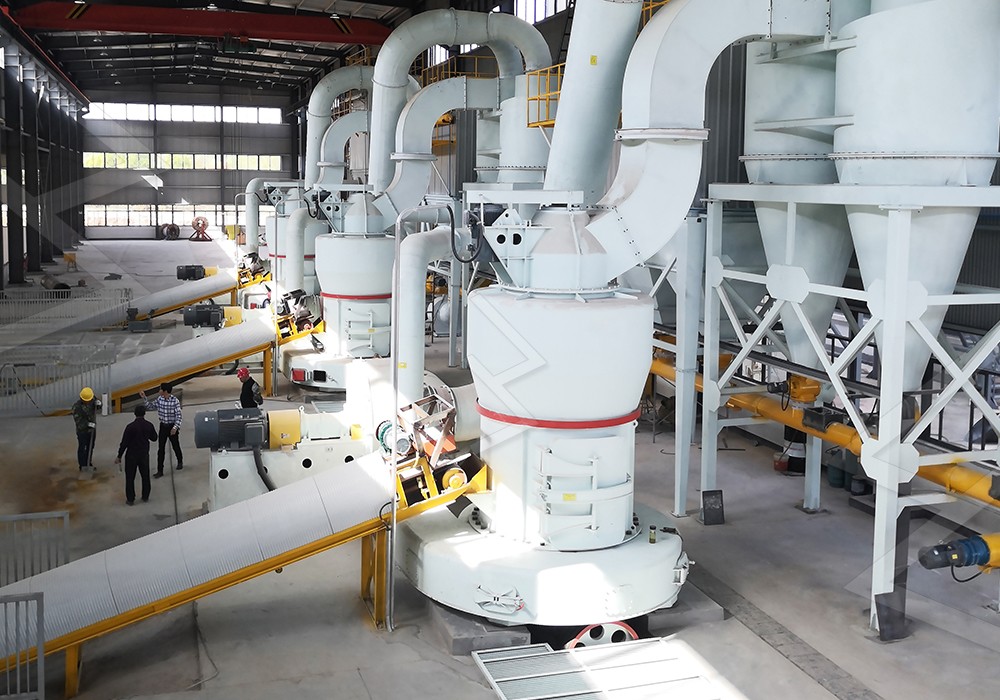
The core philosophy behind the latest YGM Raymond Mill is intelligent optimization. Every component, from the grinding roller assembly to the air classification system, has been meticulously engineered to maximize output while minimizing energy consumption and operational footprint. The machine handles a feed size of up to 25mm and delivers a capacity range of 0.6-5 tph, making it an exceptionally versatile solution for medium-fine grinding applications across numerous sectors.
Engineering Excellence: Key Features and Advancements
What sets the contemporary YGM Raymond Mill apart is its suite of targeted improvements. The grinding roller and grinding ring are crafted from high-performance wear-resistant alloys, developed through extensive research. This innovation dramatically extends service life, reducing the frequency and cost of replacement parts. Furthermore, the transmission system utilizes an integral gearbox with a bevel gear, ensuring smoother power delivery, higher transmission efficiency, and notably lower noise levels compared to traditional open-gear designs.
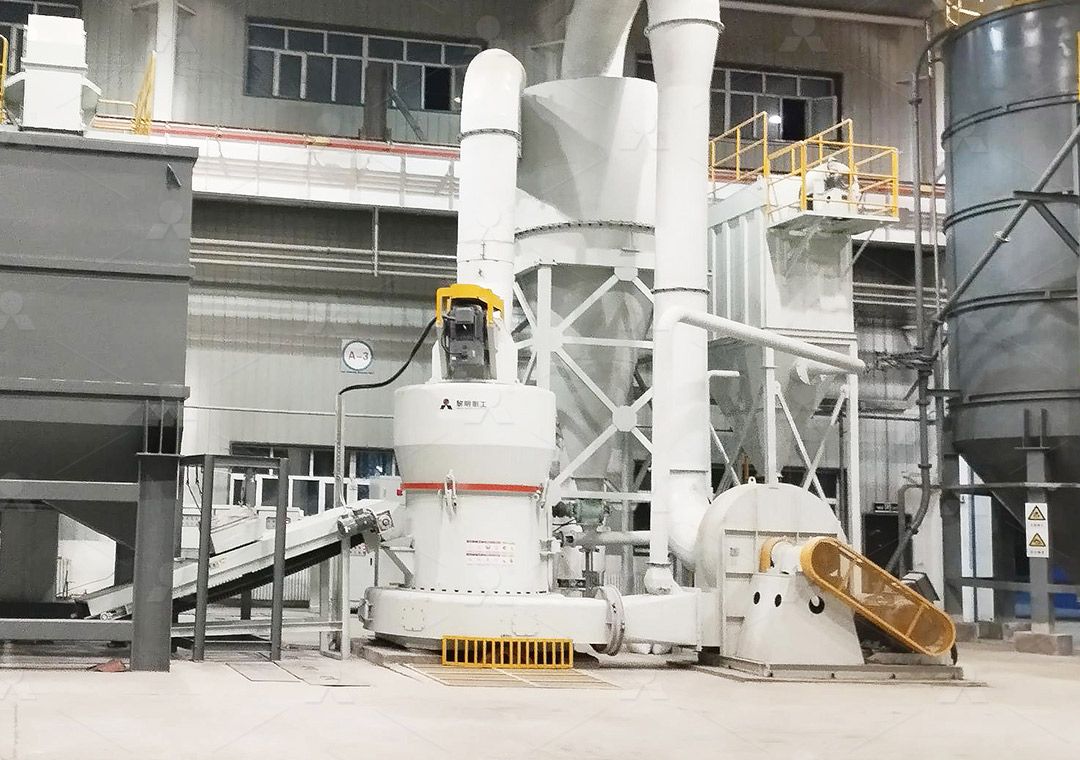
Operational stability is paramount. The mill incorporates an efficient shock-absorption foundation and an elastic connection between the main engine and the analyzer. This design philosophy effectively isolates vibration, protecting critical components and ensuring consistently smooth operation that translates to more uniform product fineness. The entire grinding process is sealed and operates under negative pressure, effectively containing dust and contributing to a cleaner, safer working environment that meets stringent international environmental standards.
Beyond Tradition: When to Consider Advanced Grinding Solutions
While the YGM Raymond Mill excels in its designated capacity and fineness range, production needs are constantly evolving. For operations requiring ultra-fine powders (325-2500 meshes), higher throughput, or processing of more diverse material hardness, stepping up to a next-generation mill can unlock new levels of productivity and product quality.
For instance, our MW Ultrafine Grinding Mill is engineered specifically for these demanding ultra-fine applications. It achieves remarkable fineness adjustment between 325-2500 meshes with a high screening rate of d97≤5μm in a single pass. Its design eliminates rolling bearings and screws within the grinding chamber, a revolutionary feature that removes common failure points and allows for external lubrication without shutdown, enabling true 24/7 continuous operation. With a capacity of 0.5-25 tph, it offers significantly higher yield—up to 40% more than jet mills and double that of ball mills—while consuming only 30% of the energy of a jet mill. This makes it an ideal, cost-effective powerhouse for industries like cosmetics, pharmaceuticals, and advanced chemicals.
Similarly, for large-scale production of non-metallic minerals, coal, or slag, the LM Vertical Grinding Mill presents a transformative approach. It integrates crushing, drying, grinding, classification, and conveying into a single, compact unit. Its vertical structure reduces the floor area by 50% compared to a ball mill system and saves 30%-40% in energy. The material’s short residence time minimizes over-grinding and ensures low iron content in the final product, which is critical for applications demanding high whiteness and purity, such as in the ceramics and paint industries.
The Path to Optimized Powder Processing
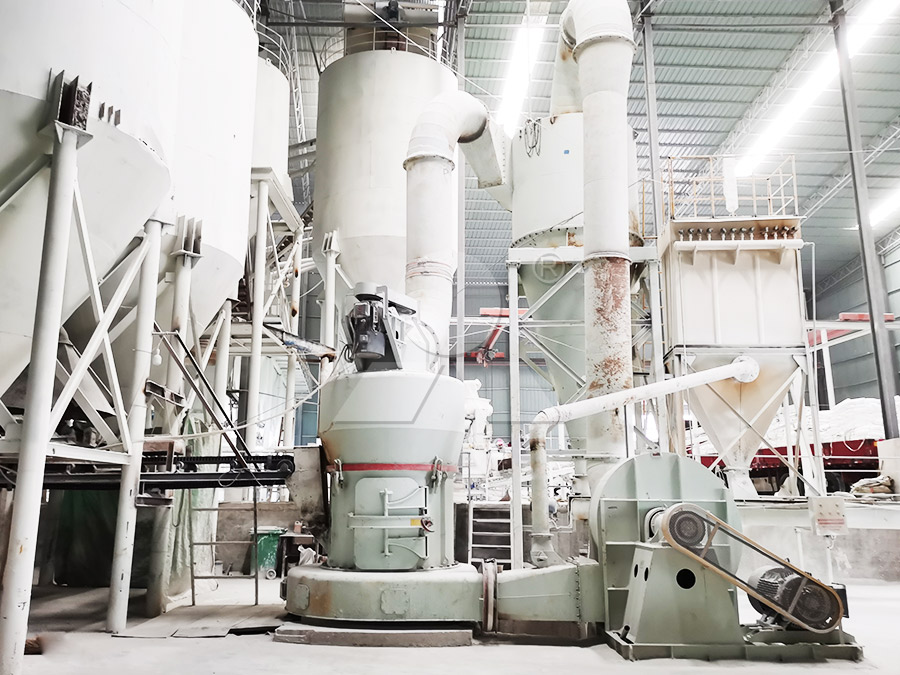
Selecting the right grinding equipment is a strategic decision that impacts your bottom line, product quality, and operational sustainability. The latest YGM Raymond Mill remains a robust and efficient choice for a wide array of standard grinding tasks. However, understanding the full spectrum of available technology is key.
Investing in advanced mills like the MW Ultrafine Grinding Mill or the LM Vertical Grinding Mill is an investment in future-proofing your operation. These systems deliver not only higher capacity and finer products but also offer unparalleled energy efficiency, lower maintenance costs through smarter design, and a significantly reduced environmental footprint via integrated dust collection and noise reduction technologies.
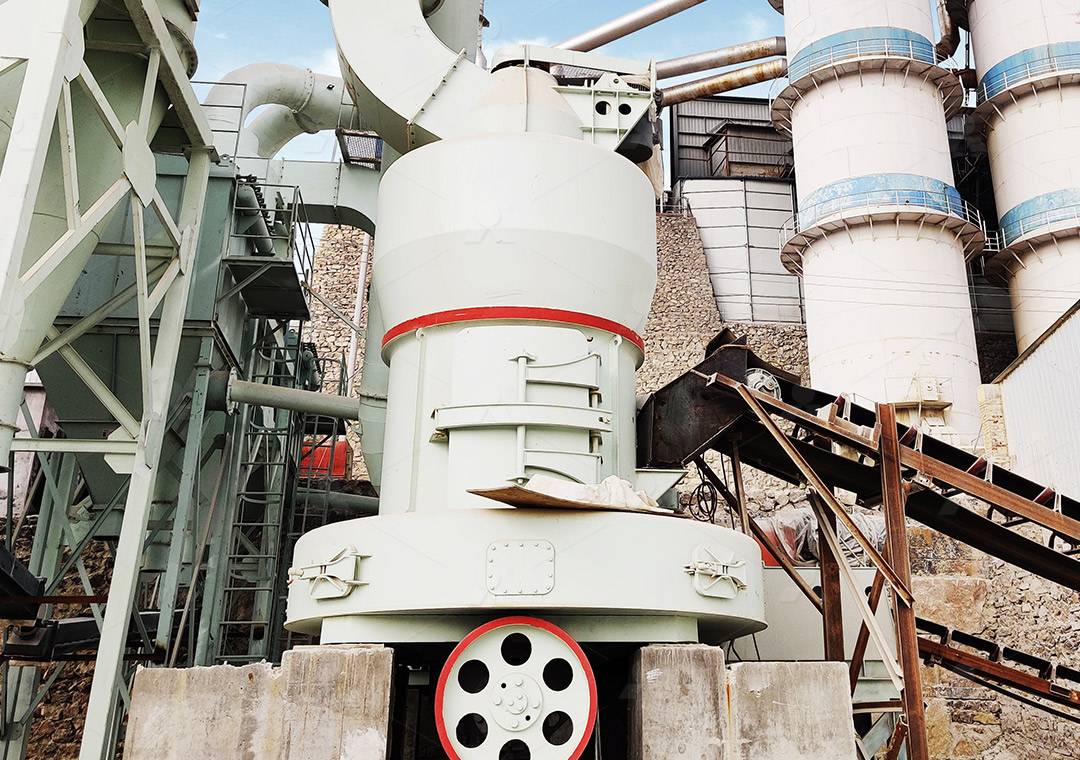
In conclusion, the evolution from traditional Raymond Mills to today’s advanced YGM series and specialized vertical or ultra-fine mills reflects the industry’s drive towards smarter, cleaner, and more economical production. By leveraging these technologies, producers can achieve superior powder processing efficiency, ensuring they remain competitive in a global market that increasingly values precision, sustainability, and operational excellence.
Frequently Asked Questions (FAQ)
- What is the primary difference between a YGM Raymond Mill and an MW Ultrafine Grinding Mill?
The YGM Raymond Mill is ideal for medium-fine grinding with product fineness generally up to a few hundred meshes. The MW Ultrafine Grinding Mill is specifically designed to produce much finer powders, ranging from 325 to 2500 meshes, with higher efficiency and lower energy consumption for ultra-fine applications. - Can the LM Vertical Grinding Mill handle wet or sticky materials?
Yes, a key advantage of the LM Vertical Grinding Mill is its integrated drying function. Hot air can be introduced into the mill concurrently with grinding, allowing it to effectively process materials with moderate moisture content by drying and grinding them simultaneously. - How does the “no rolling bearing in the chamber” design of the MW Mill benefit operations?
This design eliminates two major failure points: bearing seizure and seal leakage. It allows for external lubrication without stopping the mill, enabling continuous 24-hour operation, reducing unplanned downtime, and drastically lowering maintenance costs and risks. - Are spare parts readily available for these grinding mills?
Yes. As a manufacturer responsible for both production and sales, we maintain a sufficient supply of original spare parts for all our equipment, including grinding rollers, rings, and other wear parts. We provide full technical support to ensure worry-free, long-term operation. - Which mill is more suitable for a plant with very limited floor space?
The LM Vertical Grinding Mill is the optimal choice. Its vertical, integrated design reduces its footprint by approximately 50% compared to traditional ball mill or horizontal mill systems of similar capacity, making it perfect for space-constrained installations.