
Raymond Mill for Mineral Processing: Shaanxi Huxian Ore Machinery Factory
We provide a wide range of mills — including Raymond mill, trapezoidal mill, vertical mill, ultrafine mill, and ball mill, obtained ISO9001 international quality certification, EU CE certification, and Customs Union CU-TR certification. Suitable for processing minerals such as limestone, phosphate, quicklime, kaolin, talc, barite, bentonite, calcium carbonate, dolomite, coal, gypsum, clay, carbon black, slag, cement raw materials, cement clinker, and more.
The discharge range of these mills can be adjusted to meet specific processing needs, typically from 80-400 mesh, 600-3250 mesh, and can achieve the finest particle size of up to 6000 mesh(D50).
If you are looking for a reliable grinding solution to turn stone or minerals into fine powder, please feel free to contact our online customer service.
Raymond Mill for Mineral Processing: Shaanxi Huxian Ore Machinery Factory
In the demanding world of mineral processing, the choice of grinding equipment is a critical determinant of operational efficiency, product quality, and overall profitability. For decades, the Raymond mill has stood as a cornerstone technology in this sector, renowned for its reliability and effectiveness in reducing a wide variety of ores and industrial minerals to precise specifications. At Shaanxi Huxian Ore Machinery Factory, we understand that modern operations require more than just legacy technology; they demand innovation that builds upon proven principles to deliver superior performance, energy savings, and environmental compliance.
Our engineering philosophy centers on evolving classic designs to meet contemporary challenges. While the traditional Raymond mill offers advantages like a compact footprint and straightforward operation, today’s market calls for enhanced precision, higher throughput, and significantly reduced energy consumption per ton of processed material. This is where our deep expertise in mechanical design and material science comes into play, allowing us to refine and optimize grinding solutions for the 21st century.
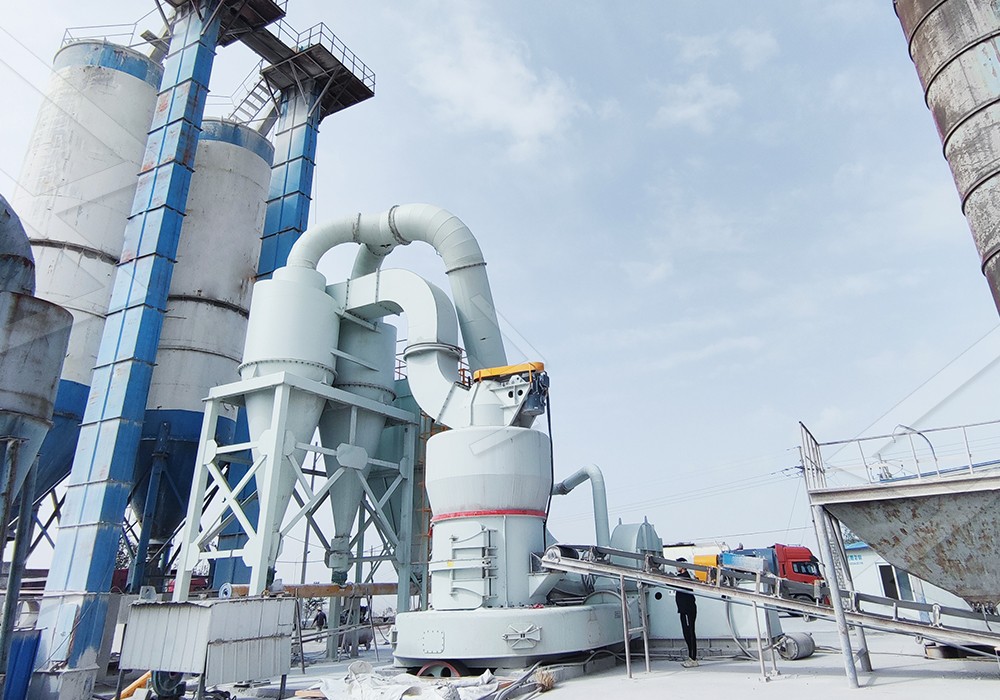
Beyond Traditional Grinding: The Need for Advanced Solutions
The core application of grinding mills in mineral processing is to liberate valuable minerals from gangue, creating a uniform powder with a specific particle size distribution suitable for subsequent separation or chemical processing. Factors such as material hardness, abrasiveness, moisture content, and desired fineness all dictate the optimal mill selection. A one-size-fits-all approach is insufficient. For operations targeting ultra-fine powders (325 mesh and finer) for high-value applications in industries like paints, cosmetics, or advanced ceramics, the limitations of standard ball mills or even early Raymond mill designs become apparent. These limitations often manifest as high energy costs, excessive wear on grinding media, contamination from iron, and difficulty in controlling the final product’s particle size distribution.
Recognizing these challenges, our factory has dedicated significant resources to developing next-generation grinding technology. We focus on integrating advanced powder separation systems, innovative grinding curve designs for rollers and rings, and robust structural elements that minimize maintenance downtime. The goal is to provide a grinding system that operates as a cohesive, intelligent unit rather than a collection of individual components.
Introducing Our Flagship Grinding Systems
For clients whose processes demand the production of ultra-fine powder with exceptional consistency and purity, we proudly recommend our MW Ultrafine Grinding Mill. This machine represents a significant leap forward in fine grinding technology. Engineered for customers who need to make ultra-fine powder, it handles an input size of 0-20 mm with a capacity ranging from 0.5 to 25 tons per hour. Its defining feature is a German-technology, cage-type powder selector that allows precise fineness adjustment between 325 and 2500 meshes, achieving a remarkable screening rate of d97≤5μm in a single pass.
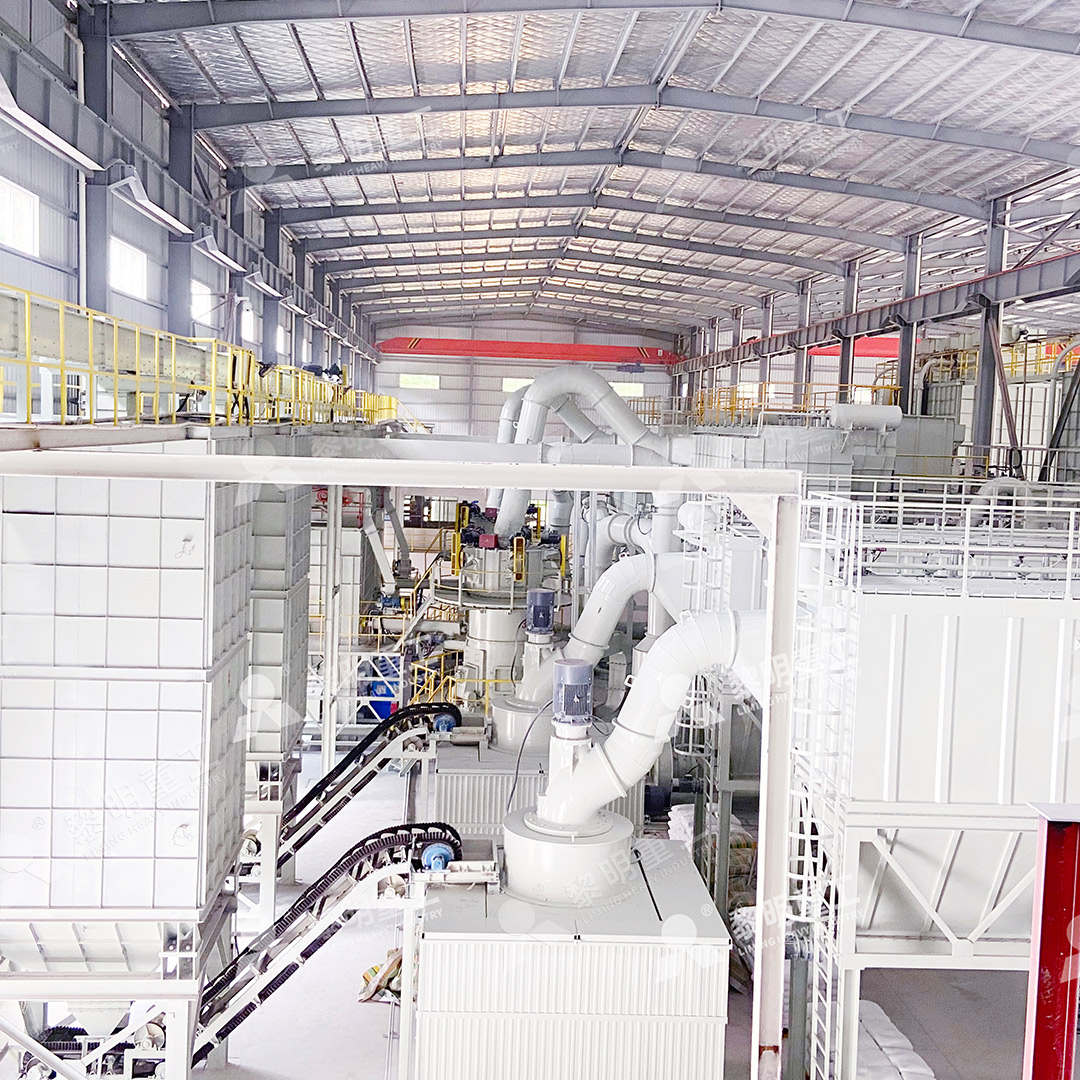
The MW series is designed for higher yield and lower energy consumption. Its newly designed grinding curves enhance efficiency so profoundly that, at the same fineness and power, its production capacity is 40% higher than jet or stirred grinding mills and double that of a traditional ball mill, while system energy consumption is slashed to just 30% of a jet mill’s. Operational reliability is ensured by a unique chamber design that eliminates rolling bearings and screws internally, preventing related failures. Furthermore, the integration of an efficient pulse dust collector and muffler ensures the entire production process meets stringent national environmental protection standards, making it an ideal choice for processing materials like limestone, calcite, dolomite, gypsum, barite, and talc for chemical, pharmaceutical, and food additive industries.
For operations requiring robust, large-scale vertical grinding, our LM Vertical Grinding Mill is an industry benchmark. Integrating crushing, drying, grinding, classifying, and conveying into a single unit, it specializes in non-metallic minerals, pulverized coal, and slag. With an impressive input size of 0-70 mm and a capacity range from 3 to 340 tph, it reduces its coverage area by 50% and saves 30%-40% in energy consumption compared to a ball mill system. Its short material lingering time minimizes repeated grinding and ensures low iron content in the final product, which is crucial for maintaining material whiteness and purity.
Engineering for Reliability and Sustainability
At Shaanxi Huxian Ore Machinery Factory, we believe that advanced performance must be matched by unwavering reliability. All our grinding mills, from the Raymond series to the advanced MW and LM models, benefit from our commitment to digitalized processing. Tens of lines of numerical control machine tools ensure high-precision manufacturing of core components, from steel plate cutting and bending to final paint spraying. This precision translates directly to longer service life, smoother operation, and consistent output quality.
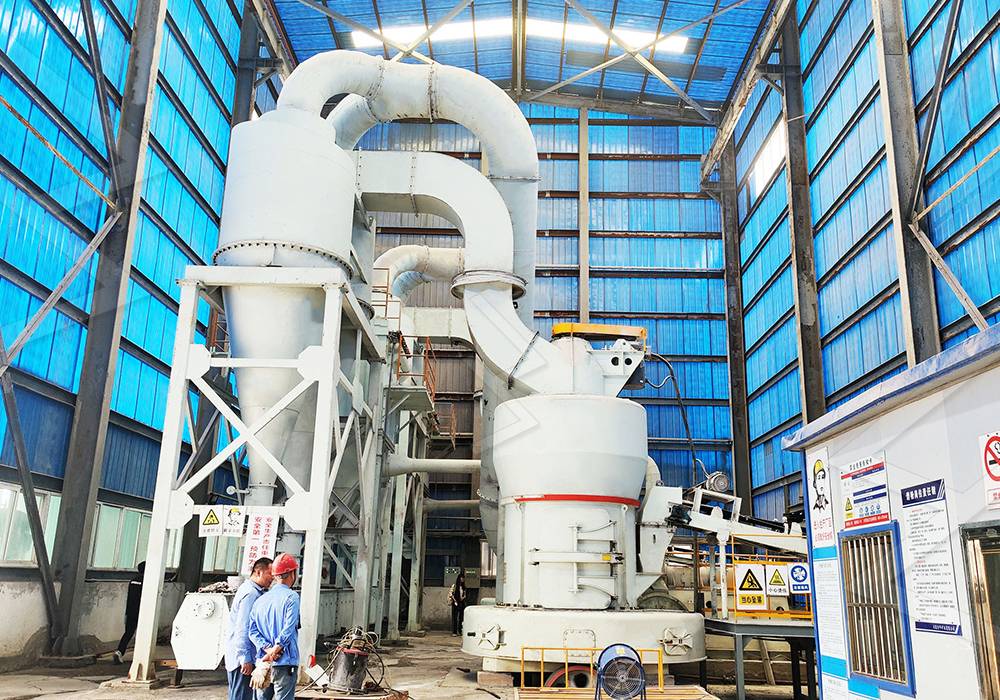
We stand behind every machine we produce. Our integrated business model, covering both production and sales, allows us to take full responsibility for our equipment. We provide comprehensive technical services and guarantee a sufficient supply of original spare parts, ensuring worry-free, continuous operation for our clients. Whether you are upgrading an existing circuit or commissioning a new processing plant, our team is equipped to provide the grinding solution that balances technical specifications with operational economics, all while adhering to the highest standards of environmental stewardship.
Frequently Asked Questions (FAQ)
1. What is the main difference between a traditional Raymond Mill and your MW Ultrafine Grinding Mill?
The primary difference lies in fineness capability and efficiency. While traditional Raymond mills are excellent for fine grinding, the MW Ultrafine Grinding Mill is engineered specifically for ultra-fine powder production (325-2500 meshes). It incorporates a high-precision cage-type powder selector, optimized grinding curves for 40% higher yield than jet mills, and a chamber design without internal rolling bearings, leading to significantly lower energy consumption and higher reliability for ultra-fine applications.
2. For a new mineral processing plant, should I choose a vertical mill (LM series) or a trapezium mill (MTW series)?
The choice depends on your material and process goals. The LM Vertical Grinding Mill is ideal for large-scale operations requiring integrated drying and grinding of non-metallic minerals, coal, or slag, offering massive capacity (up to 340 tph) and excellent energy savings. The MTW European Trapezium Mill is exceptionally versatile for fine grinding of various minerals like feldspar, calcite, and barite, featuring advanced systems like dilute oil lubrication for lower maintenance. Our engineers can help you select the optimal model based on your feed material, required capacity, and product fineness.
3. How does your equipment ensure environmental protection during operation?
Our modern mills are designed with environmental controls as a core feature. They are typically equipped with high-efficiency pulse dust collectors that ensure the entire milling system operates without dust pollution. Additionally, silencers and noise elimination rooms are configured to reduce operational noise. Systems like the MW and LM mills operate under negative pressure, preventing dust spillage, and are designed to fully comply with national and international environmental protection standards.
4. What kind of after-sales support and spare parts availability can we expect?
We provide comprehensive life-cycle support. As a factory covering both production and sales, we take direct responsibility for every machine. We offer detailed technical services, installation guidance, and operational training. Crucially, we guarantee a sufficient and continuous supply of original spare parts manufactured to the same high-precision standards as the original equipment, ensuring long-term, worry-free operation and minimizing unexpected downtime.
5. Can your grinding mills handle hard and abrasive ores?
Yes, our mills are built to handle a range of material hardness. The key is selecting the correct model and configuring it appropriately. For instance, the LM Vertical Grinding Mill uses a grinding roller and millstone that do not contact directly, reducing wear. The pressure on the rollers can be adjusted via the hydraulic system to suit materials of different hardness. Furthermore, grinding rollers and rings are often made from wear-resistant alloys developed in collaboration with scientific institutes, offering a service life 1.7 to 2.5 times longer than traditional high manganese steel parts.