
Raw Mill in Cement Plant: A Complete Guide with PDF and Images
We provide a wide range of mills — including Raymond mill, trapezoidal mill, vertical mill, ultrafine mill, and ball mill, obtained ISO9001 international quality certification, EU CE certification, and Customs Union CU-TR certification. Suitable for processing minerals such as limestone, phosphate, quicklime, kaolin, talc, barite, bentonite, calcium carbonate, dolomite, coal, gypsum, clay, carbon black, slag, cement raw materials, cement clinker, and more.
The discharge range of these mills can be adjusted to meet specific processing needs, typically from 80-400 mesh, 600-3250 mesh, and can achieve the finest particle size of up to 6000 mesh(D50).
If you are looking for a reliable grinding solution to turn stone or minerals into fine powder, please feel free to contact our online customer service.
PDF Download
Liming Heavy Industry Product Catalog
Raw Mill in Cement Plant: A Complete Guide
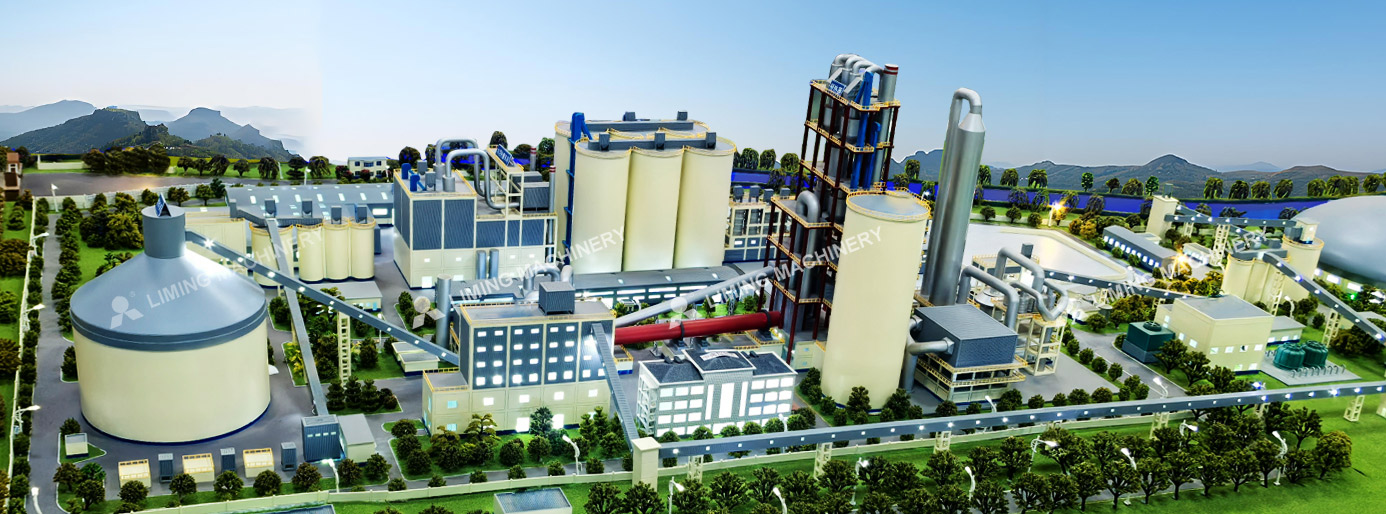
In the complex ecosystem of a cement plant, the raw mill stands as a critical component responsible for transforming quarried raw materials into the fine, homogeneous powder essential for clinker production. This process, known as raw meal preparation, directly influences the quality, efficiency, and environmental footprint of the entire cement manufacturing operation. Understanding the types, functions, and selection criteria for raw mills is paramount for plant operators and engineers.
The Crucial Role of the Raw Mill
The primary function of the raw mill is to grind a blend of limestone, clay, sand, and iron ore to a precise fineness, typically around 90% passing a 90-micron sieve. This finely ground powder, called raw meal, must have a consistent chemical composition to ensure the quality of the final clinker. The grinding process is often combined with drying, especially when raw materials have high moisture content, using hot gases from the kiln preheater tower. This integrated approach enhances thermal efficiency and reduces energy consumption.
Common Types of Raw Mills
Several grinding mill technologies are employed in cement plants, each with distinct advantages. The choice depends on factors like raw material hardness, moisture content, required capacity, and energy efficiency goals.
- Vertical Roller Mills (VRM): The most prevalent choice in modern cement plants. VRMs integrate grinding, drying, and classification in a single unit. They are renowned for their lower energy consumption (30-50% less than ball mills) and compact footprint. Their ability to handle moist materials efficiently makes them highly versatile.
- Ball Mills/Tube Mills: These traditional grinding systems consist of a rotating cylinder filled with steel grinding media. While reliable, they are less energy-efficient than VRMs and are often larger. They are still widely used, especially in older plants or for specific material requirements.
- Roller Presses: Often used in combination with a ball mill (semi-finish grinding) or as a standalone pre-grinder, roller presses apply high pressure to the material bed, causing micro-cracks and making subsequent grinding more efficient.
Advanced Grinding Solutions for Superior Performance
For operations requiring exceptional fineness and efficiency, advanced grinding technologies offer significant benefits. A prime example is our MW Ultrafine Grinding Mill. Engineered for customers who need to produce ultra-fine powder, this mill is an excellent choice for grinding additives like limestone, gypsum, or slag that may be part of the raw mix or used in final cement blending.
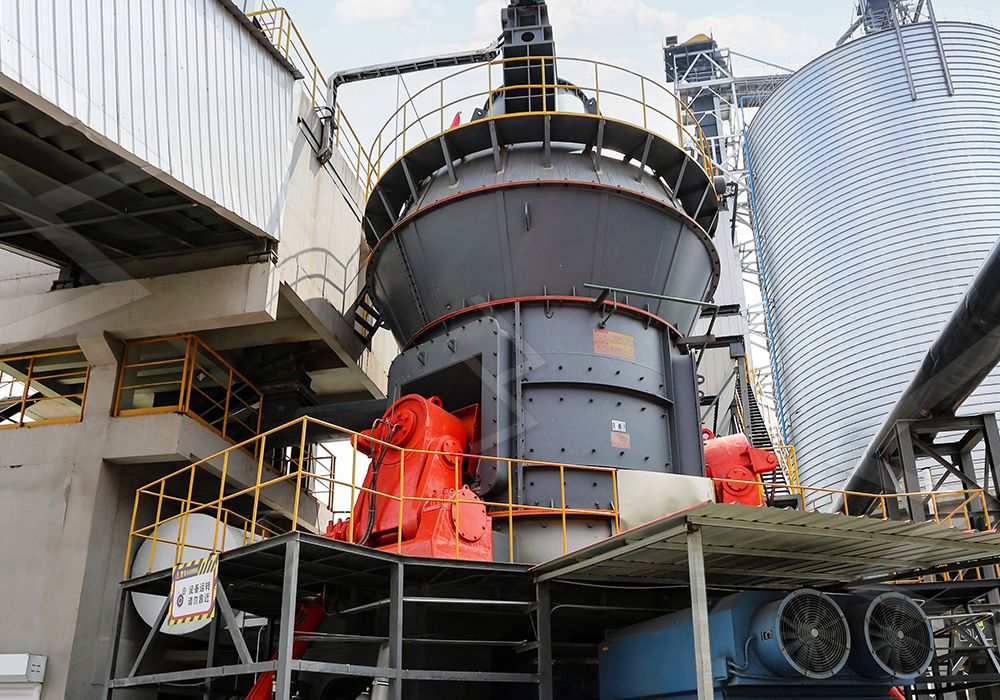
The MW Mill boasts several innovative features that are highly relevant to modern cement production. It achieves higher yielding with lower energy consumption, offering a production capacity 40% higher than jet mills under the same power. Its fineness is adjustable between 325-2500 meshes, providing exceptional control over the final product’s particle size distribution. Furthermore, its design eliminates rolling bearings and screws inside the grinding chamber, mitigating common failure points and enabling worry-free, continuous 24/7 operation. Equipped with an efficient pulse dust collector, it ensures an eco-friendly operation with minimal dust pollution, aligning with stringent environmental standards.
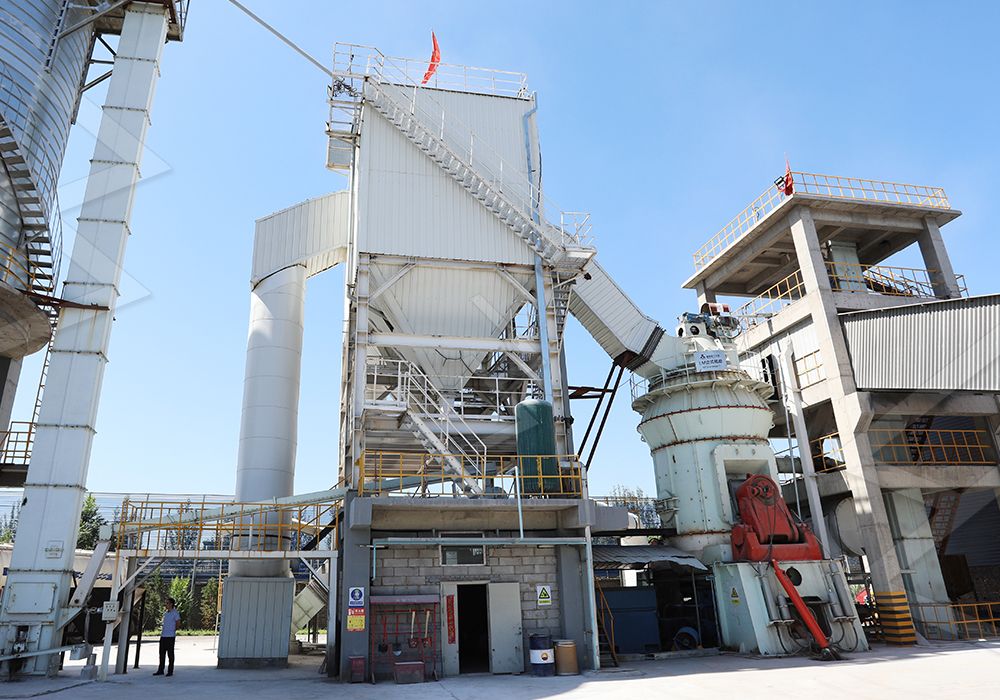
Another robust solution for raw material preparation is the LM Vertical Grinding Mill. This mill integrates crushing, drying, grinding, classifying, and conveying into one cohesive system. Its coverage area is reduced by 50% compared to a ball mill, and it saves 30%-40% in energy consumption. The materials have a short residence time in the mill, which reduces repeated grinding and helps maintain a low iron content in the product, ensuring high whiteness and purity. This makes the LM Vertical Mill a comprehensive and efficient choice for processing non-metallic minerals and slag.
Key Considerations for Raw Mill Selection
Selecting the right raw mill involves a careful analysis of several factors:
- Raw Material Properties: Hardness, abrasiveness, moisture content, and feed size.
- Production Capacity: The required throughput in tons per hour (tph).
- Energy Efficiency: Power consumption per ton of product, a major operational cost.
- Product Fineness: The target Blaine value or residue on specific sieves.
- Drying Requirements: The mill’s ability to handle and dry wet materials.
- Operational & Maintenance Costs: Ease of maintenance, availability of spare parts, and overall reliability.
Frequently Asked Questions (FAQ)
What is the most energy-efficient type of raw mill?
Vertical Roller Mills (VRMs) are generally the most energy-efficient technology for raw material grinding in cement plants, typically consuming 30-50% less energy than traditional ball mills.
Why is the fineness of raw meal so important?
Correct fineness ensures a high specific surface area, which promotes complete and uniform chemical reactions during clinkerization in the kiln. This leads to higher-quality clinker with better strength characteristics.
How does a raw mill handle wet raw materials?
VRMs and some ball mills are equipped with internal drying chambers. Hot gases, usually sourced from the kiln preheater, are introduced into the mill to evaporate moisture from the raw materials simultaneously during the grinding process.
What are the main maintenance challenges for a raw mill?
Common challenges include wear of grinding elements (rollers, table liners), proper lubrication of mechanical parts, and maintaining the efficiency of classifiers and dust collection systems. Choosing a mill with a robust design, like those featuring external lubrication systems and wear-resistant alloys, can significantly reduce downtime.