
Phosphorite Hammer Mill for Efficient Powder Processing
We provide a wide range of mills — including Raymond mill, trapezoidal mill, vertical mill, ultrafine mill, and ball mill, obtained ISO9001 international quality certification, EU CE certification, and Customs Union CU-TR certification. Suitable for processing minerals such as limestone, phosphate, quicklime, kaolin, talc, barite, bentonite, calcium carbonate, dolomite, coal, gypsum, clay, carbon black, slag, cement raw materials, cement clinker, and more.
The discharge range of these mills can be adjusted to meet specific processing needs, typically from 80-400 mesh, 600-3250 mesh, and can achieve the finest particle size of up to 6000 mesh(D50).
If you are looking for a reliable grinding solution to turn stone or minerals into fine powder, please feel free to contact our online customer service.
Phosphorite Hammer Mill for Efficient Powder Processing
When it comes to grinding phosphorite, operators often face a tough balancing act. They need high throughput, consistent fineness, and low operating costs—all while keeping the equipment running smoothly. A phosphorite hammer mill, when designed with modern engineering principles, can deliver on all fronts. This article dives into the practical aspects of processing phosphorite, focusing on mill selection, operational tips, and real-world performance considerations.
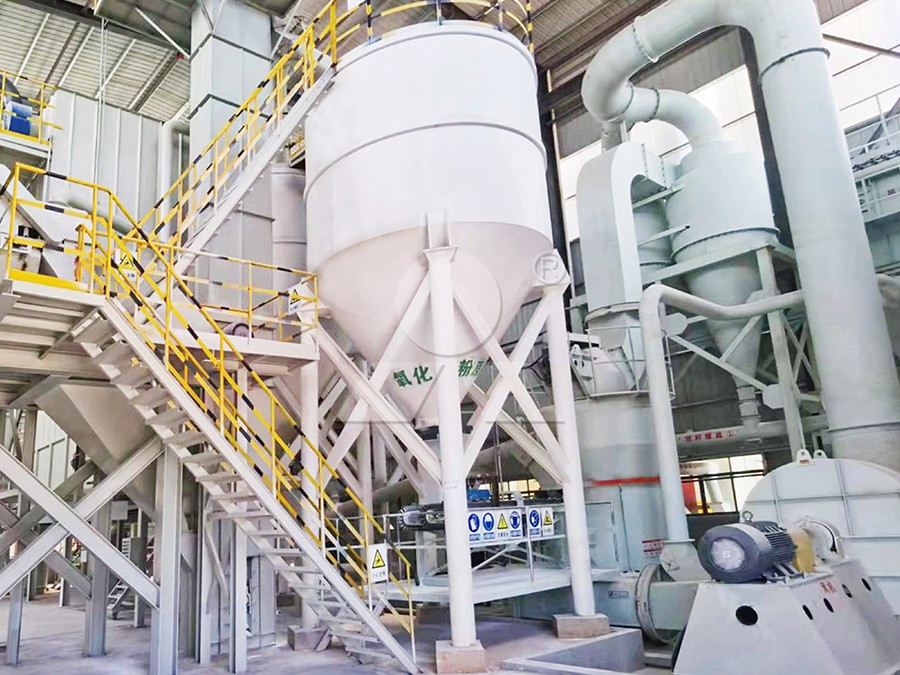
Why Phosphorite Demands Specialized Milling
Phosphorite, or phosphate rock, is a sedimentary rock that contains high levels of phosphorus. It’s a critical raw material for fertilizers, animal feed supplements, and industrial chemicals. The challenge? Phosphorite varies in hardness, moisture content, and abrasive nature depending on the source deposit. Some grades are soft and friable; others are tough and gritty. A generic hammer mill might handle soft feed, but it quickly wears out when dealing with harder phosphorite. That’s why purpose-built mills like LIMING’s MW Ultrafine Grinding Mill are engineered with wear-resistant materials and optimized grinding curves. The MW series handles input sizes up to 20 mm and delivers capacities from 0.5 to 25 tph, making it a versatile choice for phosphorite processing lines.
Key Features That Make a Difference
Let’s break down the design elements that matter most for phosphorite milling:
- Durable Grinding Elements: The grinding roller and ring assemblies on the MW Ultrafine Grinding Mill are made from wear-resistant alloy. This cuts downtime for replacement and keeps the mill running for longer stretches between maintenance intervals.
- Precision Classification: A cage-type powder selector, adapted from German technology, allows fineness adjustment between 325 and 2500 mesh. This is crucial for phosphorite, which often requires d97≤5μm for high-grade fertilizer applications.
- Low Maintenance Chamber: There are no rolling bearings or screws inside the grinding chamber. This eliminates common failure points like bearing seal damage or loose hardware. The lubrication system is external, so you can grease the main shaft without stopping production.
- Eco-Friendly Operation: An integrated pulse dust collector captures fine particles, and a muffler reduces noise. This helps plants meet strict environmental standards without sacrificing output.
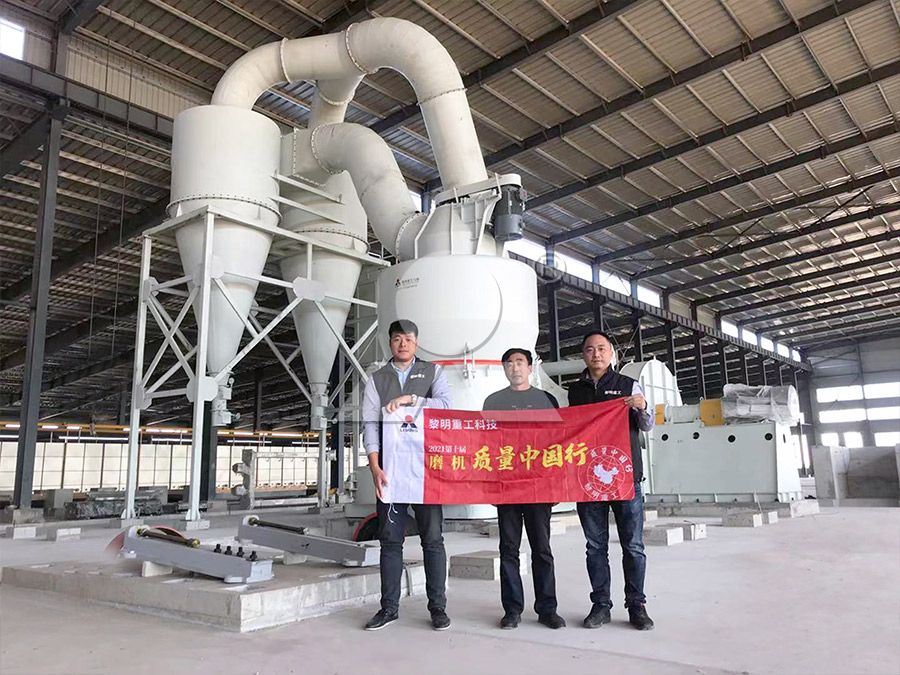
How the MW Ultrafine Grinding Mill Handles Phosphorite
The working principle is straightforward but effective. The motor turns the main shaft and turnplates via a reducer. Dozens of rollers rotate against a raceway ring, crushing phosphorite particles as they pass through multiple grinding stages. Material enters through a vibrating feeder, falls onto the center of the upper turnplate, and moves outward by centrifugal force. After the first raceway pass, it goes to the second and third turnplates for finer grinding. A blower pulls air through the mill, carrying fine powder to the separator. The turbine inside the separator returns coarse particles for regrinding, while finished powder goes to a cyclone collector and then to storage or packaging.
This multi-stage approach ensures that phosphorite is ground efficiently without over-grinding. The material stays in the mill for a short time, which reduces energy waste and minimizes iron contamination. For operators processing phosphorite for fertilizer or chemical applications, this translates to higher whiteness, better purity, and consistent particle size distribution.
Optimizing Your Phosphorite Milling Line
Getting the most out of your hammer mill isn’t just about the machine itself. Here are practical tips to improve performance:
- Feed Preparation: Keep input size under 20 mm for the MW series. Use a primary crusher if needed. Oversized lumps reduce throughput and can damage the grinding chamber.
- Moisture Control: Phosphorite with high moisture tends to clog screens and reduce airflow. If your feed exceeds 10% moisture, consider a drying step before milling or use a mill with integrated drying capability, like LIMING’s LM Vertical Grinding Mill, which handles input sizes up to 70 mm and combines grinding with hot air drying.
- Classifier Settings: Adjust the rotor speed of the powder separator to match your target fineness. For phosphorite destined for fertilizer, 200-400 mesh is typical. For specialty chemicals, aim for 800-1250 mesh.
- Regular Inspection: Check the grinding roller surfaces and ring liners for wear. Because the MW mill has no internal bearings, inspection is quick. Replace worn parts according to the manufacturer’s schedule to avoid sudden breakdowns.
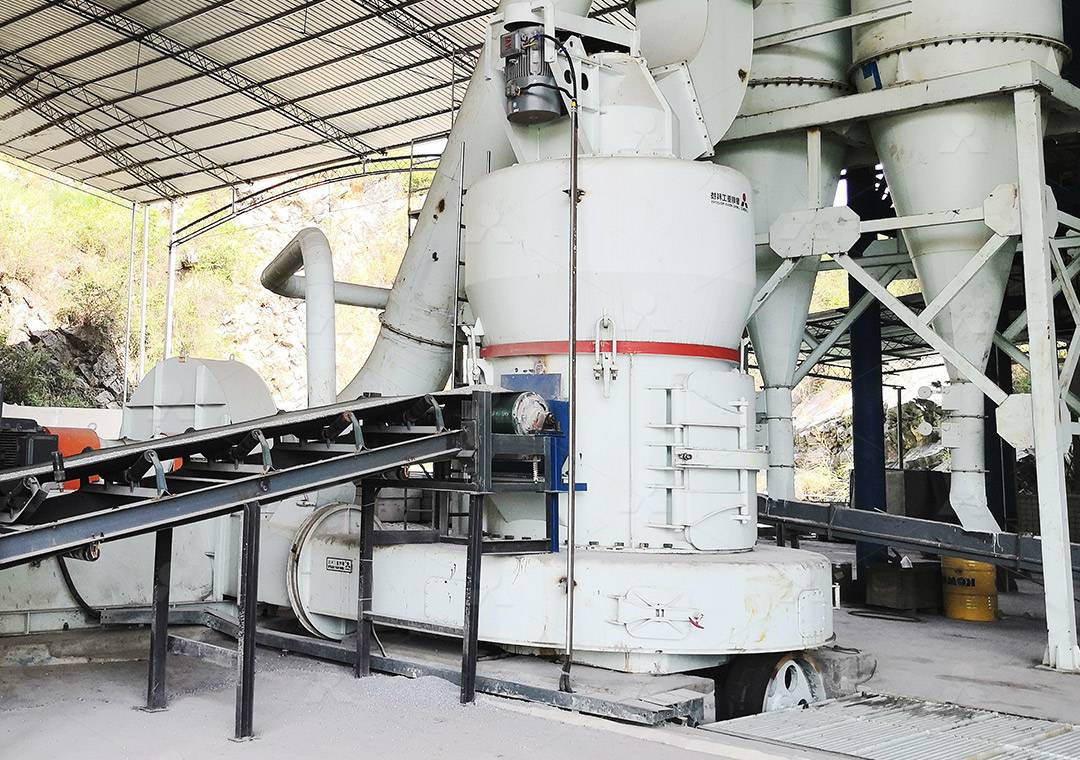
Real-World Performance Data
In a recent installation at a phosphate processing plant in North Africa, the MW Ultrafine Grinding Mill processed phosphorite with a feed size of 10-15 mm at 12 tph. The target fineness was d97=45 μm (325 mesh). The mill achieved a 40% higher yield compared to the previous jet mill setup, while energy consumption dropped to 30% of the jet mill’s levels. The plant reported no dust leakage issues, and noise levels remained below 85 dB at the operator station. This kind of data shows why modern hammer mills are replacing older technologies in phosphorite grinding.
Choosing Between MW and LUM for Phosphorite
Both the MW Ultrafine Grinding Mill and the LUM Ultrafine Vertical Grinding Mill are excellent for phosphorite. The MW mill is ideal for lower capacities (0.5-25 tph) and finer powders (down to 2500 mesh). Its compact footprint and external lubrication make it a good fit for smaller plants or those requiring frequent product changes. The LUM mill, on the other hand, handles 5-18 tph and uses a vertical design with PLC-controlled multi-head powder separation. It reduces energy consumption by 30-50% compared to common mills and has a reversible structure for faster roller maintenance. If you need high capacity with maximum automation, the LUM is the better choice. For maximum fineness and flexibility, go with the MW.
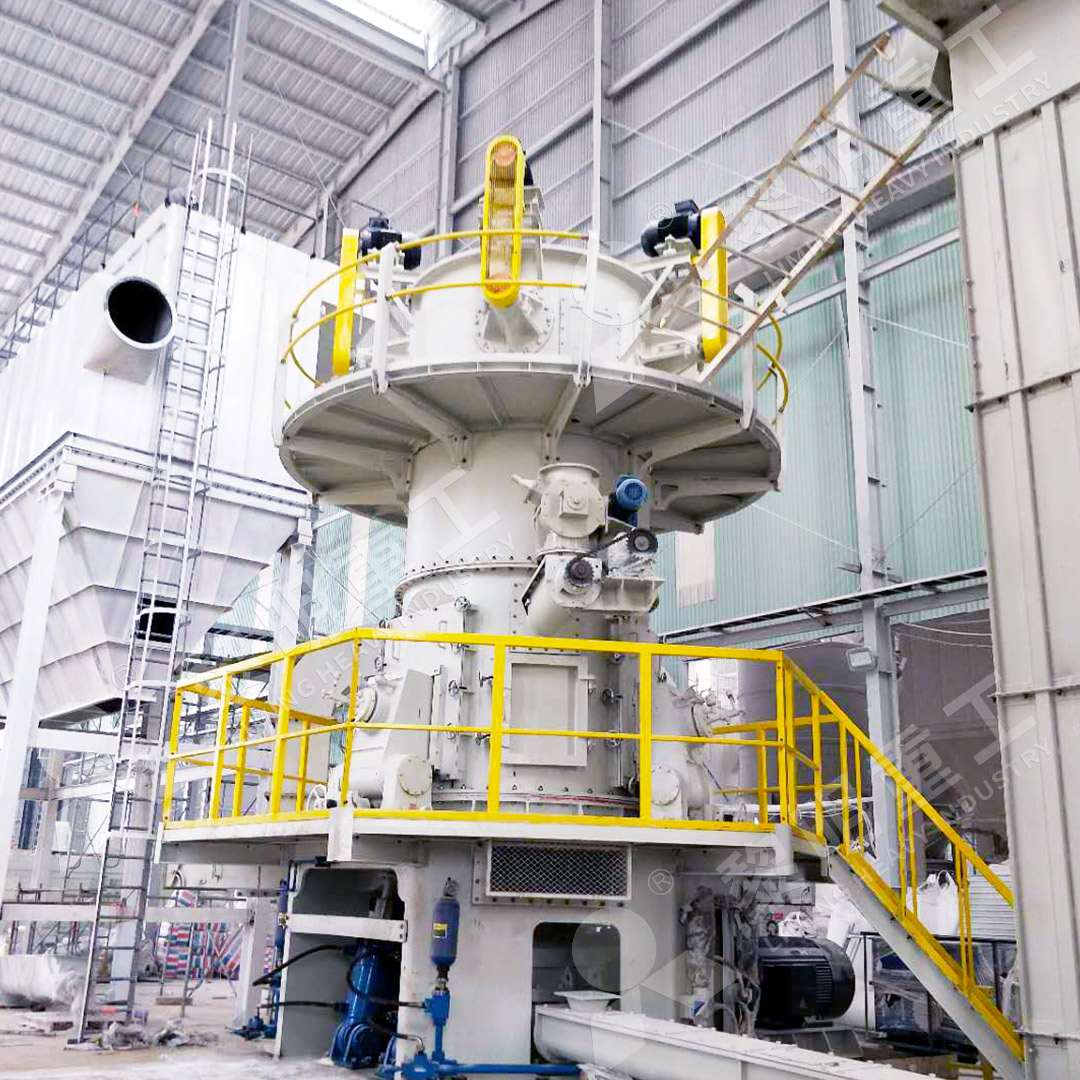
Conclusion
Phosphorite processing doesn’t have to be a headache. With a well-designed hammer mill like LIMING’s MW Ultrafine Grinding Mill or LUM Ultrafine Vertical Grinding Mill, you can achieve high throughput, consistent quality, and low operating costs. Key design features such as wear-resistant components, precision classifiers, and eco-friendly dust control make these mills stand out. By combining the right equipment with smart operational practices, your phosphorite milling line will run efficiently for years.
For more details on how our mills can fit your specific phosphorite grinding needs, contact LIMING’s technical team. We provide original spare parts, digital machining precision, and comprehensive support to keep your operation worry-free.
Frequently Asked Questions
- What is the maximum feed size for the MW Ultrafine Grinding Mill when processing phosphorite?
The recommended input size is 0-20 mm. Larger particles should be pre-crushed to avoid damaging the grinding chamber or reducing throughput. - Can the MW mill handle phosphorite with high moisture content?
The MW mill is designed for dry grinding. If moisture exceeds 10%, consider pre-drying the feed or using the LM Vertical Grinding Mill, which integrates drying and grinding. - What fineness range can I achieve with the MW Ultrafine Grinding Mill for phosphorite?
You can adjust the fineness between 325 and 2500 mesh. The cage-type powder selector ensures high precision, with a screening rate of d97≤5μm achievable in one pass. - How does the energy consumption of the MW mill compare to a ball mill for phosphorite?
The MW mill uses about 30% of the energy of a jet mill and delivers a yield twice as large as a ball mill under the same power and fineness conditions. Energy savings are significant. - What maintenance is required for the grinding rollers in the MW mill?
Because there are no rolling bearings or screws in the chamber, maintenance is minimal. Check roller surfaces and ring liners periodically for wear. The external lubrication system allows oil changes without stopping the mill. - Is the LUM Ultrafine Vertical Grinding Mill suitable for phosphorite with high abrasiveness?
Yes. The LUM mill uses Taiwan grinding roller technology and German powder separation. The roller shell and lining plate are designed with special grinding curves that reduce wear and extend service life. - How do I control dust when grinding phosphorite with these mills?
Both the MW and LUM mills are equipped with efficient pulse dust collectors. The entire system operates under negative pressure, so no dust escapes. Mufflers further reduce noise to meet environmental standards. - Can the MW mill be integrated into an existing phosphorite processing line?
Absolutely. The mill has a compact footprint and can be installed outdoors. It integrates easily with upstream crushers, elevators, and downstream packaging systems. - What spare parts should I keep in stock for the MW Ultrafine Grinding Mill?
Keep spare grinding roller assemblies, ring liners, classifier rotor blades, and filter bags for the pulse dust collector. LIMING provides original spare parts to ensure worry-free operation. - How do I choose between the MW and LUM mill for my phosphorite project?
Consider your required capacity and fineness. The MW mill is best for 0.5-25 tph and ultra-fine powders. The LUM mill suits 5-18 tph with a focus on energy efficiency and automation. Contact LIMING for a personalized recommendation based on your material specs and production goals.