
YGM130 High Pressure Grinding Mill: Technical Specifications and Industrial Applications
We provide a wide range of mills — including Raymond mill, trapezoidal mill, vertical mill, ultrafine mill, and ball mill, obtained ISO9001 international quality certification, EU CE certification, and Customs Union CU-TR certification. Suitable for processing minerals such as limestone, phosphate, quicklime, kaolin, talc, barite, bentonite, calcium carbonate, dolomite, coal, gypsum, clay, carbon black, slag, cement raw materials, cement clinker, and more.
The discharge range of these mills can be adjusted to meet specific processing needs, typically from 80-400 mesh, 600-3250 mesh, and can achieve the finest particle size of up to 6000 mesh(D50).
If you are looking for a reliable grinding solution to turn stone or minerals into fine powder, please feel free to contact our online customer service.
YGM130 High Pressure Grinding Mill: Technical Specifications and Industrial Applications
In the demanding world of mineral processing and powder production, achieving consistent fineness with high throughput and operational reliability is paramount. The YGM130 High Pressure Grinding Mill stands as a robust and proven solution, engineered to deliver exceptional performance in a wide range of industrial applications. This article delves into the technical specifications, core working principles, and the diverse sectors where the YGM130 proves its mettle.
Core Design and Working Principle
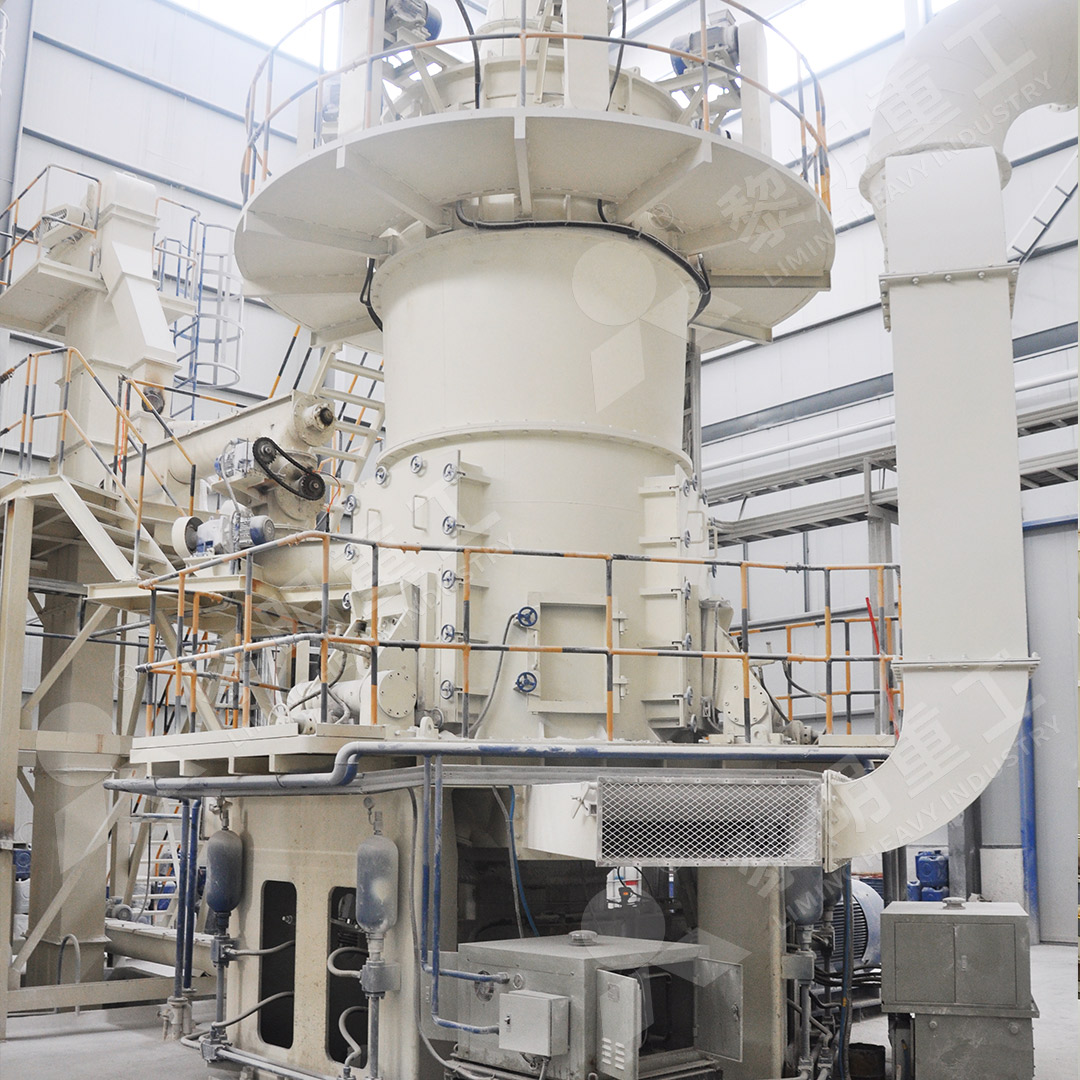
The YGM130 operates on a time-tested yet highly efficient principle. The system comprises a main frame, grinding roller assembly, grinding ring, classifier, piping device, blower, jaw crusher, bucket elevator, electromagnetic vibrating feeder, and control cabinet. The central component is the grinding chamber, where multiple grinding rollers, suspended under high pressure from a spring linkage system, rotate against a stationary grinding ring.
The process begins with raw material being crushed to a specified size (typically under 25mm) and fed uniformly into the grinding chamber. Under the action of centrifugal force, the rollers swing outward and press tightly against the ring. The material is scooped up by a shovel blade and fed between the roller and ring, where it is subjected to intense compressive force and ground into powder. The ground material is then carried by the air stream from the blower to the high-efficiency classifier. Fine powder meeting the fineness requirement passes through the classifier and is collected as the final product, while coarse particles are returned to the chamber for regrinding, forming a continuous closed-circuit cycle.
Key Technical Specifications and Features
The YGM130 is distinguished by several key features that contribute to its reliability and efficiency:
- High Grinding Pressure & Stable Output: The unique spring linkage system applies constant and adjustable high pressure to the grinding rollers, ensuring stable grinding force and consistent product fineness even with fluctuations in material hardness.
- Wide Adjustable Fineness Range: Equipped with an efficient separator, the mill can produce powders with fineness ranging from 30 to 425 mesh (approximately 0.613mm to 0.033mm). This flexibility allows it to cater to various product specifications.
- Durable Wear Parts: Critical components like the grinding rollers and ring are forged from high-chromium alloy or high-manganese steel, offering exceptional wear resistance and significantly extending service life, which reduces maintenance frequency and cost.
- Environmental Compliance: The entire milling system operates under negative pressure, effectively preventing dust leakage. It can be optionally equipped with pulse dust collectors and silencers, ensuring clean and quiet operation that meets stringent environmental standards.
- Compact Structure & High Automation: The integrated design saves floor space. The electrical control system allows for easy local or remote operation, monitoring key parameters like grinding pressure and classifier speed for optimized performance.
Primary Industrial Applications
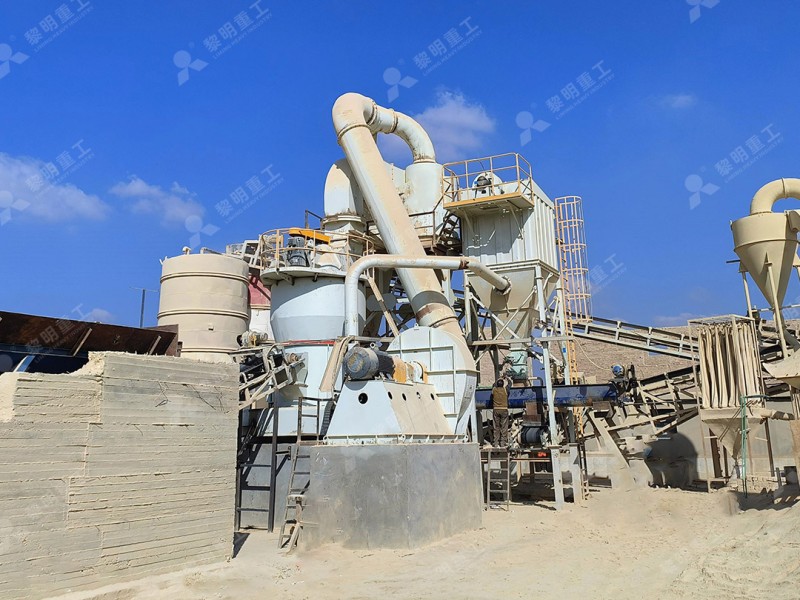
The YGM130’s ability to handle non-flammable and non-explosive materials with Mohs hardness below 9.3 and humidity below 6% makes it incredibly versatile. Its primary application sectors include:
- Mining and Metallurgy: Grinding a vast array of ores and minerals such as quartz, feldspar, barite, fluorite, iron ore, copper ore, gold ore, cement clinker, and slag.
- Construction Materials: Producing fine powders for products like gypsum, limestone, clay, and activated carbon used in wallboard, concrete additives, and other building materials.
- Chemical Industry: Processing chemical raw materials, pigments, ceramics, and abrasives to required specifications.
- Power Generation: Pulverizing coal for fuel in thermal power plants.
For projects requiring even finer powders, down to the micron level, our MW Ultrafine Grinding Mill presents an ideal advanced solution. Capable of producing powders between 325 to 2500 meshes, the MW series is designed for high-yield, low-energy consumption processing of materials like calcium carbonate, talc, and mica, making it perfect for high-value industries like plastics, paints, and cosmetics.
Choosing the Right Mill for Your Needs
While the YGM130 excels in high-pressure grinding for medium-fine powders, selecting the optimal equipment depends on your target fineness, capacity, and material characteristics. For large-scale projects involving non-metallic minerals or industrial by-products like slag, our LM Vertical Grinding Mill series offers unparalleled efficiency. Integrating crushing, grinding, drying, and classifying in a single unit, LM mills reduce energy consumption by 30-40% and footprint by 50% compared to traditional ball mills, representing a comprehensive and cost-effective solution for modern, high-capacity production lines.
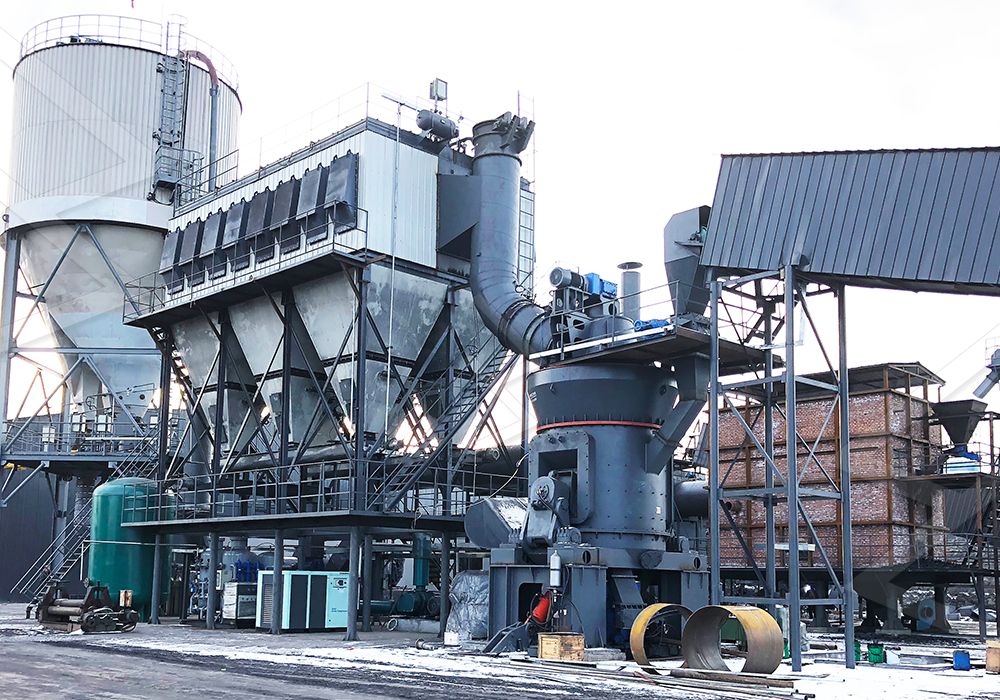
In conclusion, the YGM130 High Pressure Grinding Mill remains a cornerstone of reliable powder processing technology. Its robust construction, operational simplicity, and adaptability secure its place in countless industrial settings. For specialized requirements in ultra-fine grinding or high-volume vertical milling, our complementary product lines ensure that we can provide a tailored, high-performance solution for virtually any grinding challenge.
Frequently Asked Questions (FAQ)
- What is the maximum feed size for the YGM130 mill?
The maximum recommended feed size is 25mm. Material should be pre-crushed by a jaw crusher to this size for optimal grinding efficiency and to prevent blockages. - Can the YGM130 handle moist materials?
The standard YGM130 is designed for materials with moisture content below 6%. For grinding materials with higher moisture, a separate dryer is required before the milling process, or you may consider our LM Vertical Mill which integrates a drying function. - How is the fineness of the final product controlled?
Fineness is primarily controlled by adjusting the speed of the built-in classifier. Increasing the classifier speed results in finer product, while decreasing it allows coarser particles to pass. - What are the main wear parts, and what is their typical service life?
The main wear parts are the grinding rollers and the grinding ring. Their service life varies greatly depending on the material’s abrasiveness, ranging from several hundred to over a thousand hours. They are designed for easy replacement. - Is the mill system noisy?
The grinding operation itself generates some noise. However, the system can be equipped with silencers and an acoustic enclosure room to significantly reduce noise levels, ensuring compliance with workplace regulations. - What kind of after-sales support is available?
We provide comprehensive support including installation guidance, operational training, a ready supply of genuine spare parts, and technical troubleshooting to ensure worry-free long-term operation of your equipment.