
YGM High Pressure Suspension Grinding Mill for Magnesite Processing
We provide a wide range of mills — including Raymond mill, trapezoidal mill, vertical mill, ultrafine mill, and ball mill, obtained ISO9001 international quality certification, EU CE certification, and Customs Union CU-TR certification. Suitable for processing minerals such as limestone, phosphate, quicklime, kaolin, talc, barite, bentonite, calcium carbonate, dolomite, coal, gypsum, clay, carbon black, slag, cement raw materials, cement clinker, and more.
The discharge range of these mills can be adjusted to meet specific processing needs, typically from 80-400 mesh, 600-3250 mesh, and can achieve the finest particle size of up to 6000 mesh(D50).
If you are looking for a reliable grinding solution to turn stone or minerals into fine powder, please feel free to contact our online customer service.
Unlocking Value in Magnesite: The High-Pressure Grinding Advantage
Magnesite, a critical industrial mineral prized for its high magnesium oxide content, presents unique challenges in processing. Achieving the precise particle size distribution required for refractory, agricultural, or chemical applications demands robust and efficient grinding technology. Traditional milling methods often fall short, struggling with hardness variations, energy inefficiency, and inconsistent product quality. This is where the specialized engineering of the YGM High Pressure Suspension Grinding Mill delivers a decisive advantage, transforming raw magnesite into high-value, uniformly fine powders.
The Mechanics of Precision: How YGM Tackles Magnesite
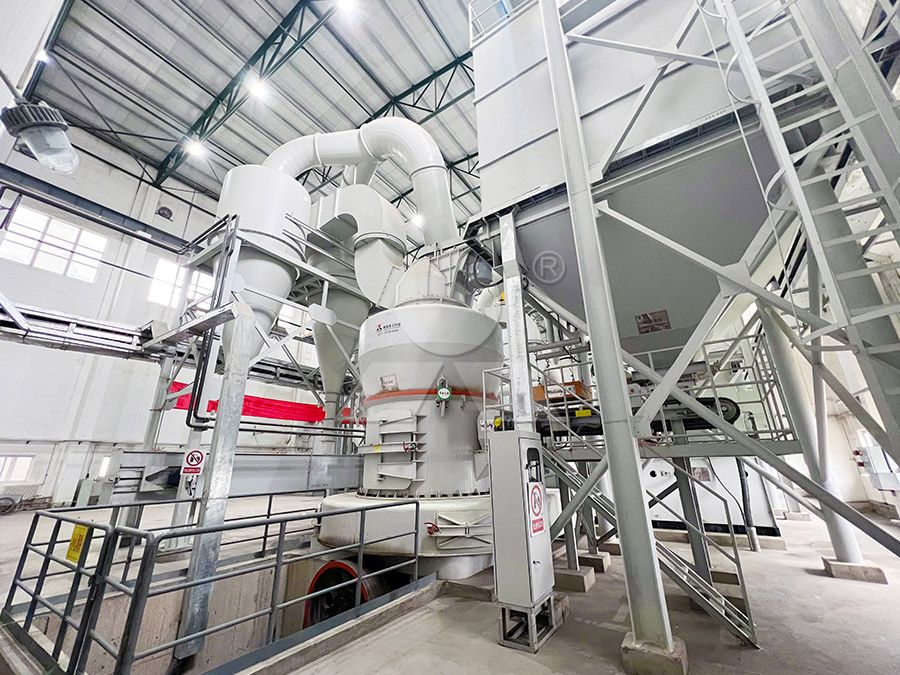
At the heart of the YGM mill’s effectiveness is its high-pressure spring system. When grinding magnesite, the grinding rollers are forced against the grinding ring under pressures ranging from 800 to 1200 kg-force. This immense pressure, applied to the material bed on the rotating grinding table, causes inter-particle comminution—a highly efficient method that fractures the magnesite along its natural grain boundaries. The suspended roller assembly allows for a floating grinding action, which absorbs mechanical shock from ungrindable debris, protecting the mill’s core components and ensuring operational stability even with fluctuating feed quality.
The integrated centrifugal classifier is another cornerstone of the system. It provides instant separation of ground magnesite powder, continuously returning oversized particles for regrinding. This closed-circuit design allows for real-time control over fineness, typically enabling products ranging from 30 to 425 mesh. For processors targeting ultra-fine magnesite powders beyond this range, such as those used in advanced ceramics or flame retardants, a secondary milling stage with an ultra-fine grinder becomes an excellent complementary solution.
Beyond YGM: Optimizing Your Circuit for Ultra-Fine Products
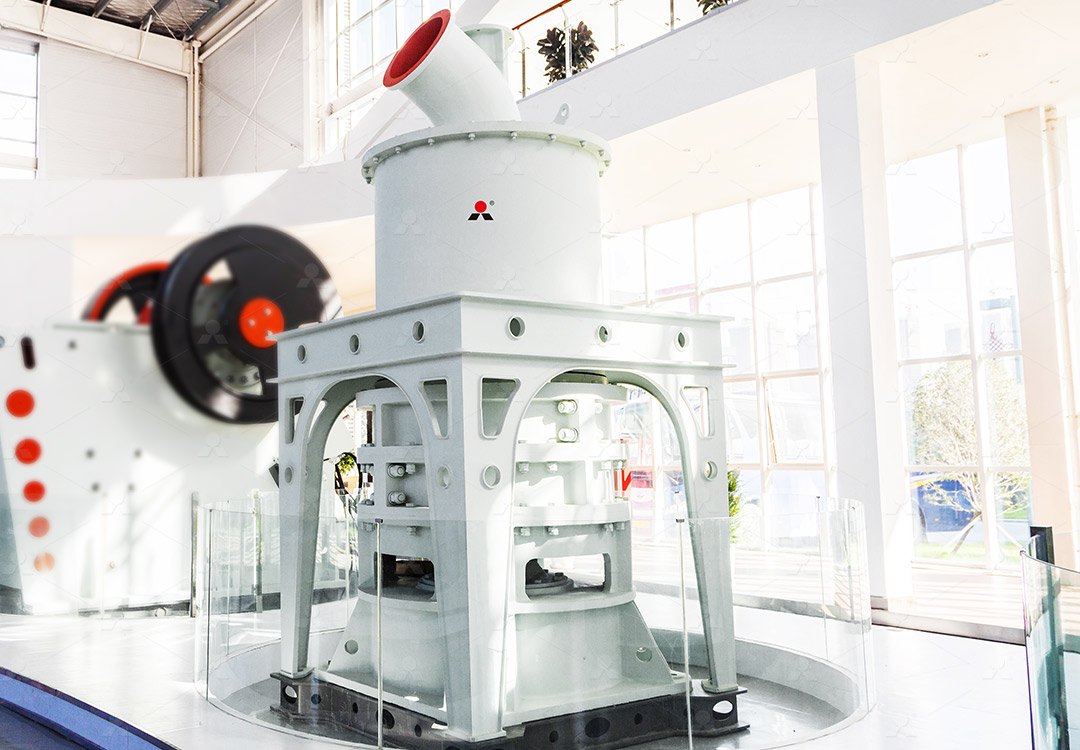
While the YGM mill excels at producing fine magnesite powders for most mainstream applications, some high-end markets demand sub-10-micron or even nanometer-scale particles. For these stringent requirements, integrating a dedicated ultra-fine grinding mill into the circuit after initial YGM processing is a proven strategy. Our MW Ultrafine Grinding Mill is engineered precisely for this purpose. Capable of handling feed sizes up to 20mm and with a throughput of 0.5 to 25 tons per hour, the MW mill can take pre-ground magnesite from the YGM and refine it to an exceptional fineness between 325 and 2500 meshes.
The MW mill’s standout feature is its German-derived cage-type powder selector, which ensures precise particle classification with a screening rate achieving d97≤5μm in a single pass. Its innovative design, featuring no rolling bearings or screws in the grinding chamber, eliminates common failure points and allows for external lubrication without shutdown. This translates to worry-free, 24/7 operation, making it the ideal partner to a YGM system for producing premium-grade magnesite powders.
Key Benefits for Magnesite Processors
- Enhanced Yield & Uniformity: The high-pressure grinding principle maximizes throughput while producing a consistent particle size curve, critical for magnesite’s performance in refractory bricks.
- Superior Energy Efficiency: Compared to traditional ball mills, the YGM system can reduce specific energy consumption by up to 30% for the same output, significantly lowering operational costs.
- Low Contamination & High Purity: The grinding mechanism minimizes iron wear from the mill itself. Combined with effective magnetic separation before and after milling, it helps maintain the high chemical purity of the magnesite product.
- Environmental Compliance: The fully enclosed system, equipped with efficient pulse-jet bag filters, ensures a dust-free operation. Noise levels are kept to a minimum, meeting strict international environmental standards.
A Complete Solution from Crushing to Classification
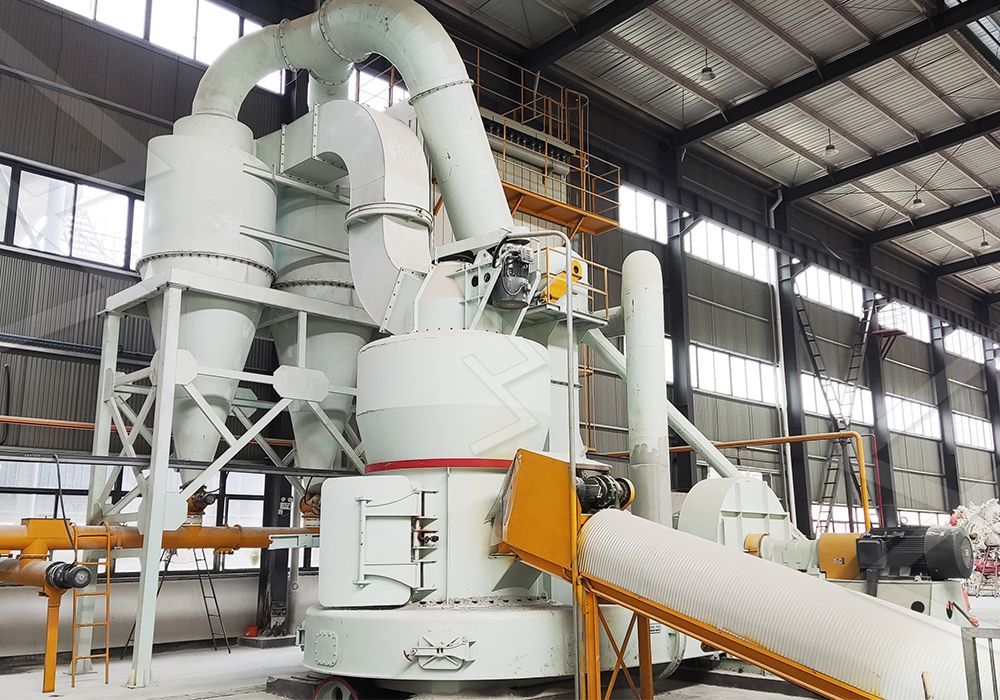
Successful magnesite processing doesn’t end with grinding. A holistic approach considers the entire size reduction chain. For primary and secondary crushing of raw magnesite ore, robust jaw and cone crushers prepare the sub-25mm feed ideal for the YGM mill. The ground product then moves through efficient conveying and lifting equipment to storage or packaging. For operations requiring even greater versatility across different mineral types, our LUM Ultrafine Vertical Grinding Mill offers another top-tier option. With its advanced roller technology and ability to handle materials like calcite and dolomite at 5-18 tph, it provides a flexible, high-performance grinding platform for diverse mineral processing plants.
Ultimately, selecting the right grinding technology is a strategic decision that impacts product quality, operational expense, and plant profitability. The YGM High Pressure Suspension Grinding Mill, often complemented by the ultra-fine capabilities of the MW Mill, provides a reliable, efficient, and scalable foundation for building a competitive magnesite processing business.
Frequently Asked Questions (FAQ)
- What is the typical feed size for magnesite in a YGM High Pressure Mill?
The YGM mill is designed to effectively grind magnesite with a feed size of less than 25mm. For optimal efficiency, a two-stage crushing circuit is recommended to prepare the ore. - Can the YGM mill achieve ultra-fine grinding below 10 microns?
The YGM mill is optimized for fine grinding up to 425 mesh (approx. 30 microns). For consistent production of ultra-fine magnesite powder below 10 microns (over 1250 mesh), we recommend using it as a primary grinder followed by our specialized MW Ultrafine Grinding Mill. - How does the mill handle variations in magnesite hardness?
The adjustable high-pressure spring system allows operators to increase or decrease the grinding force applied by the rollers. This flexibility compensates for hardness variations in the feed material, ensuring stable product fineness. - What are the main wear parts, and what is their service life?
The primary wear parts are the grinding rollers and the grinding ring. Their service life depends on magnesite abrasiveness but they are manufactured from high-chromium alloy for extended durability, often lasting several thousand hours. - Is the system automated?
Yes, the YGM mill can be equipped with a PLC-based control system that monitors and regulates key parameters like feeder speed, grinding pressure, and classifier rotation, enabling consistent quality with minimal manual intervention. - What dust collection system is integrated?
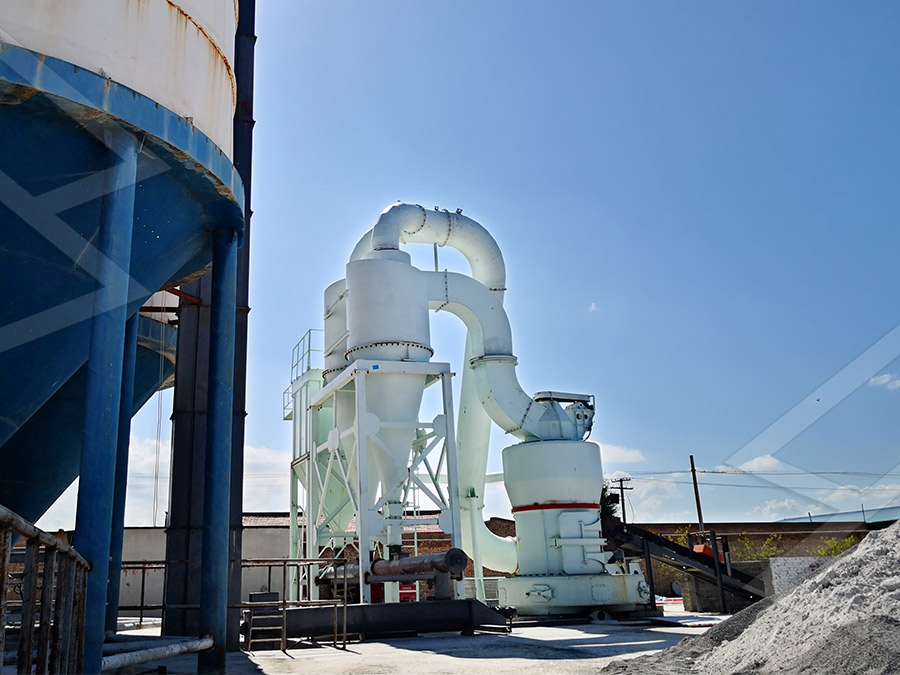
The standard configuration includes a high-efficiency pulse-jet baghouse dust collector, ensuring over 99.9% collection efficiency and a clean, safe working environment that meets global emission standards.