
World Demand for Marble Reaches 13 Million Tons: Market Analysis and Grinding Solutions
We provide a wide range of mills — including Raymond mill, trapezoidal mill, vertical mill, ultrafine mill, and ball mill, obtained ISO9001 international quality certification, EU CE certification, and Customs Union CU-TR certification. Suitable for processing minerals such as limestone, phosphate, quicklime, kaolin, talc, barite, bentonite, calcium carbonate, dolomite, coal, gypsum, clay, carbon black, slag, cement raw materials, cement clinker, and more.
The discharge range of these mills can be adjusted to meet specific processing needs, typically from 80-400 mesh, 600-3250 mesh, and can achieve the finest particle size of up to 6000 mesh(D50).
If you are looking for a reliable grinding solution to turn stone or minerals into fine powder, please feel free to contact our online customer service.
World Demand for Marble Reaches 13 Million Tons: Market Analysis and Grinding Solutions
The global construction and design industries are witnessing an unprecedented surge in marble consumption, with recent market analysis indicating worldwide demand has reached a staggering 13 million tons annually. This remarkable growth is driven by several key factors reshaping the industrial landscape.
Market Drivers Behind the Marble Boom
Several converging trends are fueling this marble renaissance. The post-pandemic construction rebound has accelerated infrastructure development globally, particularly in emerging economies. Luxury residential projects, commercial spaces, and public infrastructure are increasingly incorporating marble for its timeless aesthetic appeal and durability. Additionally, the growing middle class in developing nations is demonstrating stronger purchasing power for premium building materials.
Beyond traditional construction applications, marble powder is finding new life in diverse industries. The chemical sector utilizes ultra-fine marble powder in plastics, paints, and adhesives as fillers and extenders. Cosmetic manufacturers value its gentle abrasive properties and bright white coloration. Even the food industry employs food-grade marble powder as a calcium additive and anti-caking agent.
The Critical Role of Advanced Grinding Technology
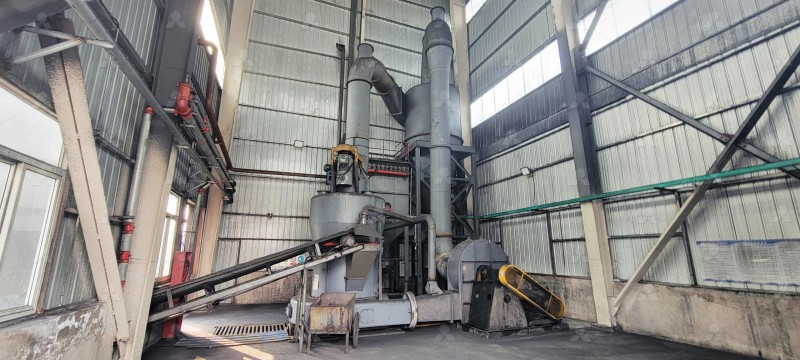
Meeting this escalating demand while maintaining quality standards requires sophisticated grinding solutions. Traditional milling equipment often struggles with marble’s specific characteristics – its relative softness can lead to overgrinding, while variations in hardness within deposits demand flexible processing parameters.
Modern marble processing facilities require grinding systems that can deliver precise particle size distribution, high throughput capacity, and energy efficiency. The ability to produce powders ranging from coarse aggregates to ultra-fine particles (below 10 microns) is particularly valuable for maximizing product value across different market segments.
Specialized Equipment for Maximum Efficiency
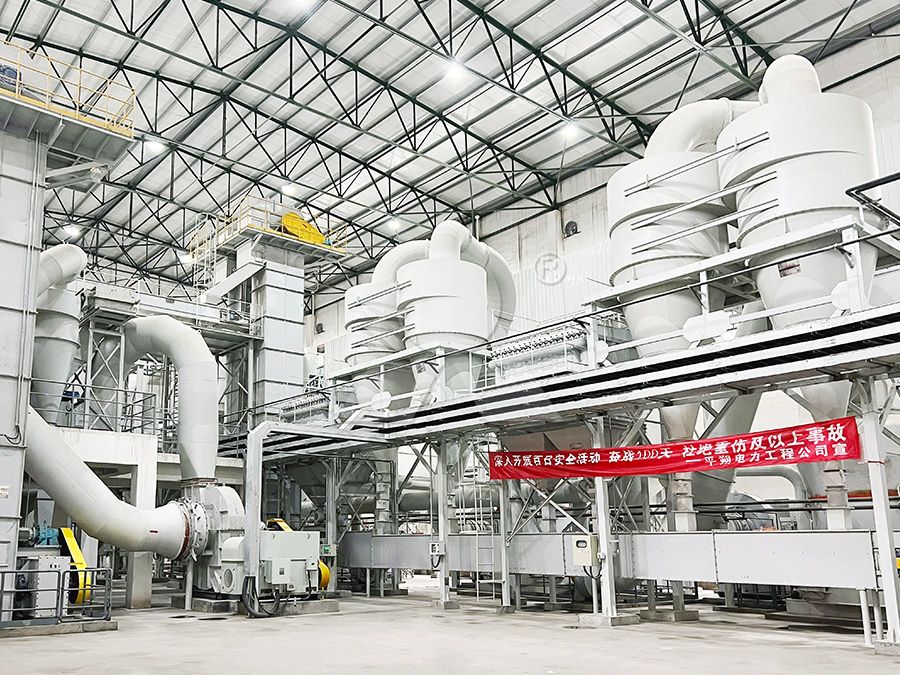
For operations targeting the high-value ultra-fine powder market, the MW Ultrafine Grinding Mill represents an optimal solution. This advanced system handles input sizes up to 20 mm with capacities ranging from 0.5 to 25 tons per hour, making it suitable for various production scales.
The MW Mill’s innovative design addresses common challenges in marble processing. Its German-technology cage-type powder selector enables precise fineness adjustment between 325-2500 meshes, achieving d97≤5μm in a single pass. The unique grinding chamber design eliminates rolling bearings and screws in the grinding zone, preventing contamination from mechanical wear and eliminating downtime caused by loose components.
Environmental considerations are integral to modern operations, and the MW Ultrafine Grinding Mill incorporates efficient pulse dust collection and noise reduction systems that ensure compliance with international environmental standards. External lubrication points allow for maintenance without production stoppages, supporting continuous 24-hour operation that is essential for meeting current market demands.
Vertical Grinding Solutions for Diverse Applications
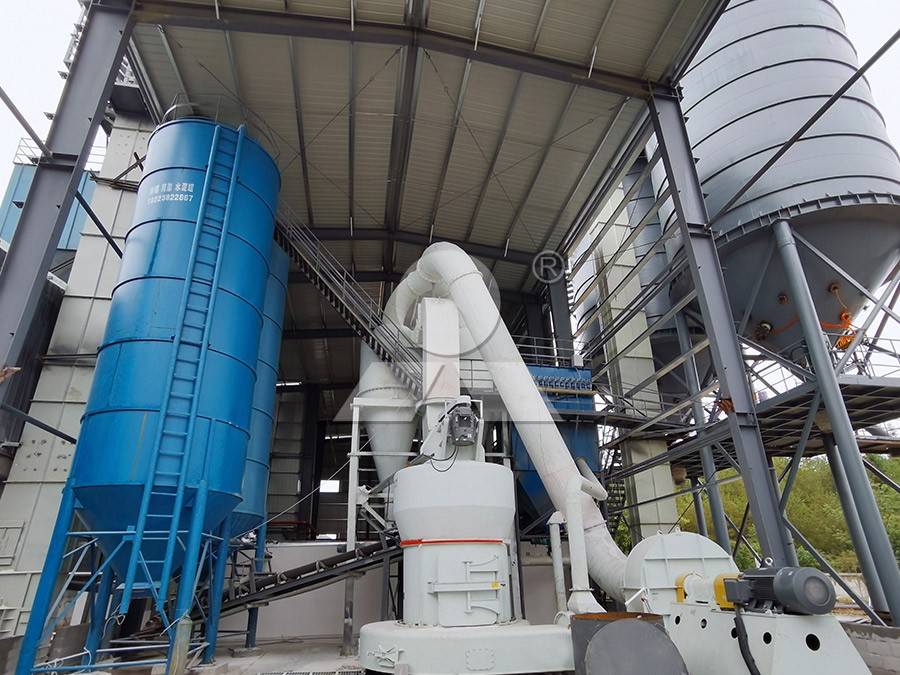
For operations requiring different throughput characteristics or dealing with space constraints, the LUM Ultrafine Vertical Grinding Mill offers complementary advantages. With an input size capacity of 0-10 mm and throughput of 5-18 tph, this vertical mill configuration integrates grinding, classifying, and transporting in a compact footprint.
The LUM Mill’s reversible structure simplifies maintenance access to grinding components, while its multi-head powder separating technology provides exceptional control over final product characteristics. The electronic and mechanical limiting technologies prevent destructive contact between grinding rollers and the millstone, ensuring operational stability even with variable feed materials.
Future Outlook and Strategic Considerations
Industry analysts project sustained growth in marble demand through the coming decade, particularly in Asian and Middle Eastern markets. Successful operators will be those who invest in technology that maximizes yield while minimizing operational costs and environmental impact.
The integration of digital monitoring systems with advanced grinding equipment allows for real-time optimization of production parameters. This data-driven approach enables processors to adapt quickly to changing market requirements for different powder specifications.
Frequently Asked Questions
What fineness can be achieved when grinding marble?
Modern grinding systems like the MW Ultrafine Grinding Mill can produce marble powder with fineness ranging from 325 to 2500 meshes (approximately 45 to 5 microns), with specific equipment capable of achieving d97≤5μm particle size distribution.
How does marble hardness affect grinding efficiency?
Marble typically has a Mohs hardness of 3-4, making it relatively soft compared to other minerals. This characteristic allows for higher throughput rates but requires precise control to prevent overgrinding. Advanced mills incorporate adjustable pressure and speed controls to optimize for marble’s specific properties.
What production capacity is needed to be competitive in today’s market?
While requirements vary by market segment, competitive operations typically need capacities between 5-25 tons per hour for dedicated marble powder production. Scalable systems that can expand with growing demand offer significant strategic advantages.
How important is environmental compliance in marble processing?
Environmental considerations are increasingly critical, with regulations tightening globally. Modern grinding systems must incorporate effective dust collection, noise reduction, and energy efficiency features to meet international standards and maintain social license to operate.
What maintenance requirements should operators anticipate?
Equipment with external lubrication systems, easy-access components, and minimal in-grinding-chamber mechanical parts significantly reduces maintenance downtime. Systems designed for 24/7 operation typically feature proactive maintenance monitoring and quick-change wear parts.