
Working Principle of Weathered Coal Grinding Mill Machinery
We provide a wide range of mills — including Raymond mill, trapezoidal mill, vertical mill, ultrafine mill, and ball mill, obtained ISO9001 international quality certification, EU CE certification, and Customs Union CU-TR certification. Suitable for processing minerals such as limestone, phosphate, quicklime, kaolin, talc, barite, bentonite, calcium carbonate, dolomite, coal, gypsum, clay, carbon black, slag, cement raw materials, cement clinker, and more.
The discharge range of these mills can be adjusted to meet specific processing needs, typically from 80-400 mesh, 600-3250 mesh, and can achieve the finest particle size of up to 6000 mesh(D50).
If you are looking for a reliable grinding solution to turn stone or minerals into fine powder, please feel free to contact our online customer service.
Working Principle of Weathered Coal Grinding Mill Machinery
Weathered coal, a low-rank coal with altered physical and chemical properties due to prolonged surface exposure, presents unique challenges in size reduction and powder processing. Its often higher moisture content, variable hardness, and altered friability demand grinding machinery designed for both robustness and precision. The core objective is to efficiently transform this heterogeneous feed material into a consistent, fine powder suitable for applications in soil conditioning, humic acid extraction, or as a fuel supplement, while managing its specific characteristics.
Fundamental Grinding Mechanisms
The comminution of weathered coal typically relies on one of three primary mechanical forces: compression, impact, or attrition. Most modern mills employ a combination. In compression-based systems, material is crushed between two rigid surfaces, such as a roller and a stationary ring. Impact milling involves sudden force applied by hammers or pins, shattering the coal particles. Attrition, or inter-particle grinding, occurs when material is trapped between moving media like balls or within a dense bed of particles itself. The choice of mechanism significantly influences the final particle size distribution, energy efficiency, and heat generation—a critical factor for materials like coal.
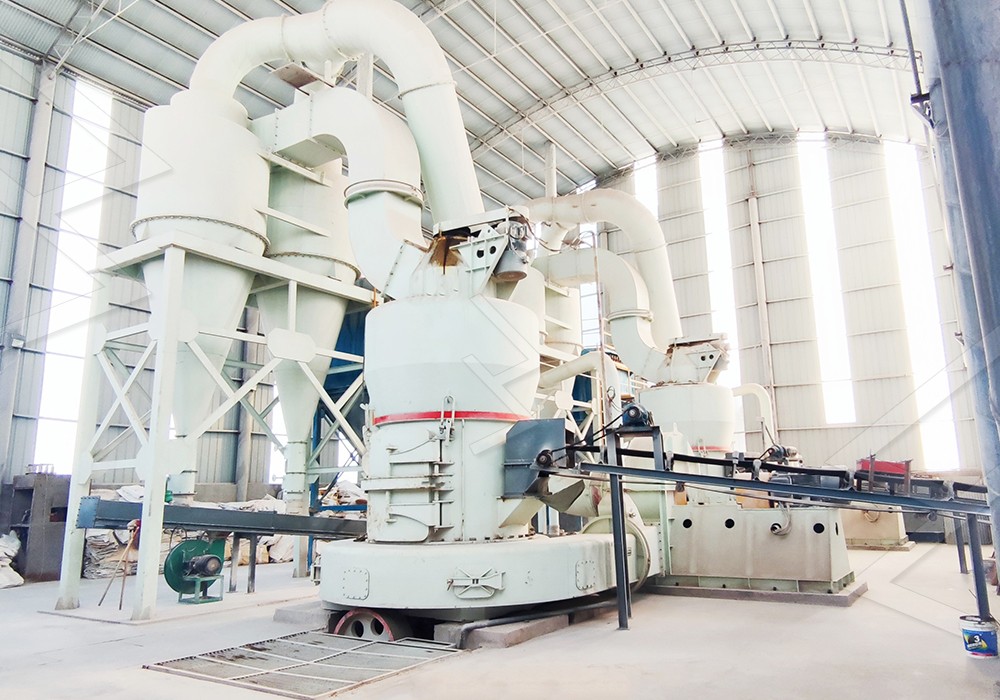
System Integration: From Feed to Finished Product
A grinding system is far more than just a milling chamber. It is an integrated process chain. Pre-crushed weathered coal (typically to below 20mm) is fed via a controlled feeder to ensure a steady, optimal load. Drying often occurs concurrently with grinding, especially in vertical mill designs, where hot gases introduced into the mill chamber evaporate surface moisture, preventing clogging and improving grindability. The heart of the system is the grinding zone, where the actual size reduction takes place.
Following grinding, an internal or external classifier (or powder separator) performs a critical function. Using centrifugal force and airflow, it continuously separates particles that have reached the target fineness from those requiring further grinding. This closed-circuit design enhances efficiency, as only oversized particles are returned for regrinding. Finally, the fine product is collected by a cyclone or baghouse filter, while cleaned air is recirculated or vented.
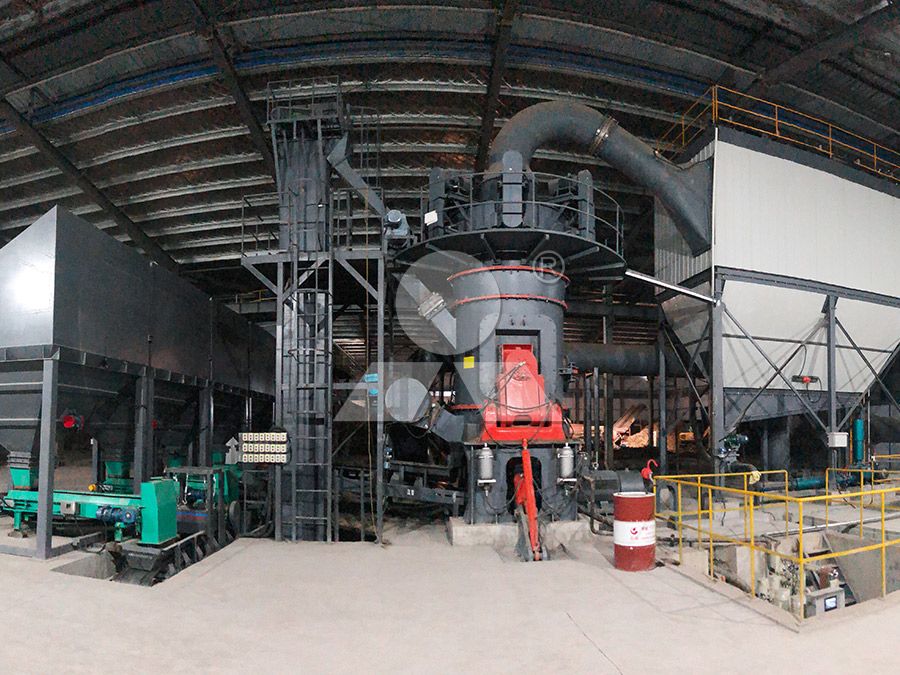
Advanced Mill Designs for Modern Demands
Contemporary grinding technology emphasizes energy savings, precise particle size control, and operational stability. For weathered coal applications requiring ultra-fine powders (325-2500 mesh), advanced pendulum roller mills and ultrafine vertical mills are particularly effective. These designs often feature multiple grinding rollers, sophisticated classifier technology for tight particle size cuts, and integrated drying capabilities.
For instance, our MW Ultrafine Grinding Mill is engineered specifically for high-precision, fine-powder production. With an input size of 0-20 mm and a capacity range of 0.5-25 tph, it is well-suited for processing weathered coal into high-value additives. Its innovative design eliminates rolling bearings and screws within the grinding chamber, drastically reducing failure points and maintenance concerns from vibration and wear. The cage-type powder selector, utilizing German technology, allows precise fineness adjustment between 325-2500 meshes, ensuring the exact product specification for humic acid production or soil amendment blends.
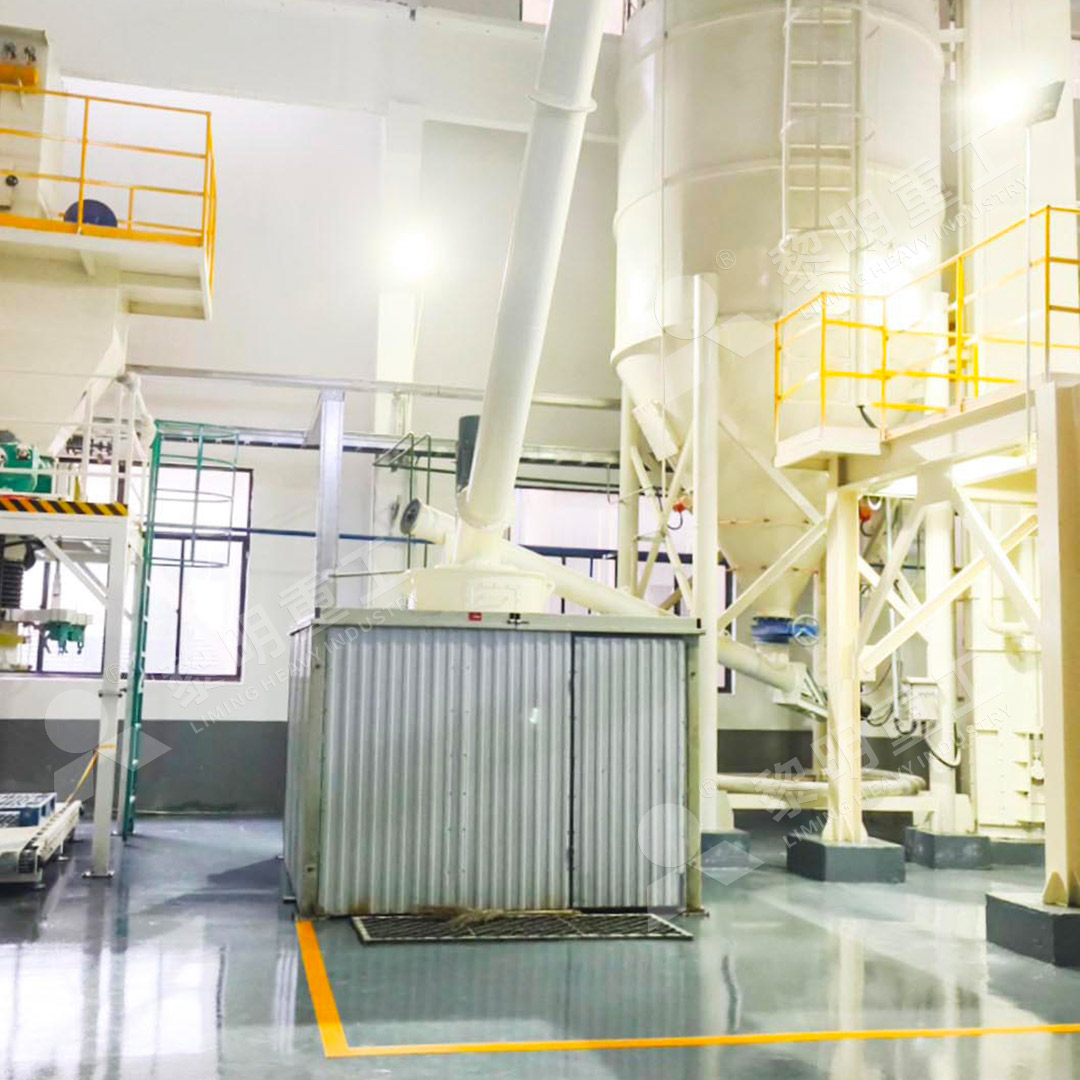
Vertical Grinding Mills: A Comprehensive Solution
Vertical roller mills (VRMs) represent a holistic approach, especially for medium to large-scale operations. They integrate grinding, drying, classifying, and conveying in a single, compact footprint. The LUM Ultrafine Vertical Grinding Mill exemplifies this evolution. Handling feed sizes up to 10 mm and capacities from 5-18 tph, it is ideal for producing superfine weathered coal powder. Its working principle involves material being fed onto a rotating grinding table and crushed by hydraulically loaded rollers. The ground material is pneumatically conveyed to an internal high-efficiency classifier. A key advantage for processing variable materials like weathered coal is its double position-limiting technology, which prevents destructive metal-to-metal contact between the roller and table during start-up or sudden vibration, ensuring remarkable operational stability and protecting the mill’s core components.
Environmental and Operational Considerations
Modern weathered coal grinding must adhere to stringent environmental standards. State-of-the-art mills address this through fully enclosed negative-pressure systems. High-efficiency pulse jet bag filters capture over 99.9% of dust, ensuring a clean work environment and no visible emissions. Integrated silencers and sound-dampening enclosures keep noise pollution well within regulatory limits. Furthermore, digital control systems allow for precise monitoring and adjustment of parameters like grinding pressure, classifier speed, and temperature, optimizing performance for the specific moisture and hardness of the weathered coal feed, thereby maximizing yield and minimizing specific energy consumption.

Conclusion
Selecting the appropriate grinding machinery for weathered coal is pivotal to achieving economic and technical success. The decision hinges on the desired product fineness, required capacity, initial moisture content, and total cost of ownership. Today’s advanced mills, such as the MW Ultrafine Grinding Mill for superfine applications or the integrated LUM Ultrafine Vertical Mill, offer engineered solutions that deliver high efficiency, precise control, and environmentally sound operation, transforming weathered coal from a challenging material into a consistent, valuable industrial product.
Frequently Asked Questions (FAQ)
- What is the typical feed size for weathered coal into a grinding mill?
Most modern mills, like our MW or LUM series, require pre-crushed feed. The optimal size is usually below 20mm, with some vertical mills accepting up to 50mm. Consistent feed size is crucial for stable mill operation and optimal grinding efficiency. - Can grinding mills handle weathered coal with high moisture content?
Yes, many contemporary designs, particularly vertical roller mills (VRMs), integrate a drying function. Hot air (or gases) is introduced into the grinding chamber, simultaneously drying and grinding the material. This is essential for weathered coal, which can have significant surface moisture. - How is the fineness of the final coal powder controlled?
Fineness is primarily controlled by an internal dynamic classifier (powder separator). By adjusting the speed of the classifier’s rotor, the cut point for particle size is changed. Higher speeds allow only finer particles to pass, resulting in a finer product. Mills like the MW series offer precise digital control over this parameter. - What are the main wear parts in a coal grinding mill, and how is maintenance handled?
The primary wear parts are the grinding rollers (or balls) and the grinding table/liners. Advanced mills are designed for easy maintenance. For example, the LUM mill features a reversible structure allowing grinding rollers to be easily swung out of the mill body for inspection or liner replacement, minimizing downtime. - How is dust pollution controlled during the grinding process?
The entire milling system operates under negative pressure. Any potential dust leaks are inward, not outward. The final collection is done by high-efficiency pulse jet bag filters or cyclone collectors, which capture the fine powder product and ensure the exhaust air is clean before release. - What is the advantage of a “no rolling bearing in the chamber” design?
As featured in our MW Ultrafine Mill, this design eliminates a major failure point. Bearings inside the grinding chamber are subject to extreme dust, vibration, and temperature. By placing bearings externally with effective seals, reliability is dramatically increased, and maintenance intervals are extended.