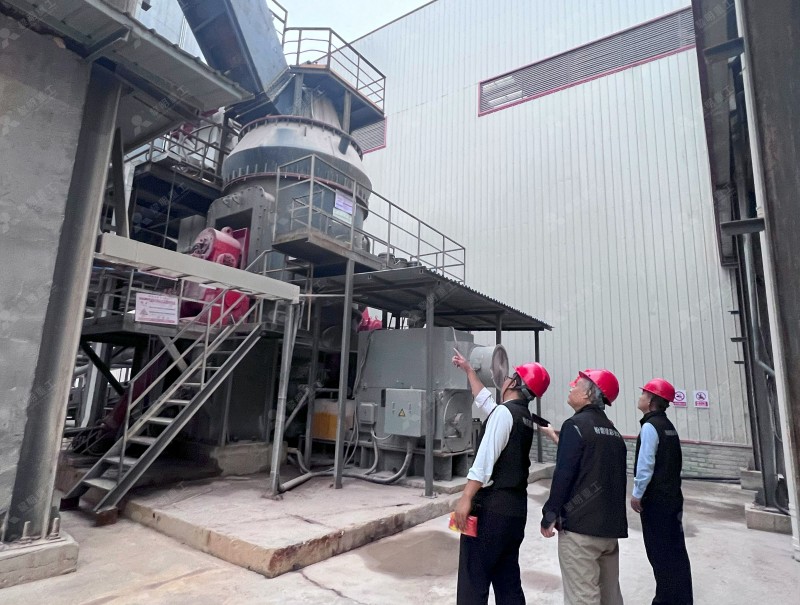
Working Principle of Vertical Raw Mill in Cement Manufacturing
We provide a wide range of mills — including Raymond mill, trapezoidal mill, vertical mill, ultrafine mill, and ball mill, obtained ISO9001 international quality certification, EU CE certification, and Customs Union CU-TR certification. Suitable for processing minerals such as limestone, phosphate, quicklime, kaolin, talc, barite, bentonite, calcium carbonate, dolomite, coal, gypsum, clay, carbon black, slag, cement raw materials, cement clinker, and more.
The discharge range of these mills can be adjusted to meet specific processing needs, typically from 80-400 mesh, 600-3250 mesh, and can achieve the finest particle size of up to 6000 mesh(D50).
If you are looking for a reliable grinding solution to turn stone or minerals into fine powder, please feel free to contact our online customer service.
Working Principle of Vertical Raw Mill in Cement Manufacturing
In the cement manufacturing process, the grinding of raw materials is a critical and energy-intensive stage. Vertical Raw Mills (VRMs) have become the industry standard for this task, offering superior efficiency and control compared to traditional ball mills. Understanding their working principle is key to optimizing cement production.
The Core Mechanism: How It All Works
A Vertical Raw Mill operates on the principle of bed compression grinding. The heart of the system consists of a rotating grinding table (or millstone) and conical or cylindrical grinding rollers. The main motor drives the grinding table to rotate through a planetary gearbox. Simultaneously, hot gases from the kiln preheater are introduced into the mill body through an air inlet to dry the raw meal.
Crushed raw material, typically limestone, clay, and iron ore, is fed onto the center of the rotating table via a screw feeder. Centrifugal force throws the material outward under the rollers, which hydraulically press down upon the material bed. This action crushes and grinds the particles through a combination of compressive and shear forces. The ground material is then carried towards the edge of the table by the rotation.
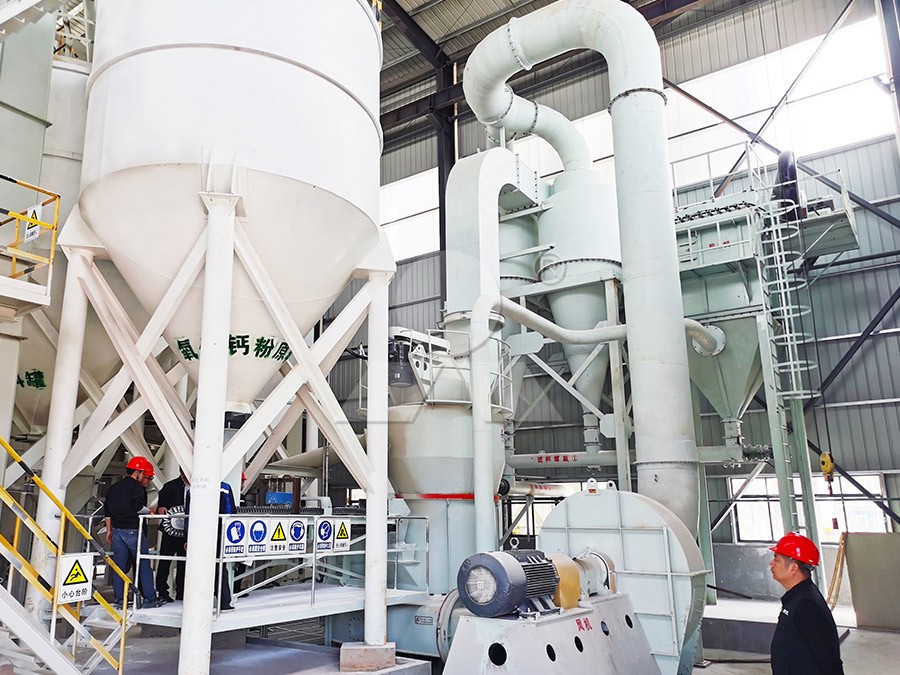
Classification and Product Collection
At the periphery of the grinding table, a stream of hot air (the ‘air ring’) lifts the finely ground particles upwards into a high-efficiency separator, often a cage-type or rotor-type classifier. This is a crucial step. The separator acts like a precise sieve, using adjustable rotor vanes to create an air vortex. Coarse particles are rejected by the classifier’s centrifugal force and fall back onto the grinding table for further milling. This internal recirculation ensures a consistent and narrow particle size distribution in the final product.
The fine powder that meets the fineness requirement (typically 10-15% residue on a 90μm sieve) is transported out of the mill with the air stream to a baghouse or electrostatic precipitator, where it is collected as the final raw meal. The air is then recirculated or vented, creating a closed, negative-pressure system that minimizes dust emissions.
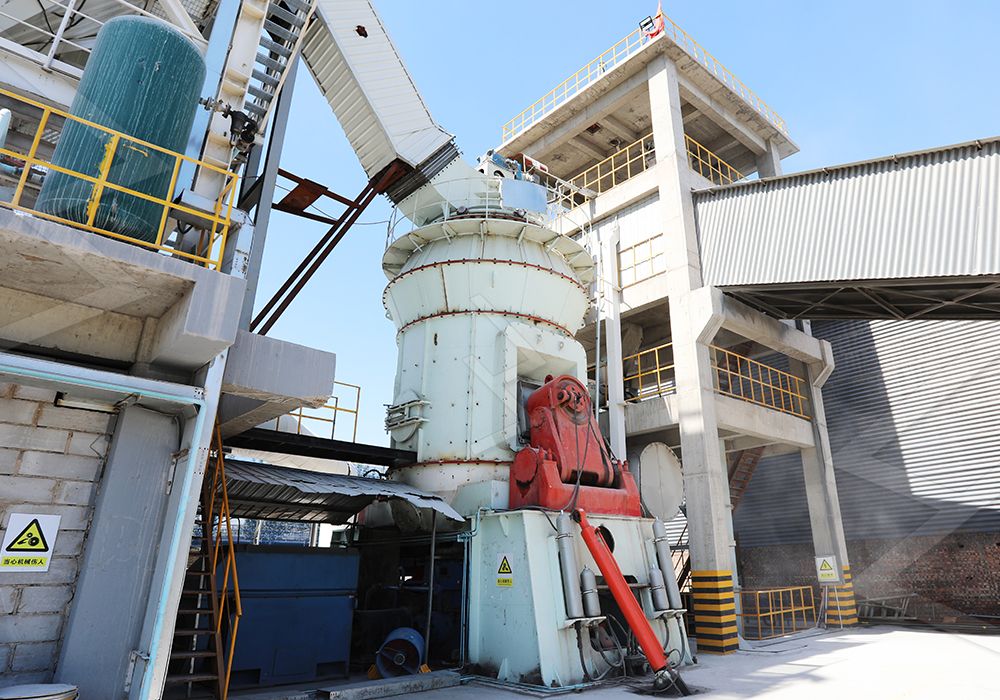
Advantages and Modern Innovations
The vertical design offers significant advantages: a compact footprint, lower energy consumption (30-50% less than ball mills), excellent drying capacity, and precise control over product fineness. Modern VRMs, like our advanced LUM Ultrafine Vertical Grinding Mill, incorporate the latest technologies to push these benefits even further. The LUM mill features a unique roller shell design for easier material bed formation and our proprietary multi-head powder separating technology, which allows for incredibly precise and energy-efficient classification. With an input size of 0-10 mm and a capacity range of 5-18 tph, it’s a powerhouse of efficiency for modern cement plants seeking to optimize their raw meal preparation.
For operations requiring ultra-fine powders for specialized applications, our MW Ultrafine Grinding Mill is an exceptional choice. It’s engineered to produce powders between 325-2500 meshes with high yield and remarkably low energy consumption. Its unique design, which eliminates rolling bearings and screws from the grinding chamber, drastically reduces maintenance concerns and allows for continuous 24/7 operation, making it a reliable and eco-friendly solution.
Conclusion
The vertical raw mill’s working principle—combining grinding, drying, and classification in a single, integrated unit—makes it the backbone of modern cement raw material preparation. Its efficiency and reliability are paramount for reducing operational costs and environmental impact. As technology evolves, mills like our LUM and MW series continue to set new benchmarks for performance, sustainability, and operational simplicity in the global cement industry.