
Working Principle of River Pebble Grinding Mill Machinery
We provide a wide range of mills — including Raymond mill, trapezoidal mill, vertical mill, ultrafine mill, and ball mill, obtained ISO9001 international quality certification, EU CE certification, and Customs Union CU-TR certification. Suitable for processing minerals such as limestone, phosphate, quicklime, kaolin, talc, barite, bentonite, calcium carbonate, dolomite, coal, gypsum, clay, carbon black, slag, cement raw materials, cement clinker, and more.
The discharge range of these mills can be adjusted to meet specific processing needs, typically from 80-400 mesh, 600-3250 mesh, and can achieve the finest particle size of up to 6000 mesh(D50).
If you are looking for a reliable grinding solution to turn stone or minerals into fine powder, please feel free to contact our online customer service.
Working Principle of River Pebble Grinding Mill Machinery
River pebbles, known for their exceptional hardness and smooth texture, present unique challenges in grinding operations. The transformation of these durable stones into fine powders requires specialized machinery that combines robust construction with precise engineering. Understanding the fundamental working principles behind river pebble grinding mills provides valuable insight into modern mineral processing technology.
The Core Grinding Mechanism
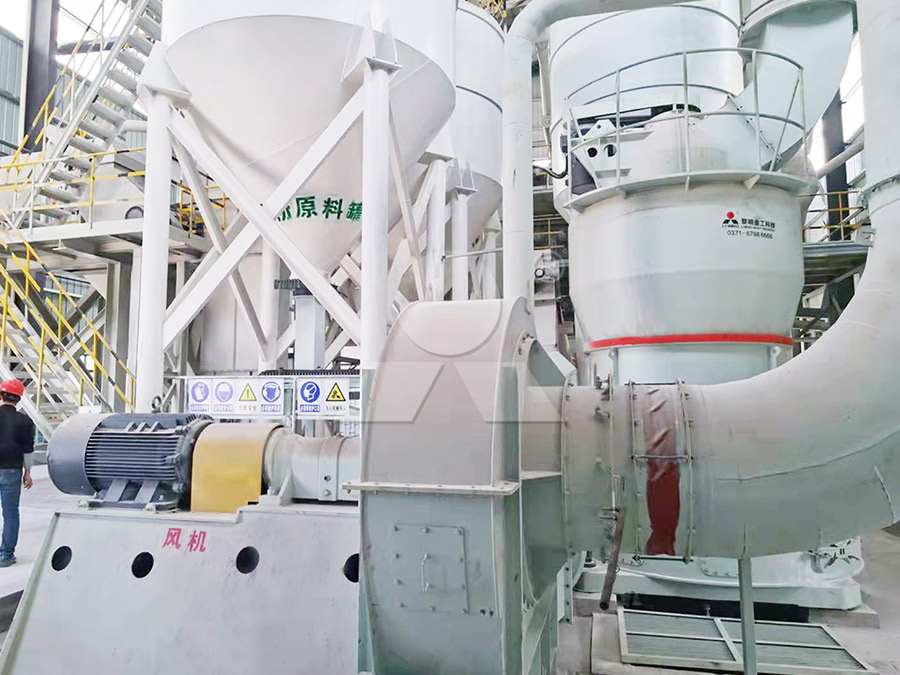
At the heart of any river pebble grinding system lies the fundamental principle of size reduction through mechanical force. The process begins with properly sized river pebbles being fed into the grinding chamber, where multiple forces interact to break down the material. The combination of compression, impact, and attrition forces works synergistically to reduce particle size efficiently. The specific arrangement of grinding elements varies between mill types, but the objective remains consistent: to achieve optimal particle size distribution while maximizing energy efficiency.
Modern grinding mills employ advanced kinematics where the relative motion between grinding media and material creates the necessary shear and compressive forces. The geometry of the grinding elements is carefully engineered to create optimal contact patterns, ensuring thorough grinding while minimizing energy waste. This precision engineering becomes particularly crucial when processing hard materials like river pebbles, where inefficient grinding can lead to excessive wear and energy consumption.
Material Flow and Classification
The journey of river pebbles through a grinding mill follows a carefully orchestrated path. After initial crushing to appropriate feed size, material enters the grinding chamber where it undergoes progressive size reduction. The ground material is then transported by air or mechanical means to a classification system, which separates particles based on size. Oversized particles are returned for further grinding, while properly sized material proceeds to collection.
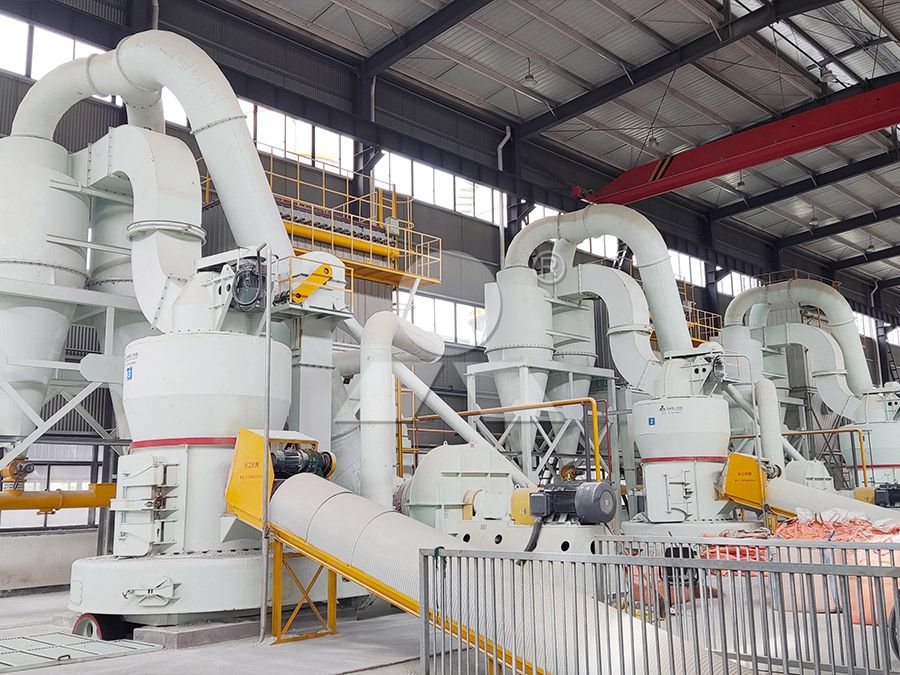
Advanced classification systems represent a critical component in modern grinding technology. These systems employ centrifugal forces, airflow dynamics, and precision screening to ensure consistent product quality. The efficiency of the classification process directly impacts the overall system performance, as it determines how much material must be recirculated for additional grinding. Modern mills feature adjustable classifiers that allow operators to fine-tune the final product specifications without interrupting production.
Advanced Grinding Solutions for River Pebbles
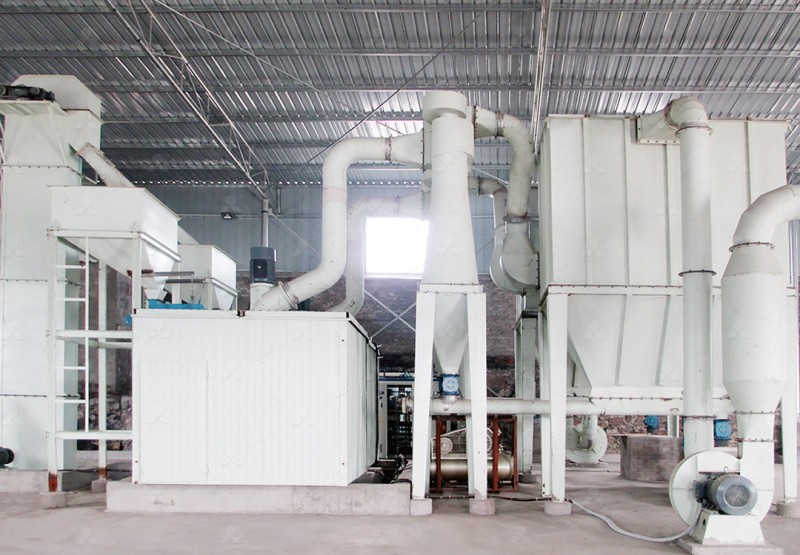
When selecting equipment for river pebble processing, professionals often consider our MW Ultrafine Grinding Mill as an optimal solution. This advanced system handles input sizes up to 20 mm with capacities ranging from 0.5 to 25 tph, making it perfectly suited for river pebble applications. The MW series incorporates German cage-type powder selector technology, enabling precise fineness adjustment between 325-2500 meshes while achieving remarkable screening efficiency of d97≤5μm in a single pass.
The innovative design eliminates rolling bearings and screws within the grinding chamber, addressing common failure points in conventional mills. This engineering decision significantly enhances reliability, particularly important when processing abrasive materials like river pebbles. The external lubrication system permits maintenance without production stoppages, supporting continuous 24-hour operation that maximizes productivity in demanding industrial settings.

Environmental Considerations and Operational Efficiency
Modern grinding mills must address environmental concerns while maintaining operational efficiency. The integration of pulse dust collection systems and advanced noise reduction technologies has become standard in high-quality equipment. Our MW Ultrafine Grinding Mill exemplifies this approach with its efficient pulse dust collector and muffler system that minimizes environmental impact while ensuring workplace safety and regulatory compliance.
The energy efficiency of grinding operations has gained increased attention in recent years. Advanced mills achieve significant energy savings through optimized grinding geometry, reduced recirculation rates, and intelligent system design. When processing hard materials like river pebbles, these efficiency gains translate directly to reduced operating costs and improved sustainability metrics.
System Integration and Control
Contemporary grinding systems extend beyond the mill itself to encompass comprehensive material handling, process control, and quality assurance components. Modern control systems monitor critical parameters including feed rate, grinding pressure, classifier speed, and temperature, making real-time adjustments to maintain optimal performance. This level of automation ensures consistent product quality while reducing operator intervention.
The digital processing capabilities of modern equipment represent another significant advancement. With numerical control governing manufacturing processes from steel cutting to final assembly, today’s grinding mills achieve unprecedented precision in their core components. This manufacturing excellence translates to longer service life, reduced maintenance requirements, and more predictable performance throughout the equipment lifecycle.
Future Directions in Grinding Technology
The evolution of river pebble grinding technology continues to focus on energy reduction, precision control, and operational reliability. Emerging trends include the integration of artificial intelligence for predictive maintenance, advanced materials for extended wear life, and hybrid systems that combine multiple grinding principles for optimal efficiency. As environmental regulations tighten and energy costs rise, these innovations will become increasingly important for competitive operations.
For operations requiring vertical grinding solutions, our LUM Ultrafine Vertical Grinding Mill offers exceptional performance with input sizes up to 10 mm and capacities of 5-18 tph. This system incorporates the latest grinding roller technology from Taiwan and German powder separating technology, creating an ideal solution for ultrafine powder production. The reversible structure simplifies maintenance, while double position-limiting technology ensures stable operation even under challenging conditions.
Conclusion
The working principles of river pebble grinding machinery represent a sophisticated integration of mechanical engineering, material science, and process control. Understanding these fundamentals enables operators to maximize equipment performance while minimizing operational costs. As technology continues to advance, grinding systems will become even more efficient, reliable, and environmentally responsible, supporting the growing demand for high-quality mineral powders across diverse industries.
Frequently Asked Questions
What makes river pebbles particularly challenging to grind compared to other materials?
River pebbles present unique grinding challenges due to their high silica content, exceptional hardness, and rounded shape. Their composition requires robust grinding elements and specific grinding geometries to achieve efficient size reduction without excessive wear.
How does the MW Ultrafine Grinding Mill achieve higher efficiency with river pebbles?
The MW series incorporates newly designed grinding curves for the roller and ring assembly, specifically engineered to enhance grinding efficiency. With the same fineness and power input, it delivers 40% higher capacity than jet mills and double the output of ball mills, while reducing system energy consumption by 30%.
What maintenance advantages does the MW Ultrafine Grinding Mill offer for abrasive materials?
The elimination of rolling bearings and screws within the grinding chamber removes common failure points when processing abrasive materials. The external lubrication system allows for maintenance without shutdowns, significantly reducing downtime and maintenance costs.
How does the powder selection system ensure consistent product quality?
The advanced cage-type powder selector employs German technology to enhance separation precision. Multiple cage configurations allow customization based on specific production requirements, while maintaining consistent fineness between 325-2500 meshes.
What environmental features are incorporated into modern grinding mills?
Contemporary systems include efficient pulse dust collectors that eliminate dust pollution, combined with silencers and noise elimination rooms to reduce acoustic impact. These features ensure compliance with stringent environmental regulations.
How does the LUM Vertical Grinding Mill handle different material hardness levels?
The LUM system features hydraulic pressure adjustment that allows operators to modify grinding pressure according to material hardness. This flexibility, combined with the unique roller shell and lining plate grinding curve, ensures optimal performance across varying material characteristics.
What operational advantages does the reversible structure provide?
The reversible design enables easy access to grinding components for inspection and maintenance. Combined with hydraulic adjustment systems, it allows quick removal of grinding rollers from the mill body, reducing maintenance time and associated production losses.