
Working Principle of Electrolytic Aluminum Waste Slag Grinding Mill
We provide a wide range of mills — including Raymond mill, trapezoidal mill, vertical mill, ultrafine mill, and ball mill, obtained ISO9001 international quality certification, EU CE certification, and Customs Union CU-TR certification. Suitable for processing minerals such as limestone, phosphate, quicklime, kaolin, talc, barite, bentonite, calcium carbonate, dolomite, coal, gypsum, clay, carbon black, slag, cement raw materials, cement clinker, and more.
The discharge range of these mills can be adjusted to meet specific processing needs, typically from 80-400 mesh, 600-3250 mesh, and can achieve the finest particle size of up to 6000 mesh(D50).
If you are looking for a reliable grinding solution to turn stone or minerals into fine powder, please feel free to contact our online customer service.
Working Principle of Electrolytic Aluminum Waste Slag Grinding Mill
Electrolytic aluminum production generates a significant amount of waste slag, a by-product that requires efficient processing for reuse or safe disposal. The grinding of this slag is a critical step, transforming it into a fine powder that can be utilized in various applications, such as cement additive or construction material. The core of this process lies within the industrial grinding mill, a machine designed to reduce solid materials into smaller particle sizes through mechanical forces.
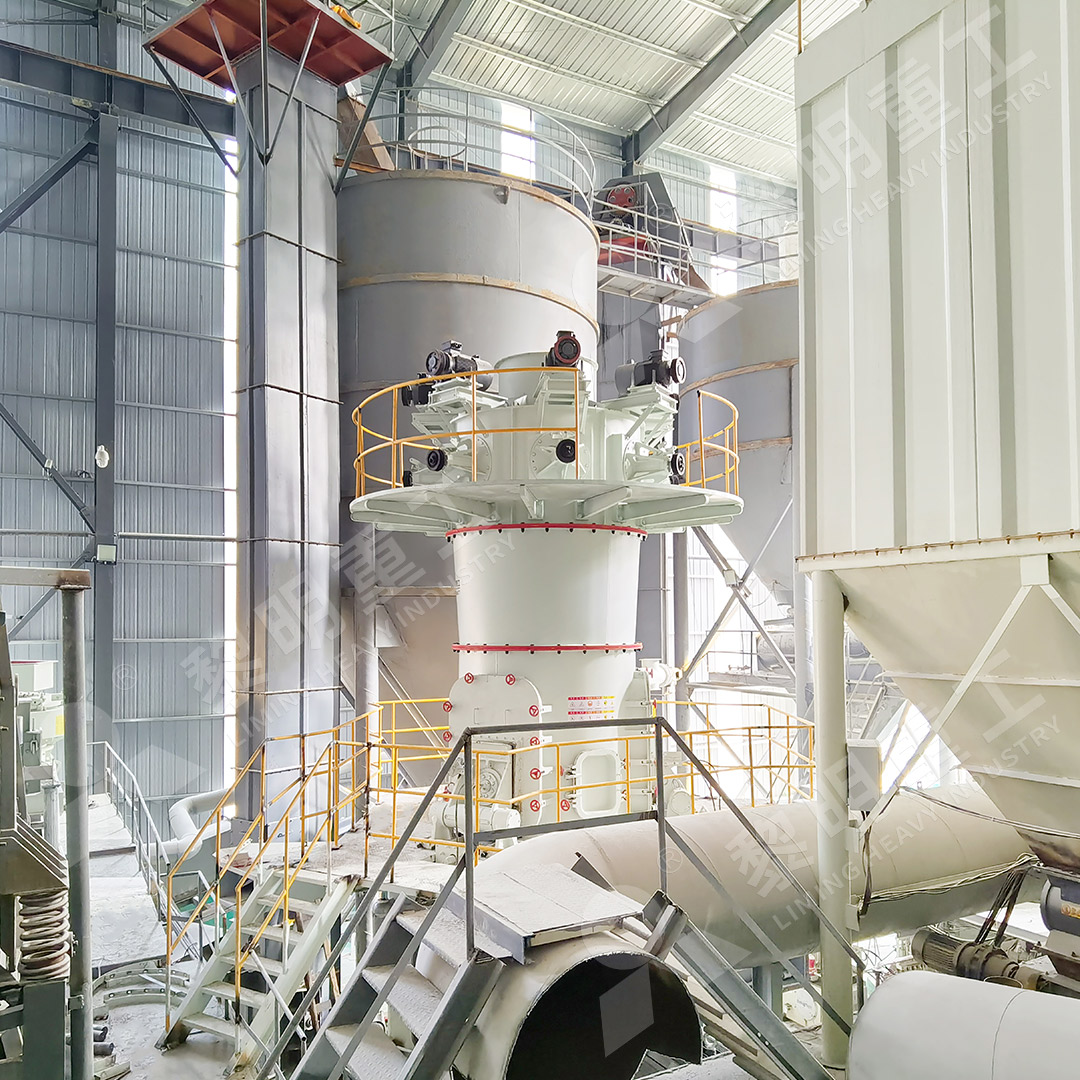
The fundamental working principle involves crushing, grinding, and classification. Initially, large chunks of waste slag are fed into the mill. Inside the grinding chamber, rotating components such as rollers or balls apply immense pressure and shear forces to break down the material. For particularly hard and abrasive materials like aluminum slag, the mill’s design must prioritize wear resistance and grinding efficiency.
Key Stages in the Grinding Process
The process begins with the feeding of pre-crushed slag (typically to a size below 20mm) into the mill’s hopper. A vibrating feeder then ensures a consistent and even flow of material to the grinding zone. Here, the actual size reduction takes place. The ground material is then pneumatically conveyed to a high-efficiency classifier or powder separator. This component is crucial as it determines the final product’s fineness. Coarse particles are rejected and returned to the grinding chamber for further milling, while fine powder meeting the specification is carried by the air stream to a collection system, such as a cyclone or baghouse filter.
Recommended Equipment for Aluminum Slag Processing
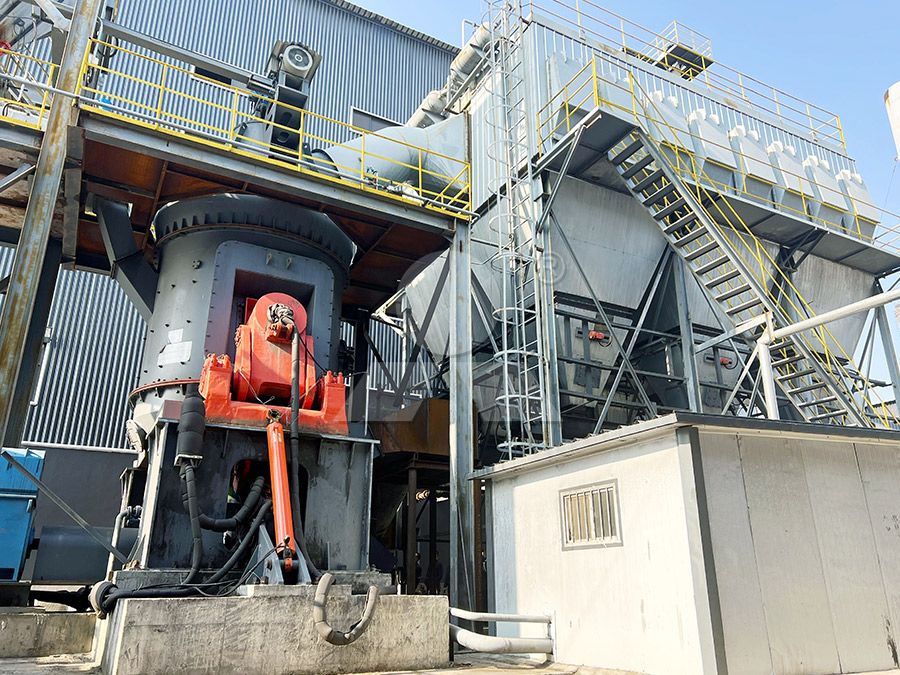
Selecting the right equipment is paramount for operational efficiency and cost-effectiveness. For the ultrafine grinding of electrolytic aluminum waste slag, our MW Ultrafine Grinding Mill is an exceptional choice. This machine is specificaly engineered for customers who need to produce ultra-fine powder from various materials, including abrasive industrial wastes.
The MW Mill operates with an input size of 0-20 mm and offers a capacity range of 0.5-25 tph, making it suitable for various production scales. Its design incorporates several advanced features that make it ideal for this tough application. It boasts Higher Yielding with Lower Energy Consumption, achieving 40% higher capacity than jet mills with system energy consumption being only 30% of them. Furthermore, it offers Adjustable Fineness Between 325-2500 meshes thanks to its German-technology cage-type powder selector, ensuring precise control over the final product’s particle size distribution.
A critical advantage for handling abrasive slag is its design with No Rolling Bearing & Screw in Grinding Chamber. This eliminates worries about damage to bearings or sealing parts from abrasive dust and prevents machine failure due to loose screws. Combined with an external lubricating device that allows for lubrication without shutdown, this enables continuous 24/7 operation, maximizing productivity. Finally, its integrated efficient pulse dust collector ensures the entire milling system operates without dust pollution, aligning with strict environmental protection standards.
Conclusion
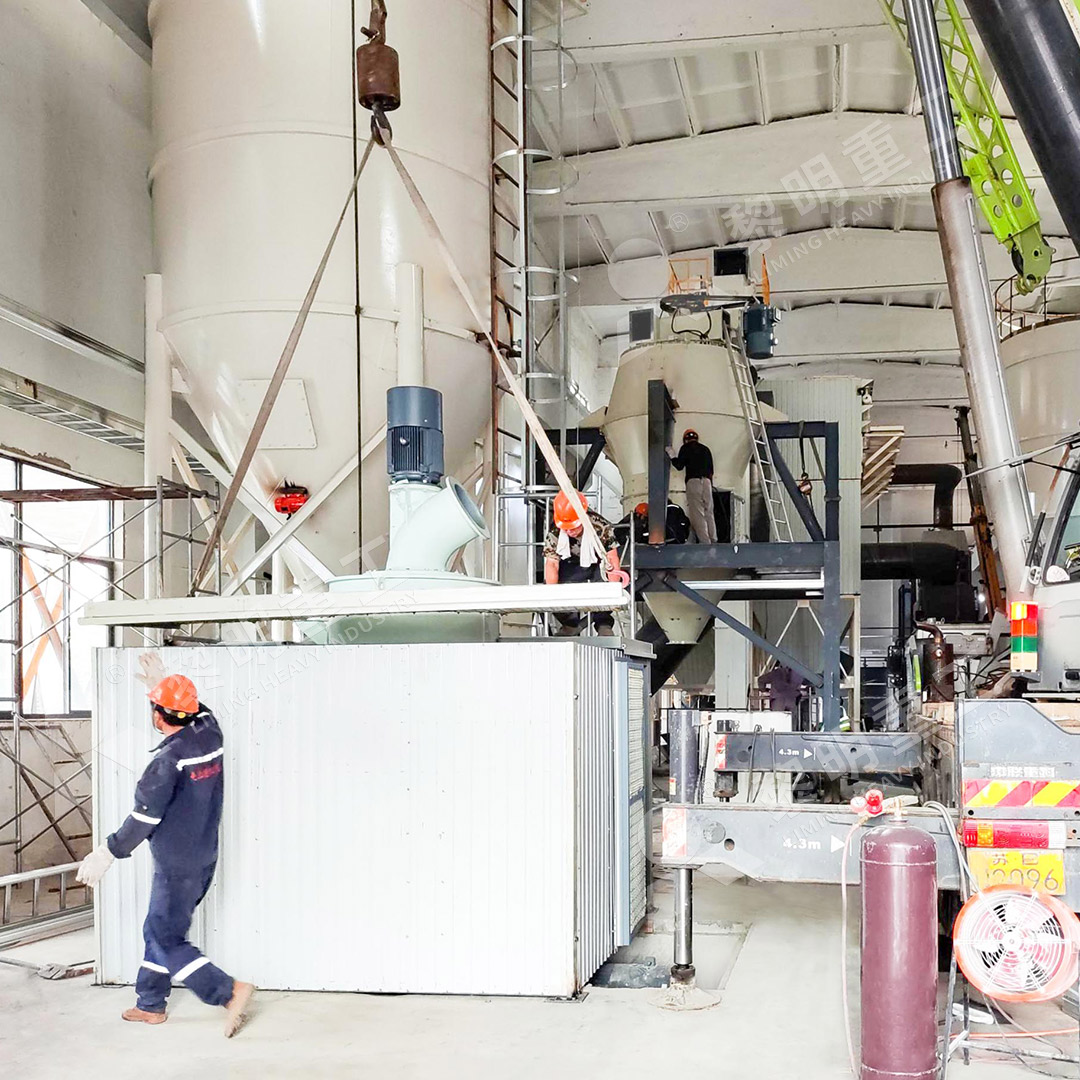
Understanding the working principle of grinding mills is essential for effectively processing challenging materials like electrolytic aluminum waste slag. The process relies on robust machinery capable of efficient size reduction and classification while operating reliably in demanding conditions. For operations seeking a solution that combines high efficiency, precise fineness control, exceptional reliability, and environmental friendliness, our MW Ultrafine Grinding Mill stands out as a superior technological choice, ensuring worry-free and profitable operation.