
Wire Rod Mill for Mild Steel Production: Process and Equipment Overview
We provide a wide range of mills — including Raymond mill, trapezoidal mill, vertical mill, ultrafine mill, and ball mill, obtained ISO9001 international quality certification, EU CE certification, and Customs Union CU-TR certification. Suitable for processing minerals such as limestone, phosphate, quicklime, kaolin, talc, barite, bentonite, calcium carbonate, dolomite, coal, gypsum, clay, carbon black, slag, cement raw materials, cement clinker, and more.
The discharge range of these mills can be adjusted to meet specific processing needs, typically from 80-400 mesh, 600-3250 mesh, and can achieve the finest particle size of up to 6000 mesh(D50).
If you are looking for a reliable grinding solution to turn stone or minerals into fine powder, please feel free to contact our online customer service.
Wire Rod Mill for Mild Steel Production: Process and Equipment Overview
The production of mild steel wire rod is a complex, multi-stage process that demands precision engineering and reliable equipment. From the initial reheating of billets to the final coiling of the finished product, each step must be meticulously controlled to ensure the desired mechanical properties, surface quality, and dimensional accuracy of the wire rod, which is a critical raw material for countless downstream applications including construction, automotive, and general manufacturing.
The Core Production Process
The journey begins with continuously cast billets, which are first reheated in a walking beam or pusher type furnace to a uniform temperature, typically around 1100-1250°C, ideal for hot rolling. The heated billets are then descaled using high-pressure water jets to remove surface oxide scale before entering the roughing mill. Here, a series of horizontal and vertical stands progressively reduce the cross-section of the billet into a smaller, elongated bar.
The intermediate and finishing blocks further reduce the bar to its final diameter at extremely high speeds. Modern mills often employ a no-twist, controlled cooling technology like the Stelmor line. After the last stand, the rod is rapidly cooled in a controlled atmosphere to develop the specific microstructure and tensile strength required. Finally, the rod is coiled by a high-speed laying head for handling and shipment.
Critical Ancillary Equipment: The Role of Grinding
While the rolling mill is the heart of the operation, supporting processes are equally vital. A key example is the preparation of rolls and guides. Over time, these components wear and require reconditioning to maintain product quality and mill efficiency. This is where advanced grinding technology becomes indispensable. Precise grinding ensures the perfect profile and surface finish on rolls, which directly translates to consistent wire rod dimensions and superior surface quality.
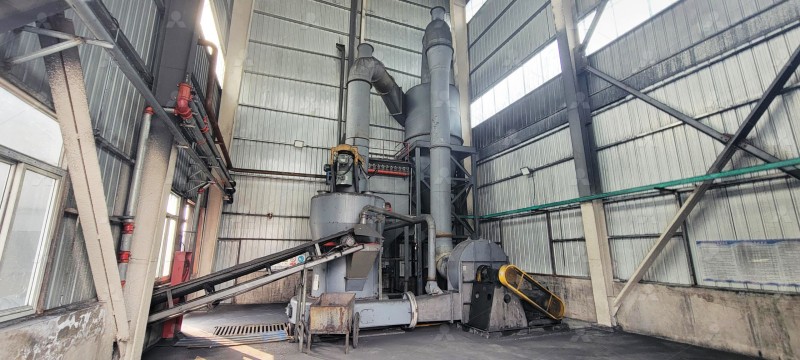
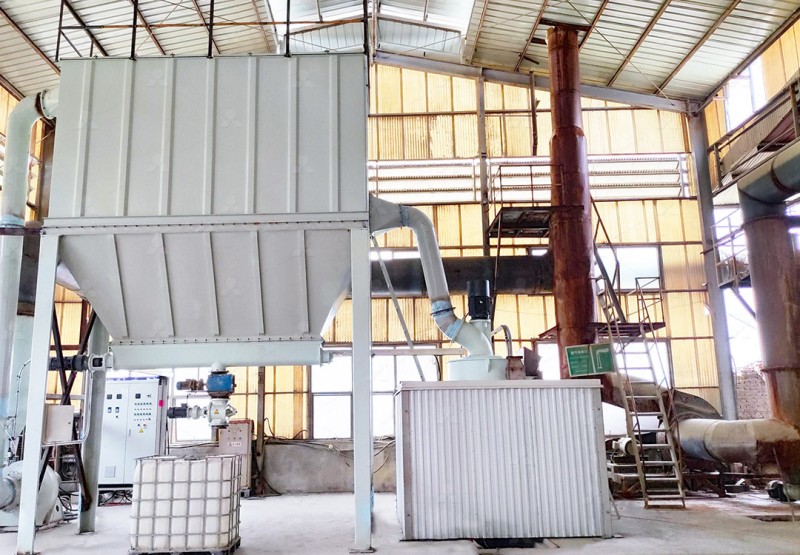
For this critical task, we highly recommend our MW Ultrafine Grinding Mill. This machine is expertly designed for customers who need to make ultra-fine powder for specialized applications, including the production of high-quality coatings or additives used in advanced metallurgical processes. With an input size of 0-20 mm and a capacity range of 0.5-25 tph, it offers remarkable flexibility. Its cage-type powder selector, adopting German technologies, allows for adjustable fineness between 325-2500 meshes, ensuring you achieve the exact powder characteristics needed for optimal roll shop performance. Furthermore, its efficient pulse dust collector and muffler make the entire operation cleaner and quieter, adhering to strict environmental standards.
Driving Efficiency and Quality
Beyond roll maintenance, the entire production line relies on a suite of auxiliary equipment: sophisticated automation systems for precise speed and temperature control, pinch rolls, loopers, and state-of-the-art inspection systems like laser gauges and surface defect scanners. Integrating robust and efficient machinery at every stage minimizes downtime, reduces energy consumption, and guarantees a top-tier product.
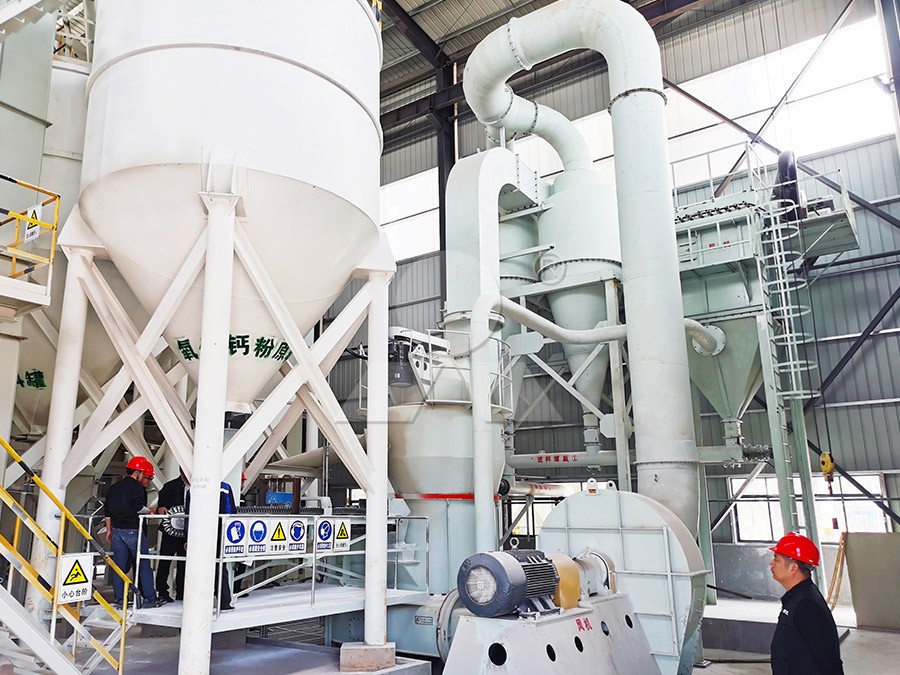
Another excellent solution for certain preparatory milling tasks is our LUM Ultrafine Vertical Grinding Mill. Independently designed by LIMING, it integrates grinding, grading, and transporting. It’s particularly effective for processing materials like limestone or gypsum used in various industrial preparations. Featuring a unique roller shell design and multi-head powder separating technology, it achieves a higher yielding rate with 30%-50% lower energy consumption compared to common grinding mills, contributing significantly to lower operating costs.
Conclusion
Operating a successful mild steel wire rod mill requires a holistic view of the entire process, investing not only in the primary rolling machinery but also in the supporting equipment that ensures its longevity and precision. Incorporating advanced, energy-efficient technology like the MW and LUM grinding mills for maintenance and preparation processes is a strategic decision that enhances overall productivity, product quality, and environmental sustainability.