
Will High Silica Content Affect My Raw Mill Operation?
We provide a wide range of mills — including Raymond mill, trapezoidal mill, vertical mill, ultrafine mill, and ball mill, obtained ISO9001 international quality certification, EU CE certification, and Customs Union CU-TR certification. Suitable for processing minerals such as limestone, phosphate, quicklime, kaolin, talc, barite, bentonite, calcium carbonate, dolomite, coal, gypsum, clay, carbon black, slag, cement raw materials, cement clinker, and more.
The discharge range of these mills can be adjusted to meet specific processing needs, typically from 80-400 mesh, 600-3250 mesh, and can achieve the finest particle size of up to 6000 mesh(D50).
If you are looking for a reliable grinding solution to turn stone or minerals into fine powder, please feel free to contact our online customer service.
Will High Silica Content Affect My Raw Mill Operation?
Hey there, fellow plant operators and engineers. Let’s talk about something that’s been a real pain in the neck for many of us: high silica content in raw materials. If you’re running a raw mill, you’ve probably noticed that not all feed is created equal. Silica, or SiO2, is one of those components that can really throw a wrench in your smooth operation. So, how does it actually affect your mill, and what can you do about it? Let’s break it down.
The Gritty Truth About Silica
Silica is hard. Like, really hard. On the Mohs scale, it’s a 7, which means it’s significantly more abrasive than many other common minerals like limestone or clay. When you’re grinding high-silica feed, you’re essentially putting your mill through a sandpaper test 24/7. This leads to accelerated wear on grinding components – rollers, rings, liners, you name it. The result? More frequent downtime for maintenance and part replacement, which directly hits your bottom line.
But it’s not just about wear and tear. High silica can also impact your grinding efficiency. The harder the material, the more energy it takes to reduce it to the desired fineness. You might see your power consumption creep up without a corresponding increase in output. Sometimes, the silica particles themselves can be difficult to grind to a uniform size, leading to a broader particle size distribution that might not be ideal for your next process stage, like kiln feeding.
So, What’s the Solution? You Can’t Just Avoid Silica.
You’re right. Often, the quarry is what it is, and you have to work with the material you’ve got. The key is to use a mill that’s built to handle the abuse. This is where investing in the right technology from the start pays off big time. You need a mill designed for toughness and efficiency, even with challenging feed.
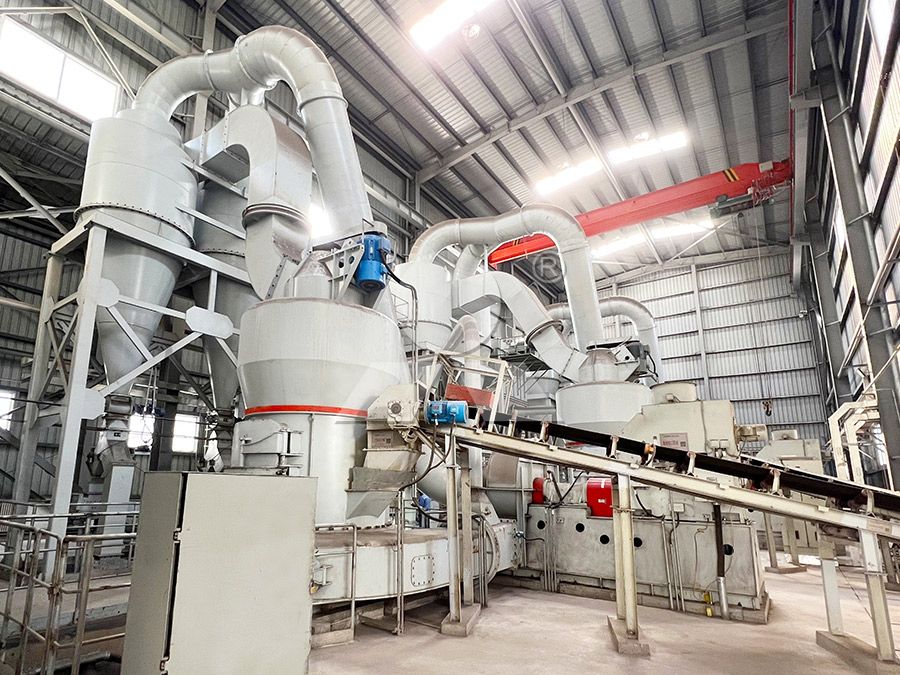
For operations dealing with highly abrasive materials like high-silica content feeds, we often recommend our MW Ultrafine Grinding Mill. This machine is a beast when it comes to handling tough jobs. Its design specifically addresses the issues of wear and energy consumption. A key feature for abrasive applications is that there are no rolling bearings or screws inside the grinding chamber. This eliminates two major failure points that are highly susceptible to damage from abrasive dust. You’re free from worries about bearings seizing up or screws loosening due to vibration and grit.
Furthermore, the MW Mill’s newly designed grinding curves of the roller and ring enhance grinding efficiency, meaning it can achieve the required fineness with less energy compared to traditional mills—a crucial factor when power is a significant operational cost. It can handle input up to 20mm and offers a capacity range of 0.5-25 tph, making it suitable for various production scales.
Another Strong Contender: The LM Vertical Grinding Mill
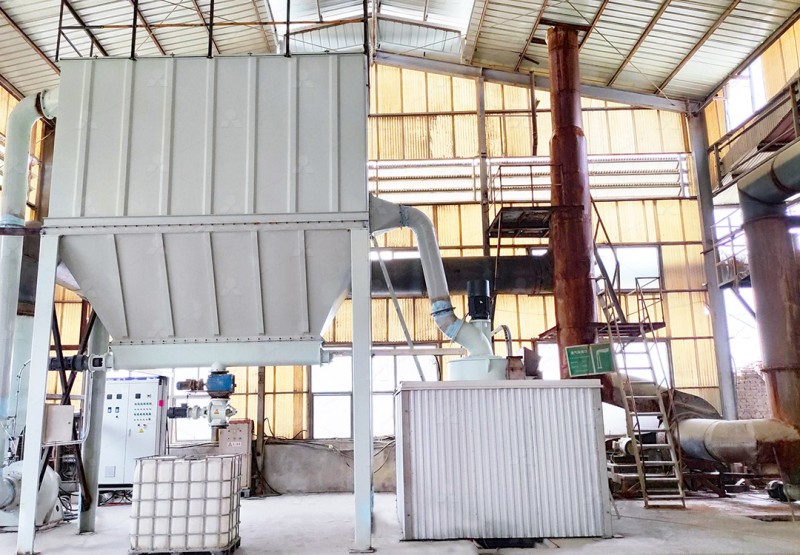
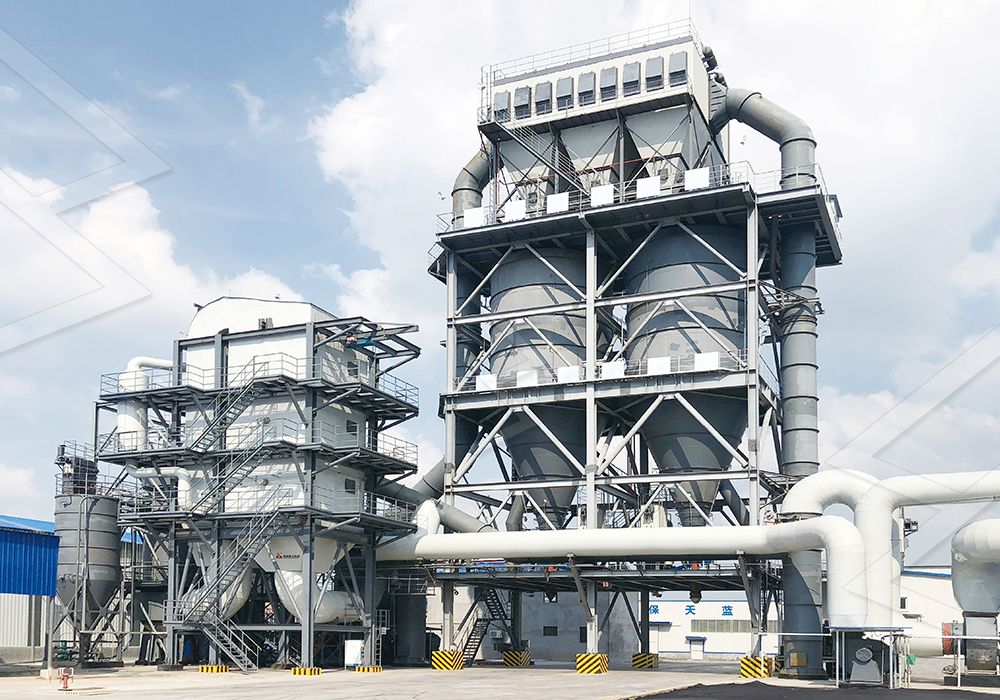
For larger capacity needs and integrated processing, our LM Vertical Grinding Mill is another excellent option for abrasive materials. It integrates crushing, drying, grinding, classifying, and conveying, which simplifies the entire process line. A major advantage is its shorter grinding time, which reduces the opportunity for repeated grinding and further wear. Importantly, the grinding roller and millstone do not contact directly, minimizing wear and reducing the iron content introduced into your product—a common concern with abrasive grinding.
Its compact design reduces the occupational area by 50% compared to a ball mill system, and it saves energy consumption by 30%-40%. For a high-silica operation looking to optimize space and lower operating costs, the LM Vertical Mill is a powerhouse.
Conclusion: It’s About the Right Tool for the Job
Yes, high silica content will affect your raw mill operation. It increases wear, boosts energy consumption, and can challenge your product consistency. But it doesn’t have to be a nightmare. By choosing a mill designed with abrasion resistance and energy efficiency in mind, you can turn a challenging material into a manageable, profitable part of your process.
Don’t let a hard feed grind your operation to a halt. Look into mills built for the task, like our MW or LM series, and keep your production running smoothly and efficiently.
Cheers to efficient grinding!