
Will High Silica Content Affect My Raw Mill Operation?
We provide a wide range of mills — including Raymond mill, trapezoidal mill, vertical mill, ultrafine mill, and ball mill, obtained ISO9001 international quality certification, EU CE certification, and Customs Union CU-TR certification. Suitable for processing minerals such as limestone, phosphate, quicklime, kaolin, talc, barite, bentonite, calcium carbonate, dolomite, coal, gypsum, clay, carbon black, slag, cement raw materials, cement clinker, and more.
The discharge range of these mills can be adjusted to meet specific processing needs, typically from 80-400 mesh, 600-3250 mesh, and can achieve the finest particle size of up to 6000 mesh(D50).
If you are looking for a reliable grinding solution to turn stone or minerals into fine powder, please feel free to contact our online customer service.
Will High Silica Content Affect My Raw Mill Operation?
Hey there, fellow plant operators and engineers. Let’s talk about something that’s probably giving you a headache right now: high silica content in your raw feed. I’ve been in this industry for over twenty years, and I can tell you, silica is one of those materials that can really throw a wrench in your mill’s operation if you’re not prepared for it.
So, will it affect your operation? In a word: absolutely. High silica content, especialy when we’re talking about quartz and other hard, abrasive forms, is a major contributor to wear and tear. It’s like feeding your mill a constant stream of sandpaper. Grinding becomes more difficult, power consumption shoots up, and your wear parts—liners, rollers, grinding rings—they all start to disapear at an alarming rate. Your maintenance schedules get thrown out the window, and your operating costs? They go through the roof.
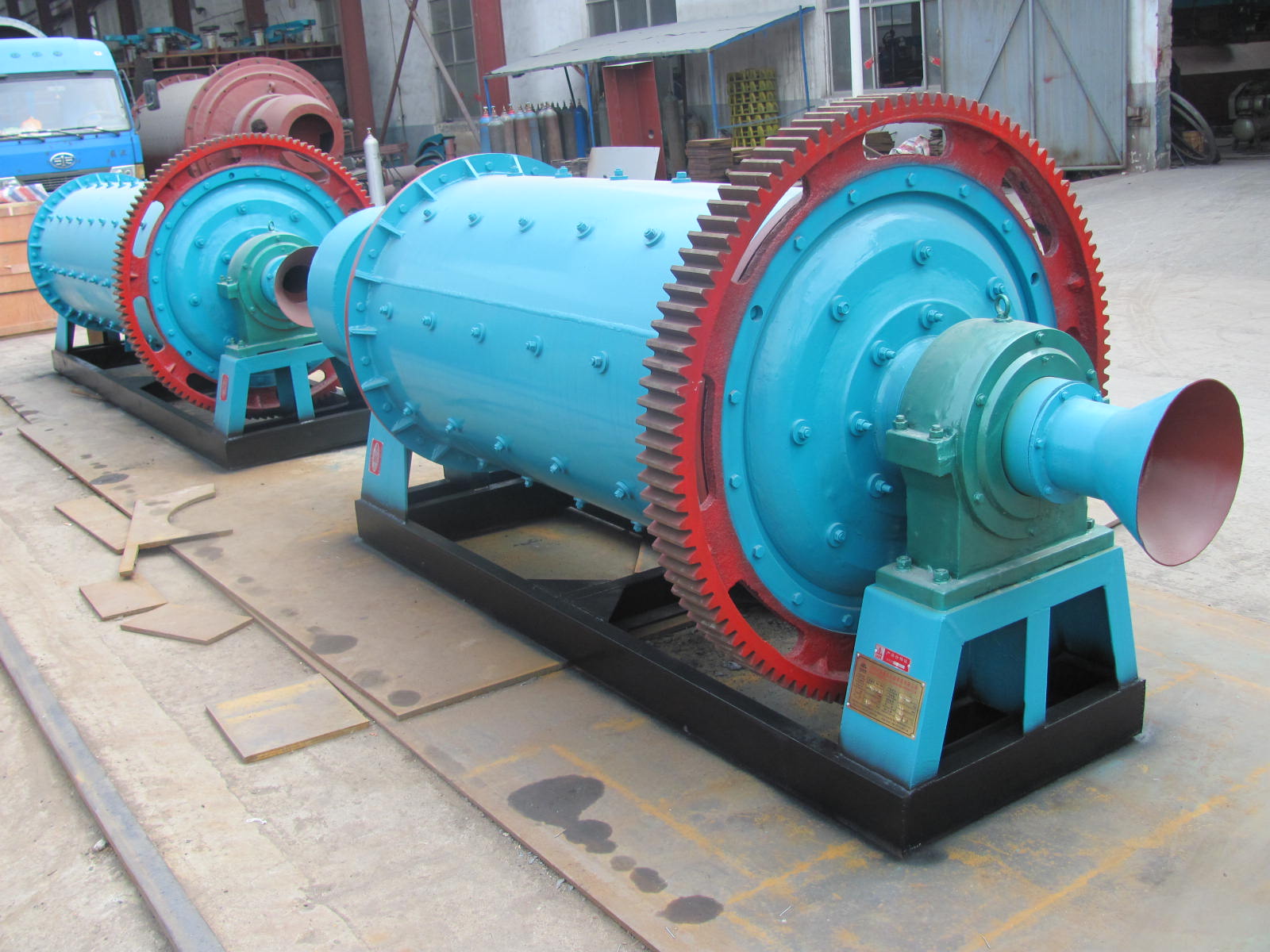
Beyond the mechanical wear, high silica can also impact your grinding efficiency. The material becomes harder to grind to your desired fineness. You might find yourself running the mill longer or at higher pressures just to hit your spec, which again, drives up your energy bill. And let’s not forget the potential for increased dust, which puts more strain on your collection systems.
So, What’s the Solution? Choosing the Right Equipment.
You can’t change your quarry’s geology, but you can definately change how you handle it. The key is to invest in a mill designed from the ground up to handle abrasive materials efficiently. You need a machine built with robust materials, smart engineering to minimize wear points, and efficient grinding dynamics that don’t waste energy.
This is where our MW Ultrafine Grinding Mill really shines for such challenging applications. We designed it with exactly these problems in mind. One of its standout features for abrasive silica is the “No Rolling Bearing & Screw in Grinding Chamber” design. There are no vulnerable bearings or screws inside the chamber to be destroyed by abrasive quartz. This alone eliminates a huge source of potential downtime and maintenance cost. Furthermore, its newly designed grinding curves enhance efficiency, so you get higher yield with lower energy consumption—a critical factor when processing hard materials.
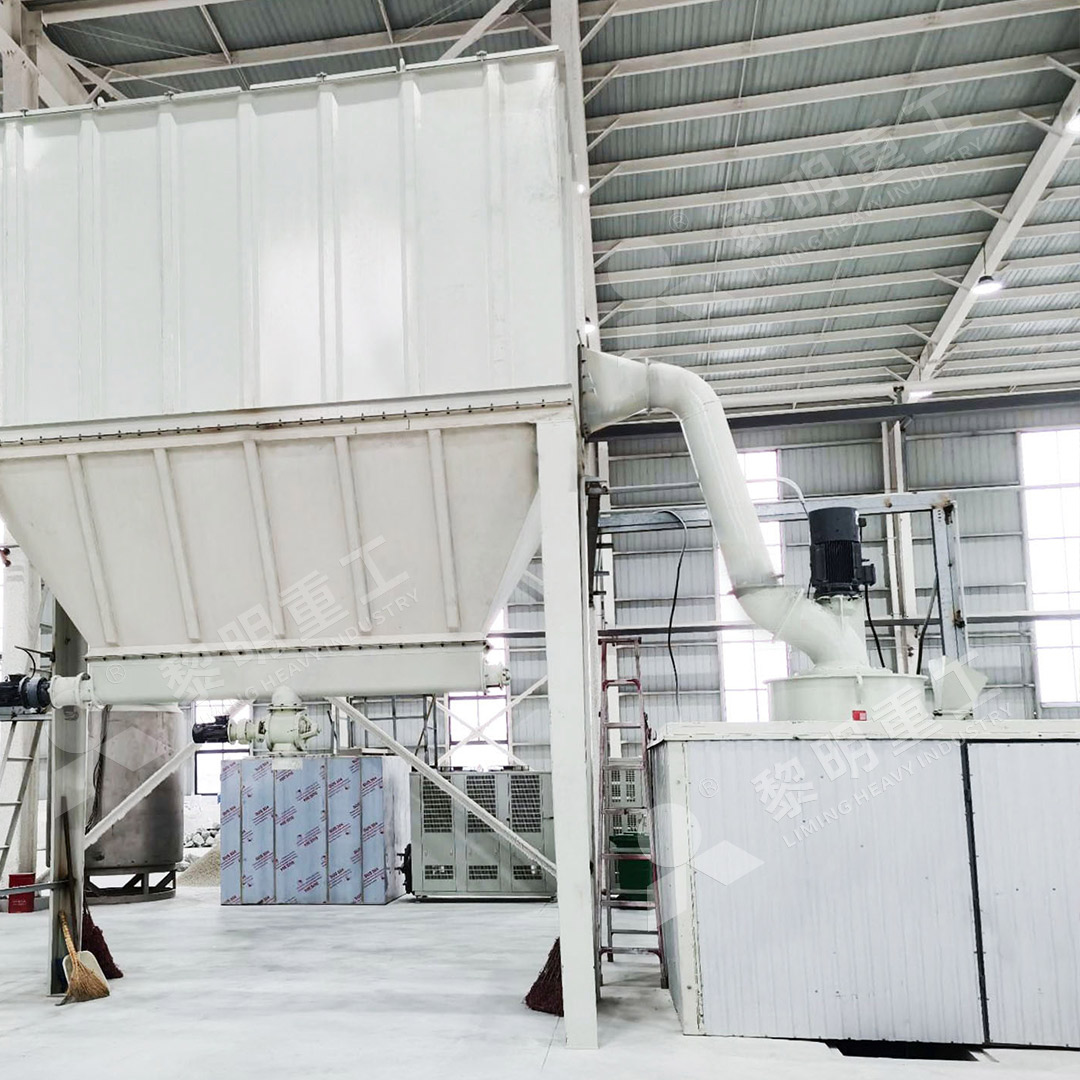
For operations that also need to handle slightly larger feed sizes or require massive throughput on abrasive materials, our LM Vertical Grinding Mill is another fantastic workhorse. Its vertical structure means it integrates crushing, drying, grinding, and classifying, simplifying the whole process. Crucially, its “Short Grinding Time & Low Iron Content” feature means materials like silica spend less time in the mill, reducing repetitive grinding and the associated wear. The grinding roller and millstone don’t make direct contact, which dramatically reduces wear from abrasives and protects the purity of your product.
It’s Not Just About the Grinding
Remember, dealing with silica is a system-wide challenge. Your mill might be tough, but you also need to consider dust control. Silica dust is a major health hazard (silicosis is no joke), so your dust collection system must be top-notch. Both the MW and LM mills come equipped with high-efficiency pulse dust collectors, making the entire operation not only more efficient but also safer and more environmentally friendly.
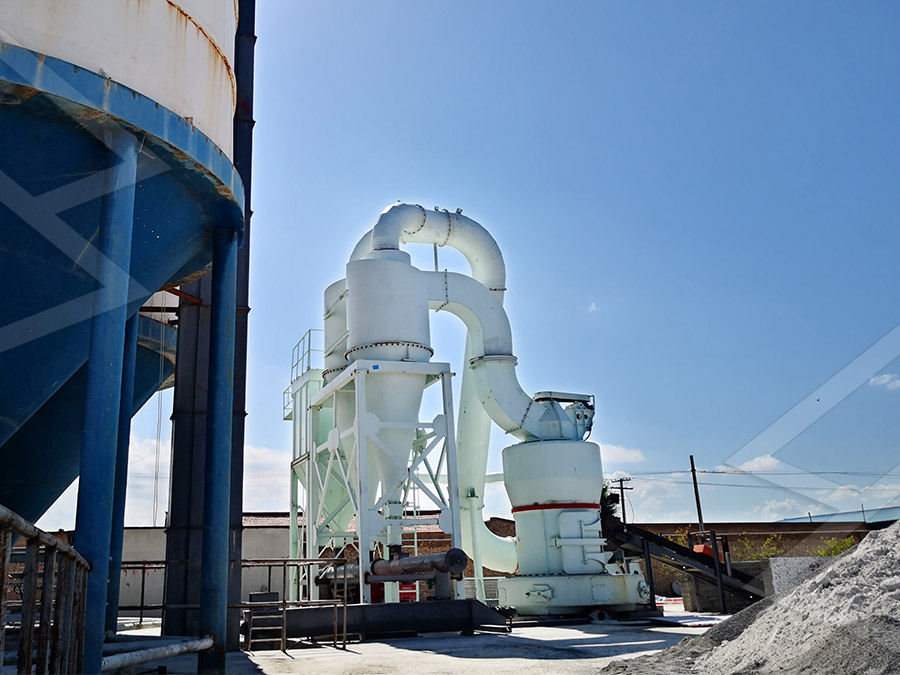
Look, I get it. Retooling or investing in new equipment is a big decision. But sometimes, it’s the only economic choice. Constantly replacing parts, dealing with unplanned shutdowns, and paying massive electricity bills will cost you far more in the long run than investing in a mill designed for the job.
If high silica is a constant battle for you, take a closer look at our MW Ultrafine Grinding Mill or the LM Vertical Grinding Mill. They’re built to take the abuse and keep your operation running smoothly and profitably. Feel free to reach out to our technical team for a consultation—we can help you spec the right machine for your specific material and production goals.
Stay safe and keep grinding!