
Why Raymond Mill Does Not Produce Powder? Common Causes and Solutions
We provide a wide range of mills — including Raymond mill, trapezoidal mill, vertical mill, ultrafine mill, and ball mill, obtained ISO9001 international quality certification, EU CE certification, and Customs Union CU-TR certification. Suitable for processing minerals such as limestone, phosphate, quicklime, kaolin, talc, barite, bentonite, calcium carbonate, dolomite, coal, gypsum, clay, carbon black, slag, cement raw materials, cement clinker, and more.
The discharge range of these mills can be adjusted to meet specific processing needs, typically from 80-400 mesh, 600-3250 mesh, and can achieve the finest particle size of up to 6000 mesh(D50).
If you are looking for a reliable grinding solution to turn stone or minerals into fine powder, please feel free to contact our online customer service.
Why Raymond Mill Does Not Produce Powder? Common Causes and Solutions
Raymond mill operators occasionally face a frustrating situation: the machine is running, but it’s not producing the expected powder output. This common issue can stem from various factors within the grinding system. Understanding these causes and implementing proper solutions is crucial for maintaining optimal production efficiency.
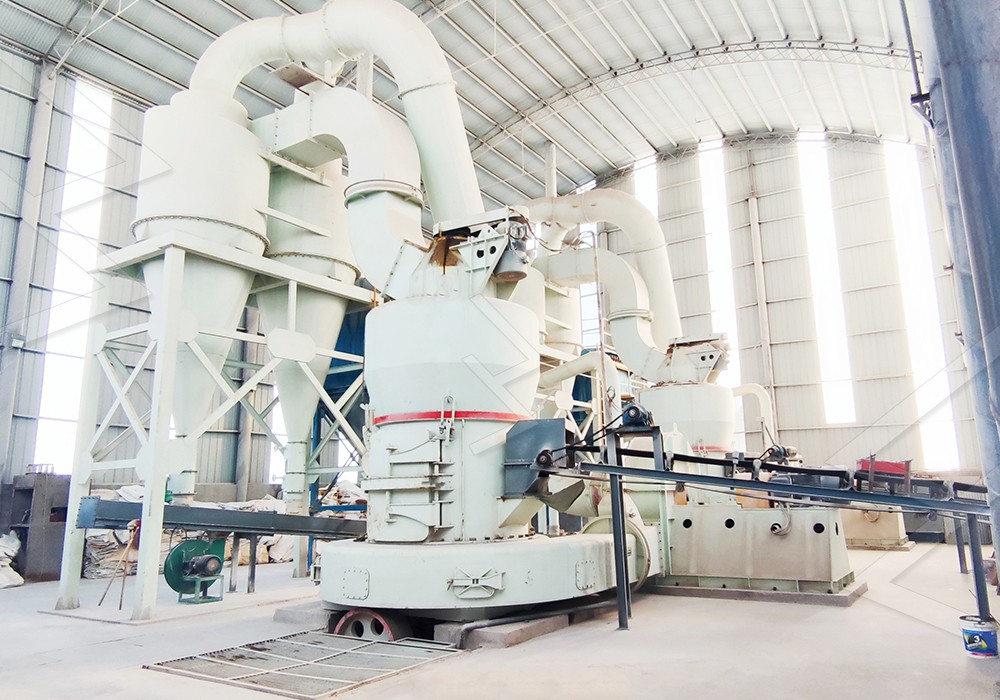
Common Causes of Poor Powder Production
1. Improper Material Feeding
One of the most frequent issues arises from incorrect material feeding practices. When materials exceed the recommended input size of <25mm for Raymond mills, the grinding mechanism struggles to process them effectively. Oversized materials can jam the grinding zone, reducing efficiency and potentially causing mechanical damage. Similarly, inconsistent feeding rates—either too much or too little material—disrupt the equilibrium required for optimal grinding. The material bed between rollers and grinding ring becomes unstable, leading to poor powder generation.
2. Wear of Grinding Components
Grinding rollers and rings are consumable components that gradually wear down with operation. When these parts lose their proper profile and surface characteristics, grinding efficiency drops significantly. Worn components cannot apply adequate pressure to crush materials effectively, resulting in coarse output rather than fine powder. Regular inspection of these critical parts is essential for maintaining production quality.
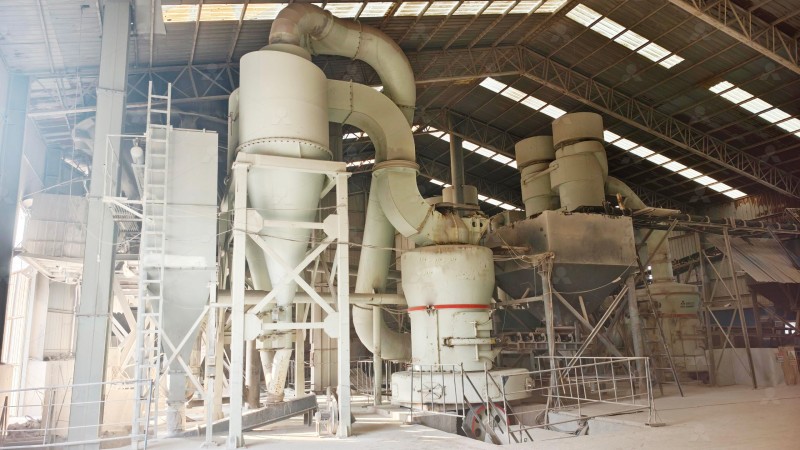
3. Incorrect Airflow and Classification
The airflow system in Raymond mills serves dual purposes: transporting ground materials and separating particles by size. If the blower operates at incorrect pressure or volume, fine powders may not be properly carried to the collection system. Similarly, issues with the classifier—whether incorrect speed settings or mechanical problems—can prevent proper separation of fine powder from coarse material that needs regrinding.
4. Moisture Content Issues
Materials with excessive moisture content present significant challenges for dry grinding systems. Wet materials tend to clog the grinding chamber, adhere to internal surfaces, and resist proper classification. The moisture creates agglomeration where fine particles stick together rather than flowing freely as powder. This is particularly problematic with hygroscopic materials that absorb atmospheric moisture.
Practical Solutions for Improved Performance
Optimize Material Preparation
Ensure all feed material is properly crushed to below 25mm and has consistent moisture content below the recommended threshold. Implement pre-drying procedures for moist materials and consider installing moisture detection systems for automated control.
Regular Maintenance Schedule
Establish a proactive maintenance program that includes regular inspection and replacement of worn grinding components. Monitor roller and ring wear patterns and maintain proper clearances according to manufacturer specifications.
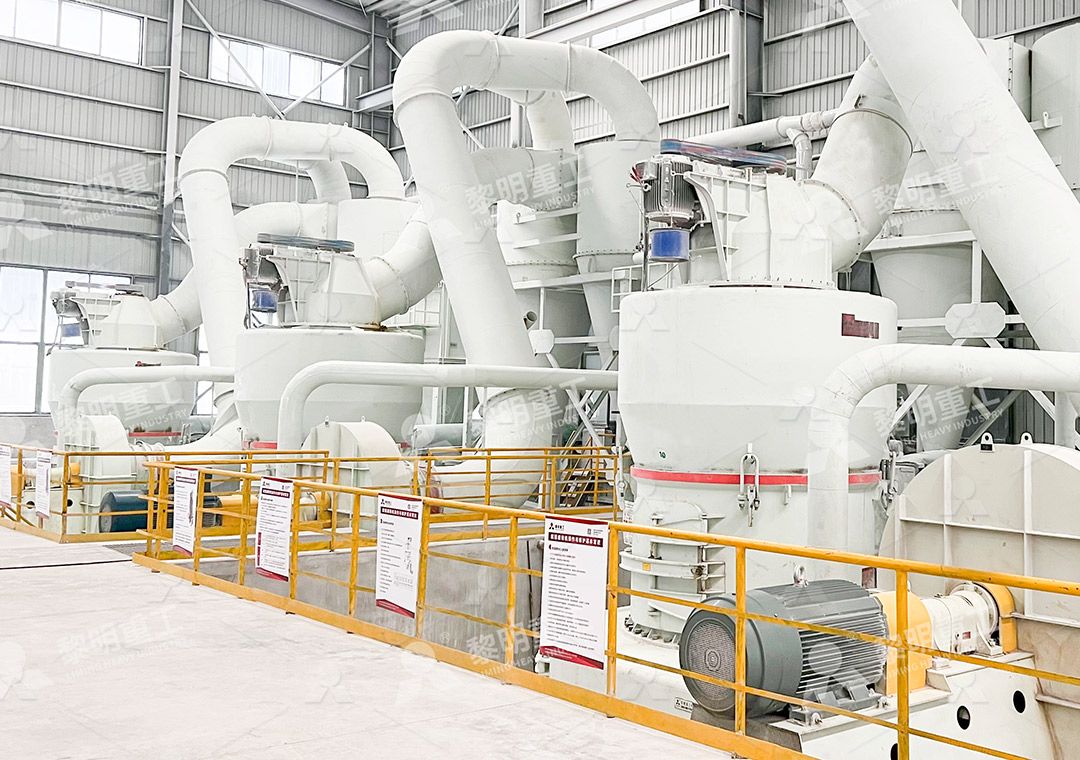
System Parameter Optimization
Regularly check and adjust critical operating parameters including classifier speed, blower operation, and grinding pressure. Keep detailed operation records to identify optimal settings for different materials and maintain consistency in operation.
When to Consider Equipment Upgrade
For operations requiring higher efficiency, finer powders, or processing of challenging materials, modern grinding technologies offer significant advantages. While Raymond mills serve well for basic applications, advanced grinding systems provide superior performance for demanding production requirements.
Our MW Ultrafine Grinding Mill represents the next evolution in grinding technology, capable of producing powders between 325-2500 meshes with remarkable efficiency. With an input size capability of 0-20mm and capacity ranging from 0.5-25 tph, this system addresses many limitations of traditional Raymond mills. The innovative design features higher yielding with lower energy consumption—achieving 40% higher production capacity than jet grinding mills while using only 30% of the energy.
For operations requiring exceptional precision, the LUM Ultrafine Vertical Grinding Mill offers advanced German powder separating technology with capacity of 5-18 tph. Its unique roller shell and lining plate grinding curve generates material layers more effectively, enabling high rates of finished products through single-pass milling. The double position-limiting technology ensures operational stability, while the reversible structure simplifies maintenance procedures.
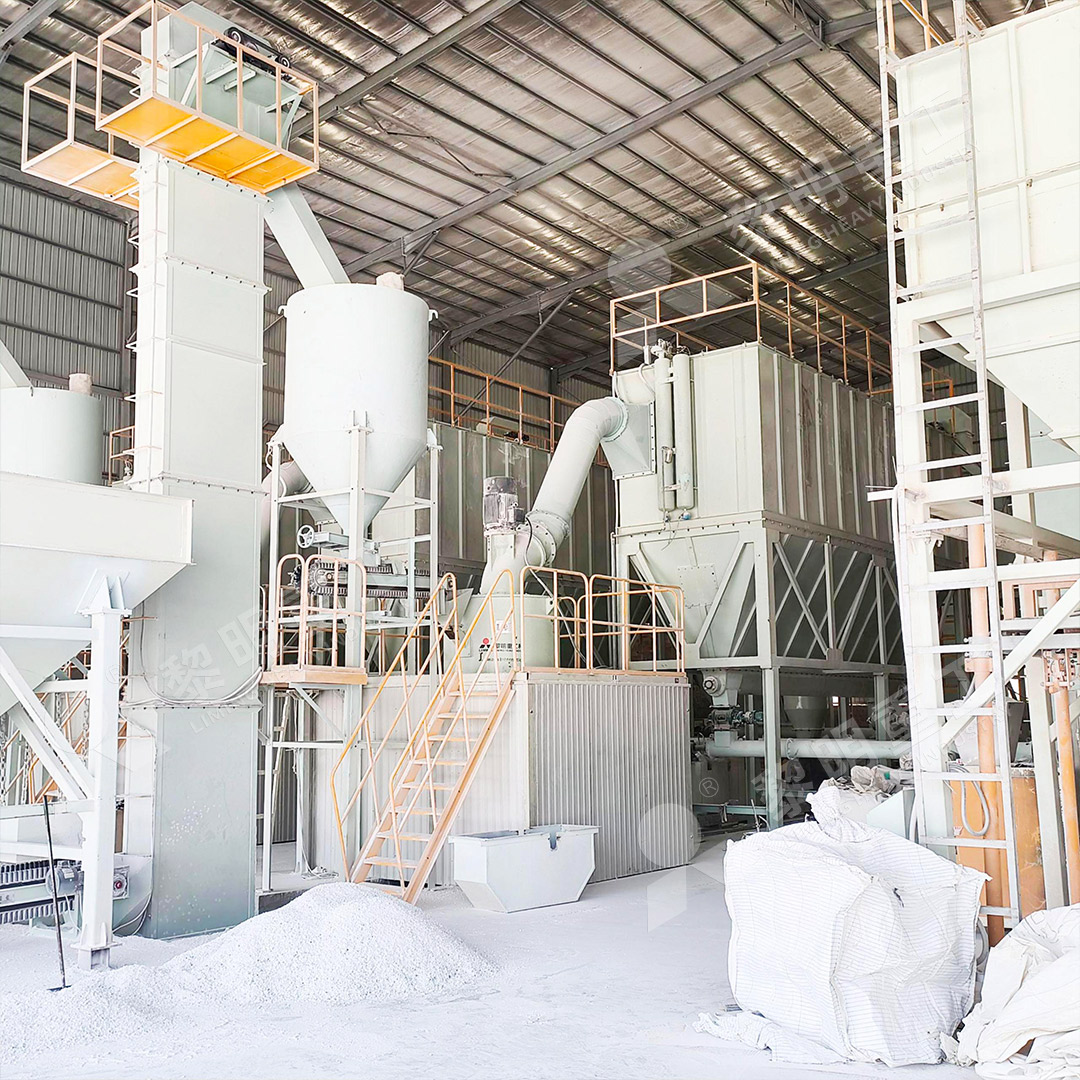
Both systems incorporate environmentally conscious designs with efficient pulse dust collectors and noise reduction features, ensuring compliance with national environmental protection standards. The digitalized processing of core components guarantees higher precision and reliable operation, while sufficient spare parts supply ensures worry-free continuous operation.
By understanding the root causes of poor powder production and implementing these solutions—or upgrading to more advanced equipment when necessary—operators can significantly improve their grinding efficiency and product quality.
Frequently Asked Questions
What is the most common reason for sudden loss of powder production in Raymond mills?
Sudden production loss typically indicates either a blockage in the grinding zone, classifier malfunction, or significant component wear. Immediate inspection of these areas usually identifies the cause.
How often should grinding rollers and rings be replaced in a Raymond mill?
Replacement frequency depends on material abrasiveness and operating hours, but typically ranges from 800-2,000 hours of operation. Regular inspection every 200-300 hours helps determine optimal replacement timing.
Can Raymond mills handle moist materials effectively?
Standard Raymond mills perform best with materials containing less than 6% moisture. For higher moisture content, pre-drying systems or alternative grinding technologies like our MW Ultrafine Grinding Mill with enhanced drying capabilities are recommended.
What advantages do modern grinding mills offer over traditional Raymond mills?
Modern systems like our MW and LUM mills provide higher energy efficiency, finer product control, lower maintenance requirements, better environmental performance, and advanced automation capabilities.
How can I determine if my operation would benefit from upgrading to a newer grinding system?
Consider upgrading if you require finer powders (below 325 mesh), higher production capacity, reduced energy consumption, or improved product consistency. Our technical team can perform operational assessments to provide specific recommendations.
What maintenance practices most significantly impact Raymond mill powder production?
Regular inspection and adjustment of grinding clearances, classifier operation, and airflow systems have the greatest impact on maintaining consistent powder production quality and quantity.