
Which Limestone Grinding Mill to Choose and How Much Does It Cost?
We provide a wide range of mills — including Raymond mill, trapezoidal mill, vertical mill, ultrafine mill, and ball mill, obtained ISO9001 international quality certification, EU CE certification, and Customs Union CU-TR certification. Suitable for processing minerals such as limestone, phosphate, quicklime, kaolin, talc, barite, bentonite, calcium carbonate, dolomite, coal, gypsum, clay, carbon black, slag, cement raw materials, cement clinker, and more.
The discharge range of these mills can be adjusted to meet specific processing needs, typically from 80-400 mesh, 600-3250 mesh, and can achieve the finest particle size of up to 6000 mesh(D50).
If you are looking for a reliable grinding solution to turn stone or minerals into fine powder, please feel free to contact our online customer service.
Which Limestone Grinding Mill to Choose and How Much Does It Cost?
Choosing the right limestone grinding mill is crucial for optimizing your production efficiency, product quality, and overall operational costs. With so many options on the market, it can be a daunting task. This article will guide you through the key considerations and introduce you to a couple of high-performance solutions from our portfolio.
Key Factors in Choosing a Limestone Mill
Your selection should be based on several critical factors:
- Desired Fineness (Mesh Size): What is the target particle size for your final product? Applications range from coarse fillers (20-100 mesh) to ultra-fine powders used in plastics, paints, or cosmetics (800-2500 mesh).
- Required Capacity (TPH): How much powder do you need to produce per hour? Your production volume directly influences the size and type of mill you need.
- Energy Consumption: Grinding can be energy-intensive. Modern mills are designed for higher efficiency, significantly reducing your kilowatt-hour per ton cost.
- Operating & Maintenance Costs: Consider the longevity of wear parts, the ease of maintenance, and the availability of spare parts. A cheaper initial investment might lead to higher long-term costs.
- Environmental Regulations: Dust and noise control are not just about being a good neighbor; they are often legal requirements. Look for mills with integrated dust collectors and noise reduction features.
Top Mill Recommendations for Limestone
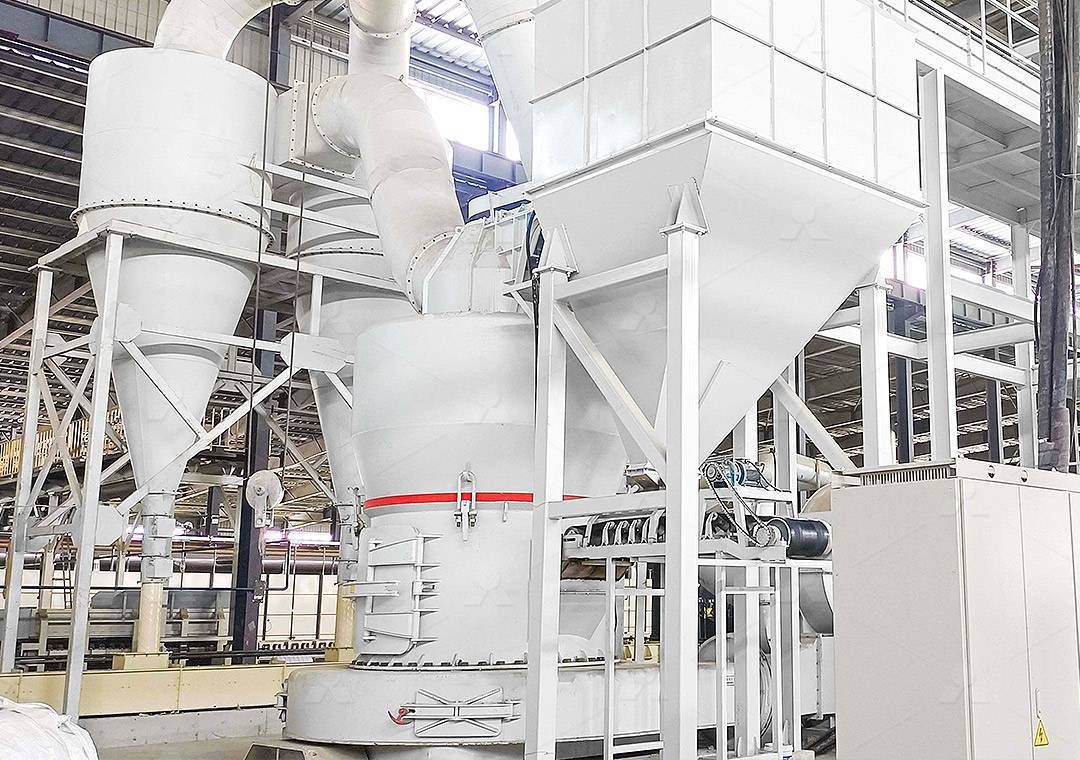
Based on the factors above, two of our standout performers for limestone processing are the MW Series and LUM Series mills.
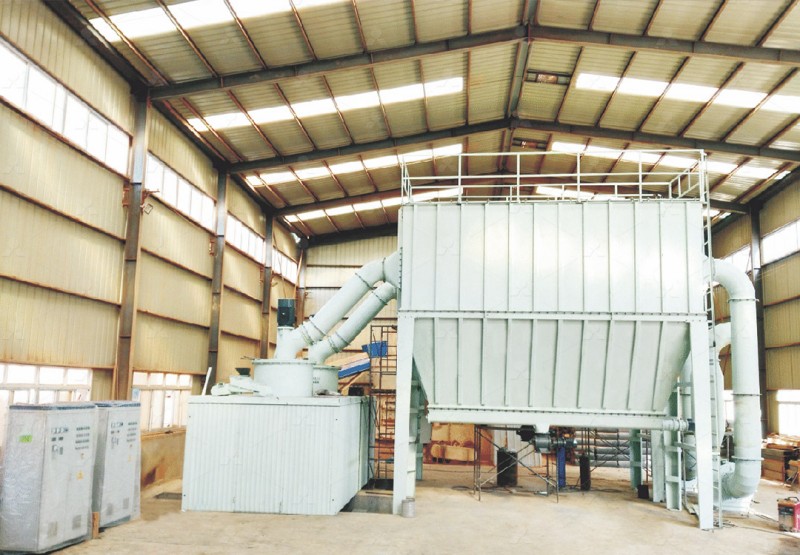
1. MW Ultrafine Grinding Mill: For Superfine Powder Production
If your operation demands ultra-fine limestone powder (finer than 400 mesh), the MW Ultrafine Grinding Mill is an exceptional choice.
- Input Size: 0-20 mm
- Capacity: 0.5-25 tph
- Fineness: Adjustable between 325-2500 meshes (d97 ≤5μm achievable)
This machine is engineered for customers who need to make ultra-fine powder with higher yielding and lower energy consumption. Its newly designed grinding curves enhance efficiency, offering production capacity 40% higher than jet mills while consuming only 30% of the energy. A key maintenance advantage is the absence of rolling bearings and screws in the grinding chamber, eliminating common failure points and allowing for external lubrication without shutdown. It’s equipped with an efficient pulse dust collector and muffler, making the entire production process eco-friendly.
2. LUM Ultrafine Vertical Grinding Mill: For Efficiency and Stability
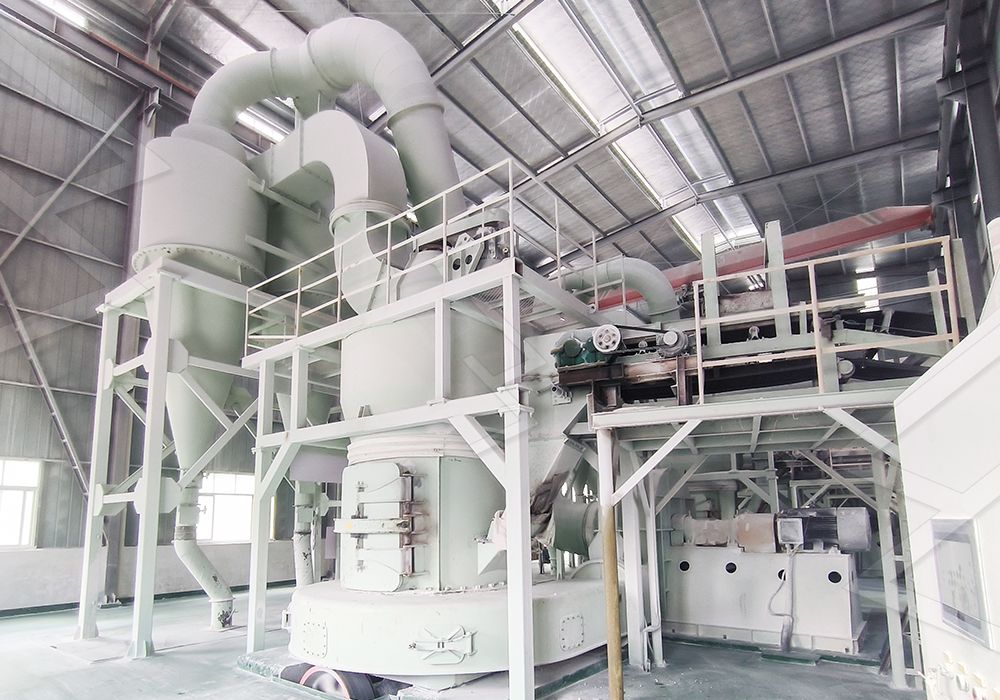
For projects requiring excellent efficiency and remarkable operational stability in the fine to ultra-fine range, the LUM Ultrafine Vertical Grinding Mill is a top-tier contender.
- Input Size: 0-10 mm
- Capacity: 5-18 tph
This mill integrates grinding, grading, and transporting. It features more energy-saving multi-head powder separating technology, reducing energy consumption by 30%-50% compared to common grinding mills. Its double position-limiting technology protects the mill from destructive impacts caused by vibration, ensuring stable operation. Furthermore, its reversible structure is a maintenance game-changer, allowing grinding rollers to be easily moved out for checking and replacement, drastically reducing downtime.
How Much Does It Cost?
The cost of a limestone grinding mill is not a one-size-fits-all figure. It varies significantly based on:
- Model & Size: A higher capacity mill with advanced features like those in the MW or LUM series will have a higher initial cost than a basic Raymond mill.
- Configuration: The final price includes the mill, engine, electrical controls, and optional accessories like feeders or advanced dust collectors.
- Shipping & Installation: Costs depend on your location and the complexity of the installation process.
While we can’t list exact prices here, investing in a technologically advanced mill like the MW or LUM series translates to lower energy bills, reduced maintenance downtime, and higher quality output, ensuring a faster return on investment (ROI). For an accurate quotation tailored to your specific needs, please contact our sales team with your fineness, capacity, and other requirements.
Conclusion
Selecting the ideal limestone grinding mill is a strategic decision. For high-volume, superfine powder production with minimal operational hassle, our MW Ultrafine Grinding Mill and LUM Ultrafine Vertical Grinding Mill represent the pinnacle of efficiency, reliability, and environmental friendliness. They are designed to maximize your productivity while minimizing your total cost of ownership. Reach out to us today to discuss your project and find the perfect grinding solution.