
Which Heavy Calcium Grinding Mill is the Best Choice?
We provide a wide range of mills — including Raymond mill, trapezoidal mill, vertical mill, ultrafine mill, and ball mill, obtained ISO9001 international quality certification, EU CE certification, and Customs Union CU-TR certification. Suitable for processing minerals such as limestone, phosphate, quicklime, kaolin, talc, barite, bentonite, calcium carbonate, dolomite, coal, gypsum, clay, carbon black, slag, cement raw materials, cement clinker, and more.
The discharge range of these mills can be adjusted to meet specific processing needs, typically from 80-400 mesh, 600-3250 mesh, and can achieve the finest particle size of up to 6000 mesh(D50).
If you are looking for a reliable grinding solution to turn stone or minerals into fine powder, please feel free to contact our online customer service.
Navigating the Maze of Heavy Calcium Carbonate Grinding Solutions
The production of high-quality heavy calcium carbonate (GCC) powder is a cornerstone of numerous industries, from plastics and paints to paper and pharmaceuticals. Selecting the optimal grinding mill is not merely a purchase; it’s a strategic decision impacting product quality, operational efficiency, and long-term profitability. With a plethora of technologies available—from traditional Raymond and ball mills to advanced vertical and ultrafine systems—the choice can seem daunting. This article cuts through the complexity, offering a clear analysis to guide you toward the ideal solution for your specific heavy calcium processing needs.
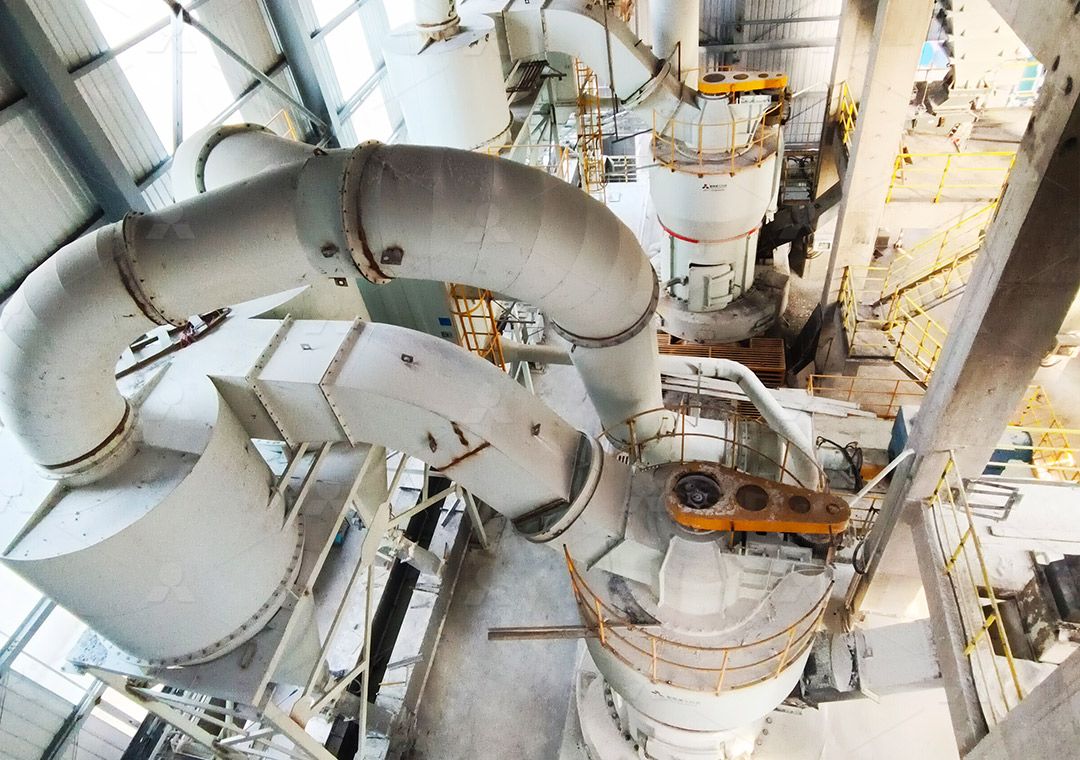
Key Considerations for Mill Selection
Before diving into specific mill types, it’s crucial to define your project parameters. The “best” mill is the one that aligns perfectly with your requirements:
- Desired Fineness (Mesh/Microns): Are you targeting coarse fillers (200-400 mesh) or ultra-fine, high-value products (over 800 mesh)?
- Required Capacity (TPH): What is your target hourly or annual output?
- Feed Size: What is the maximum particle size of your raw limestone or calcite?
- Product Whiteness & Purity: How critical is low iron contamination and high brightness for your end-use?
- Energy Efficiency & Operating Costs: What are your priorities regarding power consumption and maintenance downtime?
- Environmental & Space Constraints: Do you have strict noise, dust emission, or footprint limitations?
Technology Breakdown: From Traditional to Cutting-Edge
Each mill technology offers distinct advantages and trade-offs for grinding heavy calcium carbonate.
Raymond Mill & Ball Mill: These are well-established, cost-effective entry points for coarse to medium-fine grinding (typically up to 425 mesh). They are robust and simple to operate. However, for finer grades, their efficiency drops significantly, energy consumption rises, and product contamination (especially iron from wear parts in ball mills) can be a concern for high-purity applications.
European Trapezium Mills (MTW/MTW-Z): Representing an evolution of the Raymond mill principle, these mills offer improved efficiency, larger capacity, and better fineness control (up to 600-800 mesh). Features like curved air ducts and dilute oil lubrication for rollers enhance stability and reduce maintenance. They are excellent all-rounders for high-volume production of fine calcium carbonate.
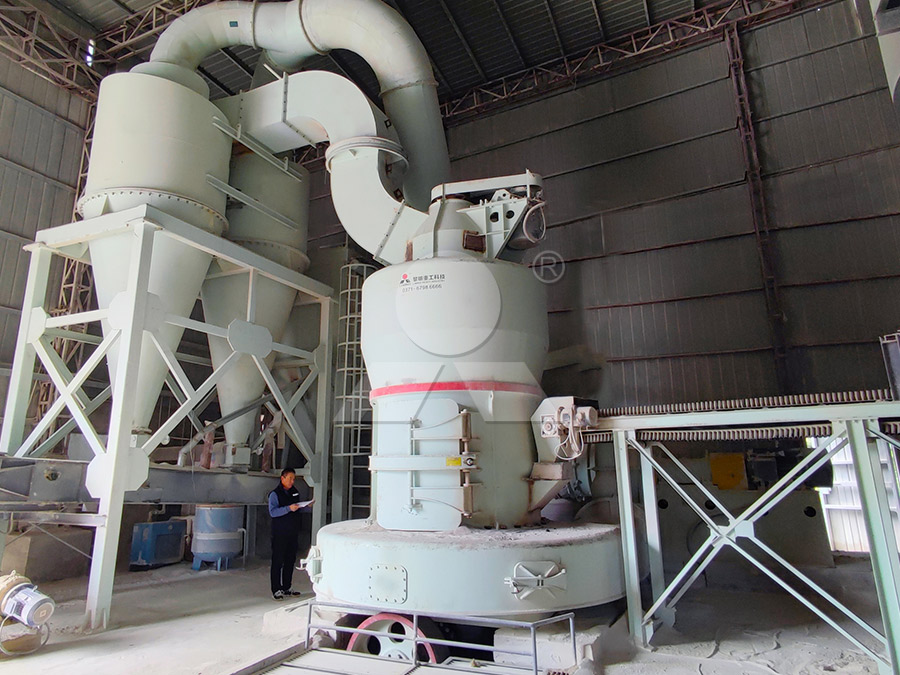
Vertical Roller Mills (LM Series): This technology marks a significant leap. By integrating drying, grinding, classification, and conveying, LM vertical mills offer superior energy efficiency (30-40% less than ball mills) and a compact footprint. The material bed grinding principle minimizes direct metal-to-metal contact, drastically reducing iron contamination and preserving product whiteness. They are ideal for large-scale production of fine powders with excellent consistency.
The Pinnacle for Ultra-Fine Heavy Calcium: A Focused Recommendation
For producers targeting the high-value, ultra-fine (above 800 mesh) and coated calcium carbonate markets, where exceptional whiteness, narrow particle size distribution, and high throughput are non-negotiable, advanced vertical and specialized ultrafine mills are the undisputed champions. Among these, our LUM Ultrafine Vertical Grinding Mill stands out as a premier choice.
Engineered with the latest grinding roller and German powder separating technology, the LUM mill is designed to overcome the limitations of traditional systems. Its unique roller shell and lining plate grinding curve promotes stable material layer formation, enabling high-yield, single-pass milling that greatly enhances efficiency. Crucially, the short material residence time and minimized grinding media contact result in finished products with superior whiteness and cleanliness—a critical factor for premium GCC.
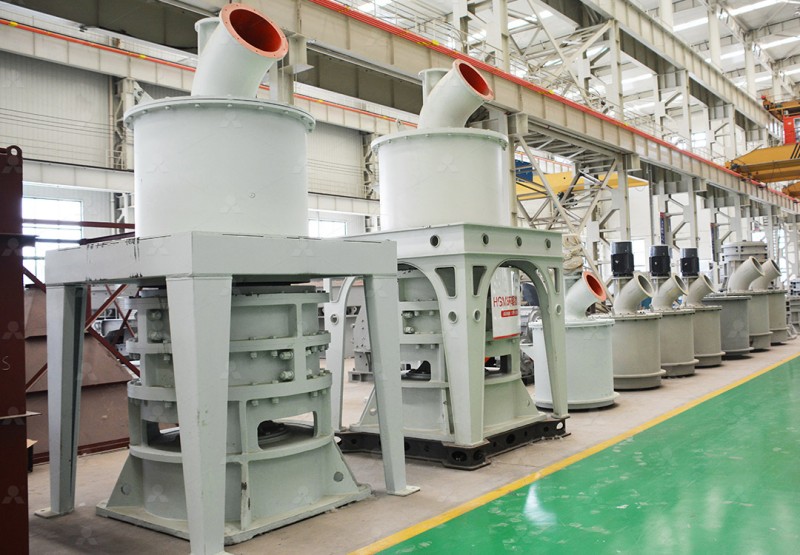
Operational excellence is built-in. The PLC-controlled multi-head powder separating technology allows for precise, on-demand adjustment of fineness between 325-2500 meshes with remarkable energy savings of 30-50%. For maintenance and stability, its reversible structure allows grinding rollers to be easily hydraulically swung out for service, while double position-limiting technology protects the millstone from vibrational impact, ensuring unwavering operational stability.
Conclusion: Aligning Technology with Ambition
There is no universal “best” heavy calcium grinding mill, but there is a definitively optimal one for your specific goals. For high-volume, fine-grade production with a focus on efficiency and purity, vertical roller mills like the LM series are transformative. For those pushing into the ultra-fine frontier where product quality dictates market price, investing in a dedicated, high-technology system like the LUM Ultrafine Vertical Grinding Mill is a strategic move that pays dividends in product premium and operational reliability.
By carefully weighing your fineness targets, capacity needs, and quality specifications against the strengths of each technology, you can make an informed investment that powers your productivity for years to come.
Frequently Asked Questions (FAQs)
- What is the main advantage of a vertical roller mill over a traditional ball mill for grinding heavy calcium?
The primary advantages are significantly higher energy efficiency (30-50% less power consumption), a much smaller physical footprint, and greatly reduced iron contamination due to the material-bed grinding principle, leading to a whiter, purer final product. - Can I achieve a fineness of 2500 mesh with your grinding mills?
Yes, our specialized ultrafine mills, such as the MW and LUM series, are specifically designed to produce powders in the range of 325 to 2500 meshes. The LUM Ultrafine Vertical Mill, with its advanced multi-head powder separator, offers precise control within this ultra-fine spectrum. - How do you manage dust and noise pollution in your mill designs?
Our mills, including the LUM and MW models, are engineered as closed, negative-pressure systems. They are equipped with high-efficiency pulse jet dust collectors and integrated silencers or noise reduction rooms, ensuring emissions and noise levels comply with stringent international environmental standards. - What is the typical lead time for a complete grinding mill system?
Lead times vary based on the model and system configuration. Generally, for standard models, delivery can be expected within 2-4 months from order confirmation. We provide detailed project timelines during the quotation process. - Do you offer support for installation and commissioning?
Absolutely. We provide comprehensive technical support, including foundation drawing guidance, installation supervision, on-site commissioning, and thorough operator training to ensure a smooth startup and optimal performance. - How does the “no rolling bearing in the grinding chamber” feature benefit operations?
A key feature of our MW Ultrafine Grinding Mill, this design eliminates the risk of bearing failure or seal damage inside the high-wear grinding zone. Lubrication is performed externally without shutdown, enabling continuous 24/7 operation and drastically reducing unplanned maintenance.