
Which Grinding Mill is Best for Granite and Limestone?
We provide a wide range of mills — including Raymond mill, trapezoidal mill, vertical mill, ultrafine mill, and ball mill, obtained ISO9001 international quality certification, EU CE certification, and Customs Union CU-TR certification. Suitable for processing minerals such as limestone, phosphate, quicklime, kaolin, talc, barite, bentonite, calcium carbonate, dolomite, coal, gypsum, clay, carbon black, slag, cement raw materials, cement clinker, and more.
The discharge range of these mills can be adjusted to meet specific processing needs, typically from 80-400 mesh, 600-3250 mesh, and can achieve the finest particle size of up to 6000 mesh(D50).
If you are looking for a reliable grinding solution to turn stone or minerals into fine powder, please feel free to contact our online customer service.
Which Grinding Mill is Best for Granite and Limestone?
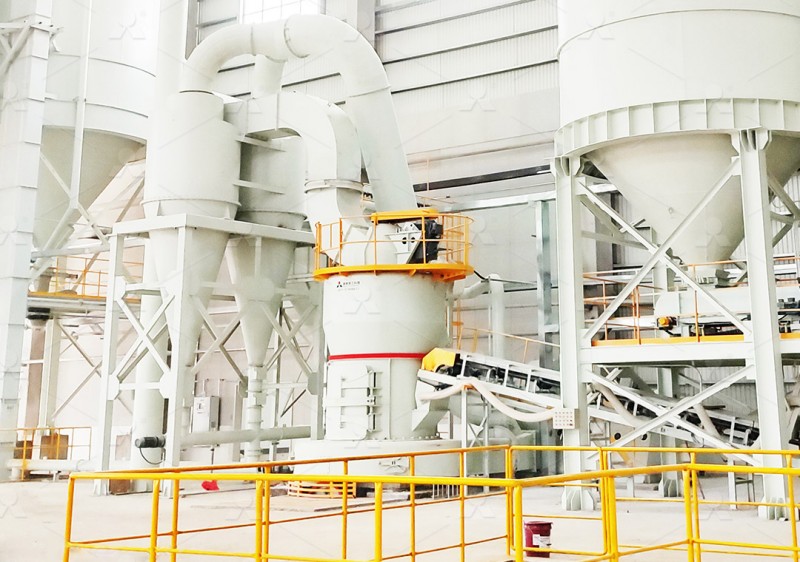
Selecting the right grinding mill for hard minerals like granite and limestone is crucial for operational efficiency and product quality. These materials demand robust machinery capable of handling their abrasive nature while delivering precise particle size distribution. After decades of engineering experience, we’ve identified key factors that determine the optimal mill selection.
Understanding Material Characteristics
Granite, an igneous rock composed mainly of quartz and feldspar, ranks high on the Mohs hardness scale (6-7). Its crystalline structure requires substantial grinding force. Limestone, though softer (3-4 Mohs), presents challenges with its variable composition and potential for moisture content. Both materials are widely used in construction, chemicals, and manufacturing industries where precise fineness matters.
Key Considerations for Mill Selection
When processing these materials, consider these critical aspects:
- Hardness Compatibility: The mill must withstand abrasive wear
- Particle Size Requirements: From coarse aggregates to ultra-fine powders
- Production Capacity: Matching output to operational needs
- Energy Efficiency: Reducing operational costs per ton
- Environmental Factors: Dust control and noise reduction
Recommended Solutions for Granite and Limestone Grinding
Based on your material requirements and production goals, we typically recommend two exceptional performers from our product line:
MW Ultrafine Grinding Mill: Precision for Fine Powder Production
For applications requiring ultra-fine powders between 325-2500 meshes, the MW Ultrafine Grinding Mill stands unmatched. Its innovative design addresses the specific challenges of hard mineral processing:
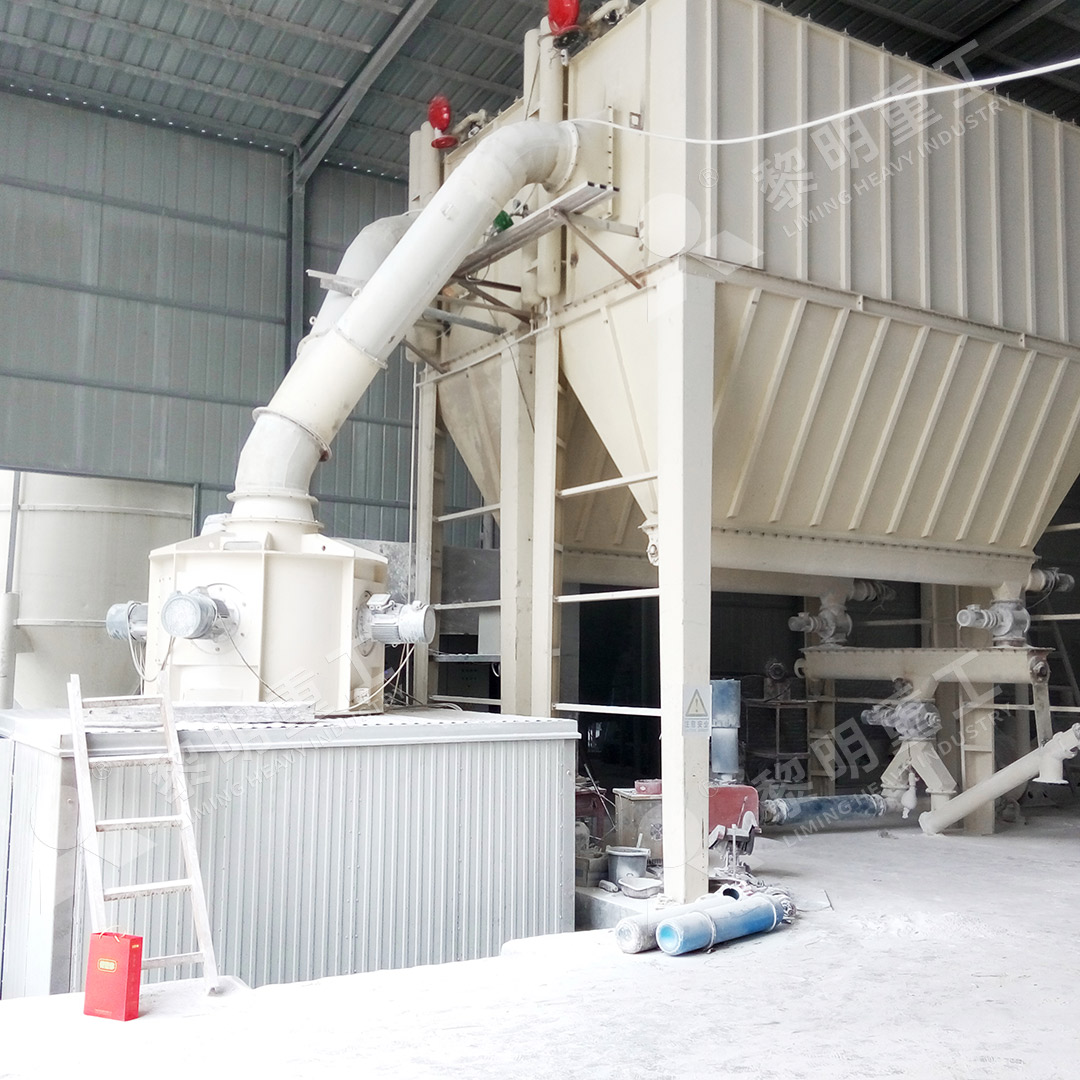
- Higher Yielding, Lower Energy Consumption: Production capacity is 40% higher than jet mills with only 30% of the energy consumption
- Precision Particle Control: German-designed cage-type powder selector ensures accurate fineness adjustment
- Enhanced Reliability: No rolling bearings or screws in the grinding chamber eliminate common failure points
- Eco-Friendly Operation: Integrated pulse dust collector and muffler system maintain clean, quiet operation
With an input size of 0-20 mm and capacity ranging from 0.5-25 tph, the MW series handles both granite and limestone with exceptional efficiency. The absence of internal screws and bearings means you can run continuous 24-hour operations without worrying about mechanical failures caused by material abrasiveness.
LUM Ultrafine Vertical Grinding Mill: Versatility Meets Efficiency
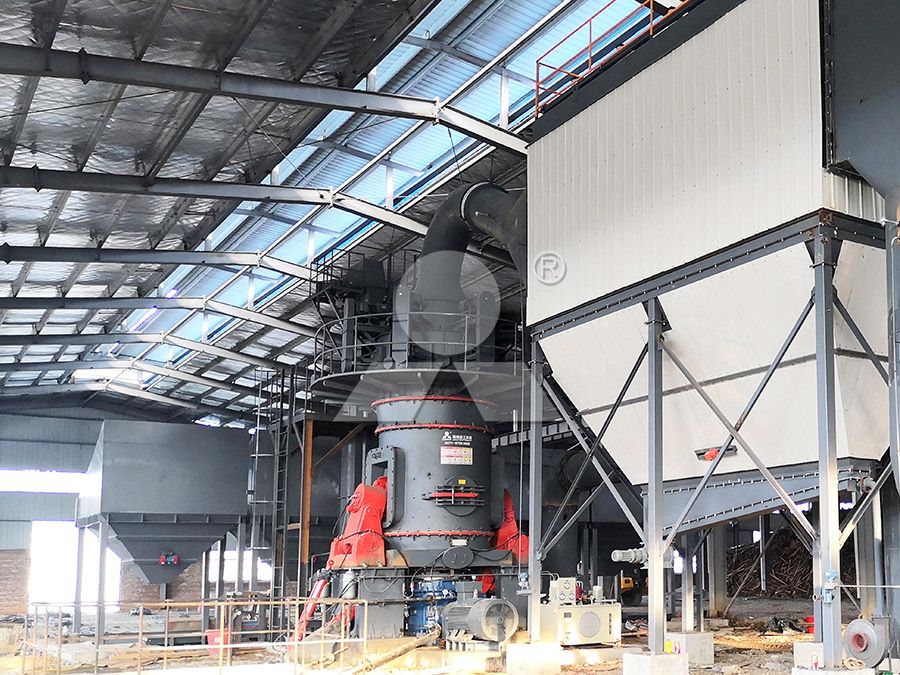
When your operation demands flexibility across different production requirements, the LUM Ultrafine Vertical Grinding Mill offers superior adaptability. Combining Taiwanese roller technology with German powder separation, this mill excels in handling varying material characteristics:
- Intelligent Control System: PLC automation allows precise adjustment of grinding parameters
- Multi-Head Powder Separating Technology: Quickly switches between different production demands
- Double Position-Limiting Technology: Prevents destructive impact from machine vibration
- Reversible Maintenance Design: Hydraulic system enables easy roller access for maintenance
Processing materials with 0-10 mm input size at 5-18 tph capacity, the LUM mill maintains consistent quality even with fluctuating material hardness. Its unique roller shell and lining plate grinding curve generates optimal material layers for efficient grinding.
Making the Right Choice for Your Operation
The optimal selection depends on your specific requirements. For ultra-fine powder production with maximum energy efficiency, the MW Ultrafine Grinding Mill delivers exceptional results. For operations needing flexibility to handle varying material specifications and production demands, the LUM Ultrafine Vertical Grinding Mill provides superior adaptability.
Both mills incorporate our commitment to precision engineering, with digitally controlled manufacturing processes ensuring consistent quality and performance. The generous spare parts supply and comprehensive technical support guarantee worry-free operation throughout your mill’s lifecycle.
Frequently Asked Questions
What is the maximum hardness these mills can handle?
Both the MW and LUM mills effectively process materials up to 9 Mohs hardness, making them ideal for granite (6-7 Mohs) and limestone (3-4 Mohs).
How do these mills handle moisture content in limestone?
Our vertical grinding mills integrate drying capabilities, handling materials with moderate moisture content. For high-moisture applications, we recommend pre-drying systems.
What maintenance intervals should we expect?
The MW mill’s bearing-free design and LUM’s reversible structure significantly extend maintenance cycles. Typical wear parts last 6-12 months depending on production volume.
Can these mills produce multiple fineness grades simultaneously?
While single mills produce one fineness grade at a time, the quick-adjustment capabilities allow rapid switching between different specifications.
What dust control measures are integrated?
Both mills feature efficient pulse dust collectors that maintain dust emissions well below international environmental standards.