
Which Brand of Limestone Grinding Mill is the Best?
We provide a wide range of mills — including Raymond mill, trapezoidal mill, vertical mill, ultrafine mill, and ball mill, obtained ISO9001 international quality certification, EU CE certification, and Customs Union CU-TR certification. Suitable for processing minerals such as limestone, phosphate, quicklime, kaolin, talc, barite, bentonite, calcium carbonate, dolomite, coal, gypsum, clay, carbon black, slag, cement raw materials, cement clinker, and more.
The discharge range of these mills can be adjusted to meet specific processing needs, typically from 80-400 mesh, 600-3250 mesh, and can achieve the finest particle size of up to 6000 mesh(D50).
If you are looking for a reliable grinding solution to turn stone or minerals into fine powder, please feel free to contact our online customer service.
Which Brand of Limestone Grinding Mill is the Best?
For professionals in mining, construction, and industrial mineral processing, selecting the right limestone grinding mill is a critical decision that impacts productivity, product quality, and operational costs. The market offers a dizzying array of options, from traditional Raymond and ball mills to advanced vertical and ultrafine grinding systems. The “best” mill isn’t a one-size-fits-all answer; it depends entirely on your specific requirements for fineness, capacity, energy efficiency, and long-term reliability.
The core challenge lies in balancing performance with sustainability. Modern operations demand equipment that delivers high yields without compromising on environmental standards or consuming excessive power. This is where technological innovation separates leading brands from the rest. A superior mill should integrate advanced grinding mechanics, precise particle classification, and robust dust control into a cohesive, efficient system.
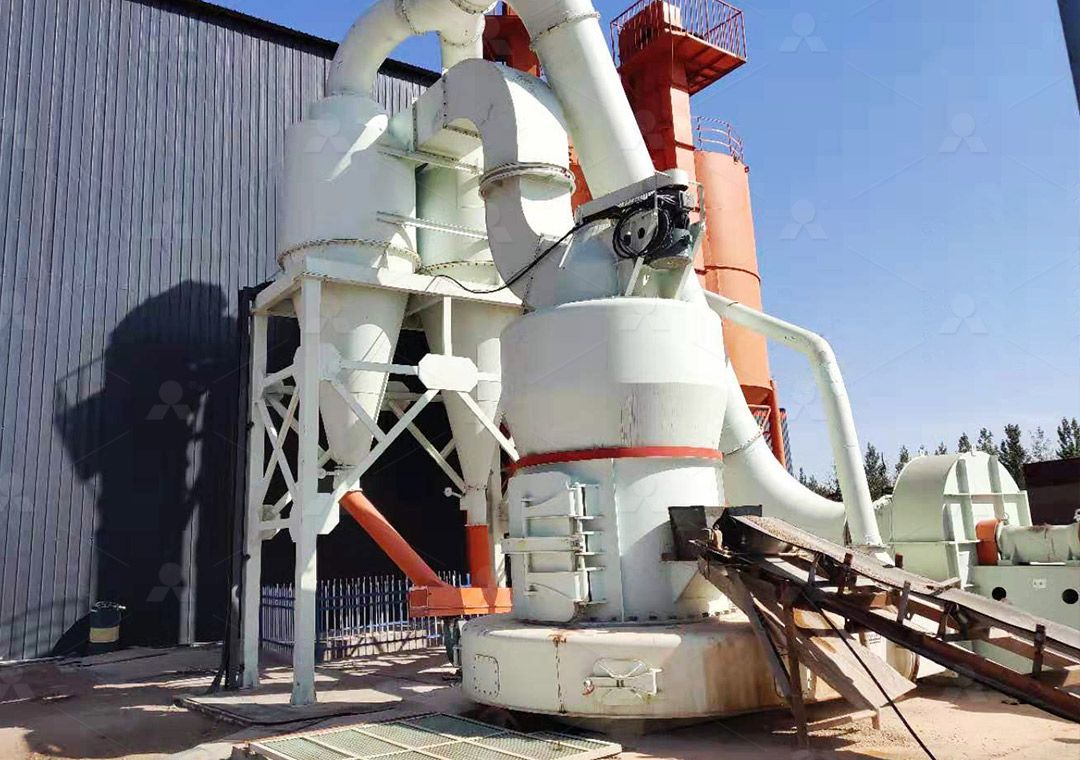
Key Factors in Choosing a Limestone Grinder
Before comparing brands and models, define your project’s non-negotiables. The required product fineness (often measured in meshes or microns) dictates the mill type. For coarse to medium powders (up to 325 mesh), robust options like trapezium mills or vertical mills are suitable. However, for ultra-fine limestone powder (325-2500 mesh) used in high-value applications like plastics, paints, or pharmaceuticals, an ultrafine grinding mill becomes essential.
Capacity (tph) and feed size are equally crucial. A mill must handle your raw material’s maximum lump size and deliver the required hourly output without bottlenecking your production line. Beyond these basics, consider the total cost of ownership: energy consumption per ton, wear part longevity, maintenance complexity, and the availability of genuine spare parts and technical support. A mill with a slightly higher initial price but 40% lower energy use can pay for itself in operational savings within a year.
The Evolution of Grinding Technology: From Traditional to Advanced
Traditional ball mills, while reliable, are often energy-intensive and less efficient for fine grinding. Raymond mills improved efficiency but had limitations in fineness range. The real leap forward came with European-style trapezium mills and, more significantly, vertical roller mills (VRMs). VRMs integrate drying, grinding, classification, and conveying, offering a compact footprint and significantly lower specific energy consumption—often 30-40% less than ball mills.
The current pinnacle for ultra-fine powder production is the advanced ultrafine vertical grinding mill. These systems incorporate technologies like multi-head cage powder selectors for precise particle separation, PLC-controlled grinding pressure, and innovative roller designs that generate stable material beds for efficient inter-particle comminution.
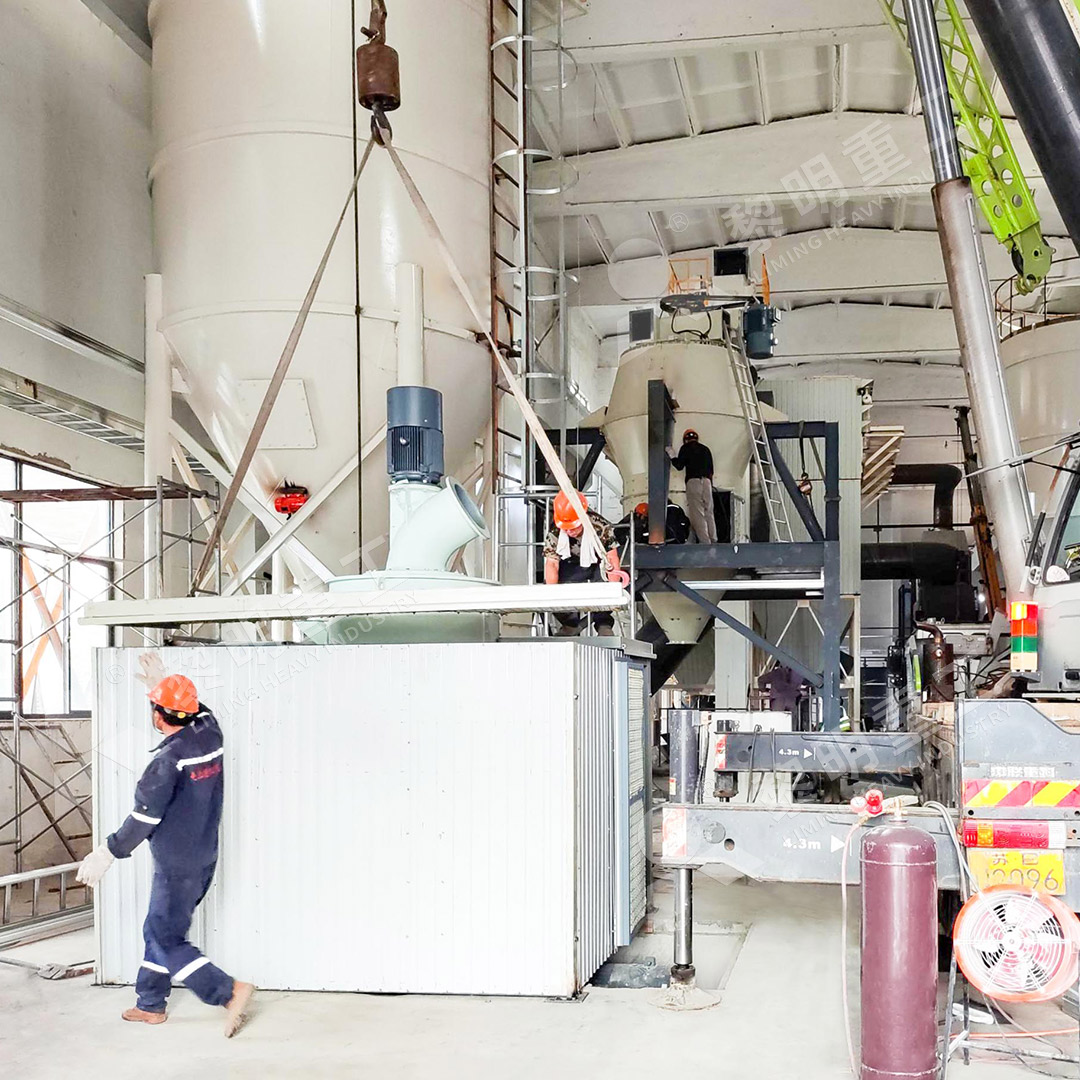
A Deep Dive into a Leading Solution: The MW Ultrafine Grinding Mill
When the application demands ultra-fine limestone powder with superior consistency, the MW Ultrafine Grinding Mill stands out as a benchmark. Engineered for customers who need to make ultra-fine powder between 325 and 2500 meshes, this machine addresses the core pain points of fine grinding. Its design philosophy centers on higher yield with lower energy consumption. Thanks to newly designed grinding curves for the roller and ring, its production capacity is up to 40% higher than jet or stirred grinding mills at the same fineness and power, while system energy consumption is a remarkable 70% lower.
One of its most praised features is the German-technology-inspired cage-type powder selector. This allows for precise adjustment of fineness and high screening rates, achieving d97≤5μm in a single pass. For maintenance teams, its design is a revelation: there are no rolling bearings or screws inside the grinding chamber. This eliminates catastrophic failures from bearing seizure or loose components, dramatically increasing uptime. External lubrication points allow for servicing without shutdowns, supporting true 24/7 continuous operation.
Furthermore, it is built with environmental stewardship as a core feature. An efficient pulse dust collector ensures the entire milling system operates without dust pollution, while integrated silencers and noise elimination rooms keep operations within strict national environmental standards. With an input size of 0-20 mm and a capacity range of 0.5-25 tph, the MW series offers versatility for various production scales, making it an outstanding choice for high-grade limestone processing.
Another Strong Contender: The LUM Ultrafine Vertical Grinding Mill
For operations prioritizing exceptional product whiteness, cleanliness, and operational stability, the LUM Ultrafine Vertical Grinding Mill is a formidable alternative. Independently designed with the latest roller and powder separating technologies, it solves traditional problems like long material lingering time and iron contamination. Its unique roller shell and lining plate curve promote a stable material layer, enabling a high rate of finished product from a single pass.
Its energy-saving credentials are bolstered by a PLC-controlled multi-head powder separating system, which reduces consumption by 30-50% compared to common mills. A standout feature is its double position-limiting technology (electronic and mechanical), which protects the mill from destructive impacts during unexpected events like vibration spikes, ensuring remarkable operational stability. For maintenance, its reversible structure and hydraulic system allow grinding rollers to be easily moved out of the body for inspection or part replacement, minimizing downtime. With a 0-10 mm input size and 5-18 tph capacity, it’s a precision tool for producing superfine dry powder.
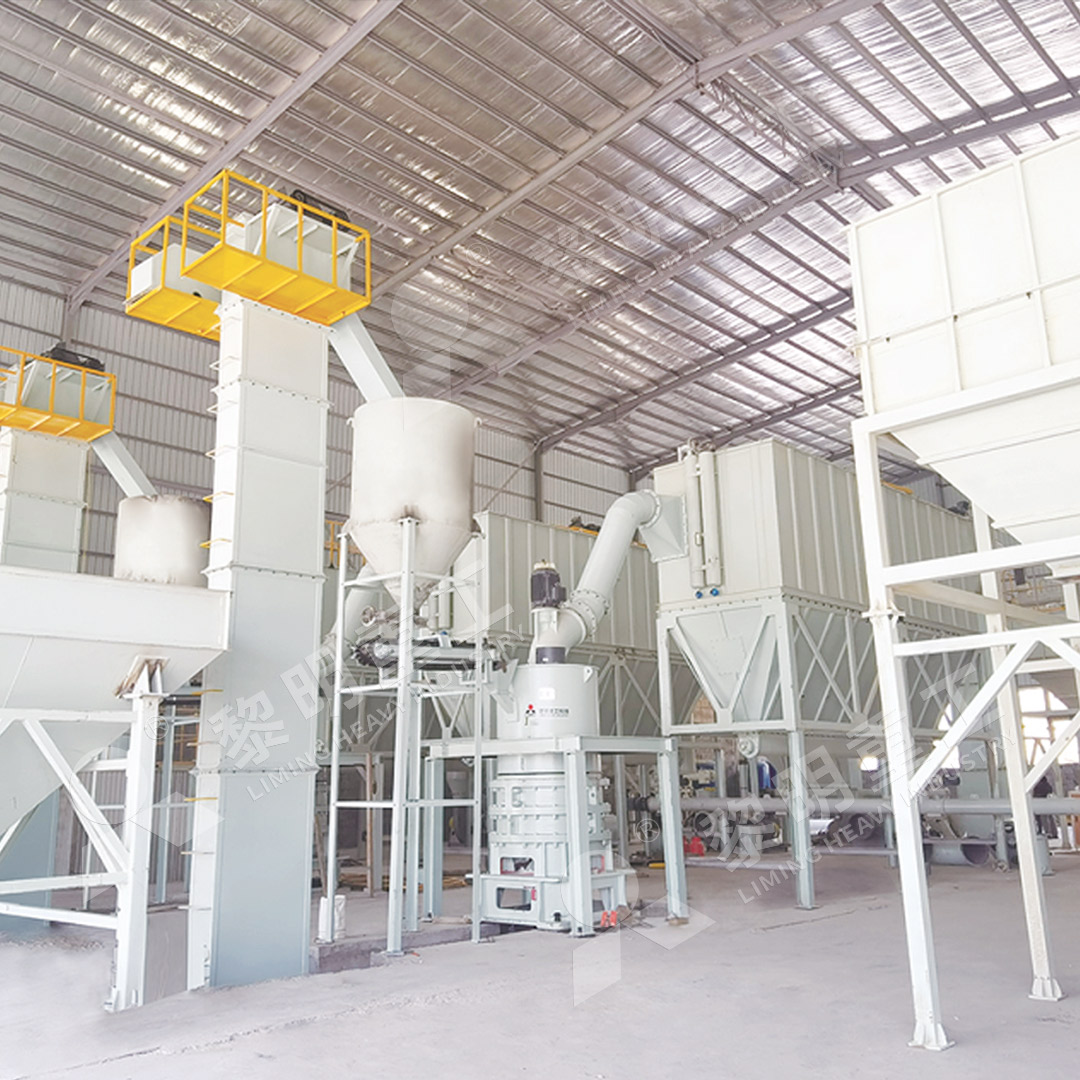
Making the Final Decision
So, which brand is best? The answer lies with manufacturers that provide not just a machine, but a comprehensive solution backed by deep engineering expertise, digitalized precision manufacturing, and unwavering after-sales support. Look for a supplier whose business covers both production and sales, taking full responsibility for their equipment. They should offer complete technical services and a sufficient supply of original spare parts to guarantee worry-free operation for the lifespan of the mill.
For limestone processing, especially at the demanding end of ultra-fine powders, the technological edge provided by mills like the MW and LUM series is undeniable. They represent a synthesis of high yield, low energy use, operational robustness, and environmental compliance. By carefully matching your specific fineness, capacity, and operational philosophy to such advanced engineering, you can confidently select not just a grinding mill, but a long-term partner for productivity and profit.
Frequently Asked Questions (FAQ)
1. What is the main advantage of an ultrafine grinding mill over a traditional ball mill for limestone?
The primary advantages are significantly higher energy efficiency (up to 40-70% savings), the ability to achieve much finer and more consistent powder (up to 2500 mesh), a smaller physical footprint, and integrated drying and classifying systems. Ultrafine mills like the MW series also produce less noise and dust pollution.
2. How do I determine the right fineness (mesh size) needed for my limestone powder application?
This is application-specific. For example, fillers in plastics or paints may require 600-1250 mesh, while agricultural limestone can be coarser. You should consult your end-product specifications. Advanced mills with adjustable powder selectors, such as the MW Ultrafine Mill with its cage-type selector, allow you to flexibly produce different fineness from 325 to 2500 meshes on the same equipment.
3. Are vertical roller mills difficult to maintain compared to older Raymond mills?
Modern vertical mills are designed for easier maintenance. Key features like the reversible structure in the LUM Ultrafine Vertical Mill allow rollers to be hydraulically turned out for service without complex disassembly. Furthermore, designs that eliminate internal bearings and screws in the grinding chamber (as seen in the MW Mill) drastically reduce failure points and simplify upkeep.
4. How important is dust collection in a limestone grinding system?
It is critically important for environmental compliance, worker safety, and product recovery. Modern standards demand near-zero emissions. High-performance mills come equipped with integrated systems, like the efficient pulse dust collector on the MW Ultrafine Grinding Mill, which ensures the entire process is clean and meets national environmental protection standards.
5. Can these advanced mills handle moist limestone feedstock?
Many vertical and ultrafine grinding mills, including the LM Vertical Grinding Mill series, integrate a drying function. Hot air can be introduced into the grinding chamber to dry and grind the material simultaneously. However, the acceptable moisture content varies by model, so it’s essential to discuss your raw material specifications with the supplier.
6. What does “worry-free operation” truly mean from a manufacturer?
It means the manufacturer provides a full lifecycle commitment. This includes responsibility for the machine’s performance, readily available original spare parts to prevent downtime, and accessible technical support for troubleshooting and optimization. A brand that covers both production and sales, like LIMING, is structured to provide this holistic support, ensuring your investment is protected long-term.