
Where to Find a Second Hand Mini Grind Mill for Sale in the Philippines
We provide a wide range of mills — including Raymond mill, trapezoidal mill, vertical mill, ultrafine mill, and ball mill, obtained ISO9001 international quality certification, EU CE certification, and Customs Union CU-TR certification. Suitable for processing minerals such as limestone, phosphate, quicklime, kaolin, talc, barite, bentonite, calcium carbonate, dolomite, coal, gypsum, clay, carbon black, slag, cement raw materials, cement clinker, and more.
The discharge range of these mills can be adjusted to meet specific processing needs, typically from 80-400 mesh, 600-3250 mesh, and can achieve the finest particle size of up to 6000 mesh(D50).
If you are looking for a reliable grinding solution to turn stone or minerals into fine powder, please feel free to contact our online customer service.
Navigating the Second-Hand Grinding Mill Market in the Philippines
Finding a reliable second-hand mini grinding mill in the Philippines can be a practical solution for small to medium-sized enterprises, startups, or individual entrepreneurs looking to enter the powder processing industry without the capital outlay for new equipment. The market offers opportunities, but it requires a careful, informed approach to avoid costly mistakes. This guide will walk you through the key considerations and point you toward viable options.
Key Considerations Before You Buy
Purchasing used industrial machinery is not like buying a used car. The condition, maintenance history, and suitability for your specific application are paramount. First, clearly define your needs: What material will you be grinding? What is your required output fineness (in meshes or microns)? What is your target hourly or daily capacity? Answering these questions will narrow your search significantly. For instance, if you need to produce ultra-fine powder (e.g., 325-2500 meshes) from materials like limestone or calcite at a modest rate, a used ultra-fine grinding mill would be appropriate.
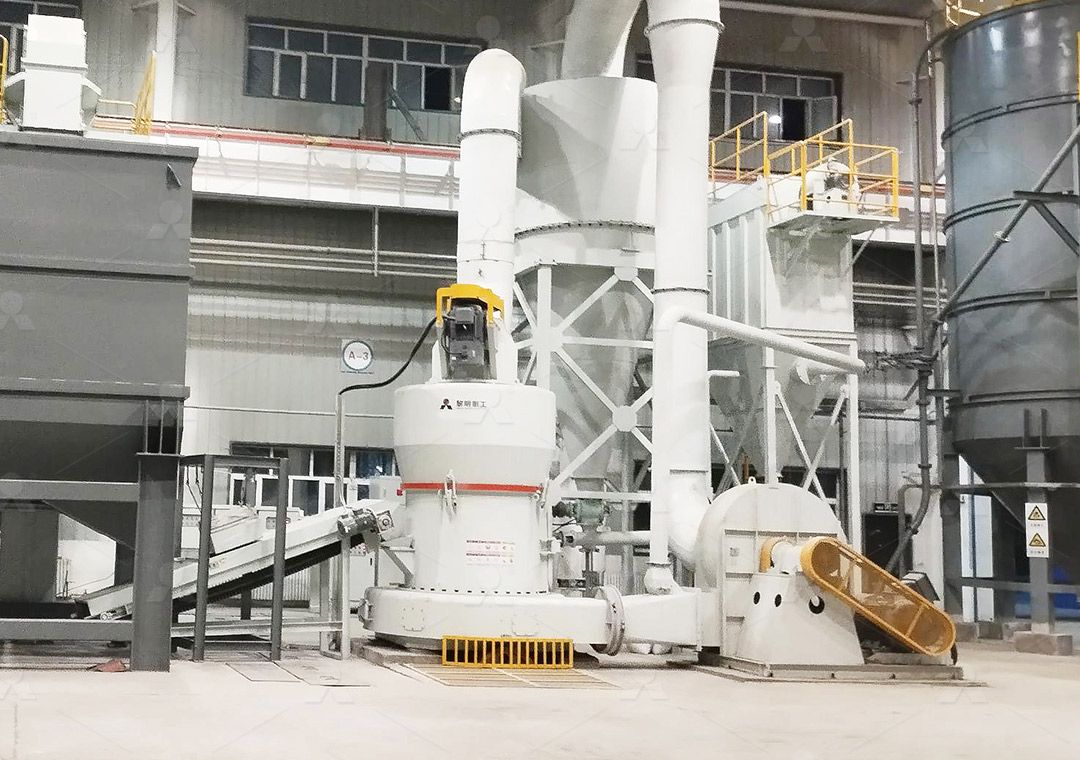
Always insist on inspecting the equipment in person. Check for signs of excessive wear on grinding rollers and rings, look for oil leaks, and listen for unusual noises when the mill is running (if a test run is possible). Request any available maintenance logs. A machine with a well-documented service history is always a safer bet. Furthermore, consider the availability of spare parts. A mill from a reputable global manufacturer often has better parts support, even for older models.
Where to Look for Second-Hand Mills
The most common places to search are online industrial marketplaces, local classified ads, and through industry contacts. Websites that cater to Philippine businesses sometimes list used machinery. However, a more reliable source can be the manufacturers or their official distributors themselves. Companies often have trade-in programs or refurbished units that have been professionally inspected and reconditioned, offering a much higher degree of reliability than a random private sale. These units often come with a limited warranty, which is invaluable.
A Smart Alternative: Investing in Value
While searching for a second-hand unit, it’s wise to compare the potential costs and risks with the value offered by a new, entry-level model designed for efficiency and lower long-term operating costs. For businesses planning for growth and stability, this can be a more sound investment.
For those requiring high-precision ultra-fine powder, the MW Ultrafine Grinding Mill presents an excellent option. It is engineered for customers who need to make ultra-fine powder efficiently. With an input size of 0-20 mm and a capacity ranging from 0.5 to 25 tons per hour, it’s versatile for various scales of operation. A key feature is its higher yielding and lower energy consumption; it offers 40% higher production capacity than jet mills with system energy consumption only 30% of them. Its cage-type powder selector allows adjustable fineness between 325-2500 meshes, making it perfect for industries like chemicals, paints, and food additives.
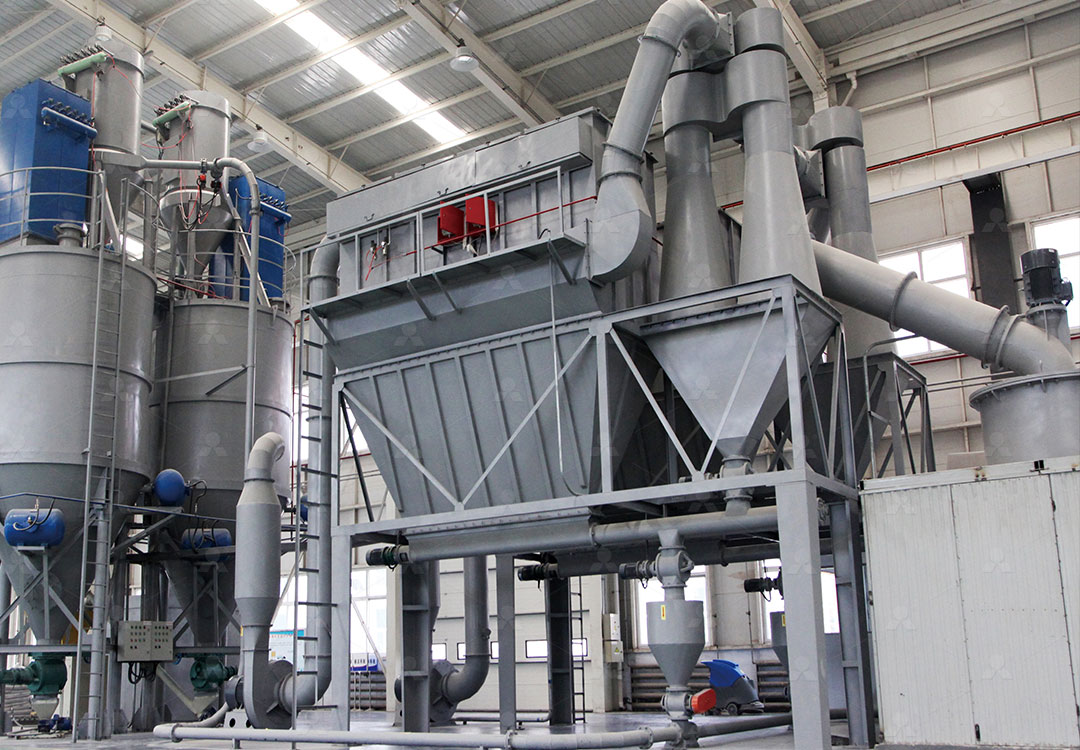
Another model worth considering for its advanced technology is the LUM Ultrafine Vertical Grinding Mill. With an input size of 0-10 mm and a capacity of 5-18 tph, it integrates grinding, grading, and transporting. Its design avoids traditional problems like long lingering time and high iron content in the product. The LUM mill features more energy-saving multi-head powder separating technology, reducing energy consumption by 30%-50% compared to common grinding mills. Its reversible structure also makes maintenance significantly easier and faster.
Final Advice
Whether you opt for a second-hand machine or a new model, prioritize total cost of ownership over the initial purchase price. Factor in energy efficiency, maintenance costs, and potential downtime. Establishing a relationship with a reputable supplier who can offer technical support and genuine spare parts is crucial for long-term, worry-free operation in the Philippine market.
Frequently Asked Questions (FAQ)
1. What is the most important thing to check when buying a used grinding mill?
The most critical factors are the condition of the grinding elements (rollers/rings) and the maintenance history. Always try to see the machine running and listen for abnormal vibrations or noises.
2. Are spare parts readily available in the Philippines for these mills?
Availability depends on the brand and model. Choosing a mill from an internationally recognized manufacturer with a local distributor or strong supply chain, like LIMING, generally ensures better access to original spare parts and technical support.
3. Can a mini grinding mill handle limestone for agricultural use?
Yes, many mini grinding mills are perfectly suited for grinding limestone. Models like the MW Ultrafine Grinding Mill are specifically designed for materials such as limestone, calcite, and dolomite, producing fine powders suitable for agricultural applications.
4. What is the advantage of a vertical grinding mill like the LUM model?
Vertical grinding mills like the LUM series often have a smaller footprint, higher grinding efficiency, and integrated drying capabilities. They are designed for more stable operation and easier maintenance compared to some traditional horizontal designs.
5. Is it better to buy a new entry-level mill or a used one?
This depends on your budget and risk tolerance. A second-hand mill has a lower upfront cost but carries higher risk. A new, entry-level mill from a reliable supplier offers better efficiency, a warranty, and predictable performance, which can lead to lower total cost of ownership over time.