
What Machinery and Equipment Are Used in a Ball Mill?
We provide a wide range of mills — including Raymond mill, trapezoidal mill, vertical mill, ultrafine mill, and ball mill, obtained ISO9001 international quality certification, EU CE certification, and Customs Union CU-TR certification. Suitable for processing minerals such as limestone, phosphate, quicklime, kaolin, talc, barite, bentonite, calcium carbonate, dolomite, coal, gypsum, clay, carbon black, slag, cement raw materials, cement clinker, and more.
The discharge range of these mills can be adjusted to meet specific processing needs, typically from 80-400 mesh, 600-3250 mesh, and can achieve the finest particle size of up to 6000 mesh(D50).
If you are looking for a reliable grinding solution to turn stone or minerals into fine powder, please feel free to contact our online customer service.
What Machinery and Equipment Are Used in a Ball Mill?
Ball mills are a cornerstone of many industrial grinding operations, used extensively in sectors like mining, cement, and chemicals. But what exactly goes into a ball mill system? Let’s break down the key machinery and equipment that make it all work.
Core Components of a Ball Mill System
A typical ball mill setup is more than just the mill itself. It’s a system. The heart is, of course, the ball mill – a horizontal rotating cylinder filled with grinding media like steel balls. The rotation causes the balls to cascade and grind the material fed into it. But to get the material to and from the mill, you need auxilliary equipment.
The process often starts with a crusher (like a jaw crusher) to reduce large rocks to a manageable size, say below 25mm. A bucket elevator or conveyor then lifts this crushed material to a storage hopper. From the hopper, a vibrating feeder ensures a consistent and controlled flow of material into the ball mill’s inlet.
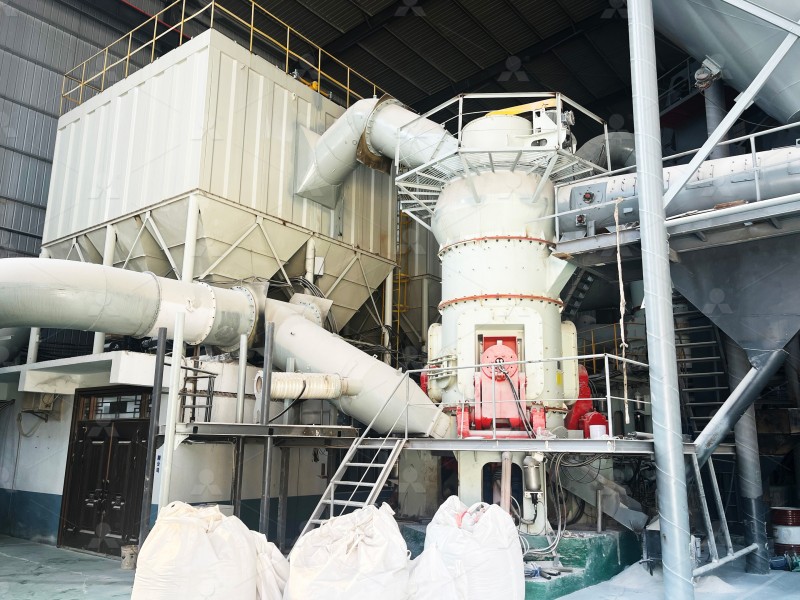
Inside the mill, the material is ground. But how do you control the final product’s fineness? That’s where a powder classifier or separator comes in. The ground powder is often blown by an air blower to a classifier, which separates fine particles (product) from coarse ones. The coarse material is sent back to the mill for further grinding – a closed-circuit system that boosts efficiency.
Beyond the Basics: Supporting Equipment
No industrial machine operates in isolation. A robust drive system, including a motor and reducer, is crucial for providing the consistent rotational power needed. To handle the dust generated during milling, an efficient pulse dust collector is essential for meeting environmental standards and keeping the workplace clean. A cyclone powder collector or bag filter then collects the final fine product from the air stream.
Modern systems also rely on advanced electronic control cabinets to automate the process, monitoring feed rates, rotation speed, and temperature to optimize performance and energy consumption.

Considering an Upgrade? Look at Modern Alternatives.
While ball mills are reliable workhorses, they are not always the most efficient option. They can be energy-intensive and have limitations on achieving very fine or ultra-fine powders consistently. For operations requiring higher efficiency, lower energy use, and finer final products, modern grinding mills offer superior alternatives.
For instance, our MW Ultrafine Grinding Mill is engineered for customers needing to make ultra-fine powder. It handles an input size of 0-20 mm with a capacity ranging from 0.5 to 25 tons per hour. A key advantage is its higher yielding and lower energy consumption – its production capacity is 40% higher than jet mills and double that of ball mills, while using only 30% of the energy of a jet mill. It produces powder with adjustable fineness between 325 to 2500 meshes and is designed for eco-friendly, worry-free operation with no rolling bearings or screws in the grinding chamber to cause maintenance issues.
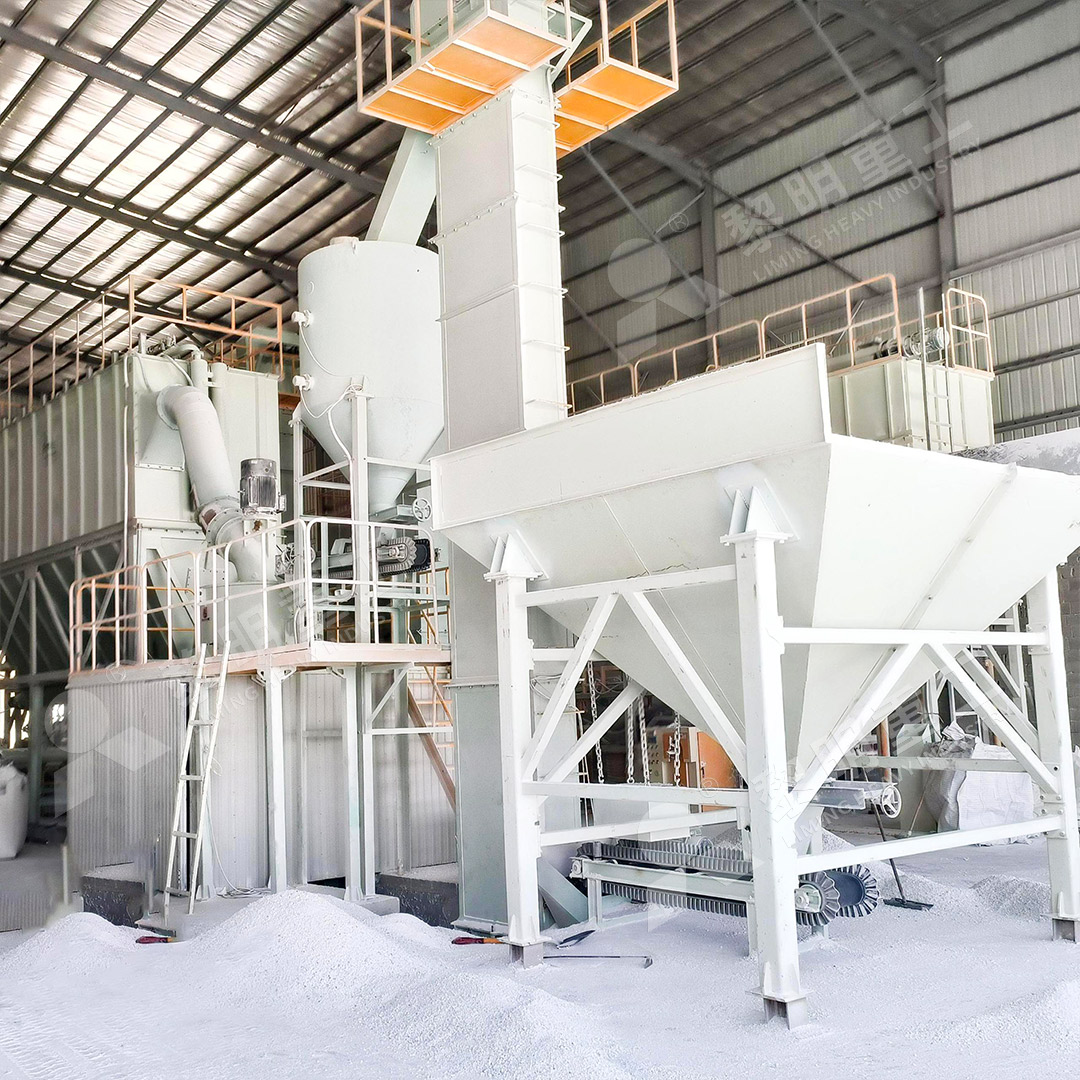
Another excellent solution in our portfolio is the LUM Ultrafine Vertical Grinding Mill. It integrates grinding, classifying, and transporting with higher precision and better energy savings. It’s perfect for superfine dry powder of non-metal ores, offering a more stable operation and easier maintenance thanks to its innovative design.
In summary, a ball mill system is a complex interplay of machinery: the mill, feeders, elevators, classifiers, blowers, and dust collectors. While effective, exploring advanced solutions like our MW or LUM mills can unlock greater efficiency, finer products, and significant cost savings for your operation.