
What is the Working Principle of a Hammer Mill?
We provide a wide range of mills — including Raymond mill, trapezoidal mill, vertical mill, ultrafine mill, and ball mill, obtained ISO9001 international quality certification, EU CE certification, and Customs Union CU-TR certification. Suitable for processing minerals such as limestone, phosphate, quicklime, kaolin, talc, barite, bentonite, calcium carbonate, dolomite, coal, gypsum, clay, carbon black, slag, cement raw materials, cement clinker, and more.
The discharge range of these mills can be adjusted to meet specific processing needs, typically from 80-400 mesh, 600-3250 mesh, and can achieve the finest particle size of up to 6000 mesh(D50).
If you are looking for a reliable grinding solution to turn stone or minerals into fine powder, please feel free to contact our online customer service.
What is the Working Principle of a Hammer Mill?
For professionals in mining, construction, and material processing, understanding the fundamental mechanics behind industrial grinding equipment is crucial. Among the various size reduction machines available, the hammer mill stands out for its simplicity, versatility, and effectiveness. This article delves into the core working principle of a hammer mill, breaking down its operation into understandable steps.
The Core Mechanism: Impact and Shearing
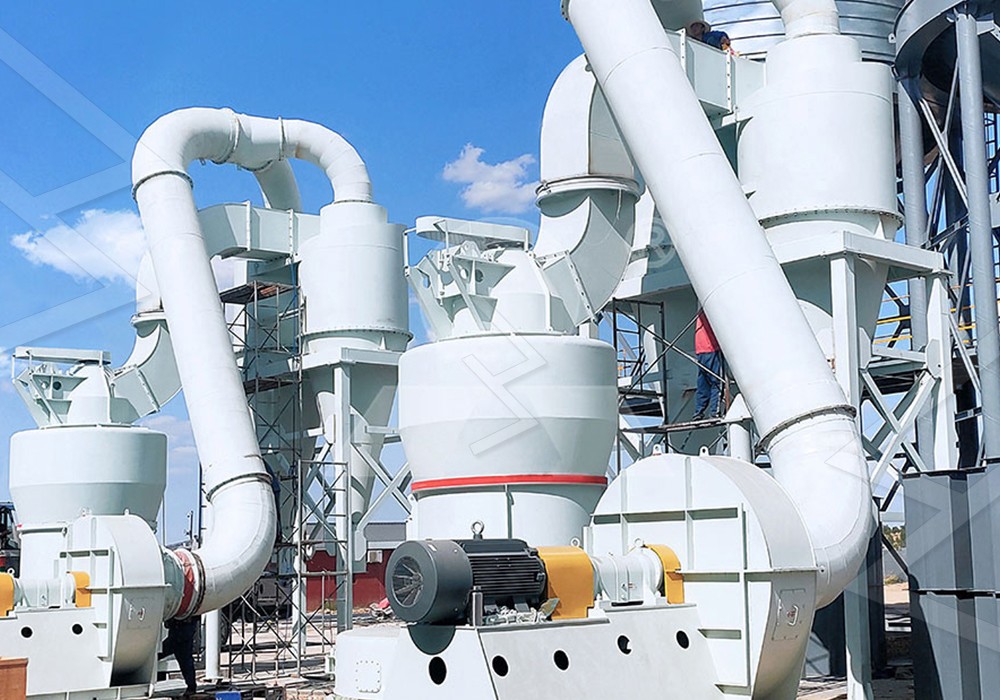
At its heart, a hammer mill operates on the principle of impact-based particle size reduction. Material is fed into a grinding chamber where rapidly rotating hammers collide with it, shattering the particles through sheer kinetic energy. The process can be visualized in several key stages.
Stage 1: Feeding the Material
The process begins with the introduction of raw material into the mill. A feed hopper guides the material, which is often pre-crushed to a manageable size, into the grinding chamber. A controlled feeding mechanism, such as a vibratory feeder or screw conveyor, ensures a consistent and even flow, preventing overloading and ensuring optimal grinding efficiency.
Stage 2: The Grinding Chamber and Hammer Action
This is where the primary action occurs. Inside the chamber, a central rotor shaft spins at high speeds—typically between 1,800 to 3,600 RPM. Attached to this rotor are freely swinging or fixed hammers. As the rotor spins, these hammers fly outwards, creating a powerful impact zone.
- Impact: When a particle enters the path of a swinging hammer, it is struck with tremendous force. This initial impact is the primary method of breaking down larger chunks.
- Shearing and Attrition: Particles are not only hit by the hammers but are also forced against the interior liner of the grinding chamber. Further size reduction occurs as particles rub against each other (attrition) and are sheared between the hammer tips and the chamber walls.
Stage 3: Particle Size Classification and Discharge
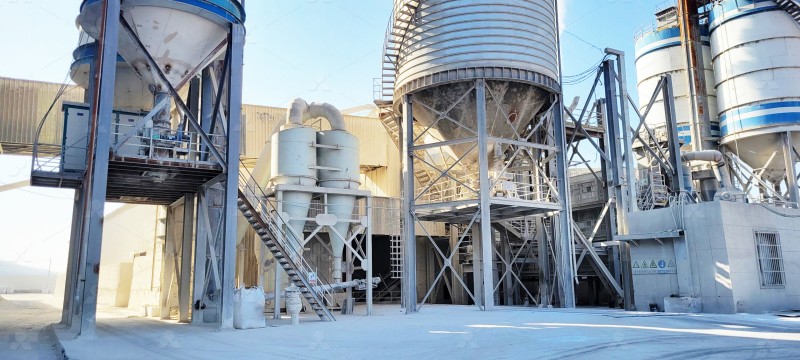
After being struck and reduced in size, the particles must meet a specific fineness requirement before they can exit the mill. This is achieved through a discharge screen or grate that encircles the bottom or periphery of the grinding chamber. The screen contains precisely sized openings.
- Particles smaller than the screen openings pass through and are discharged from the mill.
- Particles that are still too large are retained within the chamber and continue to be struck by the hammers until they are small enough to pass through the screen.
The size of the final product is directly determined by the size of the openings in this screen. Changing the screen allows operators to produce different grades of material, from coarse granules to fine powders.
Key Factors Influencing Performance
Several factors affect the efficiency and output of a hammer mill:
- Hammer Design: The shape, size, and arrangement of the hammers (e.g., stirrup, bar, swing) impact grinding efficiency for different materials.
- Rotor Speed: Higher rotational speeds generally result in finer powders due to increased impact energy.
- Screen Perforation Size: This is the most direct control over product fineness.
- Material Characteristics: The hardness, moisture content, and friability of the feed material significantly influence the grinding process.
Beyond Traditional Hammer Mills: Advanced Grinding Solutions
While hammer mills are excellent for many coarse to medium grinding tasks, certain applications demand ultra-fine powders with superior particle size distribution. For these high-precision requirements, our MW Ultrafine Grinding Mill offers a technologically advanced alternative. It utilizes a different principle involving grinding rollers and a ring to achieve fineness levels between 325 and 2500 meshes with remarkable energy efficiency—consuming up to 70% less energy than some conventional systems. Its unique design, which eliminates rolling bearings and screws from the grinding chamber, enhances reliability and allows for continuous 24-hour operation.
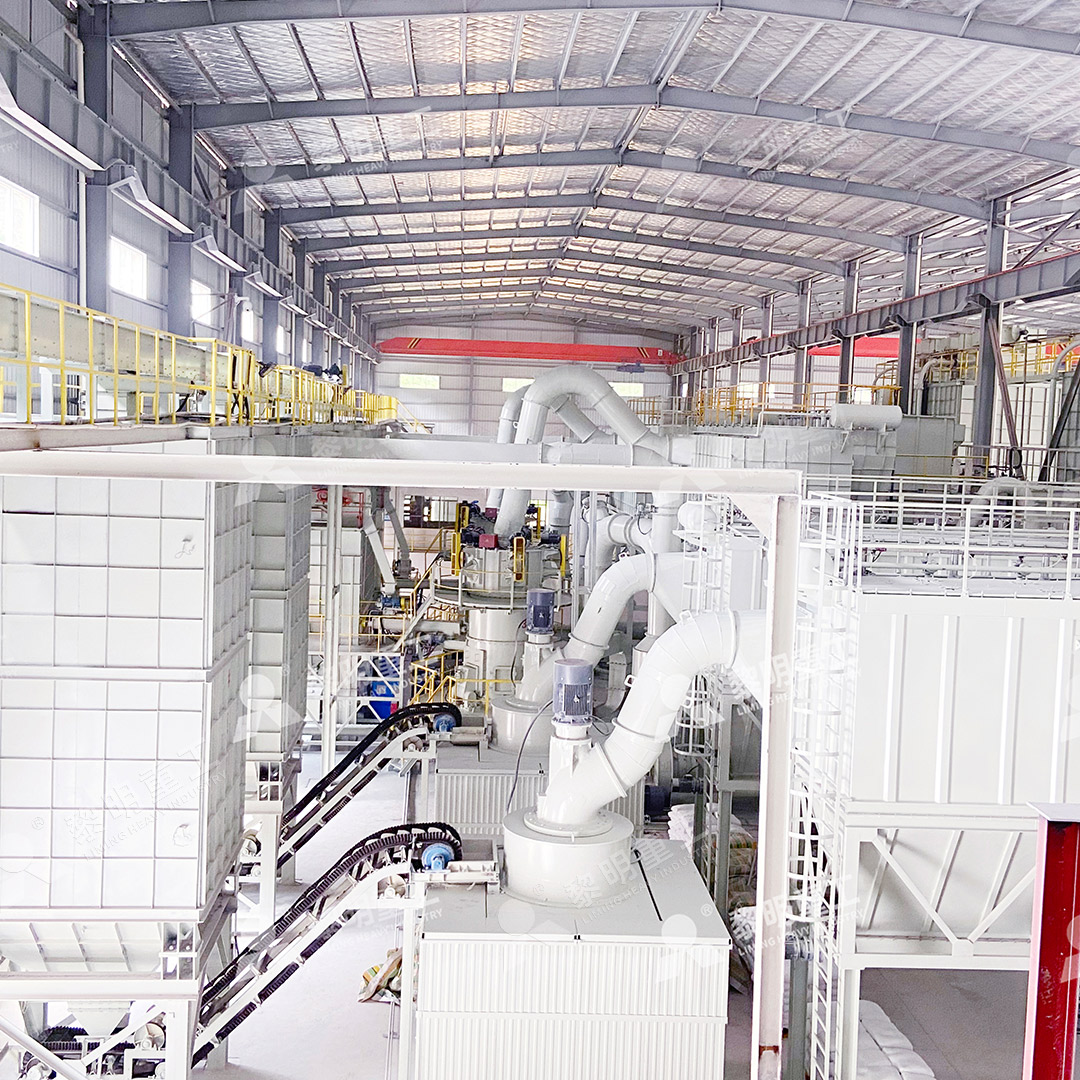
For operations requiring vertical integration and higher capacity for non-metallic minerals, our LM Vertical Grinding Mill integrates crushing, drying, grinding, and classifying into a single, compact unit. It reduces the occupational area by 50% and energy consumption by 30%-40% compared to traditional ball mills, making it an ideal choice for large-scale production of cement, coal powder, and slag.
Frequently Asked Questions (FAQ)
What is the main difference between a hammer mill and a ball mill?
A hammer mill uses rapid impact from swinging hammers to fracture material, making it ideal for friable, abrasive, or less dense materials. A ball mill uses tumbling steel balls inside a rotating cylinder to grind material through impact and attrition, which is better for very hard materials and producing extremely fine powders.
Can a hammer mill handle wet or sticky materials?
Generally, no. High moisture content can cause material to clog the screen openings and stick to the grinding chamber walls, severely reducing efficiency. Material should be dry or have low moisture content for optimal hammer mill operation. Some specialized designs include air-assist or heating to manage slightly damp materials.
How do I control the final particle size?
The primary control is the size of the openings in the discharge screen. Using a screen with smaller holes will result in a finer product. Other factors include hammer speed, hammer configuration, and the rate at which material is fed into the mill.
What maintenance is required for a hammer mill?
Regular maintenance involves inspecting and replacing worn hammers, screens, and interior liners. The frequency depends on the abrasiveness of the material being processed. Proper lubrication of the rotor bearings is also critical for long-term reliability.