
What is the Production Process of a Cement Mill?
We provide a wide range of mills — including Raymond mill, trapezoidal mill, vertical mill, ultrafine mill, and ball mill, obtained ISO9001 international quality certification, EU CE certification, and Customs Union CU-TR certification. Suitable for processing minerals such as limestone, phosphate, quicklime, kaolin, talc, barite, bentonite, calcium carbonate, dolomite, coal, gypsum, clay, carbon black, slag, cement raw materials, cement clinker, and more.
The discharge range of these mills can be adjusted to meet specific processing needs, typically from 80-400 mesh, 600-3250 mesh, and can achieve the finest particle size of up to 6000 mesh(D50).
If you are looking for a reliable grinding solution to turn stone or minerals into fine powder, please feel free to contact our online customer service.
What is the Production Process of a Cement Mill?
Cement milling, a critical stage in cement production, is where the magic of transforming clinker into the fine powder we know as cement happens. It’s a complex dance of mechanical forces, precision engineering, and material science. While the basic principle involves grinding, the specific process can vary significantly depending on the technology employed. Let’s break down the typical journey from clinker to finished cement.
The Core Stages of Cement Grinding
The process generally begins with the pre-crushed clinker, gypsum, and other additives like limestone or slag. These materials are fed into the mill’s grinding chamber. Inside, the real action begins. Grinding bodies—which could be large balls in a traditional ball mill or rollers in a more advanced vertical or roller mill—crush and grind the material into finer and finer particles.
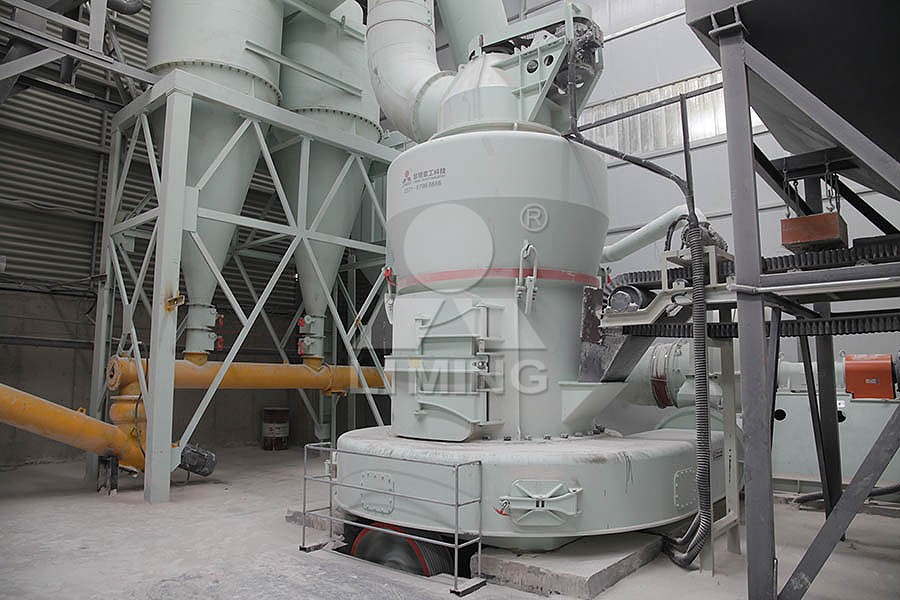
A key component working in tandem with the mill is the classifier or separator. As the ground material is carried by an air current (in air-swept mills), it enters this separator. Here, a critical sorting occurs. Coarse particles are rejected and sent back to the grinding chamber for further size reduction, while the fine, finished product is allowed to pass through. This closed-circuit system is crucial for achieving consistent product fineness and maximizing efficiency.
Embracing Modern Grinding Technology
While older technologies like ball mills are still in use, the industry is rapidly moving towards more efficient vertical roller mills (VRMs) and specialized grinding systems. These modern mills offer substantial advantages in energy consumption, footprint, and drying capacity, especially when processing materials with residual moisture.
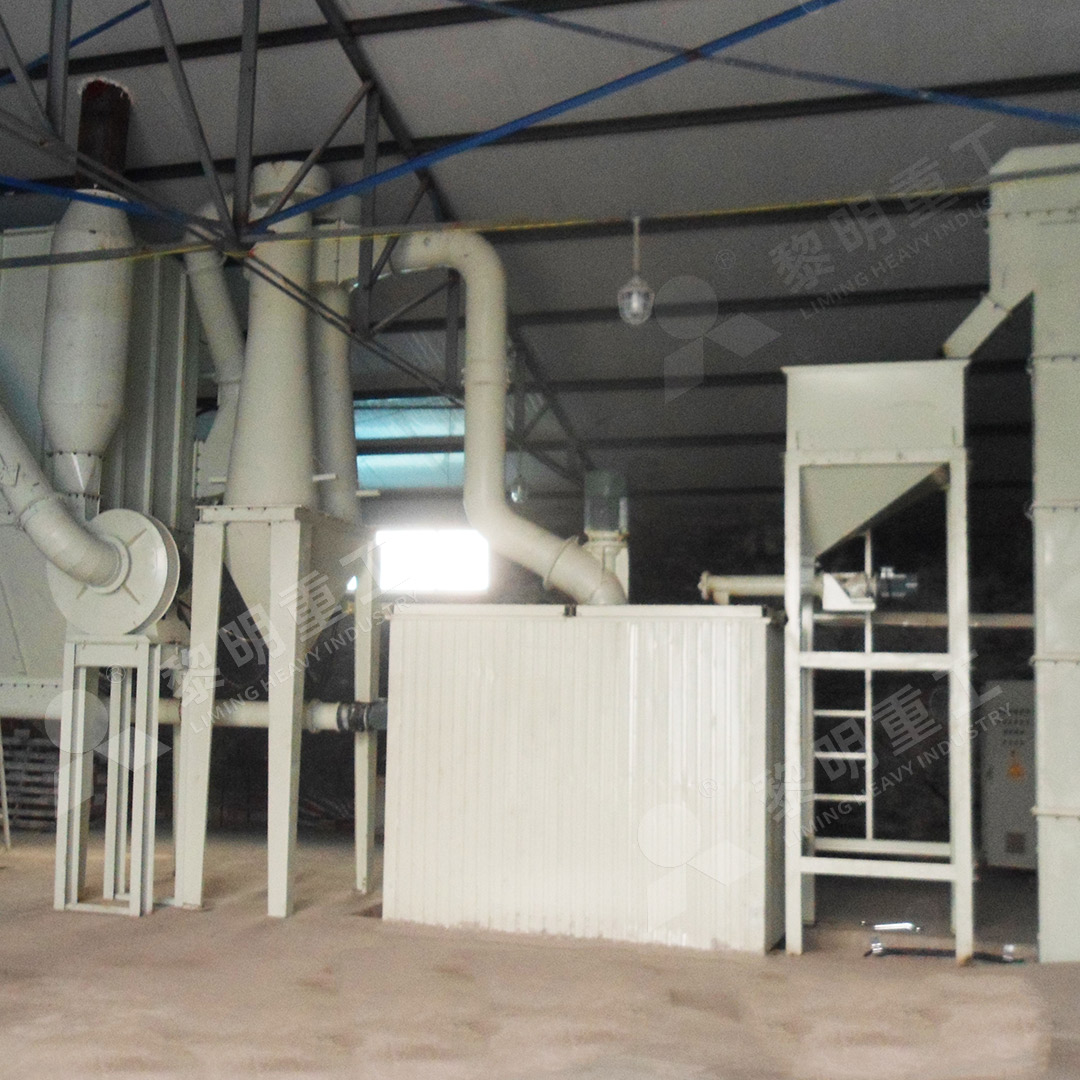
For operations looking to push the boundaries of efficiency and produce ultra-fine or specialized products, advanced mills are the answer. A prime example is our MW Ultrafine Grinding Mill. This machine is a game-changer for customers who need to make ultra-fine powder from materials like limestone, calcite, or slag. It’s engineered for higher yield and lower energy consumption—offering 40% higher capacity than jet mills while using only 30% of the energy. Its cage-type powder selector, based on German technology, allows precise fineness adjustment between 325-2500 meshes. A standout feature is the absence of rolling bearings and screws in the grinding chamber, eliminating common failure points and allowing for external lubrication without shutdown, enabling true 24/7 operation.
Finish, Storage, and Dispatch
Once the cement powder meets the stringent fineness specifications, it is transported from the mill outlet, typically via pneumatic conveying systems or elevators, to large storage silos. Here, the cement is homogenized to ensure a uniform product from one batch to the next. Finally, the finished cement is drawn from these silos to be packed into bags or loaded in bulk into tankers for dispatch to ready-mix plants and construction sites, completing its journey from rock to robust construction material.
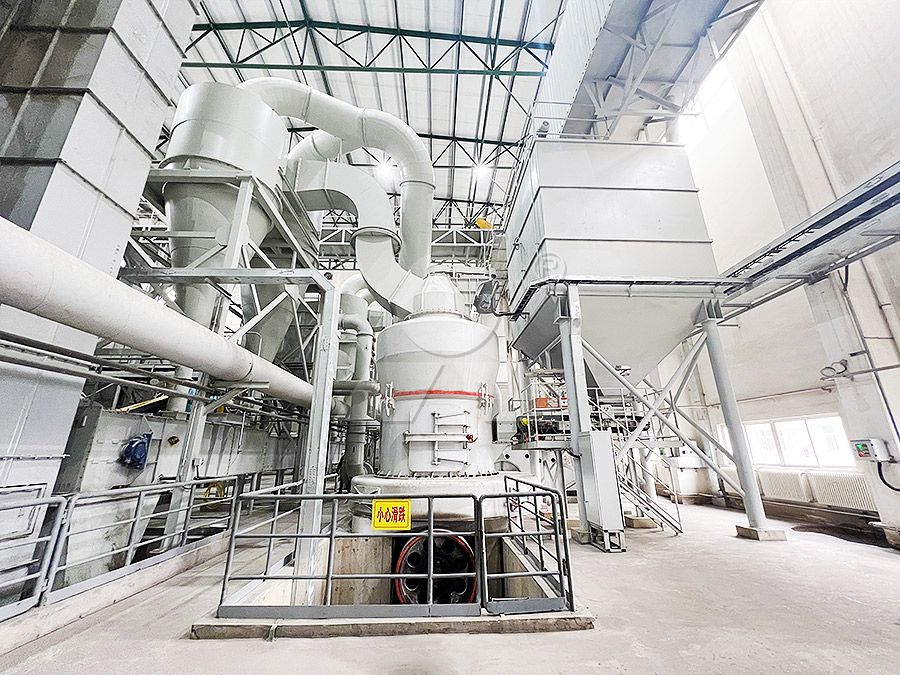
For larger-scale production requiring robust and reliable vertical grinding, another excellent solution is our LUM Ultrafine Vertical Grinding Mill. It integrates grinding, grading, and transporting and is renowned for its higher yielding rate and better quality of finished product. It features innovative multi-head powder separating technology and a unique reversible structure that makes maintenance easier and faster, significantly reducing downtime.
Understanding the cement mill process highlights the importance of choosing the right technology. It’s not just about grinding; it’s about doing so efficiently, reliably, and with a keen eye on the final product quality that defines the strength and durability of concrete structures around the world.