
What is the Maximum Feeding Size for Limestone in a Grinding Mill?
We provide a wide range of mills — including Raymond mill, trapezoidal mill, vertical mill, ultrafine mill, and ball mill, obtained ISO9001 international quality certification, EU CE certification, and Customs Union CU-TR certification. Suitable for processing minerals such as limestone, phosphate, quicklime, kaolin, talc, barite, bentonite, calcium carbonate, dolomite, coal, gypsum, clay, carbon black, slag, cement raw materials, cement clinker, and more.
The discharge range of these mills can be adjusted to meet specific processing needs, typically from 80-400 mesh, 600-3250 mesh, and can achieve the finest particle size of up to 6000 mesh(D50).
If you are looking for a reliable grinding solution to turn stone or minerals into fine powder, please feel free to contact our online customer service.
What is the Maximum Feeding Size for Limestone in a Grinding Mill?
This is a fundamental question for any operation looking to process limestone efficiently. The maximum feed size is a critical parameter that directly impacts your mill’s efficiency, product quality, and overall operating costs. Using oversized material can lead to premature wear, clogging, and reduced throughput. Let’s break down the factors at play and look at some optimal solutions.
Why Feed Size Matters in Limestone Grinding
The primary goal of any grinding mill is to reduce raw material into a fine powder. If the chunks of limestone fed into the mill are too large, the grinding elements (rollers, balls, etc.) must work significantly harder to break them down. This leads to several issues:
- Higher Energy Consumption: More power is required to crush large rocks.
- Increased Wear: Grinding parts deteriorate faster when processing oversize material.
- Reduced Capacity: The mill spends more time on initial breakage, limiting its output of fine product.
- Potential for Blockages: Large pieces can jam feeders or the grinding chamber itself.
Therefore, adhering to the manufacturer’s specified maximum feed size is not a suggestion—it’s a requirement for optimal performance.
Recommended Maximum Feed Sizes for Different Mill Types
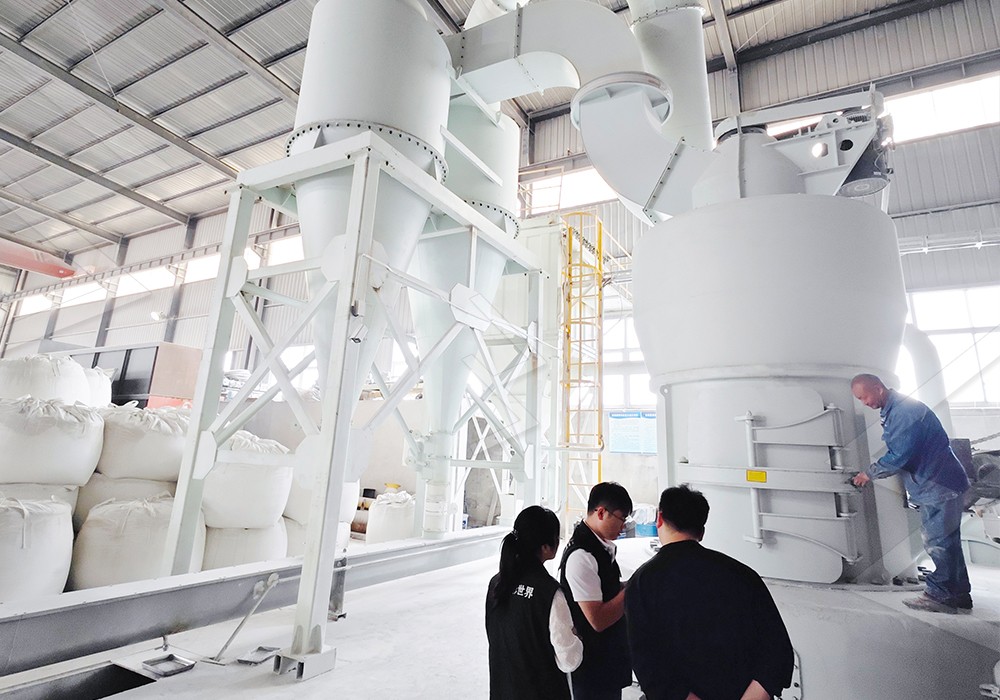
Different mill designs are built to handle different initial particle sizes. Here’s a general guideline for limestone:
- Ball Mills & Raymond Mills: Typically handle feed sizes up to 25 mm (~1 inch).
- Vertical Roller Mills (VRM): Can often accept slightly larger feed, sometimes up to 50-70 mm (~2-2.5 inches).
- Ultrafine Grinding Mills: Designed for fine feed to achieve superfine products, usually requiring material pre-crushed to below 20 mm.
It’s crucial to consult your specific mill’s manual, as capabilities can vary widely even within these categories.
Our Recommended Solution: The MW Ultrafine Grinding Mill
For operations focused on producing high-value, ultra-fine limestone powder (325-2500 meshes), the MW Ultrafine Grinding Mill is an exceptional choice. This machine is engineered for customers who need to make ultra-fine powder with superior efficiency and environmental consciousness.

Key Specifications for Limestone:
- Optimal Input Size: 0-20 mm
- Capacity: 0.5 – 25 tph (depending on fineness)
- Adjustable Fineness: 325-2500 meshes
Why it excels with limestone: The MW series is equipped with a highly efficient cage-type powder selector based on German technology, ensuring precise classification of fine limestone powder. Its unique design without rolling bearings or screws in the grinding chamber eliminates common failure points and allows for external lubrication without shutdown. This means you can run continuous 24/7 production with minimal downtime, which is a massive advantage for large-scale limestone processing.
Pre-Crushing: The Essential First Step
To ensure your feed material meets the 20mm requirement for mills like the MW series, a primary jaw crusher or impact crusher is almost always necessary. This two-stage process—coarse crushing followed by fine grinding—is the most efficient way to achieve high yields of fine powder while protecting your grinding mill investment.
Conclusion: Efficiency Starts with the Right Size
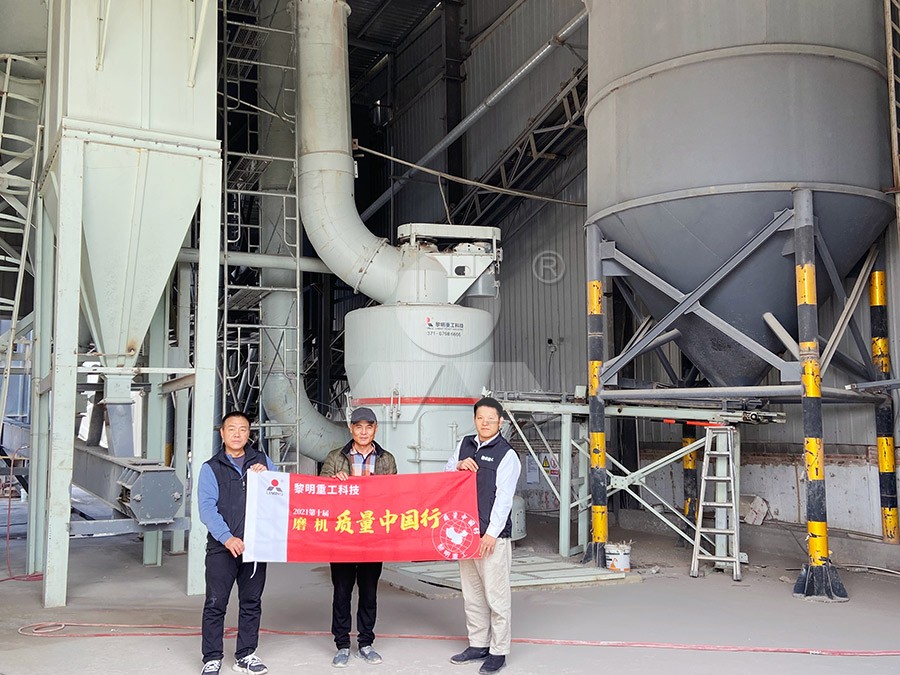
Understanding and controlling the maximum feed size for your limestone grinding mill is the first step toward a profitable and efficient operation. By ensuring your feedstock is properly sized, you minimize wear, maximize throughput, and ensure consistent product quality.
For superfine limestone powder production, we highly recommend evaluating the MW Ultrafine Grinding Mill. Its combination of a 20mm feed size capability, high classification accuracy, and robust, low-maintenance design makes it a standout performer. Remember, pairing it with the correct pre-crusher will set your entire grinding circuit up for long-term success.