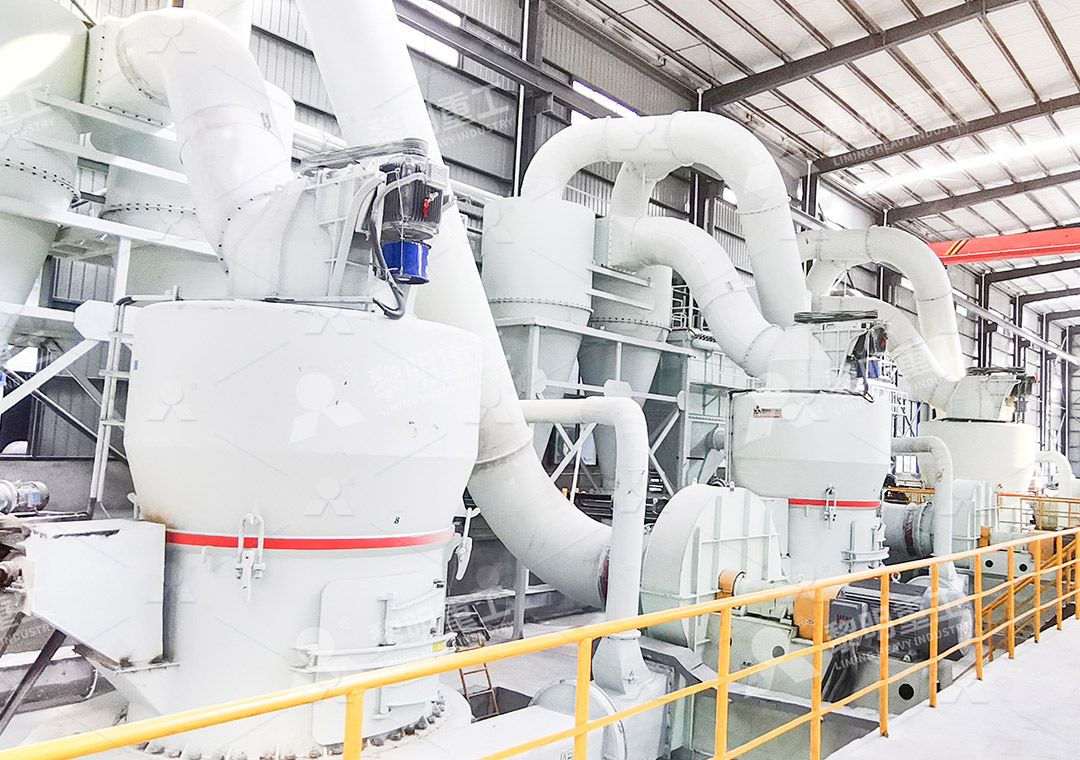
What is the Maximum Annual Output of Petroleum Coke Grinding Mills?
We provide a wide range of mills — including Raymond mill, trapezoidal mill, vertical mill, ultrafine mill, and ball mill, obtained ISO9001 international quality certification, EU CE certification, and Customs Union CU-TR certification. Suitable for processing minerals such as limestone, phosphate, quicklime, kaolin, talc, barite, bentonite, calcium carbonate, dolomite, coal, gypsum, clay, carbon black, slag, cement raw materials, cement clinker, and more.
The discharge range of these mills can be adjusted to meet specific processing needs, typically from 80-400 mesh, 600-3250 mesh, and can achieve the finest particle size of up to 6000 mesh(D50).
If you are looking for a reliable grinding solution to turn stone or minerals into fine powder, please feel free to contact our online customer service.
What is the Maximum Annual Output of Petroleum Coke Grinding Mills?
In the world of industrial mineral processing, petroleum coke (petcoke) presents a unique grinding challenge. Its abrasive nature and specific fineness requirements demand robust and efficient milling solutions. A common question we encounter from project planners and plant managers is: What is the maximum annual output we can achieve? The answer isn’t a single number; it’s a complex equation factoring in mill type, operational parameters, and desired product specifications.
Key Factors Influencing Annual Throughput
Annual output is a function of hourly capacity (tph), operational hours, and availability. Let’s break it down:
- Mill Capacity (tph): The core hourly grinding rate for the specific fineness.
- Operational Hours: Typically calculated based on 330 days/year to account for maintenance downtime.
- System Availability: The percentage of time the mill is actually running versus planned or unplanned stops. High-reliability mills push this towards 95%+.
Therefore, the theoretical maximum annual output can be estimated as: Capacity (tph) x 24 hours x 330 days x Availability (%). For a mill averaging 20 tph at 95% availability, this equates to roughly 150,000 tonnes per year.
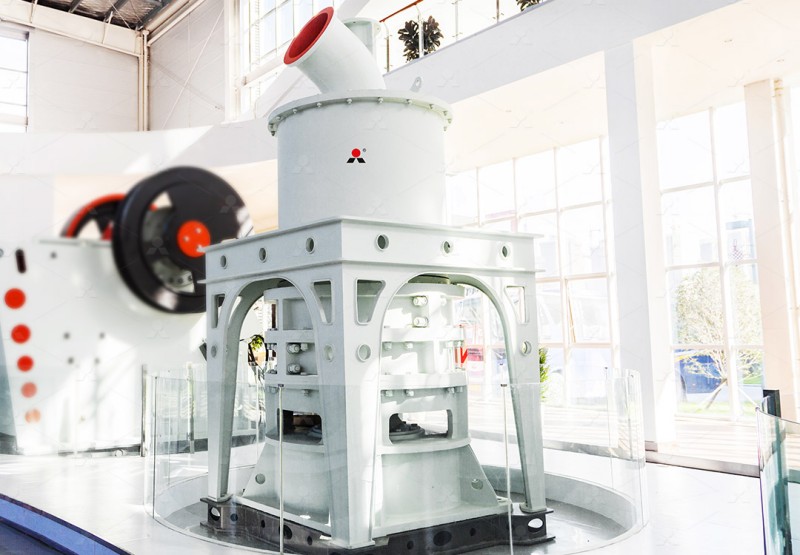
Beyond Basic Calculations: The Real-World Grinding Efficiency
Raw calculations only tell part of the story. The true differentiator is the grinding mill’s technology. Traditional solutions like Raymond mills or ball mills often struggle with petcoke’s hardness, leading to higher wear part consumption, more frequent downtime, and inconsistent product fineness—all of which cripple annual output.
Modern mills designed specifically for fine and ultra-fine grinding incorporate features that directly maximize throughput and uptime:
- Higher Grinding Efficiency: Advanced curves for rollers and rings extract more powder per revolution.
- Superior Powder Selection: Precision classifiers ensure only on-spec product passes through, eliminating the energy waste of over-grinding.
- External Lubrication & Maintenance: The ability to perform key maintenance without a full shutdown is a game-changer for availability.
Recommended Solution: MW Series Ultrafine Grinding Mill
For operations targeting high annual output of fine petroleum coke powder (325-2500 meshes), our MW Ultrafine Grinding Mill is an exceptional choice. It’s engineered to adress the very bottlenecks that limit production.
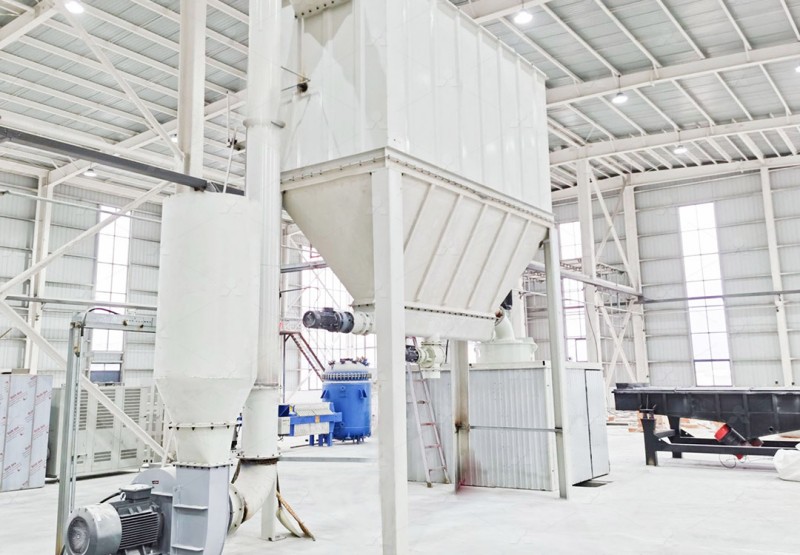
Key advantages for maximizing your output include:
- Capacity: Processes 0.5-25 tph, providing flexibility for various production scales.
- Higher Yielding, Lower Energy Consumption: Delivers 40% higher capacity than jet mills and double the yield of ball mills for the same power input, drastically reducing cost per tonne.
- Unmatched Uptime: The revolutionary design has no rolling bearings or screws in the grinding chamber. This eliminates the most common causes of mechanical failure and allows for external lubrication, enabling continuous 24/7 operation.
- Eco-Friendly Operation: Integrated pulse dust collector and silencer ensure full compliance with environmental standards, preventing costly work stoppages.
Conclusion: It’s About Sustainable Output
While a ball mill might have a similar quoted hourly capacity on paper, its annual output will be significantly lower due to maintenance downtime and higher energy costs. The maximum annual output isn’t just about the largest mill; it’s about the smartest technology.
By choosing a mill like the MW Series, you invest in a system designed for sustained, high-yield production. You maximize not just your potential output, but your overall profitability through lower operational costs and exceptional reliability. For a detailed analysis of what your specific annual output could be, contact our engineering team with your project parameters.