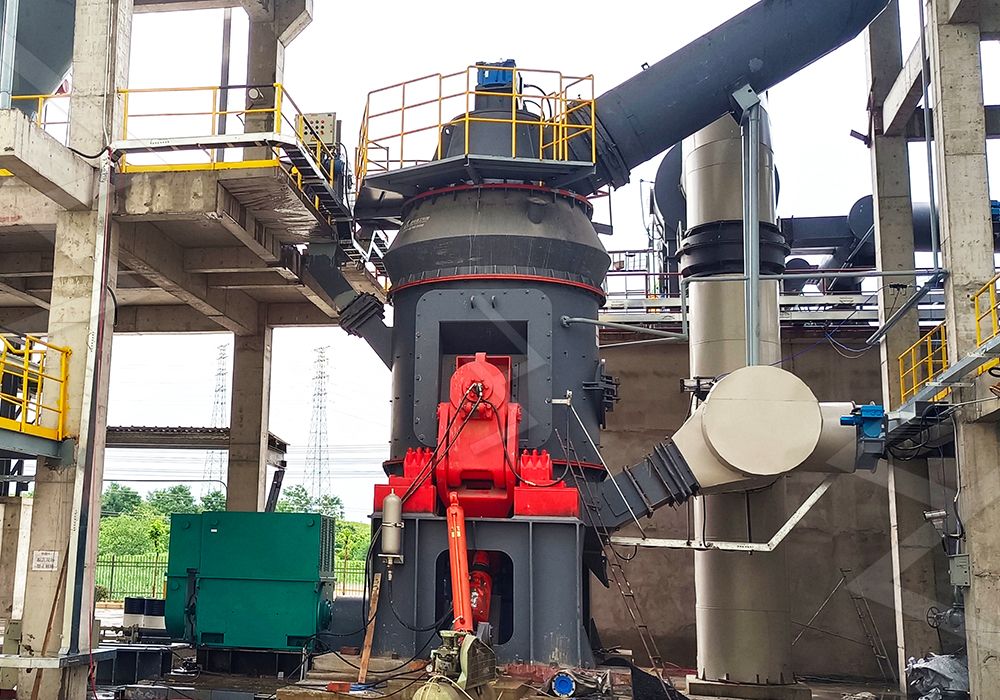
What Is the Finest Mesh Size for Slag Crushing Machines? (Up to 400 Mesh)
We provide a wide range of mills — including Raymond mill, trapezoidal mill, vertical mill, ultrafine mill, and ball mill, obtained ISO9001 international quality certification, EU CE certification, and Customs Union CU-TR certification. Suitable for processing minerals such as limestone, phosphate, quicklime, kaolin, talc, barite, bentonite, calcium carbonate, dolomite, coal, gypsum, clay, carbon black, slag, cement raw materials, cement clinker, and more.
The discharge range of these mills can be adjusted to meet specific processing needs, typically from 80-400 mesh, 600-3250 mesh, and can achieve the finest particle size of up to 6000 mesh(D50).
If you are looking for a reliable grinding solution to turn stone or minerals into fine powder, please feel free to contact our online customer service.
What Is the Finest Mesh Size for Slag Crushing Machines? (Up to 400 Mesh)
When it comes to processing industrial by-products like slag, achieving the right fineness is crucial for downstream applications, whether it’s for cement replacement, concrete additive, or other value-added uses. The quest for the “finest” mesh size, particularly up to 400 mesh (approximately 38 microns), is not just about raw power; it’s about precision, efficiency, and the right technology. Let’s break it down.
Why Fineness Matters in Slag Processing
Slag, a glassy by-product from metal smelting, possesses latent hydraulic properties. Its reactivity is directly tied to its specific surface area—the finer the grind, the greater the surface area, and the more efficiently it can react in applications like supplementary cementitious materials (SCMs). A 400 mesh grind is often a sweet spot, providing excellent reactivity without pushing energy consumption into diminishing returns. However, achieving this consistently requires a mill designed for the task, not just any crusher.
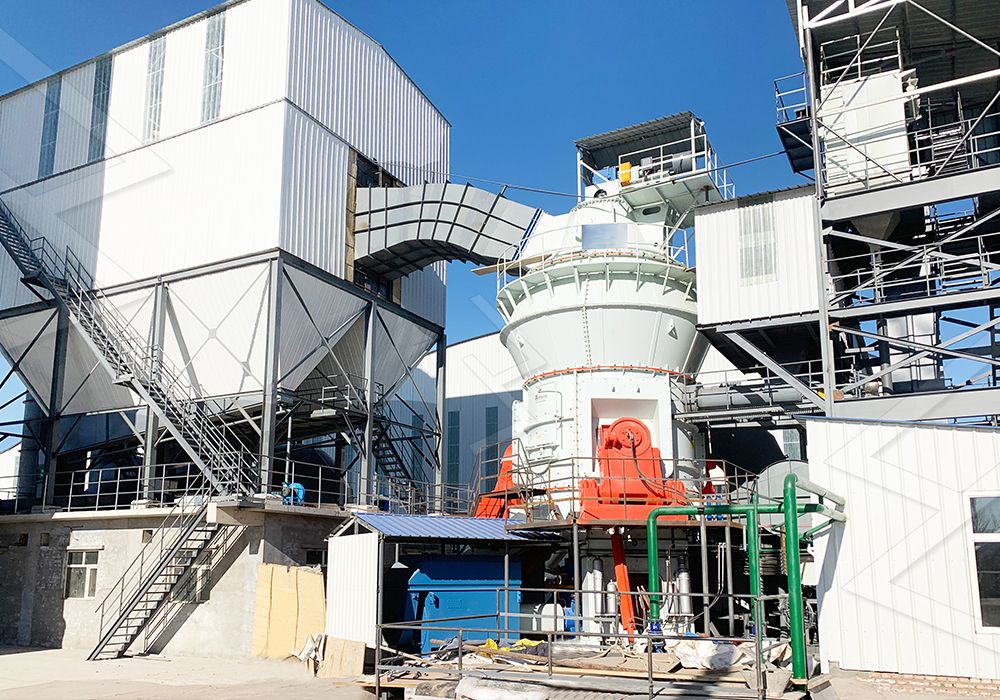
Key Considerations for Achieving 400 Mesh
Not all grinding mills are created equal. Pushing a standard ball mill or Raymond mill to consistently produce 400-mesh slag powder can lead to high energy costs, excessive wear, and poor particle size distribution. The ideal machine needs:
- Precise Classification: A high-efficiency powder separator is non-negotiable. It must accurately cut the particle size to ensure oversize material is returned for further grinding, yielding a tight, consistent fineness.
- Grinding Efficiency: The grinding mechanism itself must apply energy efficiently to brittle materials like slag, minimizing wasteful heat and vibration.
- System Design: Integrated drying is often essential, as slag can have residual moisture. A system that combines grinding, drying, and classifying in one unit saves space and energy.
Recommended Solution: The MW Ultrafine Grinding Mill
For operations targeting high-value, ultra-fine slag powders, a specialized machine is paramount. Our MW Ultrafine Grinding Mill is engineered specifically for this purpose. It’s not just a crusher; it’s a complete fine-powder production system.
Here’s why the MW Series stands out for 400-mesh slag:
- Adjustable Fineness (325-2500 mesh): Its advanced German-derived cage-type powder selector gives you pinpoint control over the final product. Hitting a consistent d97 ≤ 5μm (approx. 400 mesh) is well within its capabilities.
- Higher Yield, Lower Energy: Its innovative grinding curve design boosts efficiency. You get up to 40% higher capacity than jet mills and stirred mills for the same power input, drastically reducing operating costs per ton.
- Reliable & Eco-Friendly: With no rolling bearings or screws in the grinding chamber, maintenance worries and failure points are minimized. The integrated pulse dust collector and silencer ensure the operation meets strict environmental standards—no dust, low noise.
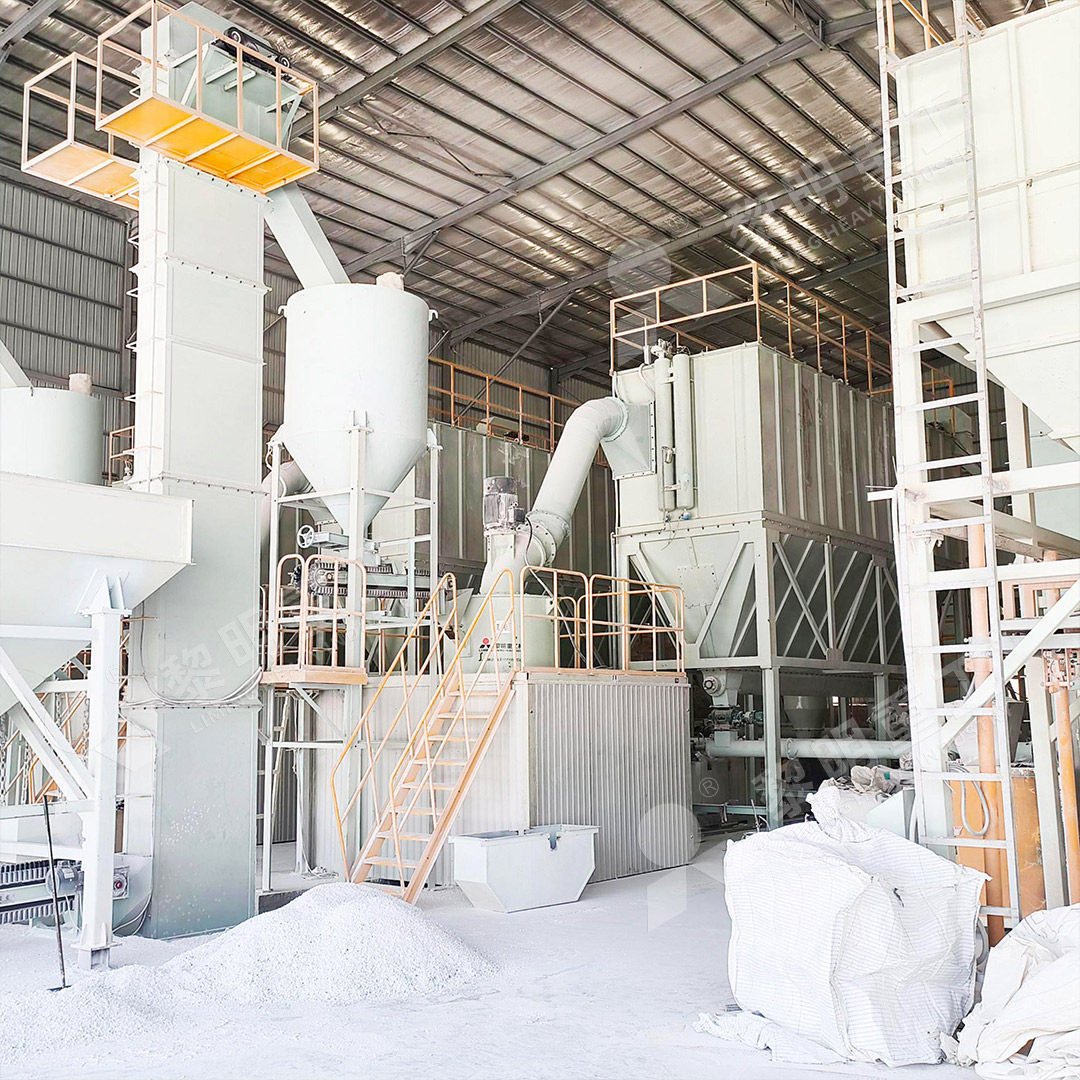
Key Specs: Input Size: 0-20 mm | Capacity: 0.5-25 tph | Ideal For: Slag, limestone, calcite, barite, and other non-metallic minerals.
Beyond 400 Mesh: The LUM Ultrafine Vertical Alternative
For some high-end applications, even finer grinds might be desired. For those projects, our LUM Ultrafine Vertical Grinding Mill is another excellent choice. It integrates the latest roller technology and powder separating tech from Germany and Taiwan. Its multi-head powder separating technology and reversible structure for easier maintenance make it a powerhouse for superfine powders beyond 400 mesh, all while maintaining impressive energy savings of 30%-50%.
Conclusion: Precision Over Power
Reaching 400 mesh in slag processing is less about brute force and more about technological finesse. The right equipment, like our MW or LUM series mills, provides the precise control, energy efficiency, and system reliability needed to transform slag from a waste product into a high-value, consistent powder. Investing in the right grinding technology is the key to unlocking its full potential.