
What is the Estimated Price for a 60-Ton/Hour Nickel Slag Grinding Mill?
We provide a wide range of mills — including Raymond mill, trapezoidal mill, vertical mill, ultrafine mill, and ball mill, obtained ISO9001 international quality certification, EU CE certification, and Customs Union CU-TR certification. Suitable for processing minerals such as limestone, phosphate, quicklime, kaolin, talc, barite, bentonite, calcium carbonate, dolomite, coal, gypsum, clay, carbon black, slag, cement raw materials, cement clinker, and more.
The discharge range of these mills can be adjusted to meet specific processing needs, typically from 80-400 mesh, 600-3250 mesh, and can achieve the finest particle size of up to 6000 mesh(D50).
If you are looking for a reliable grinding solution to turn stone or minerals into fine powder, please feel free to contact our online customer service.
What is the Estimated Price for a 60-Ton/Hour Nickel Slag Grinding Mill?
Estimating the price for a 60-ton/hour nickel slag grinding mill isn’t a simple one-size-fits-all answer. It’s a complex piece of industrial equipment, and the final cost depends on a multitude of factors beyond just the capacity. A ballpark figure for a complete system of this scale could range from several hundred thousand to over a million US dollars, but let’s break down why that range is so vast and what you’re really paying for.
Key Factors Influencing the Price
When you request a quote for a 60 tph nickel slag grinding installation, manufacturers consider these critical elements:
- Mill Technology: The choice of mill technology is the single biggest cost driver. A traditional Ball Mill system might have a lower initial purchase price but much higher operating costs (energy, media consumption). Advanced vertical roller mills or specialized grinding mills offer significantly better energy efficiency but come with a higher upfront capital investment.
- System Components: You’re not just buying a mill. A full grinding circuit includes feeders, classifiers (separators), dust collectors, silos, conveyors, piping, and a sophisticated electrical control system. The capacity and quality of these ancillary components drastically affect the total system price.
- Material Characteristics: Nickel slag’s specific properties—its hardness (work index), abrasiveness, moisture content, and desired final fineness (e.g., 400 mesh vs. 500 mesh)—directly impact the mill size, motor power, and wear part material required, all influencing cost.
- Customization & Automation: The level of process automation (from basic PLC control to full plant DCS systems) and any special requirements for wear protection or material handling add considerable cost.
- Shipping and Logistics: Transporting massive mill parts, especially for a 60 tph unit, across continents is a significant expense.
- Installation & Commissioning: The quote often includes or is separate from the cost of expert technicians to supervise installation and ensure the mill runs optimally.
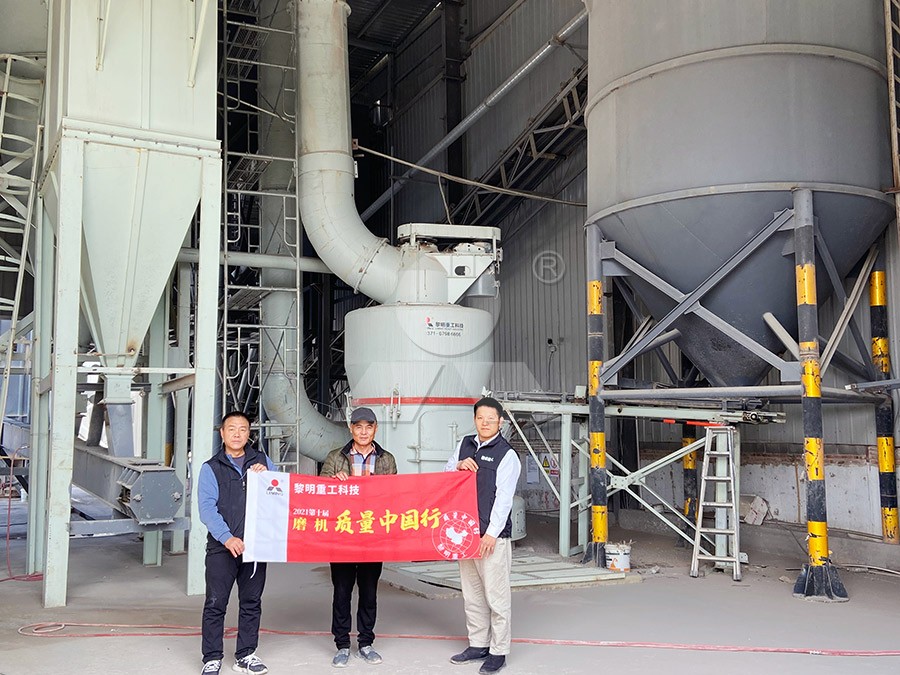
Finding the Right Mill for Nickel Slag at 60 TPH
For a demanding application like nickel slag grinding at 60 tons per hour, standard solutions often fall short. You need robust, efficient, and reliable technology designed for high-capacity mineral processing.
While our broader portfolio includes various options, two standout models engineered for such heavy-duty applications are worth highlighting for their efficiency and reliability.
Recommended Solution: LM Vertical Slag Mill
For nickel slag, our LM Vertical Slag Mill is often the superior technical and economic choice. It’s specifically designed for grinding industrial waste like slag into high-value powder.
- Capacity: Perfectly suited for your requirement with a range of 7-100 T/H.
- Efficiency: Its integrated design (drying, grinding, powder selection, conveying) reduces energy consumption by 30%-40% compared to traditional ball mill systems. For a 60 TPH operation, this translates to massive savings on your electricity bill.
- Reliability: Built with high-performance wear-resistant materials to handle the abrasive nature of slag. The hydraulic system allows grinding rollers to be turned out for easier maintenance, minimizing downtime.
- Footprint: Its vertical structure occupies about 50% of the area of a ball mill system, saving valuable plant space.
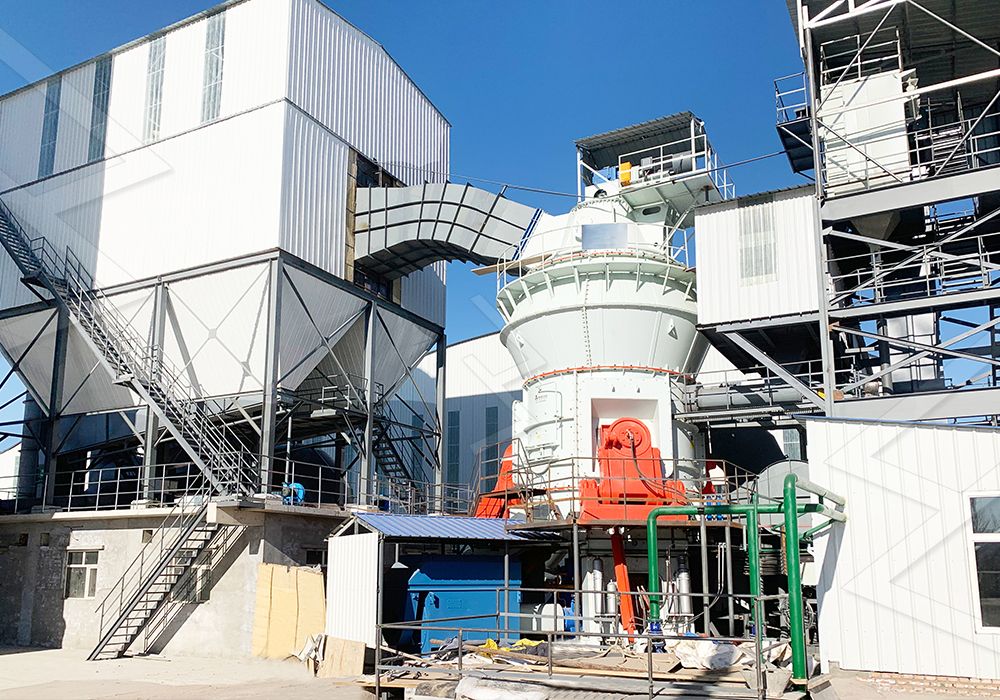
A High-Capacity Alternative: LM Vertical Grinding Mill
Another excellent workhorse for large-scale operations is our LM Vertical Grinding Mill. It’s a versatile solution known for its robustness and high output.
- Capacity: With a massive capacity range of 3-340 TPH, a model configured for 60 TPH runs comfortably within its optimal range.
- Investment: It offers less comprehensive investment by integrating multiple functions into a single, compact unit.
- Performance: Features like short grinding time and low iron content are crucial for maintaining the quality of the final slag product. Its stable operation and negative pressure system ensure an environmentally clean process.
Getting an Accurate Quote
The only way to get a precise estimate is to engage directly with our engineering team. We’ll need details about your specific nickel slag to run calculations and recommend the optimal model and configuration. We provide not just a machine, but a complete solution backed by technical support and a sufficient supply of genuine spare parts to ensure worry-free operation.
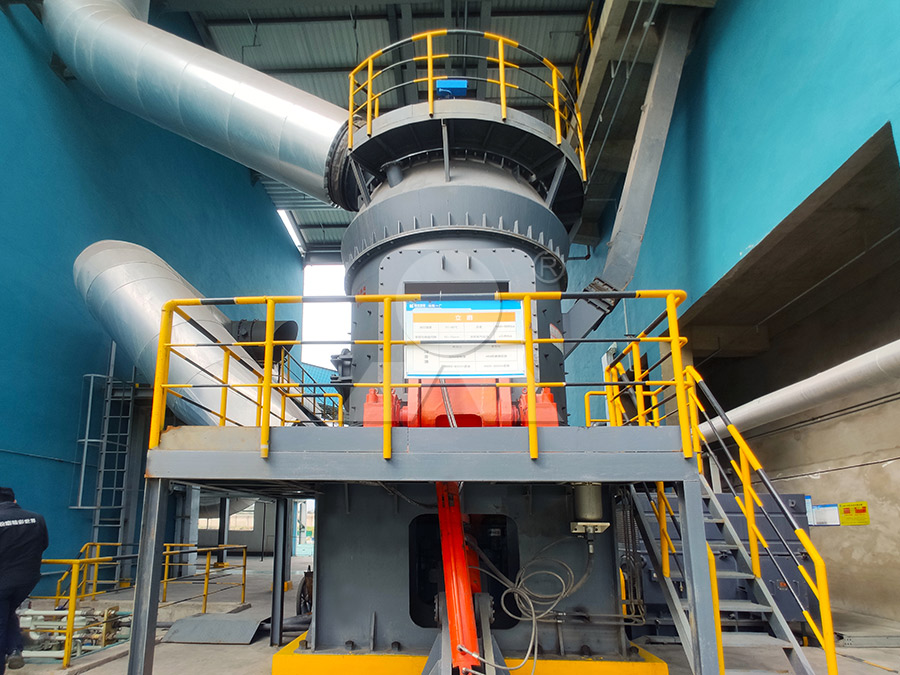
Don’t just buy a mill; invest in a system that maximizes your return through lower operating costs and higher availability. Contact us today for a detailed consultation and a competitive quotation tailored to your 60-ton/hour nickel slag grinding project.