
What is finely ground limestone powder used for?
We provide a wide range of mills — including Raymond mill, trapezoidal mill, vertical mill, ultrafine mill, and ball mill, obtained ISO9001 international quality certification, EU CE certification, and Customs Union CU-TR certification. Suitable for processing minerals such as limestone, phosphate, quicklime, kaolin, talc, barite, bentonite, calcium carbonate, dolomite, coal, gypsum, clay, carbon black, slag, cement raw materials, cement clinker, and more.
The discharge range of these mills can be adjusted to meet specific processing needs, typically from 80-400 mesh, 600-3250 mesh, and can achieve the finest particle size of up to 6000 mesh(D50).
If you are looking for a reliable grinding solution to turn stone or minerals into fine powder, please feel free to contact our online customer service.
The Versatile World of Finely Ground Limestone Powder
When most people think of limestone, they picture massive grey rocks forming cliffs or ancient buildings. But through modern industrial processes, this abundant natural material can be transformed into an incredibly fine powder with surprising versatility. Finely ground limestone powder, typically ranging from 325 to 2500 meshes in fineness, has become an indispensable material across numerous industries.
Industrial Applications: Beyond Construction
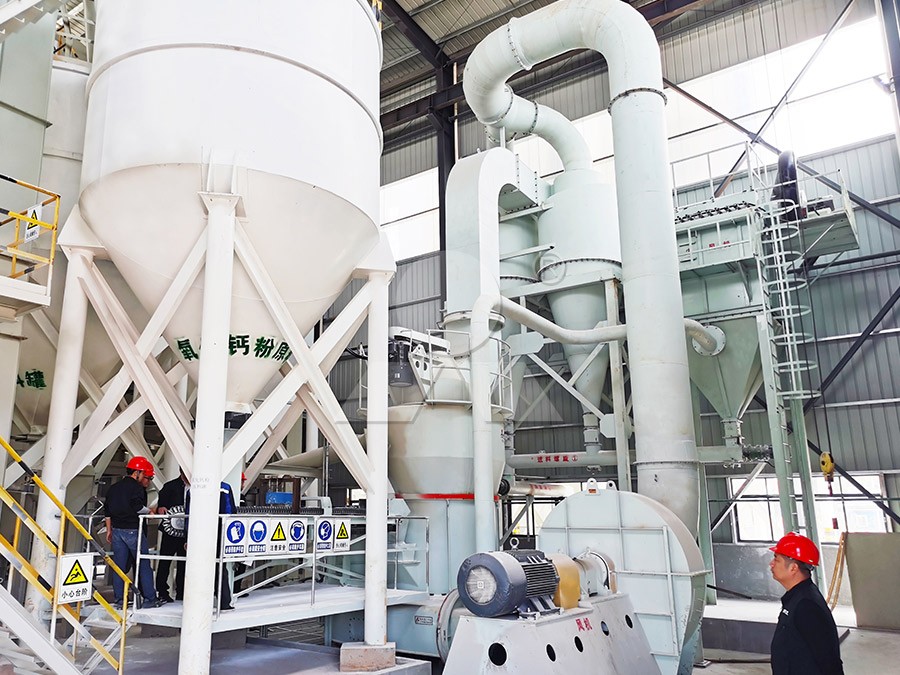
While limestone’s use in construction materials is well-known, its powdered form serves far more sophisticated purposes. In the chemical industry, ultra-fine limestone powder acts as a crucial filler in plastics, paints, and coatings, where it improves product properties while reducing costs. The cosmetics industry relies on its gentle abrasive qualities and bright white color for foundations, powders, and other beauty products. Even the food industry uses food-grade limestone powder as a calcium additive and acidity regulator.
Perhaps most importantly, finely ground limestone powder serves as the primary raw material for many environmental applications. Flue gas desulfurization systems in power plants use limestone powder to remove sulfur dioxide from emissions, significantly reducing acid rain formation. Water treatment facilities employ it to adjust pH levels and purify drinking water.
The Critical Role of Grinding Technology
The effectiveness of limestone powder in these applications depends heavily on its fineness and purity. Traditional grinding methods often fail to achieve the consistent particle size distribution required for high-value applications. This is where advanced grinding technology makes all the difference.
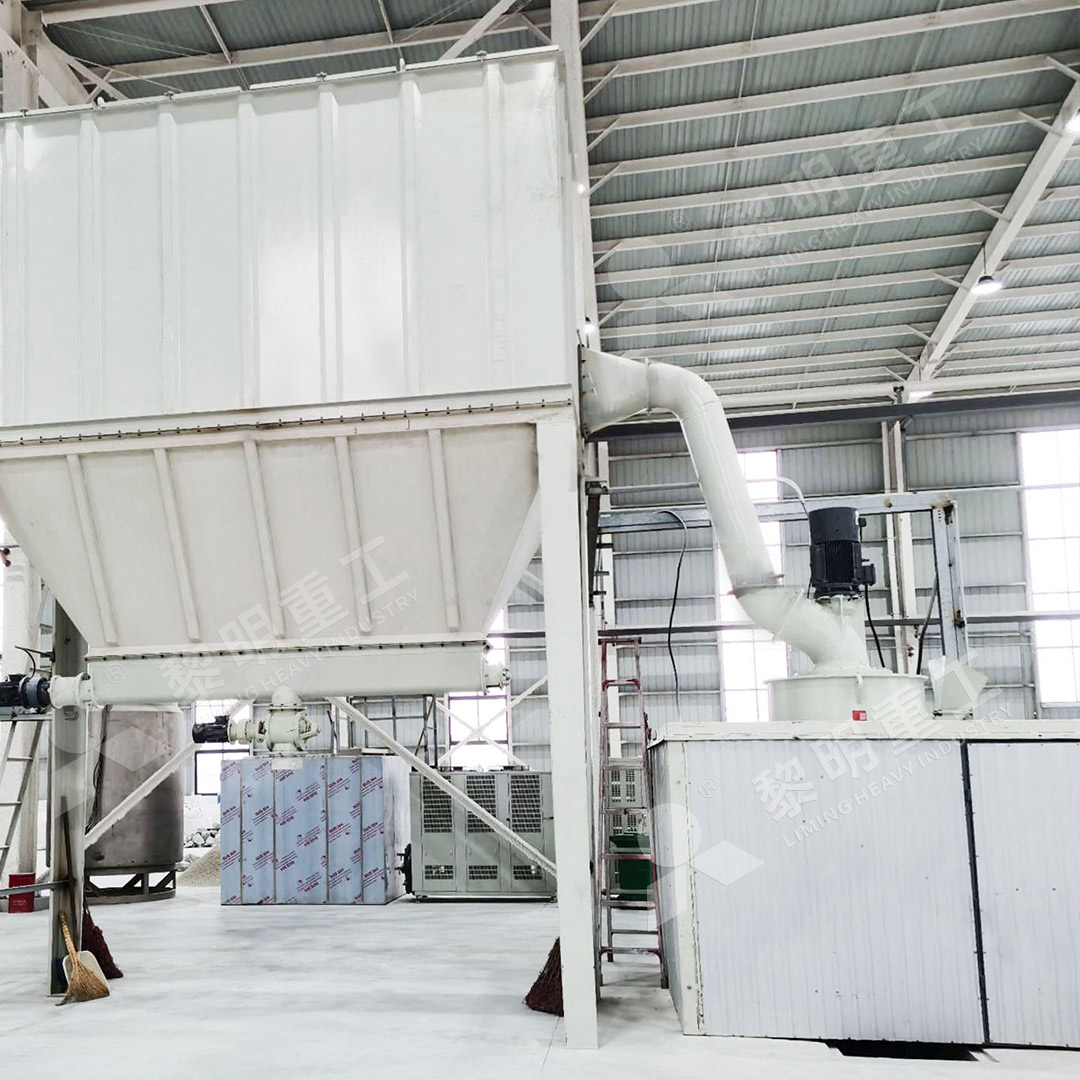
For operations requiring ultra-fine limestone powder with precise particle control, our MW Ultrafine Grinding Mill represents a technological breakthrough. With an input size of 0-20 mm and capacity ranging from 0.5 to 25 tph, this machine produces powder adjustable between 325-2500 meshes. What sets it apart is its innovative design that eliminates rolling bearings and screws in the grinding chamber, preventing common failure points that plague conventional mills. The efficient pulse dust collector and muffler system ensure environmentally friendly operation with minimal dust and noise pollution.
Specialized Solutions for Different Needs
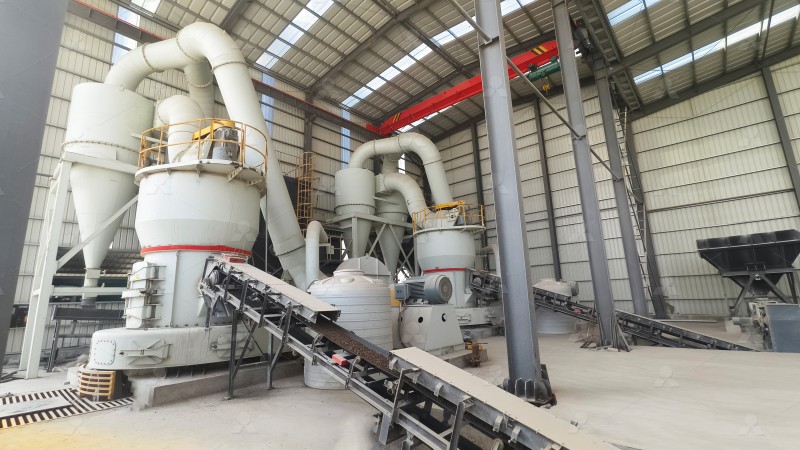
Not all limestone grinding applications require the same approach. For operations needing vertical grinding solutions with exceptional stability, our LUM Ultrafine Vertical Grinding Mill offers distinct advantages. With its input size of 0-10 mm and capacity of 5-18 tph, this mill integrates German powder separating technology with Taiwan grinding roller innovations. The double position-limiting technology prevents destructive impacts during operation, while the reversible structure simplifies maintenance significantly.
The choice between grinding systems often comes down to specific production requirements. Operations focused on maximum fineness with energy efficiency typically benefit from the MW series, while those prioritizing operational stability and easier maintenance might prefer the LUM vertical design.
Quality Considerations in Limestone Powder Production
Beyond particle size, several factors determine the quality of ground limestone powder. Iron content must be minimized to prevent discoloration in applications like paints and plastics. The whiteness and chemical purity directly impact the material’s suitability for food, pharmaceutical, and high-end industrial uses. Modern grinding mills address these concerns through specialized designs that reduce metal contamination and preserve material properties.
Frequently Asked Questions
What determines the appropriate fineness of limestone powder for different applications?
The optimal fineness depends entirely on the application. Construction materials like concrete often use coarser grades (325-600 meshes), while paints and plastics require medium fineness (800-1250 meshes). The finest grades (1500-2500 meshes) are reserved for specialized applications in cosmetics, pharmaceuticals, and high-performance composites where particle size critically affects product performance.
How does modern grinding technology improve limestone powder quality?
Advanced grinding mills like our MW series incorporate precision separation systems that ensure consistent particle size distribution. The absence of rolling bearings in the grinding chamber eliminates a major source of iron contamination. Additionally, closed-system designs prevent external contaminants from affecting product purity, while efficient dust collection maintains a clean production environment.
What are the main advantages of using specialized grinding mills over conventional ball mills?
Specialized grinding mills offer 30-50% lower energy consumption, significantly reduced iron contamination, precise control over particle size distribution, and more compact footprints. For instance, our MW Ultrafine Grinding Mill provides 40% higher production capacity compared to jet mills with the same power consumption, while producing powder with superior whiteness and purity characteristics.
Can the same grinding equipment process materials other than limestone?
Yes, modern grinding mills are designed for versatility. Our MW and LUM mills effectively process calcite, dolomite, talc, barite, and other non-metallic minerals with similar hardness characteristics. This flexibility allows operations to diversify their product offerings without investing in additional equipment.