
What is Autogenous Grinding of Coal Ash Slag?
We provide a wide range of mills — including Raymond mill, trapezoidal mill, vertical mill, ultrafine mill, and ball mill, obtained ISO9001 international quality certification, EU CE certification, and Customs Union CU-TR certification. Suitable for processing minerals such as limestone, phosphate, quicklime, kaolin, talc, barite, bentonite, calcium carbonate, dolomite, coal, gypsum, clay, carbon black, slag, cement raw materials, cement clinker, and more.
The discharge range of these mills can be adjusted to meet specific processing needs, typically from 80-400 mesh, 600-3250 mesh, and can achieve the finest particle size of up to 6000 mesh(D50).
If you are looking for a reliable grinding solution to turn stone or minerals into fine powder, please feel free to contact our online customer service.
What is Autogenous Grinding of Coal Ash Slag?
In the realm of industrial mineral processing and waste valorization, autogenous grinding represents a sophisticated and efficient comminution method. Specifically for coal ash slag—a byproduct of coal combustion in power plants—this technique leverages the material itself as the grinding media. Unlike conventional milling that uses steel balls or rods, autogenous mills utilize larger pieces of the feed material to crush and grind finer particles through impact and attrition. This process is particularly advantageous for abrasive materials like slag, as it minimizes contamination from worn grinding media and can significantly reduce operational costs associated with media consumption.
The Mechanics and Benefits of Autogenous Grinding for Slag
The core principle hinges on a cascading motion within a rotating drum. As the mill turns, the coarse slag particles are lifted and then dropped onto the feed, creating a self-impact crushing effect. The absence of external grinding media not only preserves the chemical purity of the final powder—a critical factor for downstream applications in construction (like supplementary cementitious materials) or fillers—but also reduces iron contamination. This is a paramount concern when processing slag for high-value markets where whiteness and low impurity levels are essential. Furthermore, autogenous systems often integrate drying, grinding, and classification in a single, streamlined operation, enhancing overall energy efficiency and plant footprint optimization.
Challenges and Technological Solutions
However, implementing autogenous grinding for coal ash slag is not without its challenges. The variable feed size and hardness can lead to inconsistent grinding performance. Fluctuations in moisture content may cause packing or reduced efficiency. This is where advanced mill design and process control become indispensable. Modern systems employ sophisticated separators, precise airflow control, and automated monitoring to maintain a stable grinding bed and ensure a consistent product fineness, often targeting ultra-fine ranges (from 325 to 2500 meshes) for specialized applications.
Optimizing the Process with Advanced Milling Technology
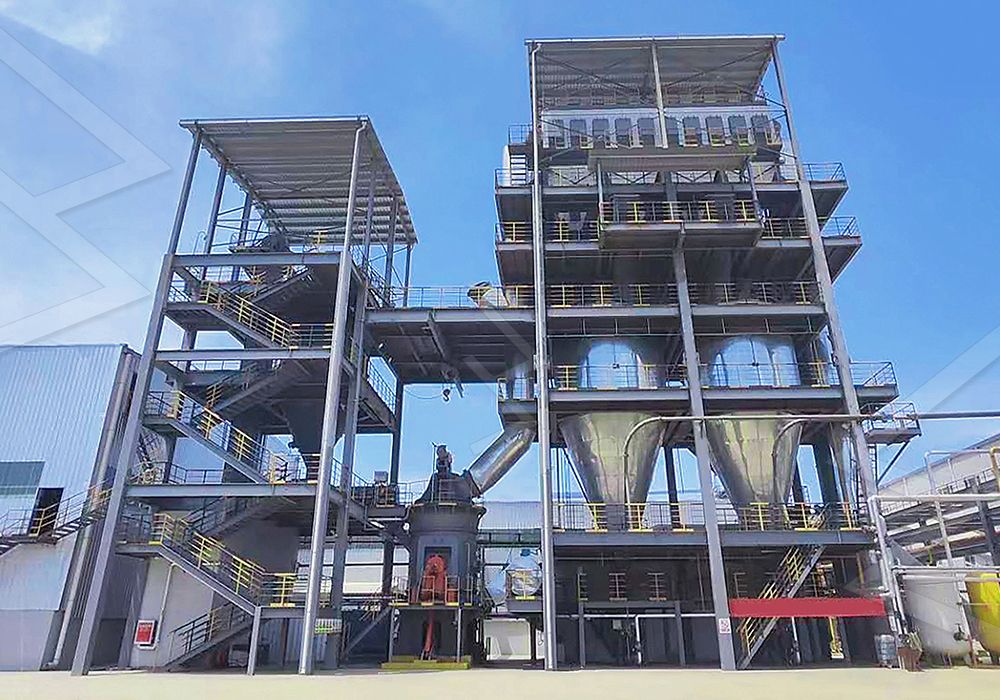
To overcome these hurdles and extract maximum value from coal ash slag, pairing the autogenous concept with state-of-the-art mill engineering is key. This is where our expertise and product innovation come into play. While traditional autogenous mills provide the foundation, achieving the ultra-fine, high-purity powders demanded by today’s market requires a more refined approach. For instance, our MW Ultrafine Grinding Mill embodies this evolution. It is not a pure autogenous mill but incorporates advanced principles that address similar goals: minimal contamination and high efficiency. Its design features no rolling bearings or screws in the grinding chamber, eliminating concerns about metallic wear part failures and associated contamination. The mill’s high-efficiency, cage-type powder selector allows precise fineness adjustment between 325-2500 meshes, making it exceptionally suitable for transforming coal ash slag into a consistent, high-value product. With a capacity range of 0.5-25 tph and input size up to 20mm, it handles slag feed effectively.
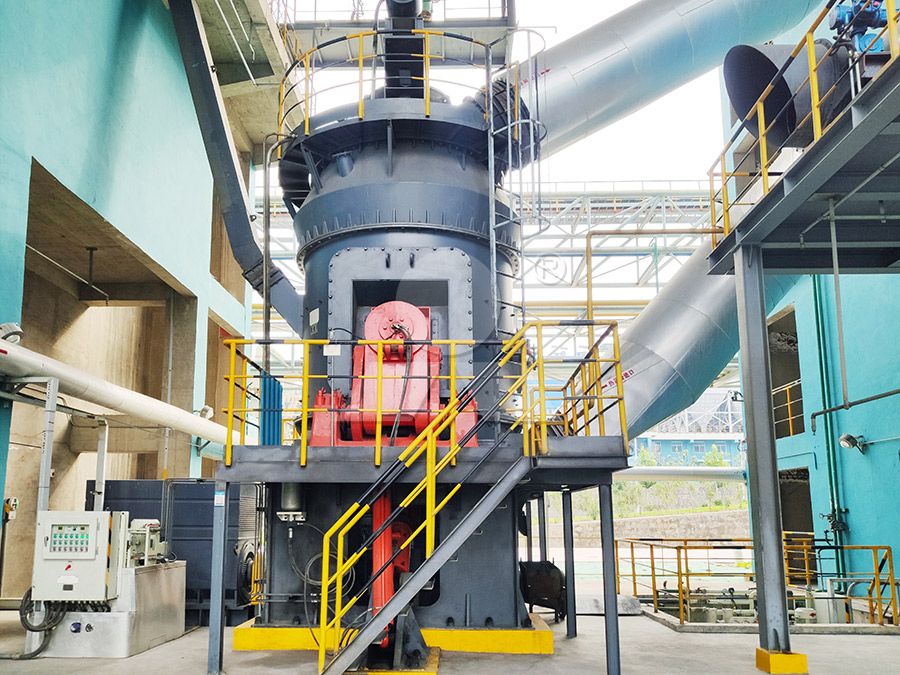
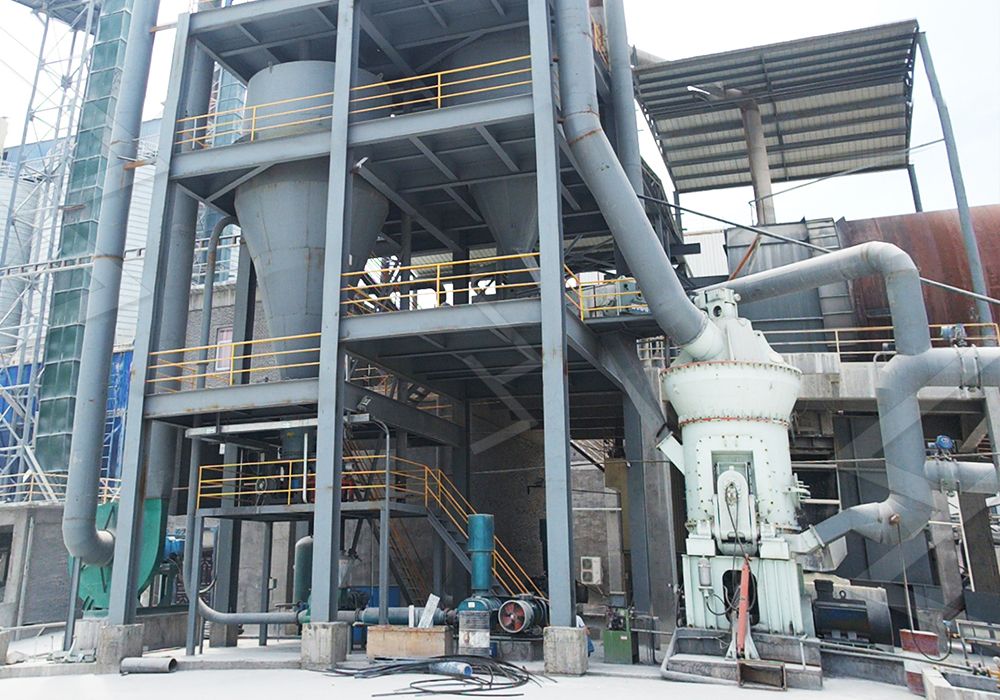
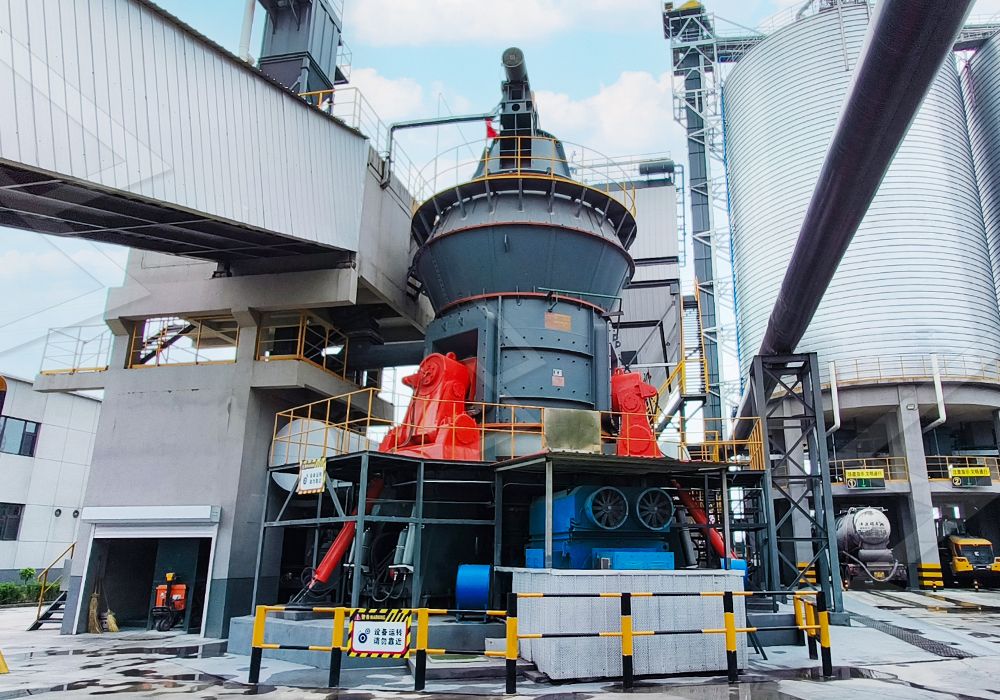
For larger-scale operations focusing on slag or pulverized coal, the LM Vertical Slag Mill is a premier choice. This mill integrates drying, grinding, powder selection, and conveying into one compact system. It specializes in grinding industrial wastes like slag, offering energy savings of 30-40% compared to traditional ball mill systems. Its vertical structure reduces the footprint by approximately 50%, and the grinding roller and table design minimizes direct metallic contact, keeping iron content low in the final product—a direct parallel to the purity benefits of autogenous grinding.
Conclusion: A Synergistic Approach to Value Creation
In summary, autogenous grinding of coal ash slag is a smart, material-efficient comminution strategy that reduces contamination and operational costs. Its successful industrial application, however, is greatly enhanced by modern milling technology that offers precision, stability, and integration. By utilizing equipment like our MW Ultrafine Grinding Mill for ultra-fine applications or the LM Vertical Slag Mill for high-volume production, processors can reliably convert a challenging industrial byproduct into a consistent, market-ready powder, closing the loop on waste and creating sustainable economic value.
Frequently Asked Questions (FAQs)
1. What is the primary advantage of autogenous grinding for materials like coal ash slag?
The main advantage is the significant reduction in iron contamination and grinding media consumption. Since the material grinds itself, there’s minimal introduction of foreign metallic elements from worn balls or rods, which is crucial for preserving the chemical purity and color of the final slag powder used in cement or ceramics.
2. Can autogenous grinding achieve ultra-fine fineness levels (e.g., over 1000 mesh)?
Pure autogenous mills can struggle with achieving consistent ultra-fine results efficiently. This often requires closed-circuit systems with high-efficiency external classifiers. Modern mills designed for ultra-fine powder, like the MW Ultrafine Grinding Mill, use advanced internal powder selectors to reliably reach fineness levels up to 2500 mesh, making them a more effective solution for such demanding specifications.
3. How does moisture in the feed slag affect the autogenous grinding process?
High moisture can cause material to adhere to the mill liners and grinding media (other slag pieces), reducing impact efficiency and potentially leading to mill packing or clogging. Modern integrated mills, such as vertical slag mills, incorporate hot air drying capabilities that allow simultaneous drying and grinding, effectively handling feed with moderate moisture content.
4. Is the energy consumption of autogenous grinding higher than conventional ball milling?
Not necessarily. While pure autogenous mills can be less energy-efficient for some materials due to the need to lift very heavy ore/feed, purpose-designed vertical mills for slag (like the LM Vertical Slag Mill) are engineered for efficiency. They integrate multiple processes, use gravity and centrifugal force effectively, and typically report 30-40% lower energy consumption compared to traditional ball mill systems for the same output.
5. What are the key maintenance considerations for slag grinding mills?
Key considerations include wear on grinding components (rollers/tables) from the abrasive slag, and ensuring the sealing and dust collection systems remain effective. Our equipment addresses this with features like high-performance wear-resistant materials, reversible roller structures for easier maintenance (in LUM mills), and external lubrication systems that allow maintenance without shutdown (in MW mills), ensuring worry-free operation.
6. Can the same mill process both raw slag and other materials like limestone or coal?
Many modern vertical and ultrafine grinding mills are designed for versatility. For example, the MW Ultrafine Grinding Mill is applicable for coal powder, slag, limestone, calcite, and many other non-metallic minerals. However, process parameters like grinding pressure, classifier speed, and air volume need to be adjusted according to the material’s hardness, abrasiveness, and desired fineness.