
What is a Second Stage Refiner? TFAM30S Attrition Mill Explained
We provide a wide range of mills — including Raymond mill, trapezoidal mill, vertical mill, ultrafine mill, and ball mill, obtained ISO9001 international quality certification, EU CE certification, and Customs Union CU-TR certification. Suitable for processing minerals such as limestone, phosphate, quicklime, kaolin, talc, barite, bentonite, calcium carbonate, dolomite, coal, gypsum, clay, carbon black, slag, cement raw materials, cement clinker, and more.
The discharge range of these mills can be adjusted to meet specific processing needs, typically from 80-400 mesh, 600-3250 mesh, and can achieve the finest particle size of up to 6000 mesh(D50).
If you are looking for a reliable grinding solution to turn stone or minerals into fine powder, please feel free to contact our online customer service.
What is a Second Stage Refiner? TFAM30S Attrition Mill Explained
In the world of industrial milling and material size reduction, achieving the desired fineness often requires a multi-stage approach. While primary crushers and grinders handle the initial breakdown of raw materials, it’s the second stage refiners that perform the critical task of transforming coarse particles into ultra-fine, consistent powders. One such workhorse in this category is the TFAM30S Attrition Mill, a machine designed for precision and efficiency in the final grinding stages.
The Role of a Second Stage Refiner
A second stage refiner, like the TFAM30S, is engineered to accept pre-crushed material and reduce it to a very fine or even ultra-fine powder. This process is essential in numerous industries where product quality is directly linked to particle size distribution and purity. Unlike primary crushers that use impact and compression, attrition mills utilize a different principle: they grind materials between two surfaces in a shearing and tearing action, which is ideal for achieving narrow particle size distributions and minimal contamination.
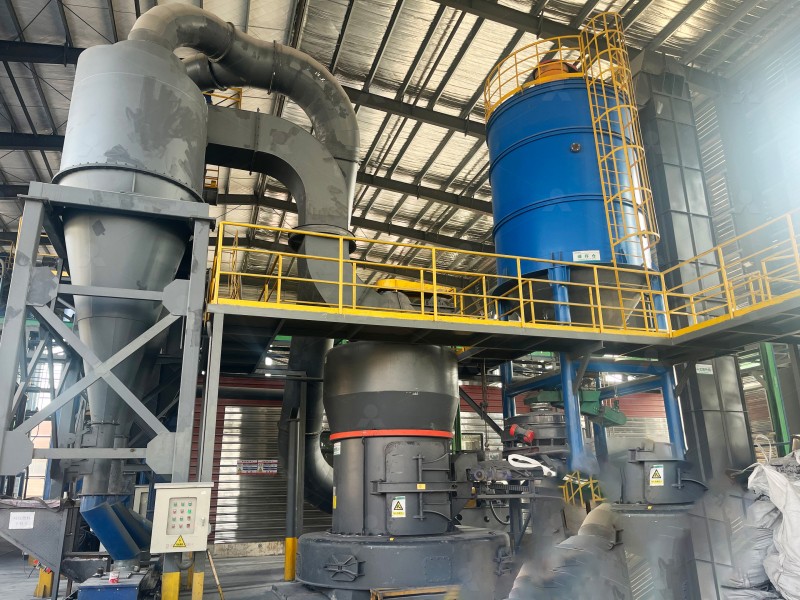
The TFAM30S model is particularly known for its robust construction and ability to handle a variety of medium-hard to hard materials. It’s the final touchpoint, the piece of equipment that ensures your product meets the exact specifications required for applications in chemicals, pharmaceuticals, cosmetics, and advanced materials.
Key Features of an Advanced Attrition Mill
So, what should you look for in a modern second stage refiner? Here are some critical features embodied by mills like the TFAM30S:
- Precision Grinding Elements: Engineered rollers and rings create the optimal grinding curve for maximum efficiency and minimal energy waste.
- Advanced Classification: An integrated, high-precision powder selector (or classifier) ensures only particles that meet the target fineness leave the grinding chamber, while oversize material is recirculated for further grinding.
- Dust and Noise Control: Built-in pulse dust collectors and muffling systems are no longer luxuries but necessities for environmentally compliant and operator-friendly operation.
- Ease of Maintenance: Designs that allow for easy access to wear parts and external lubrication systems significantly reduce downtime.
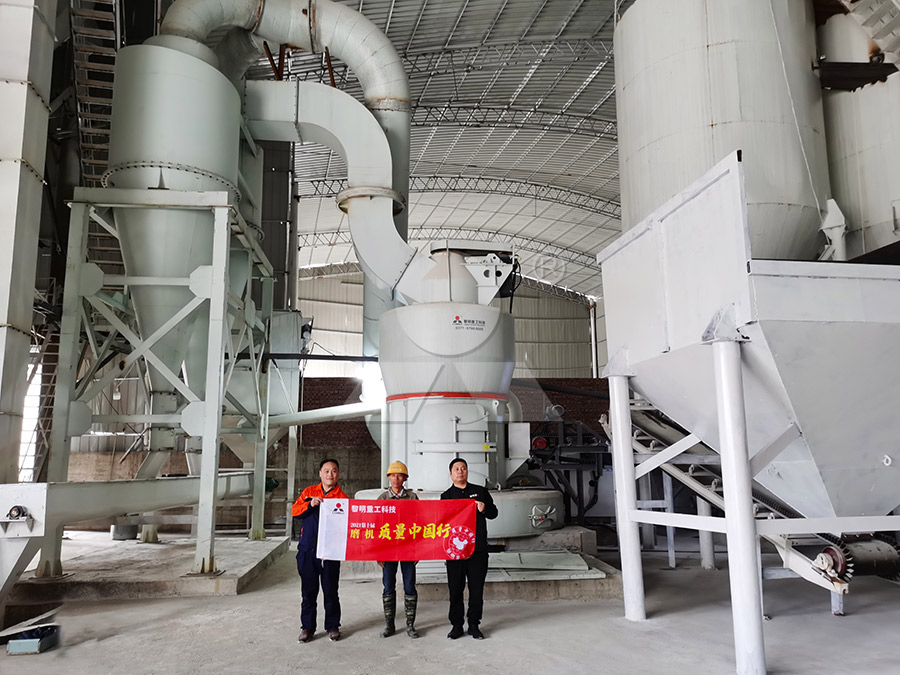
Beyond the TFAM30S: Meeting Ultra-Fine Demands with MW Series Mills
While the TFAM30S is a capable machine, some applications demand an even higher level of fineness and efficiency. For customers who need to produce ultra-fine powder in the range of 325 to 2500 meshes, our MW Ultrafine Grinding Mill series is the superior choice.
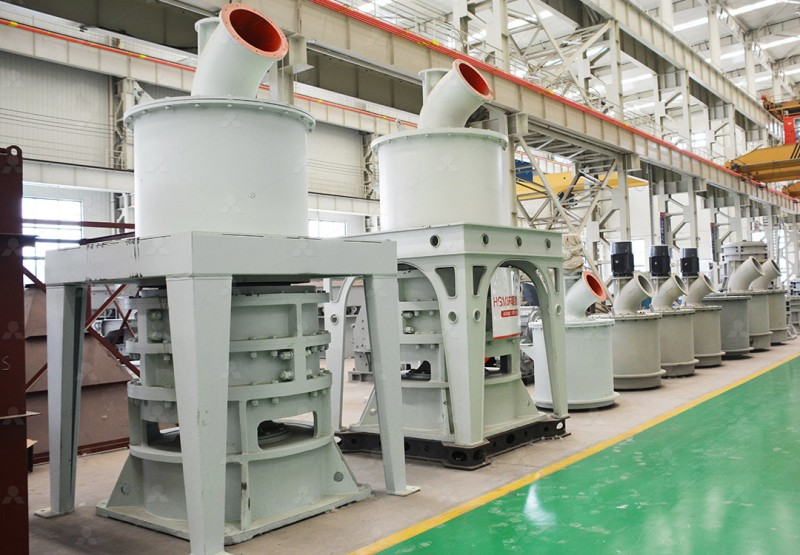
The MW Ultrafine Grinding Mill is specifically designed for this purpose. It boasts a cage-type powder selector based on German technology, which dramatically increases the precision of powder separation. Imagine achieving a fineness where 97% of your product is 5 micrometers or smaller—in a single pass. This mill makes it possible, with a production capacity 40% higher than jet mills and double that of ball mills, all while consuming only 30% of the energy of a jet mill. Its clever design eliminates rolling bearings and screws inside the grinding chamber, removing common failure points and concerns about loose components causing catastrophic damage.
For another excellent option in secondary refinement, consider our LUM Ultrafine Vertical Grinding Mill. It integrates grinding, grading, and transporting into a single, compact unit. Its unique roller shell and lining plate grinding curve are designed to generate a stable material layer, enabling a high rate of finished product in a single pass. This enhances efficiency and improves the whiteness and cleanliness of the final powder, making it perfect for high-value applications.
Conclusion
Choosing the right second stage refiner is a critical decision that impacts your product quality, operational costs, and production efficiency. Whether it’s the reliable TFAM30S or the advanced capabilities of the MW Ultrafine Grinding Mill, the goal is the same: to transform your pre-processed material into a consistent, high-quality powder that meets the most demanding specifications. By understanding the technology and features behind these machines, you can make an informed choice that drives your business forward.