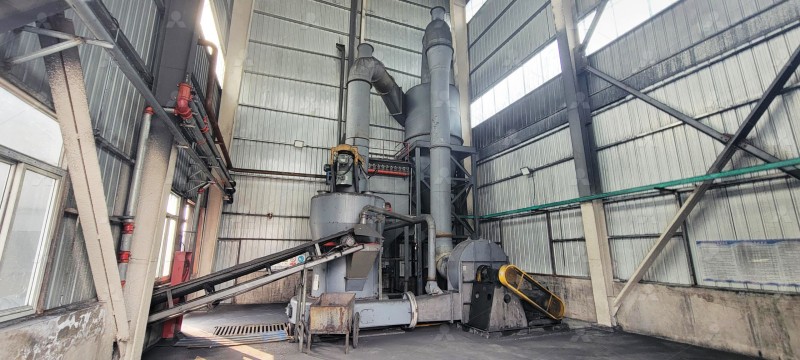
What is a Dust Collector in a Coal Mill and How Does It Work?
We provide a wide range of mills — including Raymond mill, trapezoidal mill, vertical mill, ultrafine mill, and ball mill, obtained ISO9001 international quality certification, EU CE certification, and Customs Union CU-TR certification. Suitable for processing minerals such as limestone, phosphate, quicklime, kaolin, talc, barite, bentonite, calcium carbonate, dolomite, coal, gypsum, clay, carbon black, slag, cement raw materials, cement clinker, and more.
The discharge range of these mills can be adjusted to meet specific processing needs, typically from 80-400 mesh, 600-3250 mesh, and can achieve the finest particle size of up to 6000 mesh(D50).
If you are looking for a reliable grinding solution to turn stone or minerals into fine powder, please feel free to contact our online customer service.
What is a Dust Collector in a Coal Mill and How Does It Work?
In the world of coal processing and power generation, the coal mill is a critical piece of equipment. Its job is to grind lump coal into a fine powder, which is then used as fuel. However, this grinding process generates a significant amount of coal dust—a substance that is not only a major safety hazard due to its combustibility but also a serious health and environmental concern. This is where the dust collector becomes an absolutly essential component. It’s the unsung hero that keeps the operation safe, clean, and compliant.
The Critical Role of the Dust Collector
Imagine a cloud of fine, explosive coal dust circulating inside a confined space. Without control, this is a recipe for disaster. The primary function of a dust collector in a coal mill system is to continuously capture this airborne dust from the grinding and conveying processes. It works by creating a powerful negative pressure airflow that sucks the dust-laden air from the mill’s interior. This air is then pulled through a series of filters, often fabric filter bags, which trap the tiny coal particles while allowing the clean air to pass through. The collected dust is periodically dislodged from the filters (often by a pulse of compressed air, hence ‘pulse jet’ collectors) and funneled back into the system for use, ensuring no product is wasted.
How It Integrates with Modern Grinding Mills
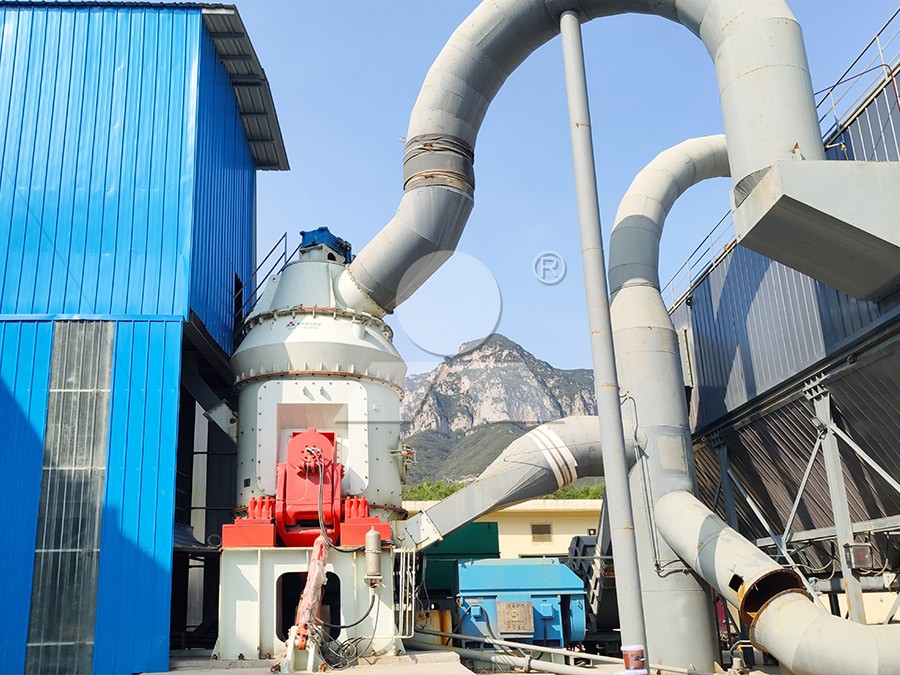
Modern grinding mills are designed as complete, closed-loop systems where the dust collector is not an add-on but an integral part of the machinery. For instance, in an ultrafine grinding operation, the efficiency of the entire process depends on the seamless operation of the dust collection system. It maintains the necessary air flow for material transport and classification while ensuring the work environment remains pristine.
A prime example of this integration is our MW Ultrafine Grinding Mill. This machine is specifically engineered for customers who need to produce ultra-fine powder from materials like petroleum coal. It comes equipped with a highly efficient pulse dust collector and muffler, which work in tandem to drastically reduce both dust pollution and operational noise. The entire production process is designed to have minimal effect on the environment. With an input size of 0-20 mm and a capacity ranging from 0.5 to 25 tons per hour, the MW mill’s dust collection system ensures that even at its highest output, no dust escapes, making the operation both productive and eco-friendly.
Beyond Coal: Versatility in Dust Control
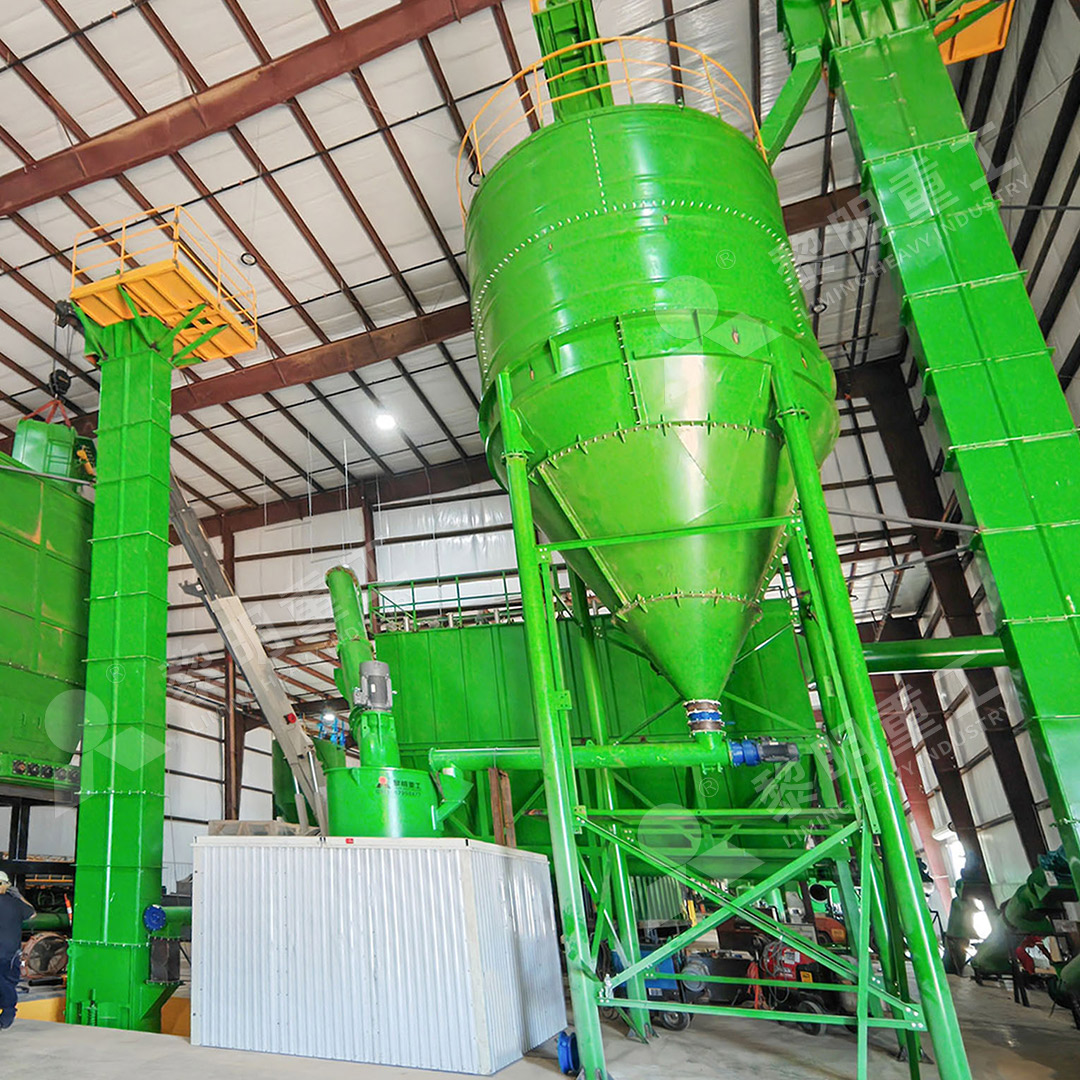
While crucial for coal, the need for superior dust control extends to many other industrial milling applications. Minerals like limestone, calcite, and gypsum also generate large amounts of fine dust during processing. For these scenarios, a vertical grinding mill often offers superior performance.
Our LUM Ultrafine Vertical Grinding Mill is another excellent solution that incorporates advanced dust control. Independently designed with the latest grinding roller and German powder separating technology, it integrates grinding, grading, and transporting. Its closed-system design, supported by an efficient dust collector, ensures that the production of superfine dry powder is contained and clean. This makes it an ideal choice for a wide range of non-metallic ores, providing higher yield rates and better quality product without the mess.
Conclusion: A Non-Negotiable for Safety and Efficiency
In summary, the dust collector in a coal mill is far more than just a filter; it is a critical system for risk mitigation, environmental protection, and operational efficiency. It allows for the safe utilization of a powerful but dangerous material, protects workforce health, and helps companies meet stringent regulatory standards. When selecting a grinding mill, choosing one with a robust, integrated dust collection system—like our MW or LUM series—is not just a choice, it’s a necessity for responsible and sustainable industrial operation.