
What is a Concrete Aggregate Gangue Pulverizer and How Does It Work?
We provide a wide range of mills — including Raymond mill, trapezoidal mill, vertical mill, ultrafine mill, and ball mill, obtained ISO9001 international quality certification, EU CE certification, and Customs Union CU-TR certification. Suitable for processing minerals such as limestone, phosphate, quicklime, kaolin, talc, barite, bentonite, calcium carbonate, dolomite, coal, gypsum, clay, carbon black, slag, cement raw materials, cement clinker, and more.
The discharge range of these mills can be adjusted to meet specific processing needs, typically from 80-400 mesh, 600-3250 mesh, and can achieve the finest particle size of up to 6000 mesh(D50).
If you are looking for a reliable grinding solution to turn stone or minerals into fine powder, please feel free to contact our online customer service.
What is a Concrete Aggregate Gangue Pulverizer and How Does It Work?
In the construction and mining industries, the efficient processing of raw materials is paramount. Among the various materials requiring size reduction, concrete aggregate and gangue—a byproduct of mining operations—present unique challenges. A specialized piece of equipment designed to tackle these materials is the gangue pulverizer. This article delves into the fundamentals of this machinery and its operational principles.
Understanding the Machine’s Role
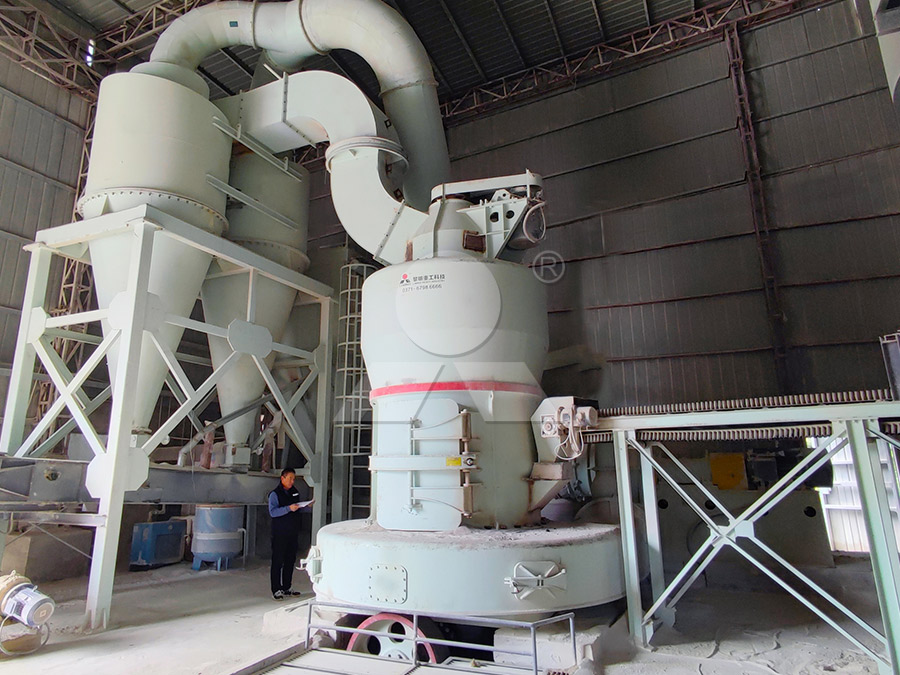
A concrete aggregate gangue pulverizer is essentially a heavy-duty grinding mill engineered to reduce hard, abrasive materials like mining gangue and concrete rubble into fine powders or specific particle sizes. The primary goal is to transform waste or raw materials into valuable products suitable for reuse in construction, such as in cement production or as a base material for roads. The process involves crushing, grinding, and classifying the material in a continuous operation.
Core Working Principle
The fundamental operation of most advanced pulverizers revolves around a grinding mechanism where material is fed into a chamber and subjected to intense pressure and shear forces between rotating rollers and a stationary grinding ring or table. A powerful motor drives the main shaft, which in turn rotates the grinding elements. The crushed material is then carried by an air stream to a integrated classifier. This separator ensures that only particles meeting the desired fineness proceed to the collection system, while oversized particles are recycled back into the grinding chamber for further processing. This closed-loop system ensures high efficiency and consistent product quality.
Key Features of Modern Pulverizers
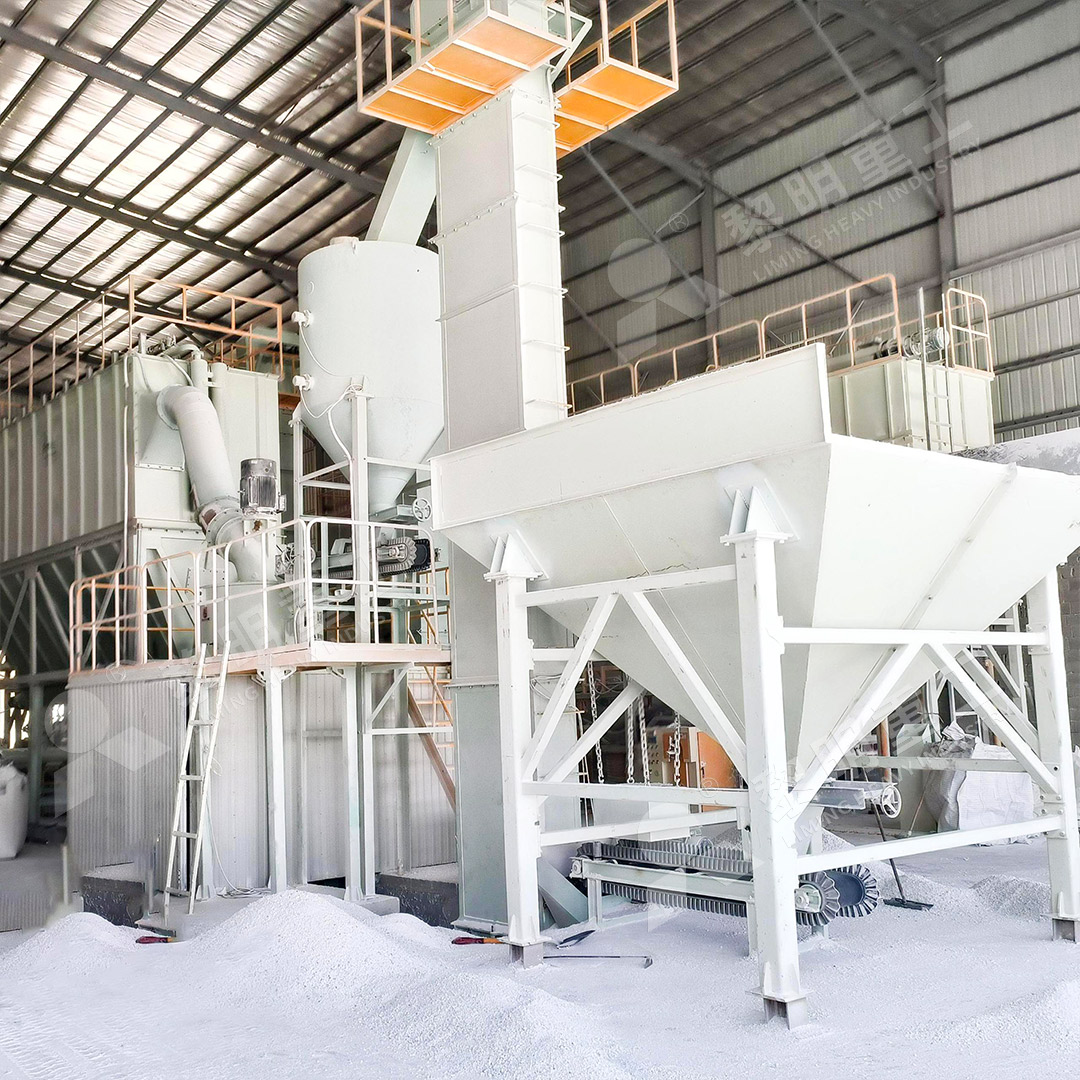
Contemporary designs prioritize energy efficiency, environmental protection, and operational stability. Key features often include advanced powder selection technology for precise fineness control (e.g., from 325 to 2500 meshes), external lubrication systems that allow for maintenance without shutdown, and robust pulse dust collectors that minimize environmental impact. The absence of rolling bearings and screws within the grinding chamber itself is a significant design advantage, eliminating common failure points and enhancing machine longevity.
Spotlight on Advanced Technology: The MW Ultrafine Grinding Mill
For operations requiring ultra-fine powder from materials like gangue or limestone, the MW Ultrafine Grinding Mill represents a top-tier solution. This equipment is specifically engineered for customers who need to produce high-purity, fine powders efficiently. With an input size of 0-20 mm and a capacity ranging from 0.5 to 25 tons per hour, it is versatile for various scales of operation.
Its standout features include significantly higher yield and lower energy consumption—up to 40% higher capacity than jet mills while using only 30% of the energy. The German-technology cage-type powder selector allows for adjustable fineness between 325-2500 meshes with high precision. Furthermore, its design eliminates internal rolling bearings and screws, drastically reducing maintenance worries and the risk of machine damage from loose components. Coupled with an efficient pulse dust collector and muffler, the MW Grinding Mill operates with minimal dust and noise, fully adhering to environmental standards.
Applications Beyond Gangue
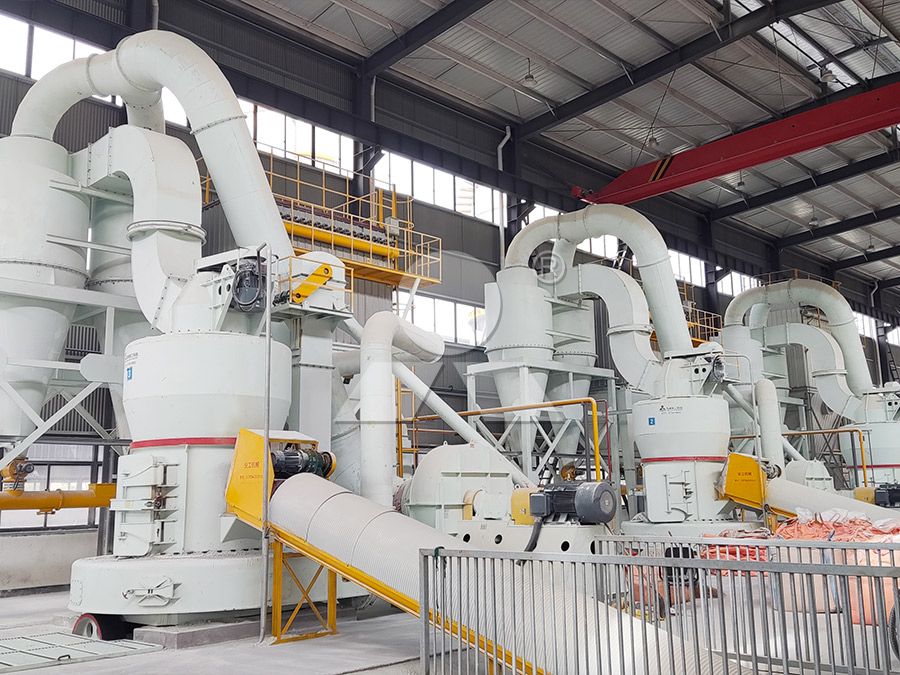
While excellent for gangue and concrete aggregate, modern pulverizers like the MW series are highly versatile. They are successfully applied to a wide range of non-flammable minerals, including calcite, dolomite, barite, and talc. This makes them indispensable not only in mining and construction but also in chemical, paint, and cosmetic industries where fine powder quality is critical.
Frequently Asked Questions (FAQ)
What is the main advantage of using a specialized gangue pulverizer?
The primary advantage is the ability to efficiently transform waste material (gangue) or demolition concrete into a valuable, reusable resource. This promotes sustainability and can significantly reduce raw material costs and environmental footprint.
How fine can a modern pulverizer like the MW Ultrafine Grinding Mill grind material?
Advanced models can achieve a very fine particle size. The MW Ultrafine Grinding Mill, for instance, can adjust the product fineness between 325 and 2500 meshes, which can achieve a fineness of d97≤5μm in a single pass.
Is the operation of these pulverizers environmentally friendly?
Yes, modern designs are built with environmental protection as a core principle. They are equipped with efficient pulse dust collectors to prevent dust pollution and silencers to reduce noise, ensuring compliance with strict environmental regulations.
What about maintenance and spare parts availability?
Reputable manufacturers ensure a sufficient supply of original spare parts and provide comprehensive technical support. Designs that allow for external lubrication and easy access to key components, like the MW Mill’s external lubrication points, make routine maintenance simpler and reduce downtime.