
What Are the Uses of Limestone After Grinding in Industry?
We provide a wide range of mills — including Raymond mill, trapezoidal mill, vertical mill, ultrafine mill, and ball mill, obtained ISO9001 international quality certification, EU CE certification, and Customs Union CU-TR certification. Suitable for processing minerals such as limestone, phosphate, quicklime, kaolin, talc, barite, bentonite, calcium carbonate, dolomite, coal, gypsum, clay, carbon black, slag, cement raw materials, cement clinker, and more.
The discharge range of these mills can be adjusted to meet specific processing needs, typically from 80-400 mesh, 600-3250 mesh, and can achieve the finest particle size of up to 6000 mesh(D50).
If you are looking for a reliable grinding solution to turn stone or minerals into fine powder, please feel free to contact our online customer service.
What Are the Uses of Limestone After Grinding in Industry?
Limestone, a sedimentary rock composed primarily of calcium carbonate (CaCO3), is one of the most versatile and widely used industrial minerals on the planet. But in its raw, quarried state, its potential is locked away. It is through the critical process of grinding that this potential is unleashed, transforming bulky rock into a fine powder that becomes a fundamental ingredient across a staggering array of industries. The fineness of the grind, measured in meshes or microns, directly dictates its application and value.
From Construction Backbone to Chemical Catalyst
The most traditional and massive application of ground limestone is in the construction sector. Here, it serves as the primary raw material for cement and concrete. When ground to a specific fineness and heated in a kiln, it undergoes a chemical transformation to become cement. Furthermore, finely ground limestone powder (often called limestone flour) is added directly to concrete mixes as a filler, improving workability, density, and long-term strength.
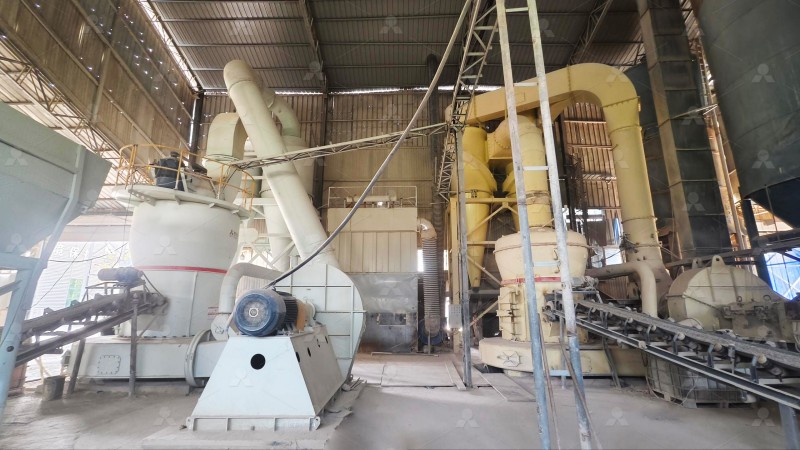
Beyond construction, ground limestone is a workhorse in agriculture. As agricultural lime, it is spread on fields to neutralize acidic soils, a process crucial for optimizing crop yields and soil health. The fine grind ensures a rapid reaction with the soil, allowing farmers to correct pH levels efficiently.
The Demand for Ultra-Fine: Specialty Applications
While coarse grinds suffice for construction and agriculture, a world of high-value applications opens up when limestone is ground to ultra-fine consistencies (often exceeding 325 mesh). This high-purity, superfine powder is essential in:
- Plastics and Polymers: Used as a functional filler and extender, it reduces production costs, improves structural stability, and enhances surface finish.
- Paints and Coatings: Acts as a pigment extender and filler, providing opacity, improving durability, and controlling viscosity. Its whiteness contributes to brighter finishes.
- Paper Manufacturing: A key component in coating paper and paperboard, giving it a smooth, bright, and printable surface. It also serves as a filler to improve opacity and brightness.
- Environmental Applications: Finely ground limestone is used in flue gas desulfurization (FGD) systems at power plants to scrub sulfur dioxide (SO2) from emissions, significantly reducing acid rain.
- Feed and Food Additives: As a calcium supplement, it is added to animal feed to promote bone development and to various human food products as a dietary source of calcium and a pH regulator.
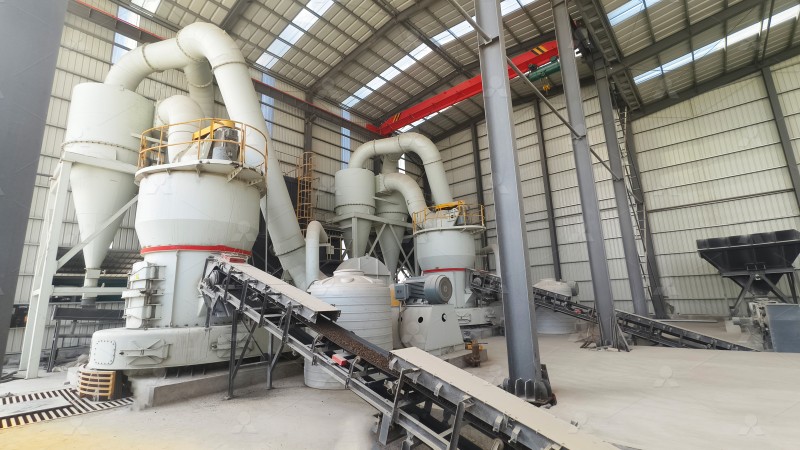
The Right Tool for the Job: Achieving the Perfect Grind
The transformation from rock to a precisely graded powder is not a simple task. It requires robust, efficient, and technologically advanced grinding equipment. The choice of mill is paramount, impacting production capacity, energy consumption, and most importantly, the final particle size distribution.
For producers aiming to capture the high-value markets requiring ultra-fine limestone powder (325-2500 meshes), traditional mills like ball mills or Raymond mills often fall short on efficiency and fineness control. This is where advanced ultrafine grinding technology becomes a game-changer.
We recommend our MW Ultrafine Grinding Mill for operations that demand superior ultra-fine powder. This machine is engineered for customers who need to make ultra-fine powder with higher yielding and lower energy consumption. A key advantage is its adjustable fineness between 325-2500 meshes, thanks to its advanced German-designed cage-type powder selector. This allows you to precisely target the fineness required for premium applications like high-grade paints, plastics, and paper coatings.
Furthermore, its innovative design eliminates rolling bearings and screws in the grinding chamber, virtually eradicating concerns about mechanical failure from these components. Coupled with an efficient pulse dust collector, the MW Mill operates with minimal environmental impact, keeping your operation clean and compliant. With an input size of 0-20mm and a capacity range of 0.5-25 tph, it’s a versatile solution for various production scales.
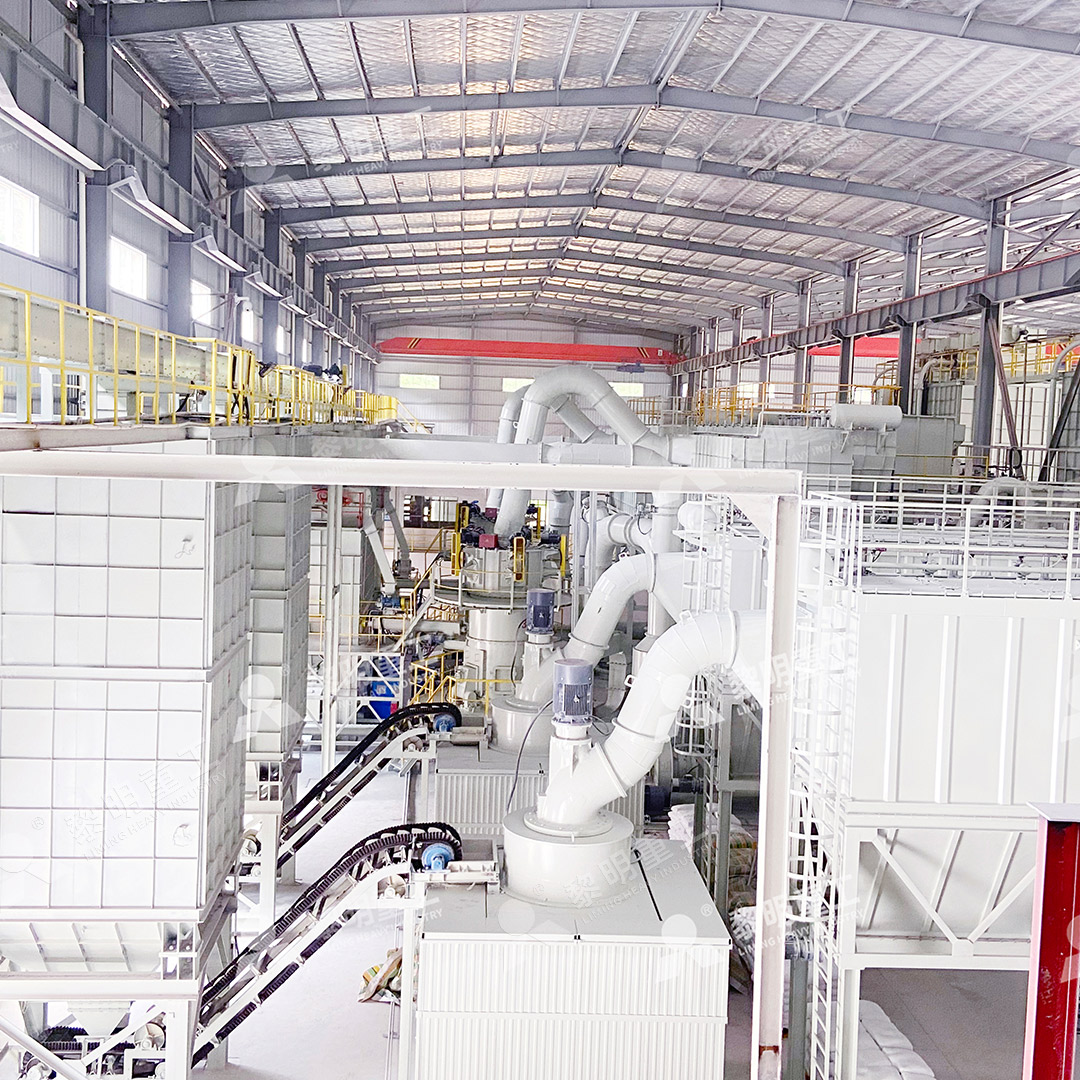
For larger scale production needs where vertical integration is key, our LUM Ultrafine Vertical Grinding Mill is another excellent choice. Integrating grinding, grading, and transporting, it boasts higher yielding rates and better quality finished product, often with 30%-50% lower energy consumption compared to common grinding mills. Its reversible structure also makes maintenance quicker and easier, reducing downtime.
Conclusion
In summary, grinding is the essential process that unlocks limestone’s immense industrial value. From building our cities and growing our food to enhancing everyday products like paper, plastic, and paint, ground limestone is an indispensable material. Investing in the right, modern grinding technology is not just about reducing rock to powder; it’s about maximizing product value, optimizing operational efficiency, and accessing the most profitable market segments. The journey from quarry to high-value product begins with a single grind.