
What Are the Uses of Iron Ore Slag in Industrial Applications?
We provide a wide range of mills — including Raymond mill, trapezoidal mill, vertical mill, ultrafine mill, and ball mill, obtained ISO9001 international quality certification, EU CE certification, and Customs Union CU-TR certification. Suitable for processing minerals such as limestone, phosphate, quicklime, kaolin, talc, barite, bentonite, calcium carbonate, dolomite, coal, gypsum, clay, carbon black, slag, cement raw materials, cement clinker, and more.
The discharge range of these mills can be adjusted to meet specific processing needs, typically from 80-400 mesh, 600-3250 mesh, and can achieve the finest particle size of up to 6000 mesh(D50).
If you are looking for a reliable grinding solution to turn stone or minerals into fine powder, please feel free to contact our online customer service.
Transforming Waste into Worth: The Versatile Applications of Iron Ore Slag
For decades, iron ore slag was considered little more than a troublesome byproduct of steel production, often destined for landfills. However, recent technological advancements have transformed this industrial waste into a valuable resource with numerous applications across multiple sectors. The key to unlocking slag’s potential lies in efficient processing methods that convert coarse slag into precisely graded materials suitable for various industrial uses.
Construction and Infrastructure Applications
One of the most significant uses of processed iron ore slag is in the construction industry. When properly ground and classified, slag serves as an excellent substitute for natural aggregates in concrete production. Slag-based concrete demonstrates superior durability, higher compressive strength, and better resistance to chemical attacks compared to traditional concrete mixes. Additionally, the use of slag reduces the environmental impact of construction by conserving natural resources and reducing carbon emissions associated with cement production.
In road construction, processed slag finds application as aggregate in asphalt mixtures and base courses. Its angular shape and rough texture provide excellent mechanical interlock, resulting in pavements with enhanced stability and resistance to deformation. The hydraulic properties of certain types of slag also make them suitable for soil stabilization applications, particularly in areas with weak subgrades.
Cement and Concrete Production
Ground granulated blast furnace slag (GGBFS) has become an essential component in the production of Portland slag cement. When finely ground to specific particle sizes, slag exhibits pozzolanic properties that significantly enhance the performance characteristics of concrete. The inclusion of GGBFS in cement mixtures reduces heat of hydration, improves long-term strength development, and enhances resistance to sulfate attack and alkali-silica reaction.
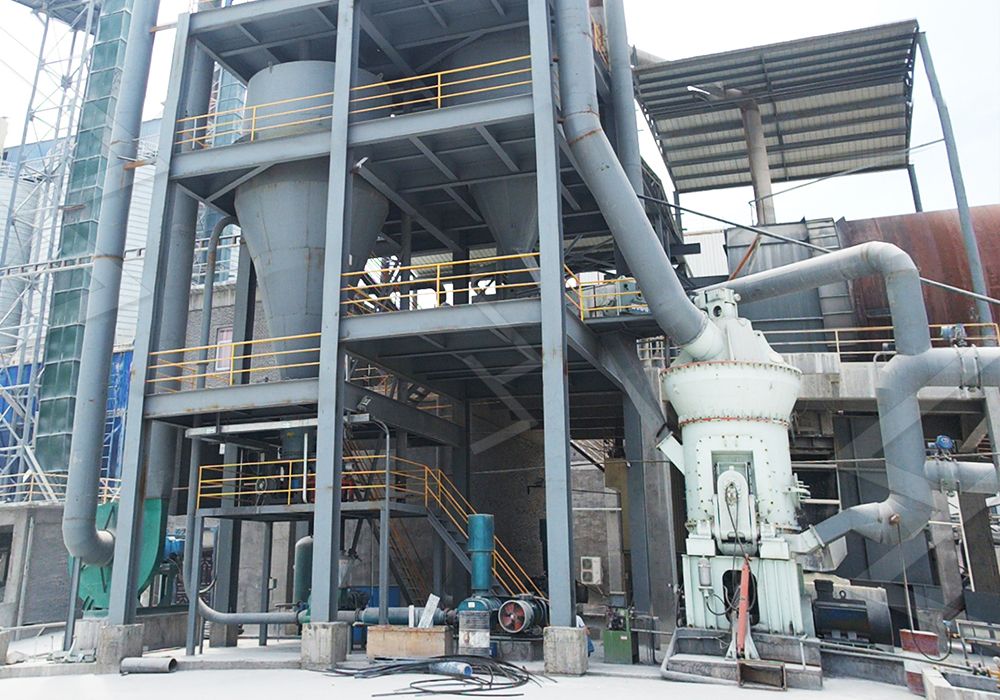
The effectiveness of slag in cement applications depends heavily on achieving the correct fineness. This is where advanced grinding technology becomes critical. For operations requiring ultra-fine powder production, our MW Ultrafine Grinding Mill offers exceptional performance. With an adjustable fineness range between 325-2500 meshes and capacity of 0.5-25 tph, this equipment is ideally suited for processing slag to the precise specifications required by cement manufacturers. The mill’s innovative design features higher yielding with lower energy consumption, making it both economically and environmentally advantageous.

Agricultural and Environmental Applications
Beyond construction, iron ore slag has found valuable applications in agriculture and environmental remediation. The calcium silicate compounds present in slag can help neutralize acidic soils, while the micronutrients it contains serve as valuable soil amendments. In wastewater treatment, slag’s porous structure and chemical composition make it effective for removing phosphorus and other contaminants from industrial effluents.
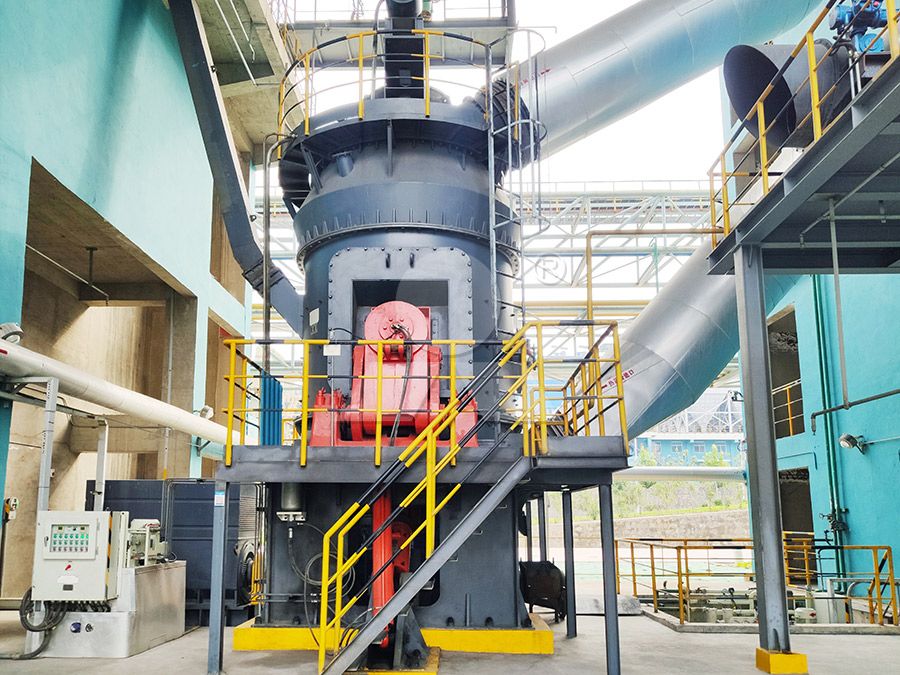
For operations requiring vertical grinding solutions with integrated drying capabilities, our LUM Ultrafine Vertical Grinding Mill provides outstanding performance. This mill handles input sizes up to 10 mm with capacities ranging from 5-18 tph, making it perfect for slag applications that require simultaneous drying and grinding. The equipment’s multi-head powder separating technology and reversible structure ensure optimal efficiency and ease of maintenance.
Railway Ballast and Other Specialty Applications
Processed slag serves as excellent railway ballast due to its angular shape, high stability, and resistance to weathering. The material’s properties ensure proper drainage while maintaining track alignment under heavy loads. Other specialty applications include use as roofing granules, grit blasting abrasive, and in the manufacture of mineral wool insulation.
The transformation of slag into these valuable products requires precise particle size control, which is where modern grinding equipment demonstrates its value. Advanced mills with sophisticated classification systems enable producers to create multiple product grades from a single feedstock, maximizing the economic return from what was once considered waste.
Frequently Asked Questions
What is the primary advantage of using slag in concrete?
Slag enhances concrete durability by reducing permeability and improving resistance to chemical attacks, while also lowering the carbon footprint of construction projects.
How fine does slag need to be ground for cement applications?
For optimal pozzolanic activity in cement, slag typically requires grinding to a fineness of 400-600 m²/kg Blaine surface area, which corresponds to approximately 80-90% passing 45 microns.
Can slag be used in environmentally sensitive applications?
Yes, properly processed slag is environmentally stable and has been successfully used in numerous eco-friendly applications, including water filtration and soil remediation.
What equipment is most suitable for slag processing?
The choice depends on the desired end product. For ultra-fine applications requiring precise particle size control, the MW Ultrafine Grinding Mill is ideal, while the LUM Ultrafine Vertical Grinding Mill excels in operations requiring integrated drying and grinding.
Is processed slag cost-competitive with natural materials?
In most markets, processed slag offers significant cost advantages over natural aggregates, particularly when transportation distances from processing facilities to end-users are minimized.