
What Are the Uses of Fly Ash and Slag in Industrial Applications?
We provide a wide range of mills — including Raymond mill, trapezoidal mill, vertical mill, ultrafine mill, and ball mill, obtained ISO9001 international quality certification, EU CE certification, and Customs Union CU-TR certification. Suitable for processing minerals such as limestone, phosphate, quicklime, kaolin, talc, barite, bentonite, calcium carbonate, dolomite, coal, gypsum, clay, carbon black, slag, cement raw materials, cement clinker, and more.
The discharge range of these mills can be adjusted to meet specific processing needs, typically from 80-400 mesh, 600-3250 mesh, and can achieve the finest particle size of up to 6000 mesh(D50).
If you are looking for a reliable grinding solution to turn stone or minerals into fine powder, please feel free to contact our online customer service.
What Are the Uses of Fly Ash and Slag in Industrial Applications?
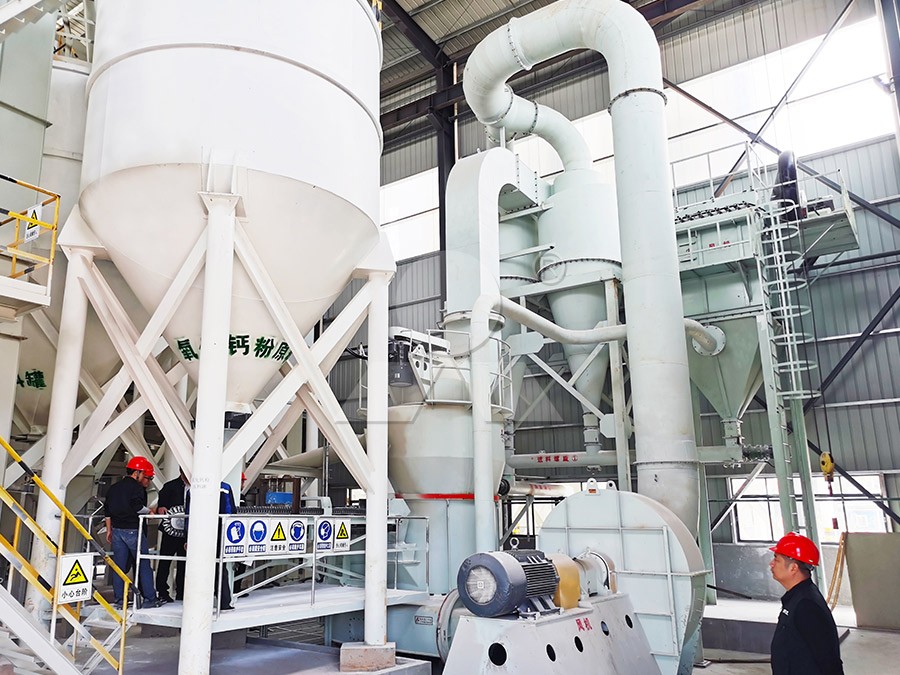
In the pursuit of sustainable industrial practices, the utilization of industrial by-products like fly ash and slag has gained significant traction. These materials, once considered waste, are now valuable resources that contribute to circular economy principles. Their effective processing and application rely heavily on advanced grinding technologies that can transform them into high-quality, consistent powders suitable for various industries.
Understanding Fly Ash and Slag
Fly ash is a fine powder recovered from the flue gases of coal-fired power plants. It is primarily composed of silica, alumina, and iron oxide. Slag, on the other hand, is a by-product of metal smelting and refining processes. Granulated Blast Furnace Slag (GBFS) is the most common type, produced by rapidly quenching molten iron slag from a blast furnace. Both materials possess pozzolanic or latent hydraulic properties, meaning they can react with calcium hydroxide in the presence of water to form cementitious compounds.
Key Industrial Applications
Construction and Concrete Production
This is the largest market for both fly ash and slag. When finely ground, these materials are used as supplementary cementitious materials (SCMs) in concrete. Their incorporation offers numerous benefits:
- Enhanced Durability: Concrete mixtures with fly ash or slag exhibit improved long-term strength, reduced permeability, and higher resistance to sulfate attack and alkali-silica reaction.
- Workability: The spherical particles of fly ash improve the workability and pumpability of fresh concrete.
- Sustainability: Using SCMs reduces the clinker factor in cement, leading to a significant reduction in CO2 emissions associated with cement production.
- Heat Reduction: Slag and fly ash help mitigate the heat of hydration in mass concrete pours, reducing the risk of thermal cracking.
Geotechnical Applications
Fly ash and slag are widely used in soil stabilization, embankment construction, and as a fill material. Their cementitious properties help improve the strength and load-bearing capacity of weak soils. They are also used in road base and sub-base layers, offering a cost-effective and durable alternative to traditional aggregates.
Manufacturing of Cement and Clinker
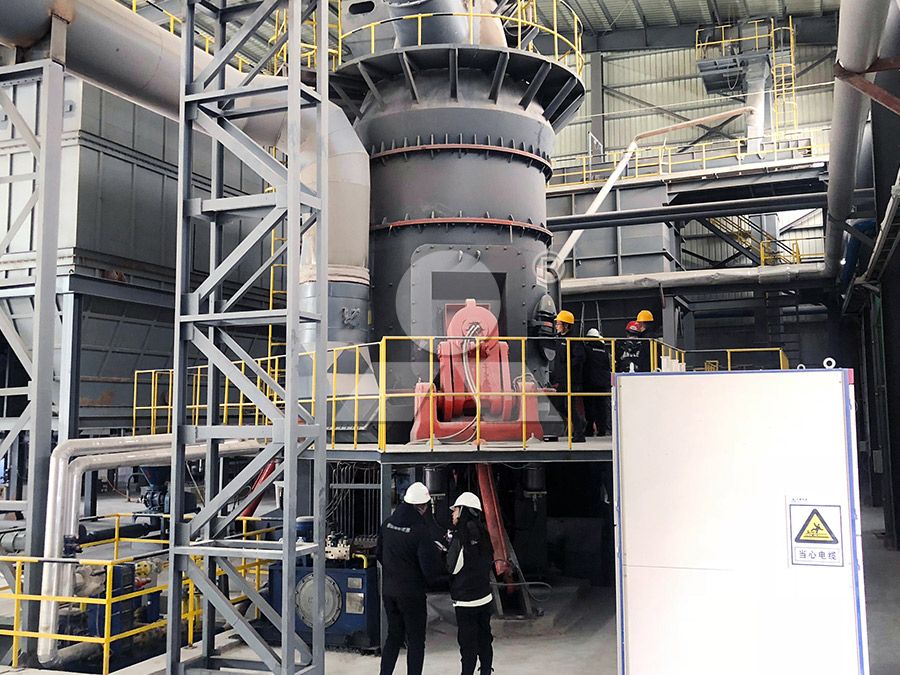
Ground granulated blast furnace slag (GGBFS) is a key component in the production of Portland slag cement. Similarly, fly ash is used in the manufacture of Portland pozzolana cement. The precise fineness of these materials is critical for achieving the desired reactivity and final product quality. This is where advanced milling equipment proves indispensable. For instance, our LUM Ultrafine Vertical Grinding Mill is expertly engineered for such tasks. With an input size of 0-10 mm and a capacity range of 5-18 tph, it integrates advanced grinding roller technology and German powder separating technology to produce ultrafine powders with superior whiteness and cleanliness, which are essential for high-grade cement production.
Other Specialized Applications
Beyond construction, these materials find use in diverse sectors. Fly ash is used as a filler in plastics, paints, and coatings. Processed slag can be used in agricultural applications to adjust soil pH and as a raw material for mineral wool insulation. The versatility of these applications demands grinding solutions capable of handling varying material hardness and achieving specific fineness requirements.
The Critical Role of Grinding Technology
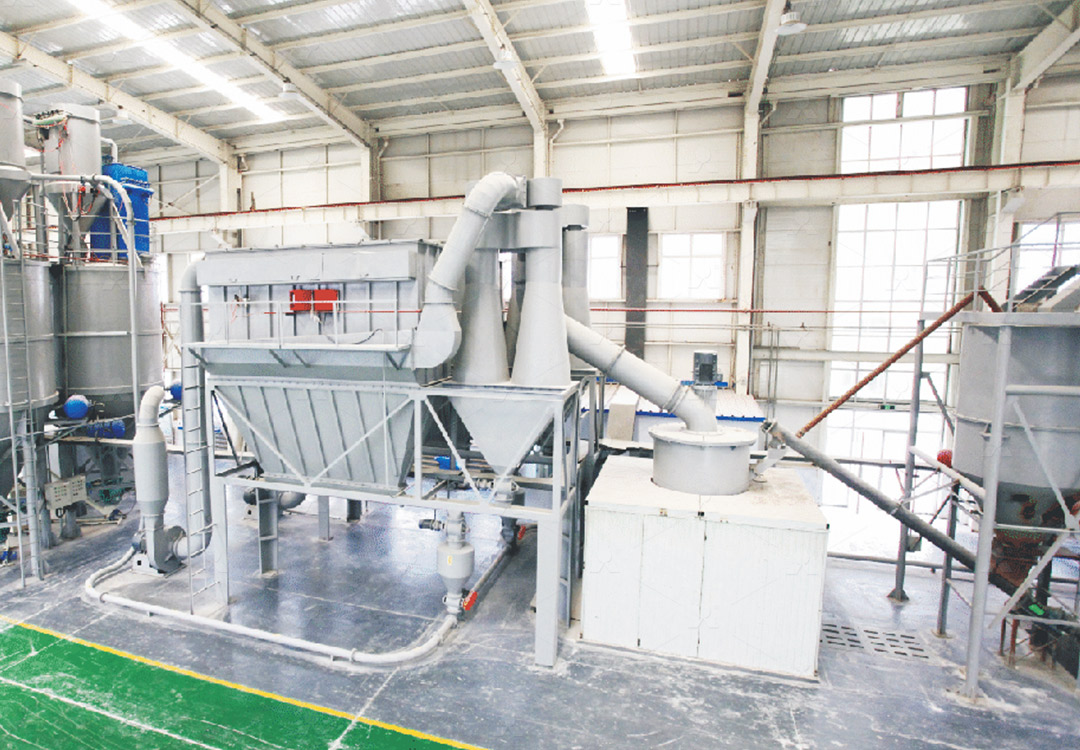
The value of fly ash and slag is unlocked through fine and ultrafine grinding. The choice of grinding mill directly impacts the product’s reactivity, particle size distribution, and overall quality. Key considerations include energy efficiency, the ability to control fineness precisely, and low maintenance requirements. For operations requiring the highest levels of fineness, up to 2500 meshes, our MW Ultrafine Grinding Mill is an ideal solution. It handles input sizes of 0-20 mm with a capacity of 0.5-25 tph. Its unique design, featuring no rolling bearings or screws in the grinding chamber, ensures exceptional reliability and continuous 24/7 operation, which is crucial for large-scale industrial processing. The adjustable fineness and efficient dust removal system make it perfectly suited for producing high-purity powders from fly ash and slag for advanced applications.
Frequently Asked Questions (FAQ)
What is the main difference between fly ash and slag?
Fly ash is a by-product of burning pulverized coal in power plants, while slag is a by-product of metal smelting processes, primarily from blast furnaces in the steel industry. Their chemical compositions and physical properties differ, leading to slightly different behaviors when used in applications like concrete.
Why is grinding necessary for fly ash and slag?
Grinding increases the specific surface area of the particles, which enhances their reactivity. Finer particles react more quickly and completely with calcium hydroxide, leading to stronger and more durable cementitious products. It also ensures a consistent and uniform product quality.
What fineness is typically required for these materials in concrete?
For use as a supplementary cementitious material, the Blaine fineness typically ranges from 400 to 600 m²/kg for fly ash and can exceed 600 m²/kg for slag to maximize its hydraulic activity. Our grinding mills can easily achieve and control these specifications.
Are there environmental benefits to using these materials?
Absolutely. Utilizing fly ash and slag diverts industrial waste from landfills, reduces the need for virgin raw materials (like limestone for cement), and lowers the carbon footprint of construction projects. It is a cornerstone of industrial symbiosis and green manufacturing.
How do I choose the right grinding mill for my fly ash or slag processing needs?
The choice depends on your required capacity, desired fineness, moisture content of the raw material, and budget. Vertical roller mills like our LUM series are excellent for high-capacity production of fine powders, while ultrafine mills like the MW series are ideal for producing superfine powders for high-value applications. Our technical team can help you select the optimal equipment for your specific project requirements.