
What Are the Common Industrial Uses of Ground Limestone Slag?
We provide a wide range of mills — including Raymond mill, trapezoidal mill, vertical mill, ultrafine mill, and ball mill, obtained ISO9001 international quality certification, EU CE certification, and Customs Union CU-TR certification. Suitable for processing minerals such as limestone, phosphate, quicklime, kaolin, talc, barite, bentonite, calcium carbonate, dolomite, coal, gypsum, clay, carbon black, slag, cement raw materials, cement clinker, and more.
The discharge range of these mills can be adjusted to meet specific processing needs, typically from 80-400 mesh, 600-3250 mesh, and can achieve the finest particle size of up to 6000 mesh(D50).
If you are looking for a reliable grinding solution to turn stone or minerals into fine powder, please feel free to contact our online customer service.
What Are the Common Industrial Uses of Ground Limestone Slag?
Ground limestone slag, a versatile byproduct of various industrial processes, has found its way into numerous applications across multiple sectors. Its unique chemical and physical properties make it an invaluable resource, transforming what was once considered waste into a valuable commodity. The process of grinding this material to specific fineness levels is crucial for unlocking its full potential, and this is where advanced milling technology plays a pivotal role.
Construction and Building Materials
One of the primary applications of ground limestone slag is in the construction industry. When finely ground, it serves as an excellent supplementary cementitious material (SCM) in concrete production. The addition of limestone slag improves the workability and durability of concrete while reducing its permeability. This results in structures with enhanced resistance to chemical attacks and a longer service life. Furthermore, its use in concrete contributes to sustainability efforts by reducing the carbon footprint associated with traditional cement production.
Agriculture and Soil Amendment
Agricultural sectors extensively utilize ground limestone slag as a soil conditioner. Its high calcium content helps neutralize acidic soils, creating optimal pH conditions for plant growth. Farmers appreciate its slow-release properties, which provide long-term soil stabilization benefits. The fine particles ensure even distribution and rapid reaction with soil compounds, making it more effective than traditional agricultural lime in many applications.
Environmental Applications
Environmental engineers have discovered valuable applications for ground limestone slag in pollution control and waste treatment. Its alkaline nature makes it ideal for neutralizing acidic waste streams from industrial processes and mining operations. In flue gas desulfurization systems, it effectively captures sulfur dioxide emissions from power plants, contributing to cleaner air quality. Additionally, its use in wastewater treatment helps precipitate heavy metals and adjust pH levels.
Metallurgical Applications
In steel production, ground limestone slag serves as fluxing material in blast furnaces. It helps remove impurities from iron ore during the smelting process, forming slag that is easily separated from molten metal. The controlled fineness of the ground material ensures efficient reaction rates and optimal furnace performance. This application demonstrates how industrial byproducts can be recycled within the same industry, creating a circular economy model.
Advanced Grinding Solutions for Limestone Slag
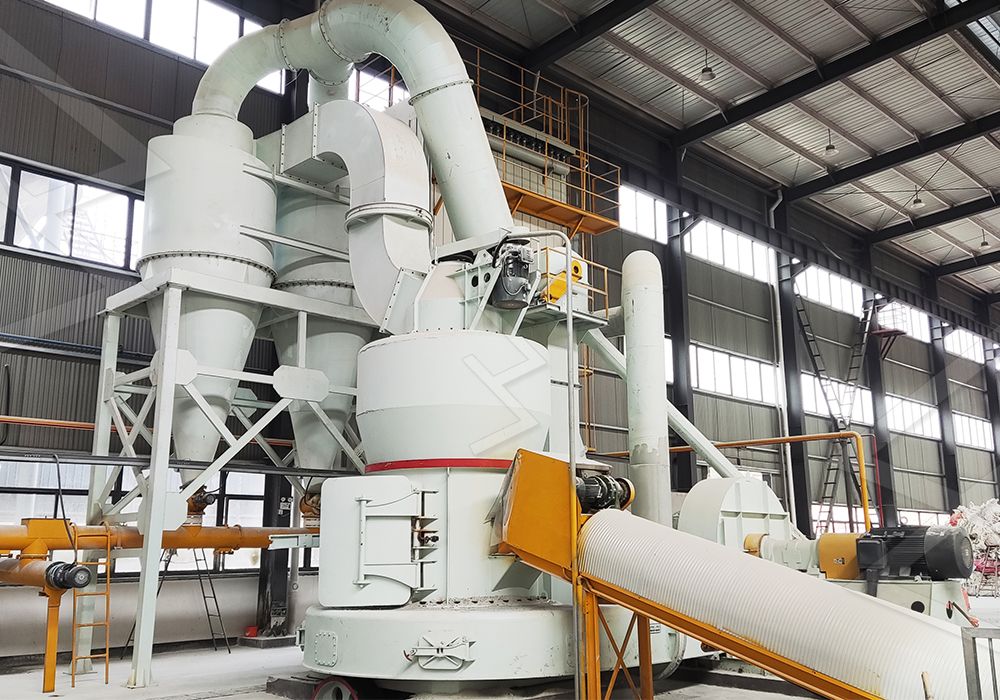
The effectiveness of limestone slag in these applications heavily depends on achieving the correct particle size distribution. This is where LIMING’s MW Ultrafine Grinding Mill demonstrates exceptional capability. Designed specifically for ultra-fine powder production, this mill handles input sizes of 0-20 mm with capacities ranging from 0.5-25 tph. Its innovative design features higher yielding rates with lower energy consumption – achieving 40% higher production capacity than jet grinding mills while using only 30% of the energy.
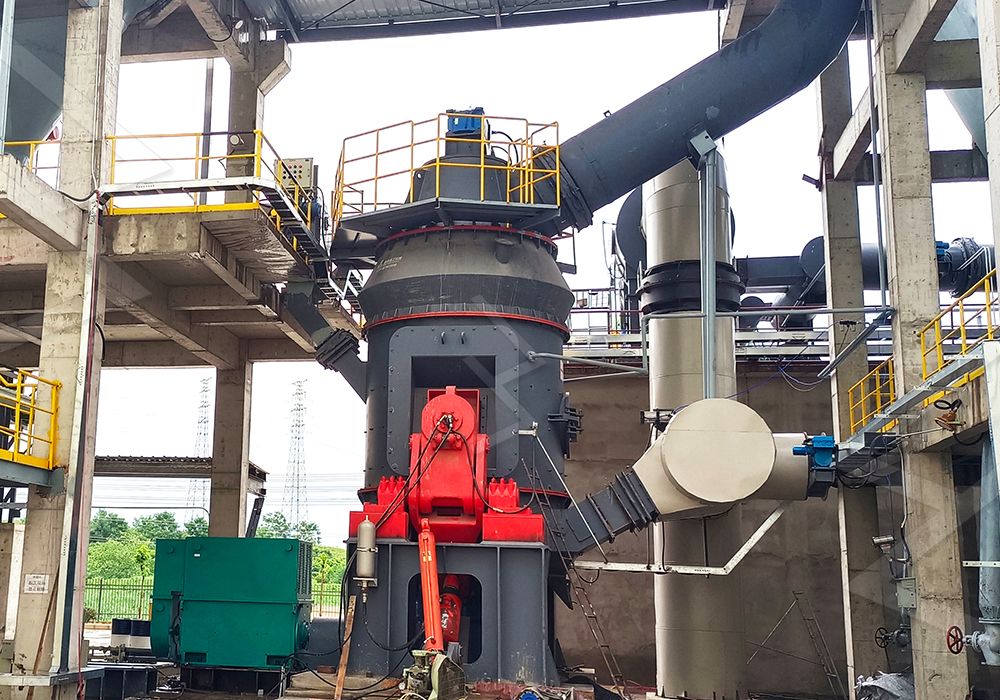
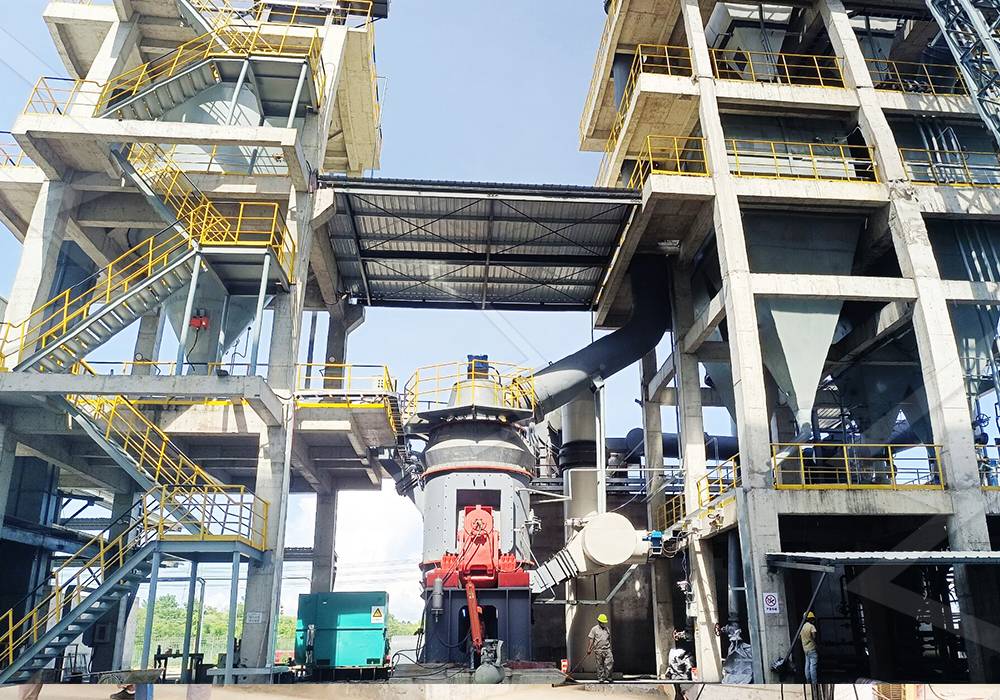
For operations requiring even finer control, the LUM Ultrafine Vertical Grinding Mill offers remarkable precision. With an input size of 0-10 mm and capacity of 5-18 tph, this mill incorporates the latest Taiwanese grinding roller technology and German powder separating technology. Its multi-head powder separating technology solves the dual challenges of high-precision cutting and fast switching between different production demands, reducing energy consumption by 30%-50% compared to conventional mills.
Frequently Asked Questions
What particle size can be achieved with ground limestone slag?
Modern grinding mills like the MW Ultrafine Grinding Mill can achieve fineness between 325-2500 meshes, with screening rates reaching d97≤5μm in a single pass.
How does ground limestone slag benefit concrete production?
It improves workability, reduces permeability, enhances durability, and contributes to sustainability by reducing the carbon footprint of concrete production.
Can the same grinding equipment handle different materials?
Yes, equipment like LIMING’s MW Mill can process various materials including limestone, calcite, dolomite, petroleum coal, gypsum, barite, and marble, among others.
What environmental advantages does ground limestone slag offer?
It helps neutralize acidic soils, captures sulfur dioxide emissions, treats wastewater, and represents a recycling solution for industrial byproducts.
How does the energy consumption of modern grinding mills compare to traditional equipment?
Advanced mills like the LUM Ultrafine Vertical Grinding Mill reduce energy consumption by 30%-50% compared to conventional grinding mills while achieving higher production rates.