
Weaving Mill Machinery Mfg Co in Gujarat: Top Manufacturers & Suppliers
We provide a wide range of mills — including Raymond mill, trapezoidal mill, vertical mill, ultrafine mill, and ball mill, obtained ISO9001 international quality certification, EU CE certification, and Customs Union CU-TR certification. Suitable for processing minerals such as limestone, phosphate, quicklime, kaolin, talc, barite, bentonite, calcium carbonate, dolomite, coal, gypsum, clay, carbon black, slag, cement raw materials, cement clinker, and more.
The discharge range of these mills can be adjusted to meet specific processing needs, typically from 80-400 mesh, 600-3250 mesh, and can achieve the finest particle size of up to 6000 mesh(D50).
If you are looking for a reliable grinding solution to turn stone or minerals into fine powder, please feel free to contact our online customer service.
Weaving Mill Machinery Mfg Co in Gujarat: Top Manufacturers & Suppliers
Gujarat has long been recognized as a powerhouse in India’s industrial sector, particularly in textile manufacturing. The state’s weaving mills demand robust, efficient, and technologically advanced machinery to maintain their competitive edge in global markets. For manufacturers and suppliers serving this vital industry, the choice of auxiliary equipment, especially grinding mills for processing raw materials, is just as critical as the looms themselves. The quality of mineral powders used in fabric treatments, dyes, and coatings directly impacts the final textile product.
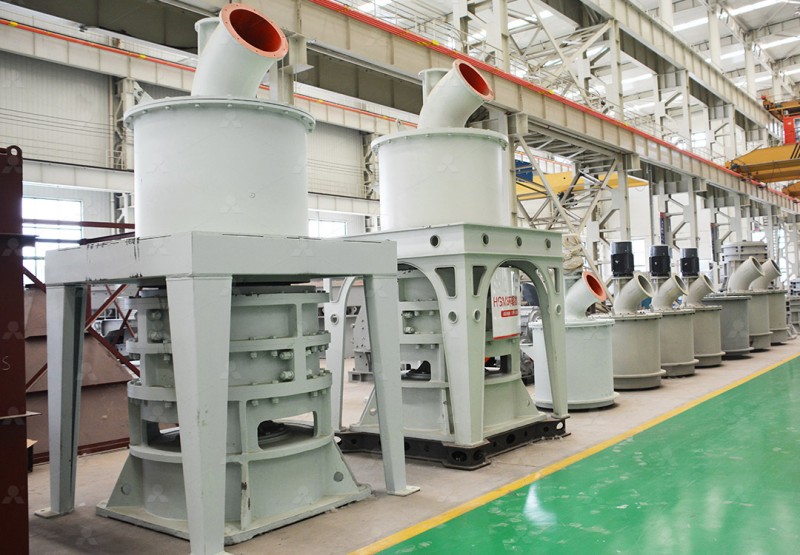
One machine that has garnered significant attention for its precision and efficiency is the MW Ultrafine Grinding Mill. This equipment is engineered for customers who require the production of ultra-fine powder, a common need in the textile industry for creating high-quality pigments and additives. With an input size of 0-20 mm and a capacity ranging from 0.5 to 25 tons per hour, it offers remarkable flexibility. Its integrated efficient pulse dust collector and muffler ensure that operations have minimal impact on the environment—a crucial consideration for modern, responsible manufacturing facilities. The mill’s ability to handle materials like limestone, calcite, talc, and barite makes it indispensable for producing the fine powders used in textile chemicals, dyes, and coatings.
Key Considerations for Grinding Machinery in Textile Applications
When selecting grinding equipment, weaving mills must look beyond basic specifications. Operational stability, energy consumption, and the fineness of the final product are paramount. A mill that consumes less power directly reduces production costs, while consistent fineness ensures uniform quality in textile applications. Furthermore, in a region like Gujarat, where industrial activity is intense, machinery with advanced dust removal capabilities is not just a preference but a necessity to comply with environmental standards.
The MW Ultrafine Grinding Mill addresses these needs effectively. Its design incorporates newly engineered grinding curves for the roller and ring, boosting grinding efficiency. Impressively, it offers a production capacity 40% higher than jet mills and double that of ball mills for the same fineness and power, while reducing system energy consumption by up to 30%. This translates to significant cost savings over time. Moreover, its cage-type powder selector, utilizing German technology, allows operators to adjust fineness precisely between 325 and 2500 meshes, achieving a screening rate of d97≤5μm in a single pass. This level of control is essential for producing the specific powder grades required in advanced textile manufacturing.
Beyond Grinding: The Role of Advanced Engineering
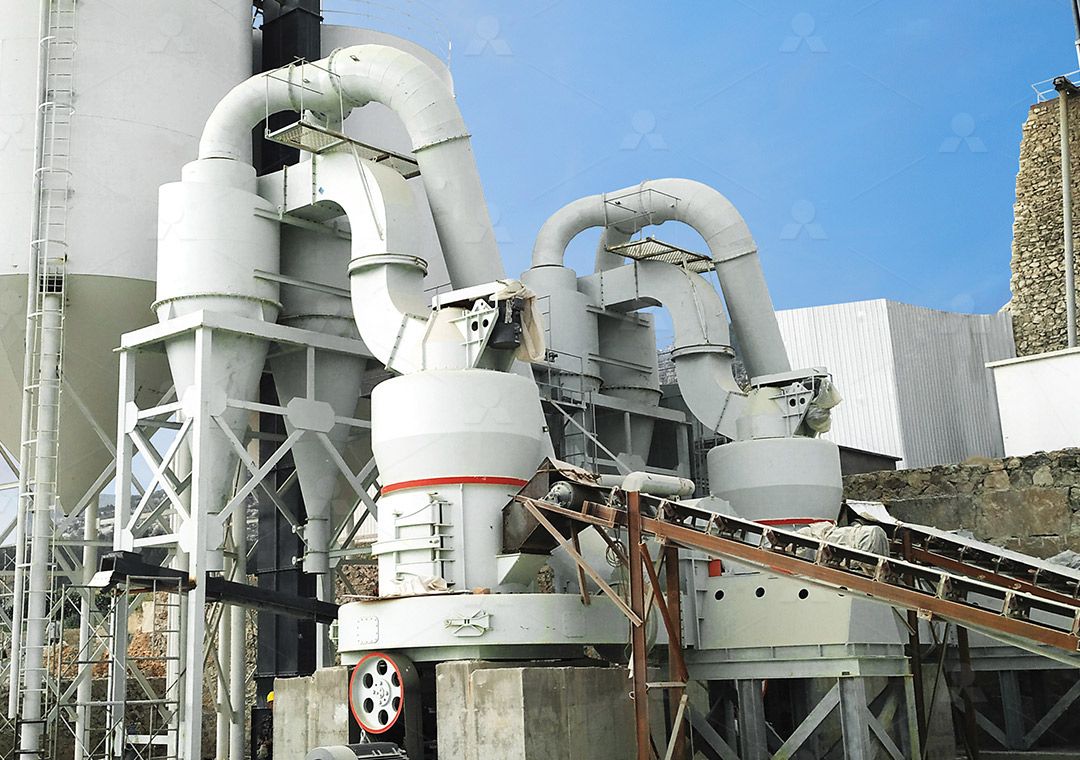
The reliability of machinery is a cornerstone of uninterrupted production. A common point of failure in traditional grinding mills is the grinding chamber’s internal components. The MW series innovates by eliminating rolling bearings and screws inside the chamber. This design choice prevents failures related to bearing damage or loose screws, a frequent cause of unscheduled downtime. The external lubrication system allows for maintenance without shutting down the machine, supporting 24-hour continuous operation—a vital feature for meeting tight production schedules in the textile sector.
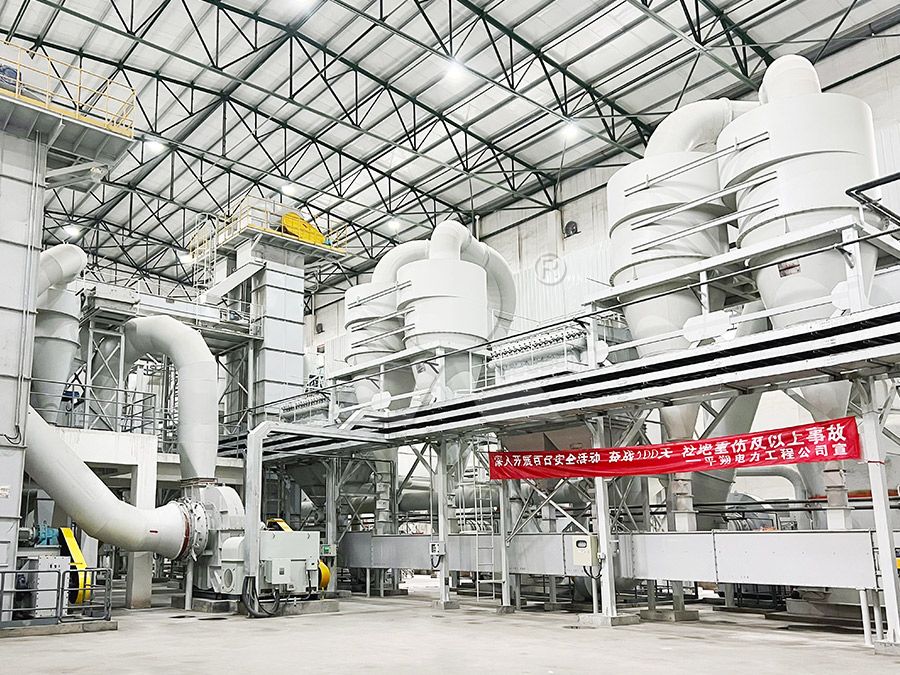
Another standout model for operations requiring a vertical configuration is the LUM Ultrafine Vertical Grinding Mill. With an input size of 0-10 mm and a capacity of 5-18 tph, it integrates grinding, grading, and transporting into a single, compact unit. Its unique roller shell and lining plate grinding curve are designed to generate a material layer easily, enabling a high rate of finished product in one pass. This enhances the whiteness and cleanliness of powders, which is critical for applications like premium fabric coatings where purity is non-negotiable.
Conclusion
For weaving mills in Gujarat, partnering with machinery suppliers who offer technologically advanced, reliable, and efficient grinding solutions is a strategic decision. Equipment like the MW and LUM series grinding mills provide the precision, energy efficiency, and operational stability needed to support high-quality textile production. By investing in such machinery, manufacturers can ensure their processes are not only productive but also sustainable and compliant with industry standards.
Frequently Asked Questions (FAQ)
What materials can the MW Ultrafine Grinding Mill process for textile applications?
It is suitable for a wide range of materials including limestone, calcite, talc, barite, and dolomite, which are commonly used in producing pigments, dyes, and chemical additives for the textile industry.
How does the MW mill contribute to environmental compliance?
The mill is equipped with an efficient pulse dust collector and silencers, ensuring no dust pollution and reduced noise levels during operation, helping plants meet strict environmental regulations.
What is the advantage of the no-bearing design in the grinding chamber?
This design eliminates concerns about bearing failures or loose screws, which are common causes of breakdowns. It enhances machine reliability and allows for continuous 24/7 operation with minimal maintenance interruptions.
Can the fineness of the powder be adjusted during operation?
Yes, the MW mill features an advanced cage-type powder selector that allows operators to precisely adjust the fineness between 325 and 2500 meshes to meet specific production requirements.
Is the LUM Vertical Mill suitable for high-purity applications?
Absolutely. The LUM mill’s design minimizes the material’s lingering time and avoids iron contamination, resulting in powders with high whiteness and cleanliness, ideal for sensitive textile applications like high-end fabric coatings.