
Volcaniclastic Rock Vertical Mill for Fine Powder Production
We provide a wide range of mills — including Raymond mill, trapezoidal mill, vertical mill, ultrafine mill, and ball mill, obtained ISO9001 international quality certification, EU CE certification, and Customs Union CU-TR certification. Suitable for processing minerals such as limestone, phosphate, quicklime, kaolin, talc, barite, bentonite, calcium carbonate, dolomite, coal, gypsum, clay, carbon black, slag, cement raw materials, cement clinker, and more.
The discharge range of these mills can be adjusted to meet specific processing needs, typically from 80-400 mesh, 600-3250 mesh, and can achieve the finest particle size of up to 6000 mesh(D50).
If you are looking for a reliable grinding solution to turn stone or minerals into fine powder, please feel free to contact our online customer service.
Harnessing Volcanic Power: Advanced Grinding Solutions for Volcaniclastic Materials
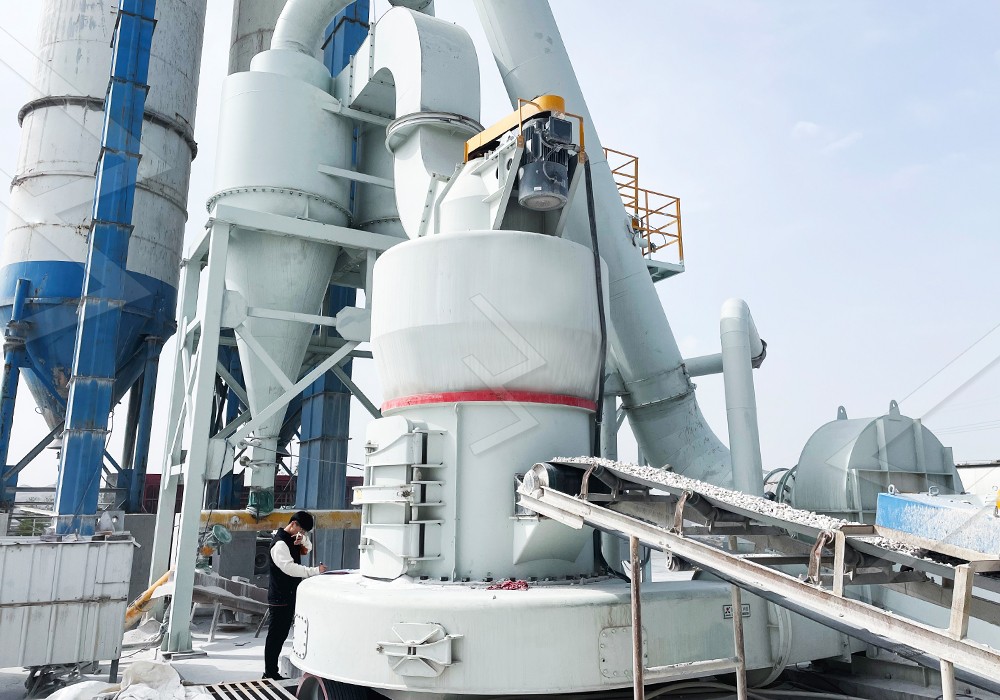
The processing of volcaniclastic rocks presents unique challenges for mineral processing operations worldwide. These materials, formed from volcanic fragments and ash deposits, require specialized grinding equipment capable of handling their abrasive nature while producing the ultra-fine powders demanded by modern industries. As volcaniclastic deposits gain prominence in construction, agriculture, and industrial applications, the need for efficient grinding technology has never been greater.
The Volcaniclastic Challenge: Why Conventional Mills Fall Short
Volcaniclastic materials possess distinctive characteristics that complicate grinding operations. Their variable hardness, ranging from relatively soft ash particles to extremely hard volcanic glass fragments, creates inconsistent grinding resistance. Additionally, the abrasive nature of these materials accelerates wear on conventional mill components, leading to increased maintenance costs and production downtime. The presence of multiple mineral phases within single deposits further complicates achieving consistent particle size distribution.
Traditional ball mills and Raymond mills often struggle with these challenges, resulting in inefficient energy usage, excessive wear part replacement, and inconsistent product quality. The solution lies in vertical grinding technology specifically engineered for tough materials and precise particle control.
Revolutionary Grinding Technology: The MW Ultrafine Grinding Mill Advantage
For operations processing volcaniclastic rocks, the MW Ultrafine Grinding Mill represents a technological breakthrough. This advanced mill system handles input sizes of 0-20 mm with production capacities ranging from 0.5 to 25 tph, making it ideal for various scale operations. What truly sets this equipment apart is its ability to produce powders between 325-2500 meshes with exceptional precision, a critical requirement for volcaniclastic applications where particle size directly affects product performance.
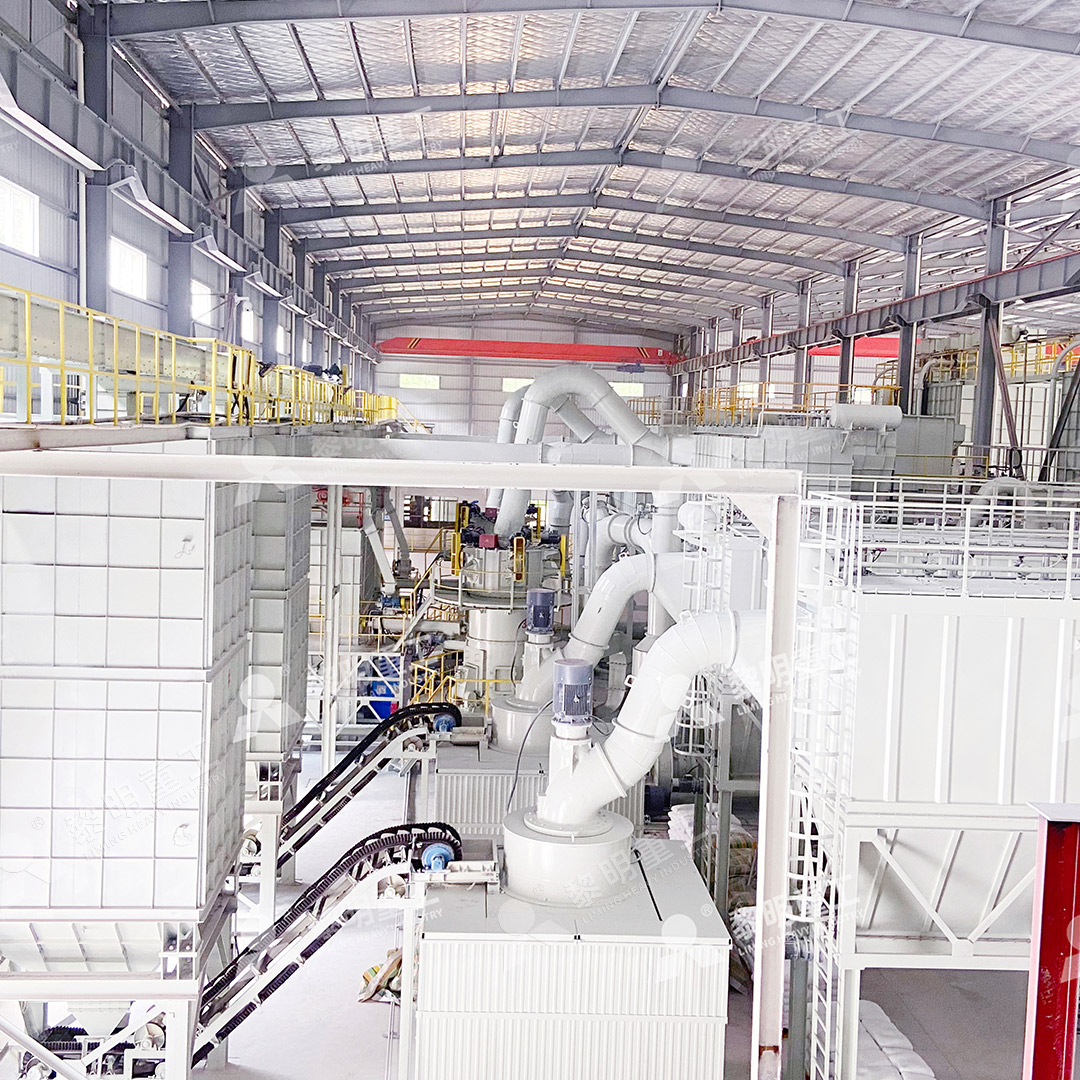
The MW series incorporates German cage-type powder selector technology, which dramatically improves separation accuracy. This is particularly valuable for volcaniclastic materials, where consistent fineness ensures optimal performance in downstream applications. The mill’s innovative design eliminates rolling bearings and screws within the grinding chamber, addressing the primary wear concerns associated with abrasive volcanic materials.
Engineering Excellence: Key Features for Volcaniclastic Processing
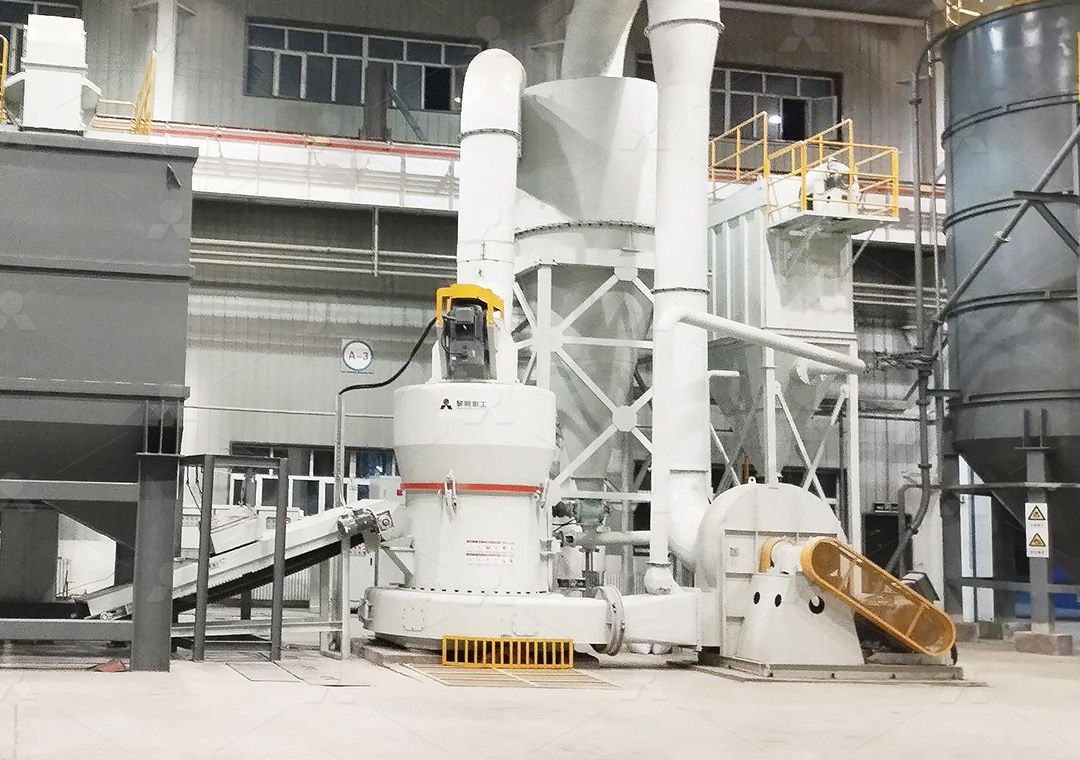
When processing volcaniclastic rocks, several engineering features prove particularly beneficial. The higher yielding and lower energy consumption characteristics of the MW Ultrafine Grinding Mill directly address the economic challenges of volcanic material processing. Production capacity increases of 40% compared to jet grinding mills, coupled with energy consumption reductions of up to 70%, significantly improve operational economics.
The environmental considerations of volcaniclastic processing cannot be overlooked. The integrated pulse dust collector and muffler system ensures compliance with stringent environmental regulations while maintaining worker safety. This is especially important given the potential respiratory hazards associated with fine volcanic dust.
Practical Applications: From Raw Material to Value-Added Product
Processed volcaniclastic powders find applications across multiple industries. In construction, they serve as pozzolanic additives in cement production, enhancing durability and reducing carbon footprint. The agricultural sector utilizes these powders as soil conditioners and nutrient carriers. Industrial applications include fillers in plastics, paints, and ceramics, where their unique mineral composition provides functional benefits.
The versatility of the MW Ultrafine Grinding Mill extends beyond volcaniclastic rocks to handle limestone, calcite, dolomite, and other non-metallic minerals. This flexibility allows operations to process multiple material types with minimal equipment adjustments, maximizing equipment utilization and return on investment.
Operational Considerations: Maximizing Efficiency and Longevity
Successful volcaniclastic processing requires attention to several operational factors. Moisture content management proves crucial, as volcanic materials often contain variable water content that affects grinding efficiency. The MW mill’s design accommodates these variations while maintaining consistent output quality.
Maintenance planning represents another critical consideration. The external lubrication system and accessible component design significantly reduce maintenance downtime. Combined with comprehensive spare parts support, these features ensure continuous operation essential for profitable volcaniclastic processing.
Future Outlook: The Evolving Landscape of Volcaniclastic Processing
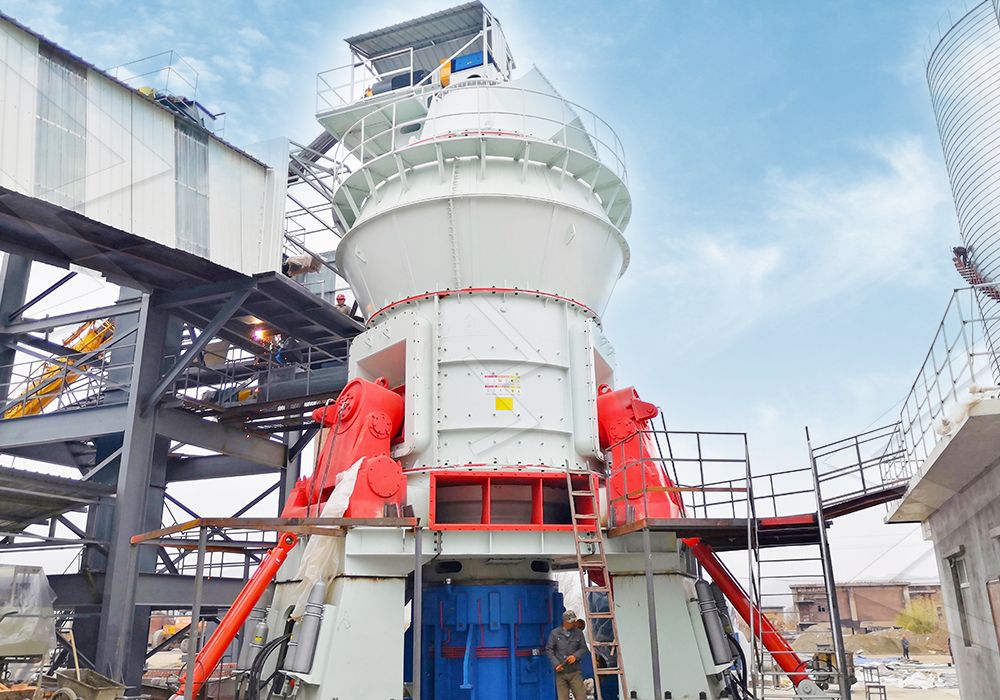
As demand for sustainable building materials and industrial fillers grows, volcaniclastic rocks are positioned to play an increasingly important role in global markets. Advanced grinding technology like the MW Ultrafine Grinding Mill enables operators to transform these abundant natural resources into high-value products efficiently and economically.
The integration of digital control systems and automated monitoring further enhances processing capabilities, allowing real-time adjustment of grinding parameters to accommodate variations in raw material characteristics. This technological evolution continues to push the boundaries of what’s possible in mineral processing.
Frequently Asked Questions
What makes volcaniclastic rocks particularly challenging to grind?
Volcaniclastic materials present multiple grinding challenges due to their variable hardness, abrasive composition, and mixed mineralogy. The presence of both soft ash particles and extremely hard volcanic glass fragments creates inconsistent grinding resistance that conventional mills struggle to handle efficiently.
How does the MW Ultrafine Grinding Mill address wear concerns with abrasive materials?
The MW series incorporates several anti-wear features including the elimination of rolling bearings and screws in the grinding chamber, specialized wear-resistant materials in critical components, and an external lubrication system that prevents contamination and extends component life.
What particle size range can be achieved when processing volcaniclastic rocks?
The MW Ultrafine Grinding Mill produces powders between 325-2500 meshes (approximately 45-5 microns), with the capability to achieve d97≤5μm in a single pass. This fine powder range meets specifications for most industrial applications.
How does the energy consumption compare to traditional grinding methods?
The MW mill reduces energy consumption by 30-50% compared to jet mills and approximately 70% compared to traditional ball mills. This significant efficiency improvement directly lowers operational costs.
What production capacities are available for volcaniclastic processing?
The MW Ultrafine Grinding Mill handles capacities from 0.5 to 25 tph, accommodating various operation scales from pilot plants to full-scale production facilities.
How does the mill handle variations in raw material moisture content?
The integrated drying and grinding system accommodates moisture variations commonly found in volcaniclastic deposits. The negative pressure operation and air flow management ensure consistent processing regardless of initial moisture levels.
What environmental controls are incorporated into the system?
The mill features an efficient pulse dust collector that eliminates dust pollution, combined with silencers and noise reduction technology that maintain operation within environmental compliance standards.
How difficult is maintenance and what is the parts availability?
Maintenance is simplified through accessible design and external lubrication points. Comprehensive spare parts support ensures worry-free operation with minimal downtime for maintenance activities.