
Video of Water Slag Crusher and Smelting Waste Slag Ore Grinding Machine Operation
We provide a wide range of mills — including Raymond mill, trapezoidal mill, vertical mill, ultrafine mill, and ball mill, obtained ISO9001 international quality certification, EU CE certification, and Customs Union CU-TR certification. Suitable for processing minerals such as limestone, phosphate, quicklime, kaolin, talc, barite, bentonite, calcium carbonate, dolomite, coal, gypsum, clay, carbon black, slag, cement raw materials, cement clinker, and more.
The discharge range of these mills can be adjusted to meet specific processing needs, typically from 80-400 mesh, 600-3250 mesh, and can achieve the finest particle size of up to 6000 mesh(D50).
If you are looking for a reliable grinding solution to turn stone or minerals into fine powder, please feel free to contact our online customer service.
Transforming Industrial Byproducts into Valuable Resources
The efficient processing of industrial byproducts like water slag and smelting waste slag represents both an environmental imperative and an economic opportunity. These materials, when properly treated, can be transformed into valuable additives for cement, concrete, and other construction applications. The journey from raw, coarse slag to fine, usable powder requires specialized machinery designed for toughness, precision, and efficiency.
The Critical First Step: Primary Crushing
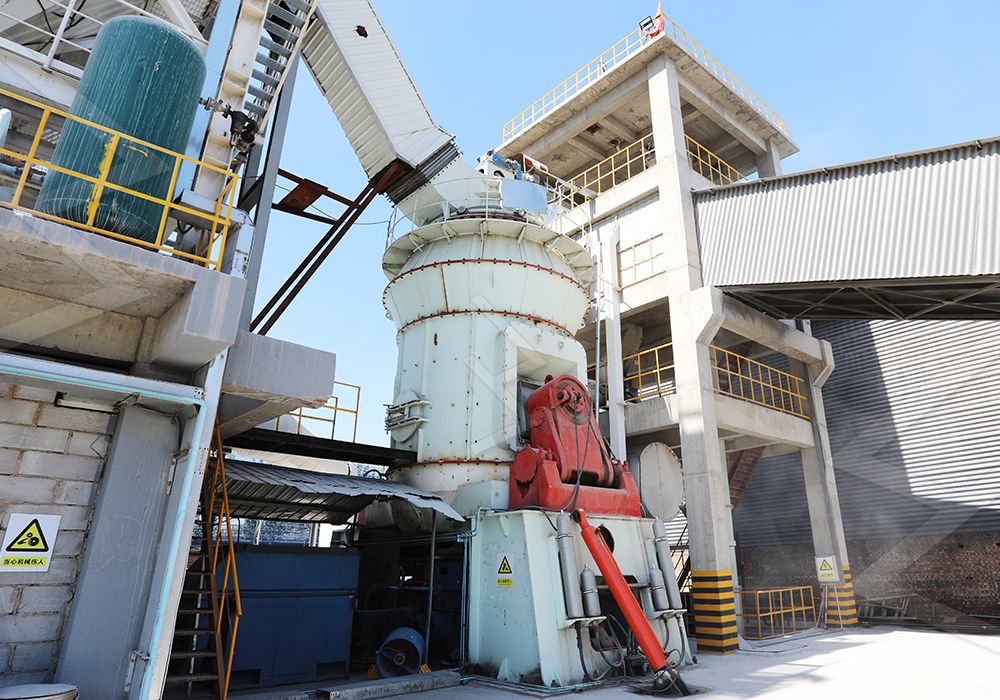
Initial processing begins with robust crushers that reduce large, irregular chunks of slag into a more manageable size. This primary crushing stage is vital for preparing the material for fine grinding. Modern crushers feature hardened alloy components to withstand the abrasive nature of slag, ensuring longevity and consistent performance. The goal is to achieve a uniform feed size that allows downstream grinding equipment to operate at peak efficiency.
The Heart of the Process: Fine Grinding Technology
Following crushing, the pre-sized slag enters the grinding phase. This is where the material is pulverized into the ultra-fine powders required for industrial use. The choice of grinding mill is paramount, impacting everything from product quality and energy consumption to operational costs.
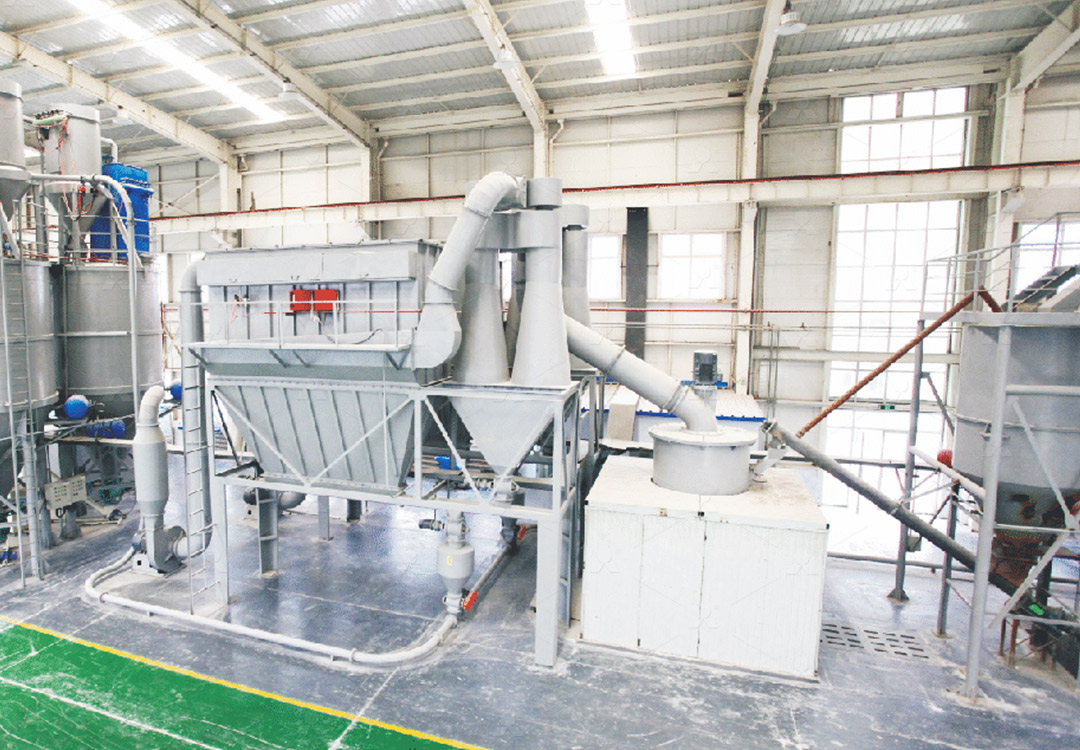
For operations requiring exceptionally fine powders in the range of 325 to 2500 meshes, the MW Ultrafine Grinding Mill is an exemplary solution. Engineered for customers who need to make ultra-fine powder, this mill boasts a capacity of 0.5-25 tph, handling feed sizes up to 20mm. Its design incorporates a highly efficient cage-type powder selector based on German technology, ensuring precise particle separation and adjustable fineness. A significant advantage is the absence of rolling bearings and screws in the grinding chamber, eliminating common failure points and allowing for external lubrication without shutdowns. Coupled with an efficient pulse dust collector and muffler, the MW Grinding Mill operates with minimal environmental impact, reducing both dust and noise pollution.
An Advanced Alternative for Slag Grinding
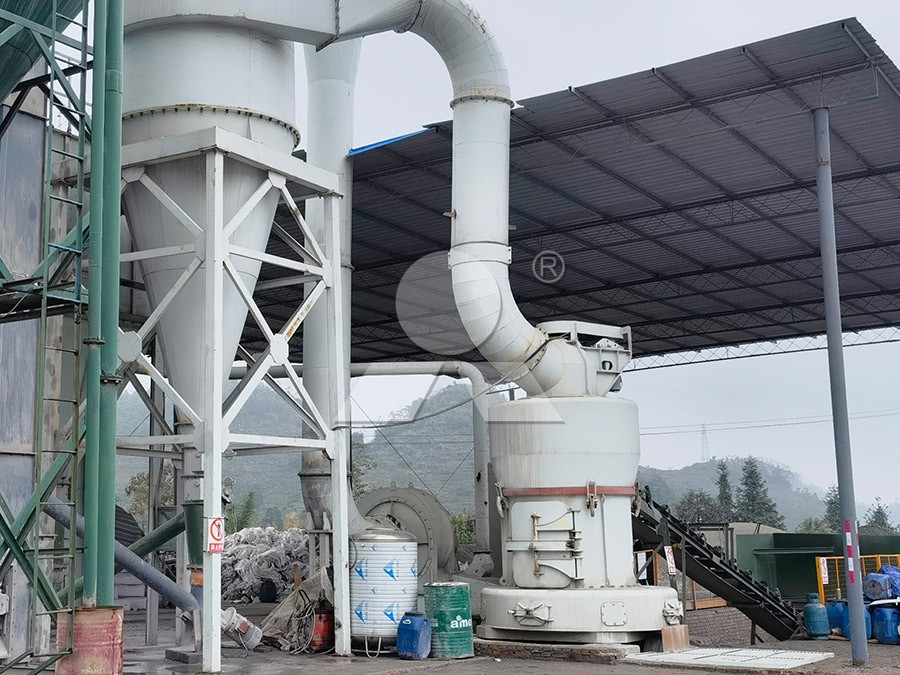
Another premier option for processing smelting waste slag is the LUM Ultrafine Vertical Grinding Mill. This mill integrates ultrafine powder grinding, grading, and transporting into a single, cohesive unit. With an input size of 0-10mm and a capacity of 5-18 tph, it is particularly effective for producing superfine dry powder from non-metal ores. Its standout feature is the unique roller shell and lining plate grinding curve, which facilitates easier material layer formation and a high rate of finished product in a single pass. This design not only enhances efficiency but also improves the whiteness and cleanliness of the final product. The LUM mill’s multi-head powder separating technology, controlled by a PLC system, offers unparalleled precision and energy savings, reducing consumption by 30%-50% compared to conventional mills.
Operational Insights and Best Practices
Watching a video of these machines in operation reveals their impressive capabilities. The process is a symphony of coordinated mechanical actions: material is steadily fed, crushed between grinding rollers and raceways, and then precisely classified by advanced separators. The entire operation is typically enclosed and operates under negative pressure, ensuring no dust escape and a clean working environment. Key to successful operation is maintaining a consistent feed rate and monitoring grinding pressure and classifier speed to achieve the desired product specifications.
Frequently Asked Questions (FAQ)
What is the primary use of processed water slag?
Processed water slag is primarily used as a supplementary cementitious material (SCM) in concrete and cement production. It enhances properties like durability and strength while reducing the overall carbon footprint of the final product.
How does the MW Ultrafine Grinding Mill handle dust?
The MW Mill is equipped with an integrated, high-efficiency pulse dust collector. This system captures over 99% of dust particles generated during grinding, ensuring clean operation and allowing the collected fine powder to be conveyed to the product collection system.
Can these mills handle materials other than slag?
Absolutely. While excellent for slag, mills like the MW and LUM are versatile and can process a wide range of non-flammable, non-explosive materials with Mohs hardness below 7, including limestone, calcite, dolomite, talc, and barite.
What are the main advantages of vertical grinding mills like the LUM for slag processing?
Vertical mills like the LUM offer a smaller footprint, higher grinding efficiency, significantly lower energy consumption (30-50% less), and integrated drying-grinding-classifying capabilities, making them a comprehensive and cost-effective solution.
Is the operation of these machines fully automated?
Yes, our grinding mills are designed with advanced PLC control systems. They allow for fully automated operation, including remote monitoring and control, automatic adjustment of parameters, and real-time diagnostics, minimizing the need for manual intervention.